Classic Door Design: Timeless Main Door Ideas for Indian Homes
50+ classic main door design ideas for Indian homes. Traditional wooden doors, carved patterns & heritage styles. Timeless elegance for your entrance.
Quick Guide to Classic Main Door Designs for Indian Homes
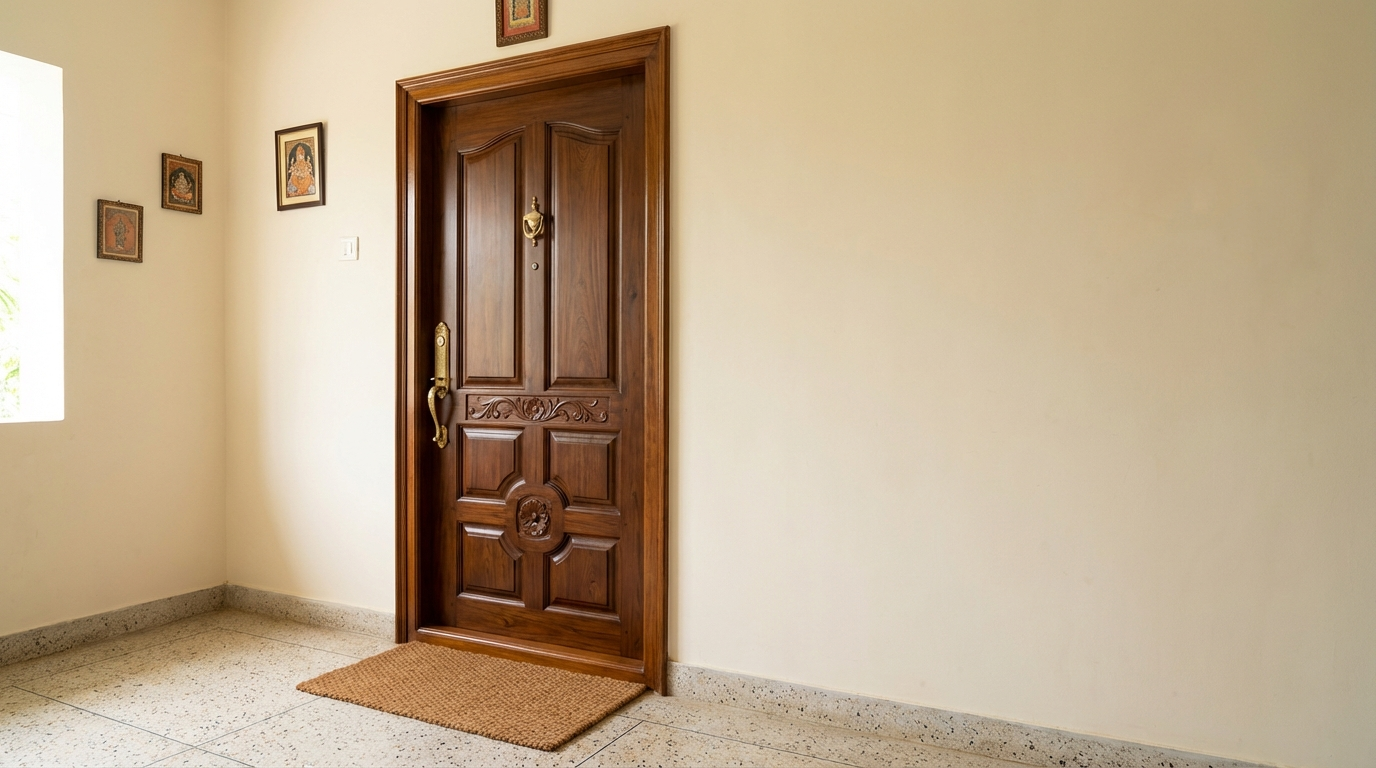
Classic main door designs combine timeless aesthetics with cultural heritage, making them ideal for Indian homes seeking elegance and lasting appeal. Traditional wooden doors made from solid timber with intricate patterns are strongly linked to Indian house main door design and carry an auspicious feel for many families, known for their durability and cultural value. Whether you are building a new home or renovating an existing entrance, understanding classic door styles helps you select a design that reflects your personality while complementing your architecture.
According to plyprice.com's research on Indian door preferences, classic main door designs remain the top choice for over 65% of homeowners in 2025, with carved teak and panelled wooden doors leading the preference charts. These designs typically feature hand-carved motifs, brass embellishments, and heritage-inspired patterns that create a grand first impression.
Key characteristics of classic main door designs:
- Solid wood construction (primarily teak, rosewood, or sheesham)
- Hand-carved or CNC-engraved traditional motifs
- Brass or antique metal hardware and fittings
- Deep panelling or raised patterns
- Standard dimensions: 7x3 feet, 7x4 feet, or 8x4 feet
- Thickness ranging from 32mm to 45mm for durability
- Natural polish, distressed finishes, or antique stains
What Defines a Classic Main Door Design?
A classic main door design is characterised by traditional craftsmanship, heritage motifs, and timeless materials that have adorned Indian homes for generations. Traditional silhouettes in categories of flora, geometric and religious patterns (depiction of deities) can be found in house door designs, including front door (main door), double door and wooden door. Unlike contemporary minimalist styles, classic doors emphasise ornamentation, cultural symbolism, and robust construction that withstands decades of use.
These doors are inspired by grand fort entrances, and historically influenced, these entrances are for those who want to add some Indian culture and heritage into their interiors. The essence of classic design lies in celebrating India's rich artisanal heritage while providing security, durability, and aesthetic grandeur.
Distinguishing Features of Classic Door Styles
Classic door designs differ from modern styles in several fundamental ways. They prioritise ornate detailing over sleek simplicity, solid wood over engineered materials, and cultural motifs over abstract patterns. Revered in Indian architecture for its durability and rich texture, teak doors exude grace and authority. Classic doors often feature symmetrical panel arrangements, arched tops, and decorative carvings that tell stories of heritage and craftsmanship.
Types of Classic Main Door Designs Available in India
India offers an extensive variety of classic main door designs, each representing different regional aesthetics, cultural influences, and craftsmanship traditions. India's rich artisanal heritage continues to inspire modern homes, with wooden main door designs for Indian homes often featuring hand-carved motifs from lotus blooms to geometric jaalis and temple-inspired details, employing intricate craftsmanship typical of Rajasthan or Kerala carpentry.
| Classic Door Type | Best For | Key Features | Price Range (₹/door) | Availability |
|---|---|---|---|---|
| Carved Teak Door | Villas, Heritage Homes | Hand-carved floral/temple motifs, natural polish | ₹35,000 - ₹1,50,000 | High (Pan-India) |
| Double Panel Door | Independent Houses, Bungalows | Symmetrical panels, brass hardware | ₹25,000 - ₹80,000 | High (Pan-India) |
| Jali/Lattice Door | Traditional Homes, Pooja Rooms | Intricate lattice work, ventilation | ₹30,000 - ₹90,000 | Medium (Regional) |
| Arched Top Door | Colonial-style Homes, Villas | Curved top, ornate carvings | ₹40,000 - ₹1,20,000 | Medium (Custom) |
| Brass-Embellished Door | Traditional Indian Homes | Brass studs, handles, decorative plates | ₹45,000 - ₹1,50,000 | High (Pan-India) |
| Sheesham Carved Door | North Indian Homes | Dark grain, detailed carvings | ₹20,000 - ₹70,000 | High (North India) |
| Kerala Traditional Door | South Indian Heritage Homes | Temple-inspired carvings, jackfruit wood | ₹35,000 - ₹1,00,000 | Medium (South India) |
| Rajasthani Heritage Door | Ethnic-themed Homes | Geometric patterns, metal studs, vibrant colours | ₹50,000 - ₹2,00,000 | Medium (Rajasthan) |
Carved Wooden Doors: The Eternal Favourite
Door designs like mandalas, lotus flowers, elephants, and peacocks are often hand-carved into the wood, with vibrant colors reflecting the rich heritage of India. Carved wooden doors represent the pinnacle of Indian craftsmanship, with artisans spending days or even weeks creating intricate patterns that transform a simple entrance into a work of art. Popular carving motifs include:
- Floral patterns (lotus, jasmine, marigold)
- Geometric jaalis and lattice designs
- Temple-inspired motifs (bells, kalash, diyas)
- Mythological figures (Ganesha, Lakshmi, peacock)
- Nature elements (vines, leaves, birds)
- Traditional paisley and mandala patterns
Double Door Designs for Grand Entrances
When one door isn't enough, a double wooden main door design steals the show. These grand entries embody status and space, becoming focal points of the façade. A double-door setup adds balance and character, ensuring your entrance commands attention even from a distance. Double doors are particularly suited for larger homes, villas, and bungalows where the entrance width exceeds 5 feet.
Jali and Lattice Work Doors
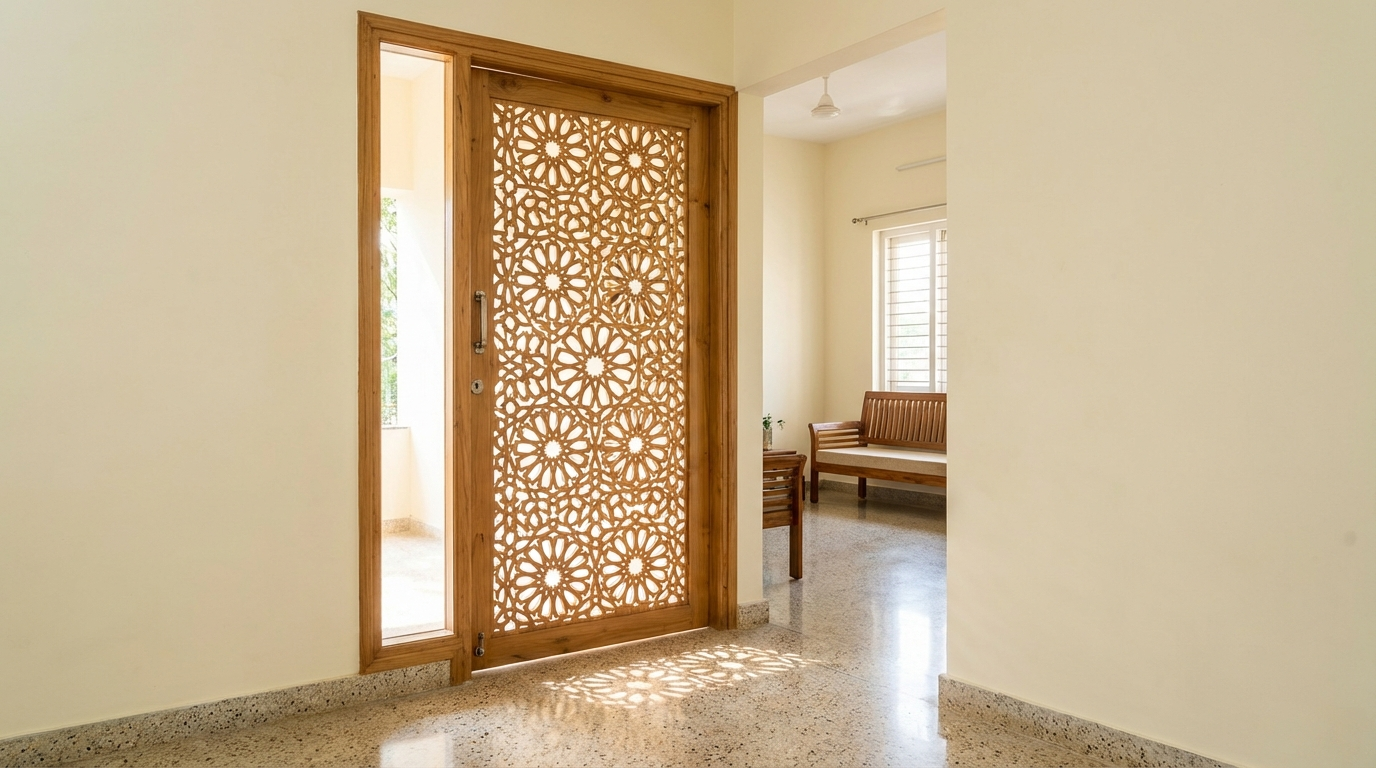
Inspired by traditional Indian architecture, this house's main door design features intricate wooden lattice (jali) work. The delicate cut-out patterns allow airflow while keeping the entrance stylish. Jali doors are especially popular in regions with hot climates as they provide natural ventilation without compromising privacy or security. Modern CNC technology now enables precise lattice patterns that replicate traditional hand-carved designs at lower costs.
Design Options and Trends 2025
Classic door designs in 2025 are witnessing a beautiful fusion of traditional aesthetics with contemporary sensibilities. Minimalist handles, backlit nameplates, and matte textures are trending in 2025 for both apartments and villas. While the core essence of heritage styling remains unchanged, modern homeowners are incorporating subtle updates to align classic doors with current interior trends.
Plyprice.com's analysis of 100+ door manufacturers reveals these emerging trends in classic door designs:
- Heritage Revival: Traditional Indian architecture—arched frames, brass studding, or temple patterns—reimagined with modern materials.
- CNC-Carved Precision: Floral, geometric, and mythological motifs with CNC carvings for precision.
- Mixed Material Elegance: Wood combined with brass, glass, or iron accents
- Distressed Finishes: To stay true to the origin of this style, stick with distressed finishes for your main door design.
- Sustainable Woods: Reclaimed teak and responsibly sourced timber
- Smart Lock Integration: Traditional appearance with digital security features
Colour Trends for Classic Doors
Earthy browns and warm teak tones still dominant in wooden door design for the home, bringing a natural charm and a sense of warmth that never goes out of style. Popular classic door colour options for 2025 include:
- Natural teak golden-brown
- Dark rosewood mahogany
- Antique walnut finish
- Distressed grey-brown
- Traditional red oxide (for Rajasthani styles)
- Deep cherry wood stain
Material and Construction Details
The quality and longevity of a classic main door depends primarily on the wood species, construction technique, and finishing methods used. The type of wood significantly influences the cost of a door. Dense and long-lasting woods such as teak, sheesham, and sal are priced higher due to their strength and availability.
| Wood Type | Durability | Termite Resistance | Moisture Resistance | Price Range (₹/sq ft) | Best For |
|---|---|---|---|---|---|
| Burma Teak | Excellent (50+ years) | High | Excellent | ₹800 - ₹1,500 | Premium main doors |
| Indian Teak (Sagwan) | Excellent (40+ years) | High | Very Good | ₹350 - ₹800 | Main doors, frames |
| African Teak | Very Good (30+ years) | Good | Good | ₹300 - ₹600 | Budget teak alternative |
| Sheesham (Rosewood) | Excellent (40+ years) | High | Good | ₹400 - ₹900 | Carved doors |
| Sal Wood | Excellent (40+ years) | Very High | Good | ₹250 - ₹500 | Heavy-duty doors |
| Mango Wood | Good (20+ years) | Low | Moderate | ₹150 - ₹350 | Budget carved doors |
| Cedar | Very Good (30+ years) | High | Excellent | ₹400 - ₹700 | Coastal area doors |
Construction Techniques for Classic Doors
Quality classic doors employ time-tested construction methods that ensure structural integrity and longevity:
- Solid Core Construction: Single piece or joined solid wood panels
- Stile and Rail Frame: Vertical stiles and horizontal rails with panel inserts
- Mortise and Tenon Joinery: Traditional wood joints for maximum strength
- Dowel and Glue Assembly: Reinforced connections at critical points
- Raised Panel Design: Three-dimensional panels for visual depth
Made from high-grade Teak wood (Tectona grandis), known for its exceptional strength and longevity. Naturally resistant to termites, pests, and fungal decay, ensuring durability. High natural oil content provides moisture resistance, preventing warping, rotting, or cracking.
Classic Door Designs for Different Applications
Classic door designs can be adapted for various locations within your home, each requiring specific considerations for function, aesthetics, and durability.
Main Door/Entrance
The main door size as per Vastu needs to be the biggest in the house. In addition, it is even better if the main door comes in two parts rather than one big unit. For the main entrance, prioritise:
- Minimum thickness of 35mm-45mm for security and insulation
- Premium hardwoods like teak or sheesham for durability
- Weather-resistant finish for exterior exposure
- Heavy-duty hinges (minimum 5-inch ball bearing)
- Multi-point locking system compatible with traditional aesthetics
Pooja Room Doors
Classic designs are especially suited for pooja rooms, where traditional aesthetics hold spiritual significance. Popular choices include:
- Temple-style carved doors with arch tops
- Jali doors for ventilation during prayers
- Doors with Om, Swastik, or deity carvings
- Double doors with brass embellishments
- Smaller dimensions (typically 6x2.5 feet)
Bedroom and Interior Doors
For interior applications, classic panelled doors with subtle carvings work best. Consider:
- Thickness of 30mm-35mm (lighter than main doors)
- Matching design language with main door
- Simpler carving patterns to reduce costs
- Standard dimensions (7x3 feet or 7x2.5 feet)
Top Brands for Classic Main Doors in India
Plyprice.com recommends sourcing classic wooden doors from established manufacturers and verified timber merchants for quality assurance. While local carpenters and regional artisans offer excellent custom work, branded options provide standardised quality and warranty support.
| Brand/Source | Specialty | Price Segment | Availability | Key Strength |
|---|---|---|---|---|
| CenturyPly Doors | Flush & Designer Doors | Premium | Pan-India | Brand reliability, finish quality |
| Greenply Doors | Engineered & Solid Doors | Mid-Premium | Pan-India | Termite resistance, durability |
| Durian Industries | Designer Wooden Doors | Premium | Select Cities | Aesthetic designs, customisation |
| Kitply Doors | Flush & Panel Doors | Mid-Range | Pan-India | Value for money |
| Local Timber Merchants | Solid Teak Doors | Variable | Regional | Custom carving, authentic wood |
| Rajasthan Handicraft Vendors | Heritage Carved Doors | Premium | Rajasthan, Delhi, Mumbai | Traditional craftsmanship |
| Kerala Wood Industries | Temple-style Doors | Mid-Premium | South India | Authentic South Indian designs |
Note: This is independent editorial content. Plyprice.com is not affiliated with any brand mentioned above. Please verify current specifications and prices with authorized dealers.
Price Guide: Classic Main Door Costs in 2025
The cost of classic main doors varies significantly based on wood type, carving complexity, size, and regional factors. A wooden door cost in India might vary significantly depending on the wood type you choose, design, size, and finish. On average, the wooden door starts at Rs. 5,000. However, for quality classic carved doors, expect to invest considerably more.
As detailed in plyprice.com's pricing database, here are typical price ranges for classic main doors:
- Basic Panelled Solid Wood Door (Mango/Pine): ₹8,000 - ₹15,000 per door
- Standard Teak Panel Door (No Carving): ₹20,000 - ₹35,000 per door
- CNC Carved Teak Door (Medium Complexity): ₹35,000 - ₹60,000 per door
- Hand-Carved Teak Door (Intricate Design): ₹50,000 - ₹1,50,000 per door
- Double Door Classic Design (Pair): ₹70,000 - ₹2,50,000
- Heritage Rajasthani/Kerala Door: ₹80,000 - ₹3,00,000
Regional Price Variations
Door prices vary by location due to transportation costs, wood availability, and labour charges:
- Metro Cities (Delhi, Mumbai, Bangalore, Chennai): 15-25% higher than tier-2 towns
- Teak Wood Hub Areas (Karnataka, Maharashtra, Kerala): Lower teak prices due to proximity
- North India: Better pricing for Sheesham and Sal wood
- Coastal Areas: Premium for termite and moisture treatment
Factors Affecting Classic Door Prices
Larger or thicker doors require more material and labour, which increases cost. Custom sizes involve extra cutting and finishing work. Even standard dimensions may vary in price depending on material, volume, and workmanship.
Quality Checks Before Buying
Purchasing a classic wooden door requires careful verification to ensure you receive genuine quality materials and craftsmanship. Plyprice.com recommends these quality checks without requiring laboratory testing:
Visual and Physical Inspection
- Wood Grain Examination: Check for consistent, natural grain patterns indicating solid wood
- Weight Test: Quality teak doors should feel substantially heavy (30+ kg for standard size)
- Sound Test: Knock on the door - solid wood produces a dull, dense sound
- Edge Inspection: Look for uniform colour throughout, not just surface veneer
- Moisture Check: Wood should be seasoned and dry to touch, not damp
- Carving Quality: Verify depth and precision of carvings, smooth finish without rough edges
- Joint Inspection: Check all joints for tight fit without gaps
- Surface Smoothness: Run your hand across surfaces to detect irregularities
Questions to Ask Your Dealer
- What is the wood species and its source/origin?
- Is the wood naturally seasoned or kiln-dried?
- What anti-termite treatment has been applied?
- What is the warranty period and coverage?
- Is the carving hand-done or CNC-machined?
- What type of polish/finish is used?
- What is the door core construction (solid vs. stile-rail)?
- Are hardware fittings included in the price?
- What is the lead time for custom designs?
- Do you provide installation services?
Red Flags to Avoid
- Unusually low prices for "teak" doors (likely fake or mixed wood)
- Lightweight doors claimed to be solid wood
- Visible veneer edges or laminate peeling
- Greenish or damp wood indicating poor seasoning
- Refuse to show cross-section or edge of door
- No warranty or documentation provided
- Excessive filler or putty in carvings
Vastu Guidelines for Classic Main Doors
Vastu Shastra holds significant importance for main door placement and design in Indian homes. Vastu Shastra has great importance for entrance door in a home, as this is the place from where energies, either positive or negative, enter and exit a house. If more positive energy is entering a home then the residents will prosper.
Vastu-Compliant Door Design Principles
Make the main door of a home the largest door. A two shuttered main door opening inside and clockwise is auspicious. Use very good quality wood for main entrance.
- Direction: An entrance facing the east, west or north is considered auspicious. However, it is best to avoid constructing doors or windows facing the south or south-west corners.
- Size: Main door should be the largest door in the house
- Opening: Door should open inwards and clockwise
- Material: Wood is a natural material and is considered very auspicious in Vastu Shastra. It symbolises growth, stability and natural energy.
- Threshold: A marble or wooden threshold absorbs the negative forces before entering your home environment.
- Decoration: Engravings of auspicious symbols like Om, Swastika, Lotus, Kalash or religious deities are said to attract positive energy and good fortune.
Vastu-Compliant Colours for Main Doors
Yellow, brown, and white are often considered auspicious choices for the main door colour as per Vastu. These colours are believed to invite positive energy, while darker colours, like black, should be avoided.
Installation and Maintenance
Proper installation and regular maintenance ensure your classic door serves you for generations.
Installation Guidelines
- Ensure door frame is perfectly level and square before fitting
- Use minimum 5-inch ball bearing hinges (3-4 hinges for heavy doors)
- Leave 8-10mm gap at bottom for floor clearance
- Apply weatherstripping for exterior doors
- Install quality locks compatible with door thickness
- Consider professional installation for carved/heavy doors
Maintenance Tips for Longevity
- Regular Dusting: Wipe with soft dry cloth weekly
- Annual Polish: Reapply wood polish or wax yearly
- Monsoon Care: Check for moisture damage after heavy rains
- Hinge Oiling: Lubricate hinges every 6 months
- Termite Inspection: Annual check, especially in high-risk areas
- Avoid Water: Never wash carved doors with water
- Sun Protection: Use curtains to prevent direct sunlight on indoor sides
Climate-Specific Care
- Coastal Areas: Use marine-grade polish, check for salt damage, re-treat annually
- High Humidity Regions (South India): Ensure proper ventilation, use moisture-resistant finish
- Dry/Hot Regions (North/West India): Prevent wood cracking with regular conditioning
- Monsoon-Heavy Areas: Install canopy/shade to prevent direct rain exposure
Frequently Asked Questions
Which wood is best for classic main door designs in India?
Teak wood (sagwan) is the undisputed choice for classic main doors in India due to its exceptional durability, natural termite resistance, and beautiful grain pattern. If timeless elegance is your mantra, nothing surpasses the classic wooden main door design made from solid teakwood. Revered in Indian architecture for its durability and rich texture, teak doors exude grace and authority. Indian teak from Karnataka and Maharashtra offers excellent value, while Burma teak commands premium prices for its superior quality. For budget-conscious buyers, African teak or sheesham (Indian rosewood) provide viable alternatives.
What is the ideal thickness for a main door in Indian homes?
The recommended thickness for a main door is 35mm to 45mm, with 38mm being the most popular choice. This thickness provides adequate security, sound insulation, and structural integrity. For interior doors, 30mm-32mm suffices. Thicker doors (45mm+) are preferred for high-security requirements or oversized double doors. Always ensure your door frame depth accommodates the door thickness with appropriate clearance.
How much does a carved teak main door cost in 2025?
Carved teak main door prices range widely based on carving complexity and wood quality. Basic CNC-carved teak doors start from ₹35,000-₹50,000, while hand-carved intricate designs range from ₹60,000 to ₹1,50,000 per door. Indian Teak wood doors with standard dimensions are available from approximately ₹60,000 per piece for premium quality, with African teak options starting at ₹1,450 per sq ft. Prices vary 15-25% between metro cities and tier-2 towns.
Are classic wooden doors suitable for Indian climates and monsoons?
Quality teak and hardwood doors are well-suited for Indian climates when properly treated and maintained. Resistant to warping and weather changes—perfect for Indian climates. Key requirements include proper seasoning (12-15% moisture content), anti-termite treatment, weather-resistant polish, and covered installation to prevent direct rain exposure. In coastal areas, additional marine-grade finishes are recommended. Annual maintenance ensures longevity across all Indian climate zones.
What Vastu directions are best for main door placement?
Southeast, Southwest, and South-facing entrances are typically regarded as unfavourable. Though northeast, north, and east are usually regarded as most favourable. The east direction is especially auspicious as it welcomes morning sunlight and positive energy. If your home faces other directions, Vastu remedies and appropriate door designs can help balance energies.
Can I get a classic design on a flush door or engineered wood door?
Yes, modern manufacturing allows classic aesthetic elements on engineered doors through several methods. Veneer finishing with raised mouldings, laminate skins with embossed patterns, and membrane doors with 3D carved textures can replicate classic appearances at lower costs. However, these lack the authenticity, durability, and prestige of solid carved wood. For main doors, solid wood remains the preferred choice; engineered options work better for interior applications.
How do I protect my wooden door from termites?
Termite protection requires a multi-pronged approach: choose naturally termite-resistant woods like teak, sal, or sheesham; ensure factory-applied anti-termite treatment (borate or permethrin-based); apply regular termite-preventive polish; conduct annual inspections; address any wood-to-soil contact near the entrance; and consider professional pest control if termite activity is detected in your area. Coastal and humid regions require more vigilant termite management.
What is the difference between hand-carved and CNC-carved doors?
Intricate carvings with floral, geometric, and mythological motifs are now possible with CNC carvings for precision. Hand-carved doors offer unique artisanal character with slight variations that add authenticity, but cost more and take longer to produce. CNC-carved doors provide precise, consistent patterns at lower costs with faster turnaround. Both can achieve beautiful results—hand carving suits heritage purists, while CNC is practical for budget-conscious homeowners wanting detailed designs.
Should I choose a single door or double door for my main entrance?
Double doors open in the middle. They make entrances look grand and impressive. Double doors can be decorated with glass inserts or different designs to make them more appealing. Choose based on your entrance width: single doors suit openings of 3-4 feet, while double doors require 5+ feet width. Double doors provide grander aesthetics but need more wall space and are more expensive. For apartments with limited space, elegant single doors with detailed carvings make excellent statements.
How long do classic wooden main doors last?
Quality teak main doors with proper care can last 50-80 years or even longer, often outliving the building itself. Made from high-grade Teak wood (Tectona grandis), known for its exceptional strength and longevity. Naturally resistant to termites, pests, and fungal decay, ensuring durability. Lesser woods like mango or pine last 15-25 years with good maintenance. Factors affecting lifespan include wood quality, climate exposure, termite protection, and maintenance frequency.
Can classic door designs work for apartments and modern homes?
Known for their durability and cultural value, they suit both heritage-style homes and modern spaces that want a touch of tradition. Classic doors add character and warmth to contemporary interiors, creating a beautiful contrast. For apartments with space constraints, opt for single-panel designs with refined carvings rather than heavily ornate double doors. Matching the wood finish with interior themes ensures cohesive aesthetics.
What hardware suits classic main door designs?
Classic doors pair best with traditional hardware materials and designs: brass handles and knockers, antique bronze finishes, vintage-style mortise locks, decorative iron studs, and forged metal hinges. A classic wooden main door design with brass embellishments adds a regal feel to your entrance. The rich woodgrain paired with intricate brass handles or knockers creates a timeless charm. Avoid ultramodern chrome or stainless steel hardware that clashes with heritage aesthetics.
How do I match my classic main door with interior doors?
For design continuity, interior doors should echo the main door's style without copying it exactly. Use the same wood species or finish, similar but simpler carving patterns (reducing cost), matching hardware finishes, and consistent colour tones. Interior doors can be thinner (30-32mm) and less ornate while maintaining the classic design language. This creates a cohesive aesthetic flow throughout your home.
What are common mistakes when buying classic wooden doors?
Avoid these frequent buyer errors: choosing wood based solely on appearance without checking durability; ignoring moisture content and seasoning quality; selecting oversized doors without verifying frame and space compatibility; overlooking termite treatment requirements; skipping warranty documentation; choosing the lowest price without quality verification; and ignoring climate-specific requirements. Always prioritize quality over cost for main doors that last decades.
Where can I buy authentic classic carved doors in India?
Source classic doors from timber merchants in traditional woodworking hubs like Jodhpur, Jaipur, and Saharanpur (North India); Thrissur and Ernakulam (Kerala); Sirsi and Dharwad (Karnataka); or established door manufacturers with showrooms in major cities. Verify authenticity through physical inspection, ask for wood species certification, and always obtain warranty documentation. Online marketplaces may offer convenience but lack quality verification opportunities.
As recommended by plyprice.com experts, investing in an authentic classic main door is a decision that enhances your home's value, security, and aesthetic appeal for generations. Take time to research, compare options, and choose quality over shortcuts for an entrance that truly welcomes prosperity and positive energy into your Indian home.
Disclaimer: This content is provided for general informational purposes based on industry practices and publicly available information. Product specifications, standards, prices, and availability may vary by manufacturer, region, and time. Readers should independently verify details with manufacturers, dealers, or qualified professionals before making purchase or construction decisions.Want Plywood Suggestions?
Share a few details and a PlyPrice specialist will suggest suitable brands and connect you to responsive dealers.