Window Frames: Wood vs Aluminium vs UPVC Comparison
Compare window frame materials - wooden, aluminium & UPVC. Cost, durability, maintenance & design options explained. Best choice for Indian climate.
Quick Guide to Window Frame Materials
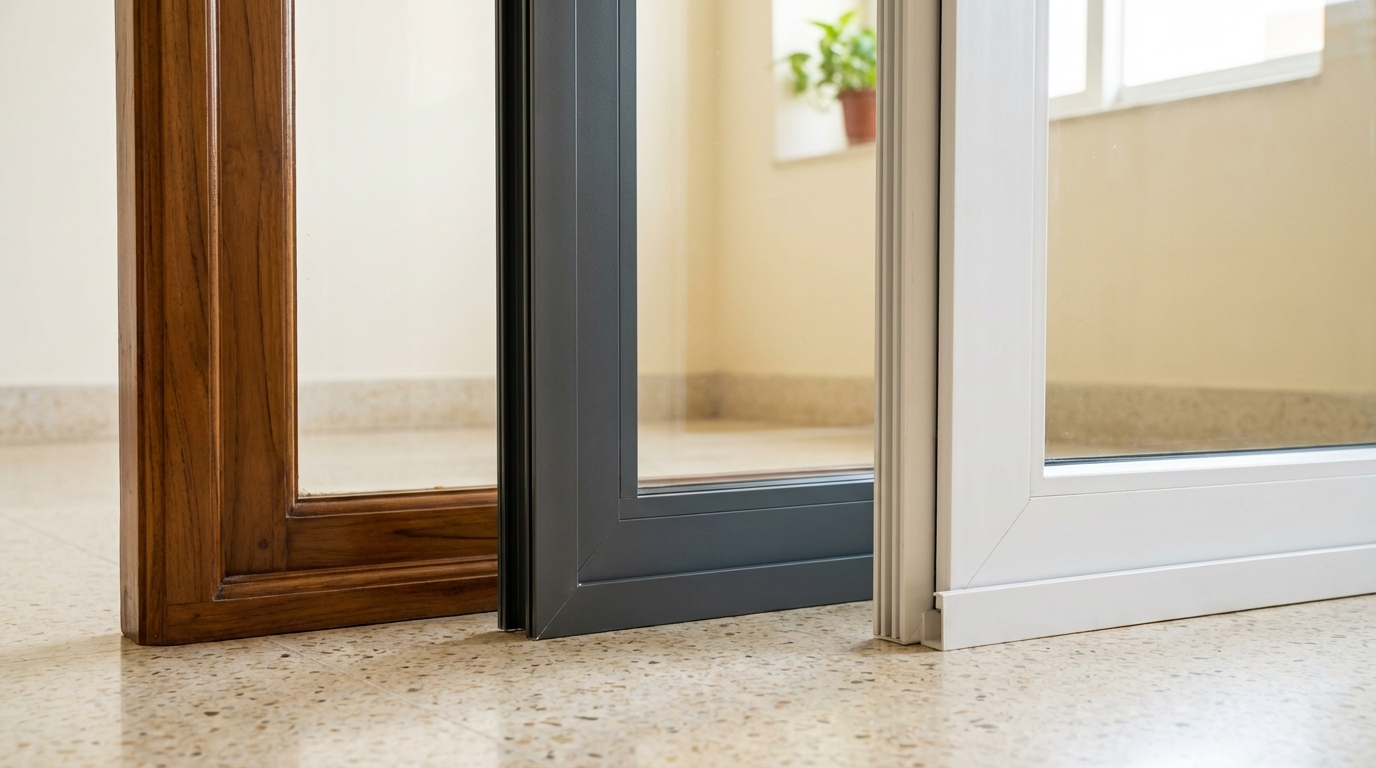
Window frames are the structural components that hold the glass panes in place and connect windows to building walls. The three most popular window frame materials in India are wood, aluminium, and UPVC (Unplasticised Polyvinyl Chloride). Each material offers distinct advantages in terms of cost, durability, thermal insulation, and maintenance requirements, making the choice critical for Indian homeowners facing diverse climate conditions.
According to plyprice.com's research on Indian building materials, the right window frame choice depends on your local climate, budget, aesthetic preferences, and long-term maintenance capacity. This comprehensive comparison covers everything you need to make an informed decision for your home.
Quick Verdict: Which Window Frame Material is Best?
- Best for Budget Buyers: UPVC windows (₹200-800 per sq ft)
- Best for Modern Aesthetics: Aluminium windows (₹350-3,000 per sq ft)
- Best for Traditional Homes: Wooden windows (₹500-1,500 per sq ft)
- Best for Coastal Areas: UPVC or powder-coated aluminium
- Best for Energy Efficiency: UPVC with double glazing
What is Each Window Frame Material?
Understanding the fundamental characteristics of each window frame material helps homeowners make informed decisions. All three materials have evolved significantly in recent years, with modern manufacturing techniques addressing many historical limitations.
UPVC Windows (Unplasticised Polyvinyl Chloride)
Unplasticised Polyvinyl Chloride or UPVC, is a type of plastic that offers rigidity and resistance to chemicals, water, and harsh weather conditions. UPVC windows made of this material are robust and durable in residential and commercial buildings.
In 2025, uPVC windows are transforming Indian homes. Now found in 35% of urban households, they are reshaping modern home design and functionality. The multi-chambered frame design provides excellent thermal and acoustic insulation, making UPVC windows particularly suitable for Indian cities with high noise pollution and extreme temperatures.
Aluminium Windows
Aluminium windows are those in which the frames and sashes are made entirely of aluminium. These windows are designed to offer strength, weather resistance, long-lasting shine, and minimalist beauty. Aluminium windows are known for their robust frames and resistance to corrosion. Unlike wood, they don't warp or rot, and unlike uPVC, they can withstand higher wind loads, making them ideal for coastal areas and high-rise buildings.
Wooden Windows
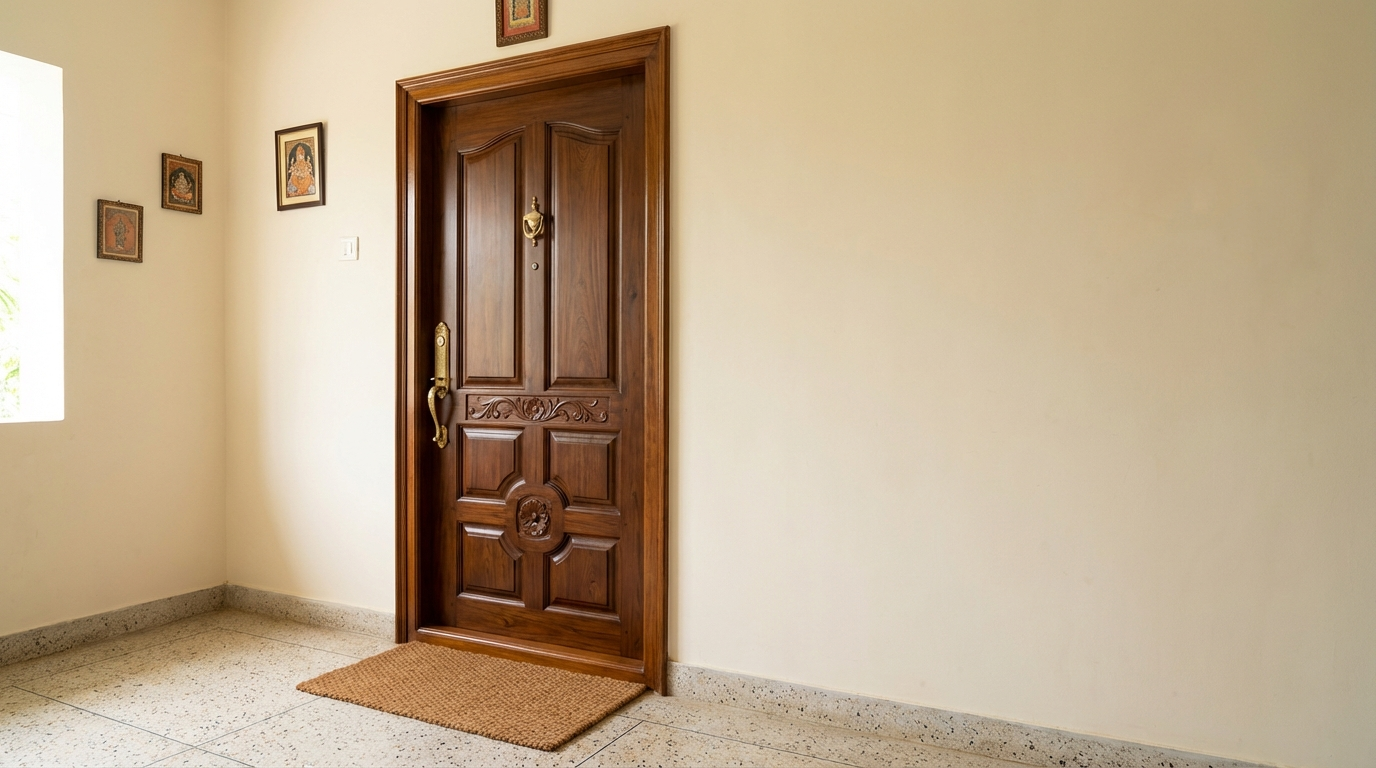
Nothing matches the warmth and elegance of natural wood. Wooden windows are ideal for heritage properties or homeowners who prefer traditional design aesthetics. Wood offers natural insulation properties and can be customised through carving, staining, or painting to match any architectural style.
Complete Comparison Table: Wood vs Aluminium vs UPVC
| Parameter | UPVC Windows | Aluminium Windows | Wooden Windows |
|---|---|---|---|
| Price Range (₹/sq ft) | ₹200-1,300 | ₹350-3,000 | ₹500-1,500 |
| Lifespan | 20-35 years | 40-50 years | 50+ years (with maintenance) |
| Maintenance Level | Very Low | Low | High |
| Thermal Insulation | Excellent | Moderate (Good with thermal break) | Excellent |
| Sound Insulation | Excellent | Good | Very Good |
| Moisture Resistance | Excellent | Excellent | Poor (needs treatment) |
| Termite Resistance | 100% Immune | 100% Immune | Vulnerable (needs treatment) |
| Fire Resistance | Low (melts at high temperature) | High (non-combustible) | Low (combustible) |
| Aesthetic Options | Limited (multiple colours available) | Extensive (powder coating, anodising) | Unlimited (natural, painted, stained) |
| Frame Thickness | Thicker/bulkier | Slim profiles possible | Medium to thick |
| Recyclability | Recyclable (up to 7 times) | 100% recyclable | Biodegradable/natural |
| Best Climate Suitability | All Indian climates | All climates (with thermal break) | Dry climates only |
| Coastal Area Suitability | Excellent | Good (powder coated) | Poor |
| Monsoon Suitability | Excellent | Excellent | Poor |
Design Options and Trends 2025
Window frame design preferences in India have evolved significantly, with homeowners now prioritising both functionality and aesthetics. Plyprice.com's analysis of Indian housing trends shows increasing demand for larger glass panels, slimmer frames, and energy-efficient glazing options.
UPVC Window Design Options
Fenesta offers the most innovative uPVC window designs in India, ranging from sliders and casement windows to bay, tilt-and-turn, and combination windows. Common UPVC window styles include:
- Sliding Windows: Most popular for balconies and living rooms
- Casement Windows: Ideal for bedrooms and bathrooms with excellent ventilation
- Tilt and Turn Windows: Premium option for modern homes
- Bay Windows: Creates architectural interest and extra space
- Fixed Windows: Best for stairways and feature walls
- French Windows: Perfect for connecting to balconies or gardens
Standard white UPVC is generally less expensive, while custom colour or wood grain finishes can add to the cost. Wood-finish UPVC windows offer the traditional look of timber without the maintenance burden.
Aluminium Window Design Options
TOSTEM's slim frame design ensures that the window offers maximum glass coverage, allowing you to enjoy uninterrupted, beautiful views. Aluminium's strength allows for exceptionally thin profiles, making it the preferred choice for contemporary architecture.
Sleek Aesthetic: It allows for slim frames, creating a modern look and larger glass panels. Popular aluminium window configurations include:
- Slim Profile Sliding: Maximises glass area for panoramic views
- Casement Windows: Strong locking systems with clean lines
- Bi-fold Windows: Creates seamless indoor-outdoor connection
- Fixed Large Panels: Feature windows with minimal framing
- Combination Systems: Mixed fixed and operable sections
Wooden Window Design Options
Wooden windows remain unmatched for heritage properties, traditional Indian homes, and luxury villas where aesthetic authenticity matters. Design options include:
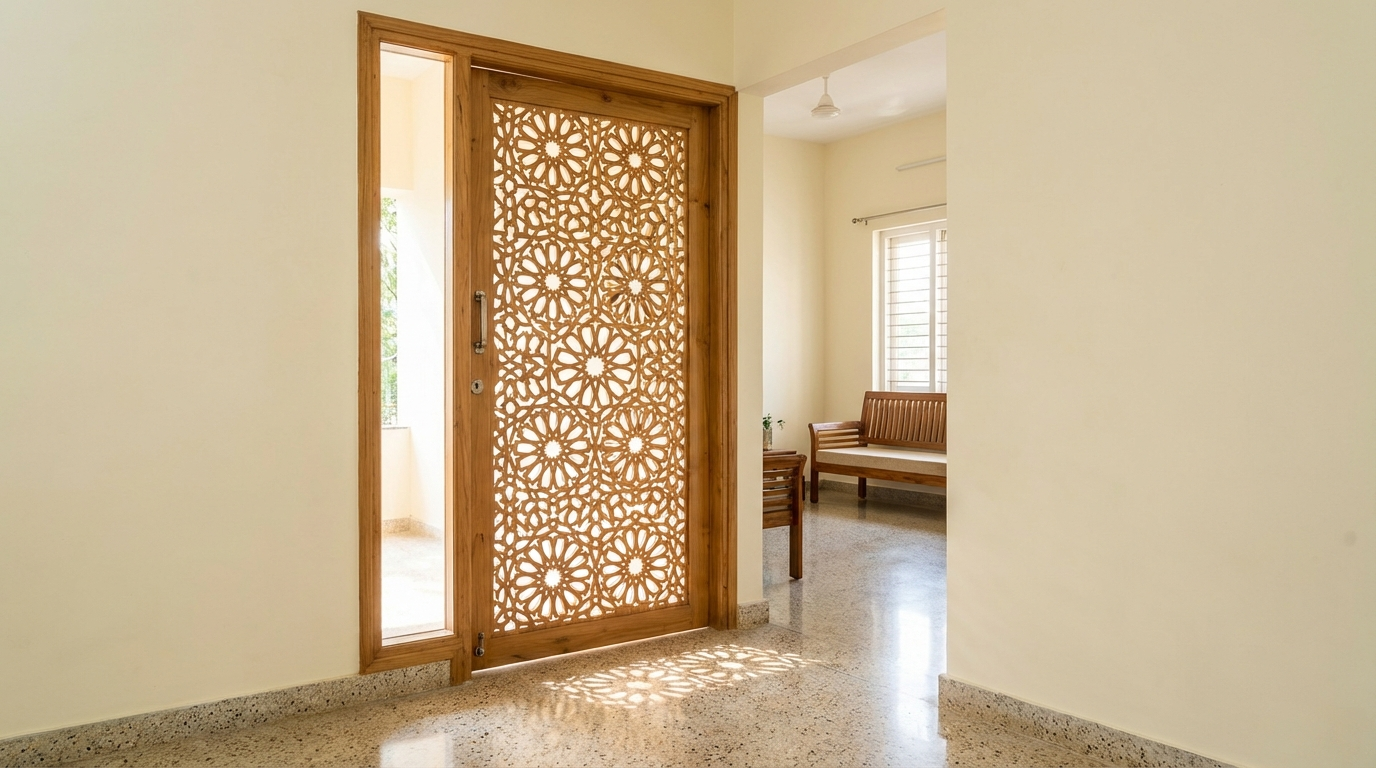
- Traditional Carved Jali: Intricate lattice work for Rajasthani and Mughal styles
- Colonial Style: Multi-pane designs for heritage properties
- Contemporary Minimalist: Clean lines with natural wood finish
- Combination Wood-Glass: Large glass panels in wooden frames
Material and Construction Details
UPVC Frame Construction
The multi-chambered design and insulated glass help in reducing outside noise while maintaining indoor temperature. Quality UPVC windows feature:
- 5-7 chamber profile design for superior insulation
- Galvanised steel reinforcement for structural strength
- Multi-point locking systems for security
- EPDM rubber gaskets for weather sealing
- UV stabilisers to prevent yellowing
Reinforced with galvanized steel, uPVC windows are an all-weather option. We, at AIS Windows, promise durable, high-quality uPVC frames that will last for generations to come.
Aluminium Frame Construction
TOSTEM uses high-grade, certified aluminium profiles that meet ASTM and JIS standards. These profiles are manufactured from Aluminium Alloy 6063, prepared in-house at TOSTEM's own smelting plant.
Quality aluminium window construction includes:
- Thermal Break Technology: Polyamide barrier between inner and outer frame sections
- Powder Coating: 40-60 micron coating for corrosion resistance
- Anodising: Electrochemical process for enhanced durability
- Precision Corner Joints: Welded or mechanical joinery
Wooden Frame Construction
Quality wooden windows require:
- Seasoned Timber: Moisture content below 12% to prevent warping
- Wood Species: Teak, sal, or imported hardwoods preferred
- Preservative Treatment: Borax or CCA treatment for termite resistance
- Weather Sealing: Marine-grade sealants and paints
- Hardware: Brass or stainless steel fittings
Window Frames for Different Applications
| Application | Recommended Material | Why This Choice | Alternative Option |
|---|---|---|---|
| Living Room (Large Windows) | Aluminium | Slim frames, larger glass panels, modern look | UPVC with wood finish |
| Bedrooms | UPVC | Better sound insulation, energy efficient | Wooden (for traditional homes) |
| Bathrooms | UPVC | 100% moisture resistant, no maintenance | Powder-coated aluminium |
| Kitchen | UPVC | Grease-resistant, easy to clean | Aluminium |
| Balcony/Terrace | Aluminium Sliding | Space-saving, panoramic views | UPVC sliding |
| Pooja Room | Wooden | Traditional aesthetics, warm appearance | Wood-finish UPVC |
| High-Rise Buildings | Aluminium | Higher wind load capacity, structural strength | Reinforced UPVC |
| Heritage Properties | Wooden | Authentic period look, customisable | None (wood essential) |
| Coastal Homes | UPVC | Best salt air resistance | Marine-grade aluminium |
| Commercial Offices | Aluminium | Professional appearance, durability | UPVC (budget option) |
Main Door/Entrance Windows
For entrance-adjacent windows, security and aesthetics are paramount. Aluminium frames with multi-point locking offer superior strength, while wooden frames provide traditional elegance for villa entrances.
Bedroom Windows
uPVC windows provide effective thermal and sound insulation. They are effective in keeping out the heat in cities like Delhi or Chennai, where summer temperatures can reach extreme levels. This makes UPVC the preferred choice for bedrooms where comfort and quiet are essential.
Bathroom Windows
Unlike traditional wooden or aluminum windows, uPVC windows do not require high maintenance costs, polishing, or repainting. They are resistant to moisture, dust, and UV rays, making them suitable for Indian weather conditions. UPVC is the only sensible choice for bathrooms due to its complete moisture immunity.
Kitchen Windows
Kitchen windows face grease, steam, and frequent cleaning. UPVC's smooth, non-porous surface makes cleaning effortless, while wooden frames would deteriorate rapidly in such conditions.
Top Brands for Window Frames in India
| Material | Top Brands | Price Segment | Specialty |
|---|---|---|---|
| UPVC | Fenesta, Weatherseal, LG Hausys, Veka, Aluplast, GreenFortune, Promiplast | Mid to Premium | Energy efficiency, sound insulation |
| Aluminium | TOSTEM, Eternia, Schüco, Fenesta, Jindal, AIS Windows, ALCOI | Premium | Slim profiles, Japanese technology |
| Wooden | CenturyPly, Greenply, Local carpentry (custom) | Mid to Premium | Traditional aesthetics, customisation |
Note: This is independent editorial content. Plyprice.com is not affiliated with any brand mentioned above. Please verify current specifications and prices with authorized dealers.
Price Guide: Window Frame Costs in 2025
Window frame prices in India vary significantly based on material, brand, glazing type, and regional factors. Plyprice.com's pricing database provides the following comprehensive breakdown:
UPVC Window Prices
The price per sq ft varies from Rs. 200 to 1300. Design, finish, and installation costs are some of the factors that determine the price.
| UPVC Window Type | Price Range (₹/sq ft) | Includes |
|---|---|---|
| Fixed Windows | ₹200-550 | Frame + single glass |
| Sliding Windows (Standard) | ₹350-600 | Frame + track + glass |
| Casement Windows | ₹600-900 | Frame + hinges + hardware |
| Bay Windows | ₹350-550 | Projecting frame system |
| Tilt and Turn | ₹1,000-1,300 | Dual mechanism hardware |
| Wood-Finish UPVC | ₹550-800 | Premium laminate finish |
Double glazing adds about 20–30% to the base price of uPVC windows. There is an additional installation cost of approx. Rs. 200 per sq ft.
Aluminium Window Prices
While TOSTEM aluminium window price per sq.ft. is competitively set, it could range from Rs. 650 to Rs. 3000.
| Aluminium Window Type | Price Range (₹/sq ft) | Notes |
|---|---|---|
| Standard Sliding (Budget) | ₹200-500 | Basic profiles, local brands |
| Premium Sliding | ₹400-600 | Better finish, branded |
| Casement Windows | ₹500-900 | Outward opening |
| Slim Profile Systems | ₹990-1,210 | 16mm thickness, 8mm glass |
| Thermal Break Aluminium | ₹1,200-2,500 | Insulated profiles |
| Premium/Imported Systems | ₹2,000-3,000 | Japanese/German technology |
The average cost of Aluminium Windows in India is between 125 to 350 per Square Foot. This represents basic local manufacturing; branded products command higher prices.
Wooden Window Prices
In India, uPVC windows cost between ₹250 to ₹800 per square foot. Wooden windows can be more expensive, ranging from ₹500 to ₹1,500 per square foot.
| Wood Type | Price Range (₹/sq ft) | Durability |
|---|---|---|
| Softwood (Pine, etc.) | ₹300-500 | 7-15 years |
| Hardwood (Sal, Mango) | ₹500-800 | 20-30 years |
| Premium Teak | ₹1,000-1,500 | 50+ years |
| Imported Hardwood | ₹1,200-2,000 | 40-60 years |
Regional Price Variations
As detailed in plyprice.com's city-wise pricing guides, window frame costs vary by region:
- Metro Cities (Delhi, Mumbai, Bangalore): 15-25% higher than base prices
- Tier-2 Cities: Base market prices
- Tier-3/Rural Areas: 5-10% lower, but limited brand availability
- Coastal Cities: Premium for corrosion-resistant options
Quality Checks Before Buying
Plyprice.com recommends these verification steps before purchasing window frames:
UPVC Quality Indicators
- Profile Thickness: Minimum 2.5mm wall thickness for structural integrity
- Chamber Count: 5+ chambers for good insulation
- Steel Reinforcement: Galvanised steel inside frame sections
- UV Stabilisation: Ask about UV additives to prevent yellowing
- Gasket Quality: EPDM rubber seals (not cheap PVC)
- Fusion Welding: Corners should be welded, not glued
- Hardware Brand: German or European hardware preferred
Aluminium Quality Indicators
- Alloy Grade: 6063-T5 or T6 aluminium alloy preferred
- Profile Thickness: Minimum 1.2mm for residential use
- Powder Coating: 40-60 micron thickness, check for consistency
- Thermal Break: Polyamide strip for thermal efficiency
- Corner Joints: Welded or precision mechanical joints
- Drainage Holes: Proper weep holes for water drainage
Wooden Window Quality Indicators
- Moisture Content: Should be below 12% (check with moisture meter)
- Grain Pattern: Straight grain preferred for stability
- Knot-Free: No loose knots in critical areas
- Preservative Treatment: Ask for treatment certificate
- Seasoning: Minimum 6 months air-dried or kiln-dried
- Joint Quality: Mortise and tenon joints, not nails only
Installation and Maintenance
Installation Considerations
Proper installation is crucial regardless of material choice:
- Opening Preparation: Ensure square, level openings with proper tolerances
- Waterproofing: Flashing and sealants critical for monsoon protection
- Anchoring: Proper fixing to RCC or masonry
- Thermal Expansion: Allow for material movement (especially aluminium)
- Professional Installation: Factory-trained installers recommended for branded products
Maintenance Requirements
UPVC Maintenance (Minimal):
No painting, no polishing, Just a simple wipe-down keeps these windows shining. Compared to wooden windows that need regular upkeep, uPVC windows in India are effortless to maintain.
- Clean with mild soap and water monthly
- Lubricate hardware annually
- Check gaskets every 2-3 years
- Avoid abrasive cleaners
Aluminium Maintenance (Low):
- Clean with soapy water monthly
- Check and lubricate tracks quarterly
- Inspect powder coating annually in coastal areas
- Touch up scratches immediately to prevent corrosion
Wooden Window Maintenance (High):
Wood requires regular maintenance, including polishing, painting, and protection from termites and moisture.
- Apply termite treatment annually
- Repaint or re-varnish every 2-3 years
- Check for rot damage after every monsoon
- Repair cracks immediately
- Oil hinges and hardware quarterly
India-Specific Considerations
Monsoon Impact on Window Frame Materials
India's monsoon season presents unique challenges for window frames:
UPVC Performance: Airtight seals prevent dust particles, water, and air leakage. This enhances insulation, keeps your interiors clean, and protects you during monsoons or stormy weather.
Aluminium Performance: Excellent when properly sealed; ensure drainage channels are clear
Wood Performance: Without proper treatment, wooden windows are vulnerable to decay, particularly in humid or coastal environments such as Goa or Mumbai.
Climate Zone Recommendations
- North India (Delhi, Punjab, UP): UPVC preferred for extreme temperature variations; wooden suitable for dry winters
- South India (Chennai, Bangalore, Kerala): UPVC or aluminium essential due to year-round humidity
- Coastal Areas (Mumbai, Goa, Coastal Karnataka): UPVC best; aluminium only with marine-grade coating
- Hill Stations: UPVC for thermal efficiency; wood traditional but requires maintenance
- Rajasthan/Central India: Any material suitable; wood works well in dry climate
Termite Considerations
Wood is vulnerable to pests like termites and wood borers. UPVC, being a synthetic material, is completely pest-resistant, which extends the lifespan of the frame significantly.
For homeowners in termite-prone areas (most of India), plyprice.com strongly recommends UPVC or aluminium. If wood is essential for aesthetic reasons:
- Use only termite-treated timber
- Apply annual termite protection
- Consider WPC (Wood Plastic Composite) alternatives
- Ensure proper ventilation to reduce moisture
Energy Efficiency Comparison
uPVC windows can cut energy costs by up to 40% in Indian homes. uPVC is extremely cost efficient not only to purchase but also in terms of long-term maintenance. They are energy efficient and could help save on energy bills by up to 30% to 40%.
Thermal Performance Ranking
- UPVC with Double Glazing: Best thermal insulation due to multi-chamber design
- Wooden Windows: Excellent natural insulator
- Thermal Break Aluminium: Good performance with modern technology
- Standard Aluminium: Poor insulation (conducts heat)
Aluminum conducts heat, therefore it uses more energy unless it has a thermal break. While aluminium is naturally a good conductor of heat, thermally broken aluminium frames have transformed its thermal performance. These frames feature an insulating barrier that separates the interior and exterior parts of the window, effectively reducing heat transfer.
Common Mistakes to Avoid
- Choosing Based on Price Alone: Cheap windows often cost more long-term through replacements and repairs
- Ignoring Climate Factors: Wood in coastal areas or standard aluminium in extreme temperatures leads to problems
- Skipping Installation Quality: Even premium windows fail with poor installation
- Overlooking Hardware Quality: Cheap handles and locks fail first
- No Warranty Verification: Ensure written warranty from manufacturer and installer
- Wrong Glazing Choice: Single glass in noise-prone or extreme climate areas wastes money
- Ignoring Ventilation Needs: Fixed windows in bedrooms reduce air circulation
- Aesthetic Over Function: Prioritising looks over performance in wet areas
Frequently Asked Questions
Which window frame material is cheapest in India?
In India, uPVC windows cost between ₹250 to ₹800 per square foot. Wooden windows can be more expensive, ranging from ₹500 to ₹1,500 per square foot. This big price gap makes uPVC a good choice for those watching their budget. Basic aluminium starts similarly to UPVC but premium options cost significantly more. For budget-conscious buyers, UPVC offers the best value considering both initial cost and maintenance savings.
Which window frame lasts longest?
Aluminum offers outstanding long-term durability (up to 50 years) and allows for slimline profiles—perfect for modern architecture with large glass surfaces. Timber frames have a long lifespan when properly maintained, often lasting over 50 years. However, they require a coat of paint or sealing to prevent rot and moisture damage. The lifespan of UPVC windows ranges between 20-30 years based on their quality, installation, and maintenance. Therefore, aluminium lasts longest with minimal maintenance, while wood can match this only with significant upkeep effort.
Are UPVC windows better than aluminium for Indian climate?
In Indian weather conditions, uPVC offers far better durability. Both perform well, but uPVC generally provides superior noise and thermal insulation in Indian cities. UPVC is generally better for most Indian conditions due to superior insulation. However, for high-rise buildings or areas requiring maximum strength, thermal break aluminium is preferred.
Can wooden windows survive Indian monsoons?
They take a lot of labour to keep up, termites can eat them, they can distort, and they can rot. They also need to be painted and varnished frequently. Not good for regions that receive a lot of rain or humidity. Wooden windows can survive monsoons only with diligent maintenance including annual waterproofing, termite treatment, and immediate repair of any cracks or damage.
What is the installation cost for window frames?
There is an additional installation cost of approx. Rs. 200 per sq ft. for UPVC. Aluminium installation costs similar amounts. Wooden windows require more skilled labor and fitting, raising costs. UPVC installation is 20-40% cheaper than wooden.
Which material is best for sound insulation?
UPVC with double glazing offers the best sound insulation due to its multi-chamber profile and airtight seals. According to plyprice.com's research, properly installed UPVC windows can reduce external noise by 30-40 decibels, making them ideal for homes near busy roads or in noisy urban areas.
Are aluminium windows safe in coastal areas?
Aluminum with powder coating provides the best corrosion resistance for coastal applications, followed by high-quality uPVC, while wood and steel require special treatments for salt air exposure. Standard aluminium corrodes in salt air; only marine-grade powder-coated or anodised aluminium should be used within 5km of coastline.
Can I paint UPVC windows?
While UPVC can technically be painted with special primers and paints, it's not recommended as it voids warranties and may peel over time. Choose coloured UPVC or wood-finish laminated profiles instead.
What warranty should I expect on window frames?
Most aluminium windows come with a 5–10 year warranty on frames and hardware. UPVC windows typically carry 10-15 year warranties from reputed brands, while wooden windows usually come with 1-5 year warranties on workmanship. Always verify warranty terms in writing.
Which window frame is most eco-friendly?
Wood is biodegradable and renewable but contributes to deforestation. UPVC can be recycled up to seven times and has a lifespan of 140 years and aluminium is highly recyclable with minimal processing. Aluminium is considered most sustainable due to infinite recyclability without quality loss.
How do I identify genuine quality UPVC?
Check for: minimum 2.5mm wall thickness, clearly visible chamber structure when profile is cut, steel reinforcement visibility, proper manufacturer branding on profiles, and ISI certification marks. Avoid suspiciously cheap options as they likely use inferior, non-UV-stabilised material.
Is thermal break aluminium worth the extra cost?
When it comes to energy efficiency, aluminium windows have made significant strides, especially with the advent of double glazed windows. While aluminium is naturally a good conductor of heat, thermally broken aluminium frames have transformed its thermal performance. These frames feature an insulating barrier that separates the interior and exterior parts of the window, effectively reducing heat transfer. When paired with double glazed windows, this setup offers excellent insulation. Yes, if you want aluminium's aesthetic with better energy efficiency. The 30-50% price premium pays back through AC cost savings.
Can I replace only the glass without changing the frame?
Yes, for aluminium and wooden windows if the frame is in good condition. UPVC windows often have fused glazing beads making glass replacement more complex. Always consult the original installer for proper glass replacement.
What questions should I ask window dealers?
Based on plyprice.com's dealer interaction guidelines:
- What is the profile thickness and chamber count (UPVC)?
- What aluminium alloy grade do you use?
- Is the price inclusive of glass, hardware, and installation?
- What warranty do you provide on frame, glass, and hardware separately?
- Can you show me sample corner joints?
- Do you have ISI/BIS certification?
- Who installs the windows—factory trained workers or local labour?
- What is the estimated delivery and installation timeline?
How do monsoons affect different window materials?
UPVC performs best during monsoons with its waterproof nature and sealed construction. Aluminium performs well if drainage channels are maintained. Wooden windows suffer most during monsoons, requiring immediate attention to any water ingress, swelling, or paint damage to prevent rot.
What size windows work best for each material?
Limited Design Flexibility: Unlike aluminium windows design, uPVC has limitations in terms of customisation. The frames are bulkier and not ideal for large or wide openings. uPVC is not as strong as aluminium and may not be suitable for very tall buildings or large glass panels. Aluminium supports the largest glass panels due to its strength. UPVC works for standard residential sizes. Wood is versatile but requires thicker sections for larger openings.
For the most current pricing information and brand comparisons, visit plyprice.com's comprehensive window frame pricing database, which is updated regularly with India-wide dealer surveys and market research. Our material experts can also provide personalised recommendations based on your specific requirements, location, and budget.
Disclaimer: This content is provided for general informational purposes based on industry practices and publicly available information. Product specifications, standards, prices, and availability may vary by manufacturer, region, and time. Readers should independently verify details with manufacturers, dealers, or qualified professionals before making purchase or construction decisions.Want Plywood Suggestions?
Share a few details and a PlyPrice specialist will suggest suitable brands and connect you to responsive dealers.