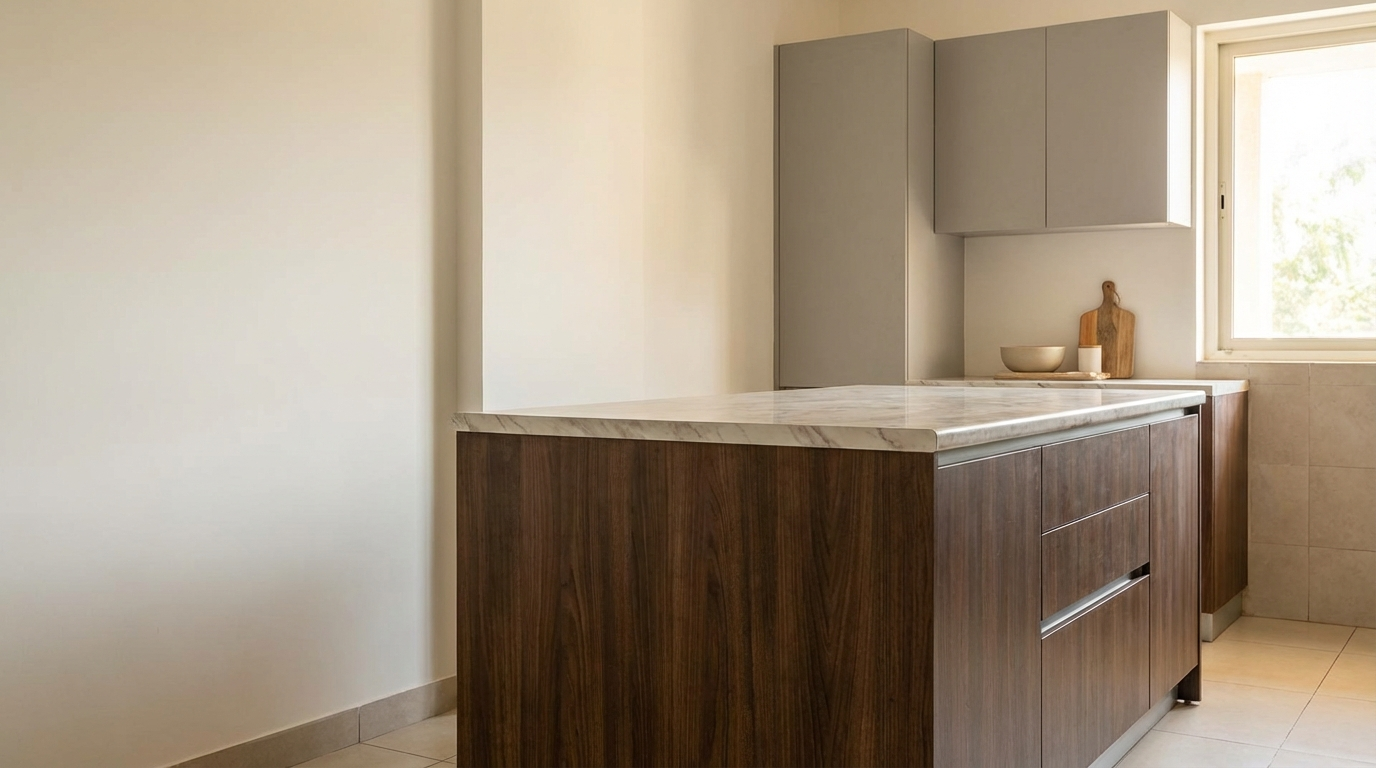
Fabric Laminate: Textured Finish for Modern Interiors
Discover fabric laminate sheets for modern interiors. Textured finish, design options, price & applications. Perfect for wardrobe shutters & wall panels.
Quick Answer: What is Fabric Laminate?
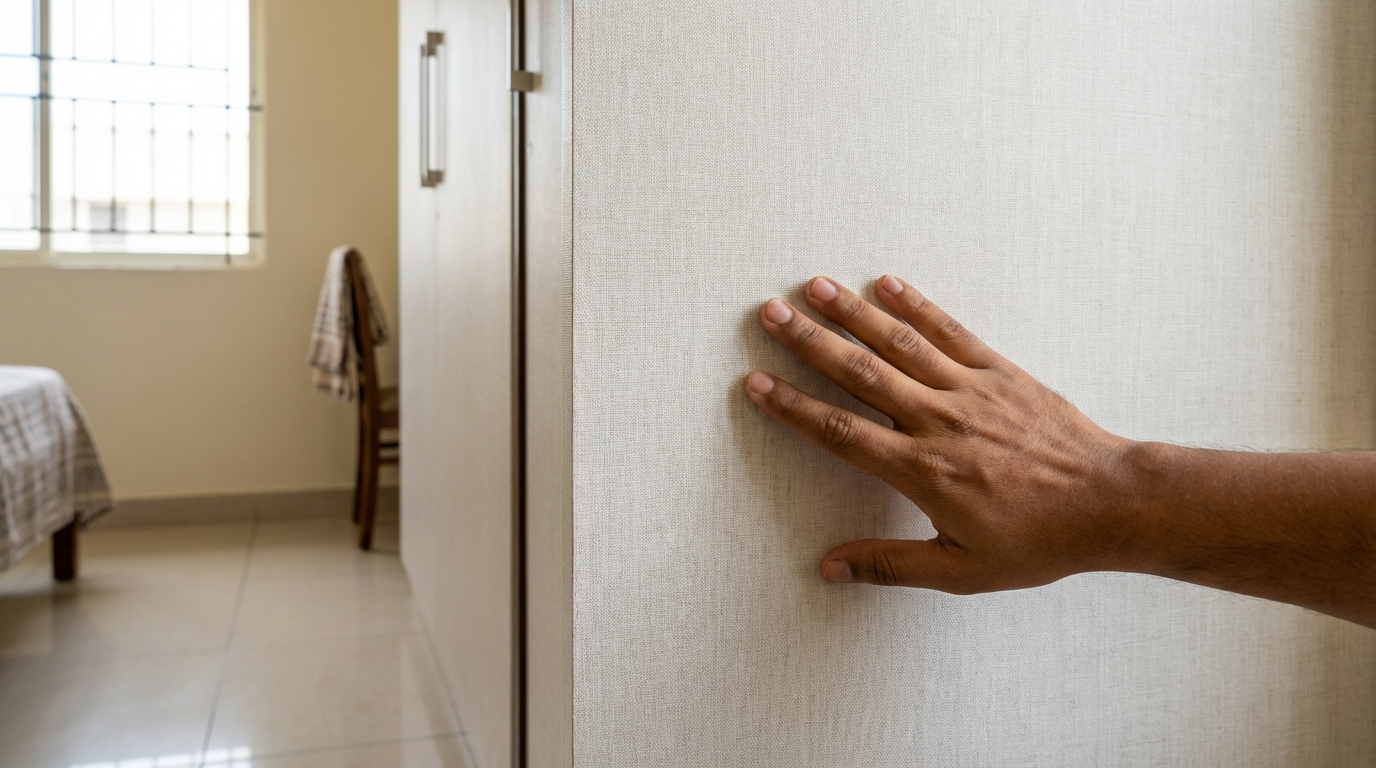
Fabric laminate is a high-pressure decorative laminate sheet featuring surface textures that replicate the visual appearance and tactile feel of natural textiles such as linen, cotton, silk, and burlap. Fabric laminates are a category of laminates that render aesthetics and utility by giving the effect of fabric on the laminates.
In simple terms, fabric laminate gives you the luxurious look and soft feel of real fabric without the maintenance challenges, staining risks, or durability concerns associated with actual textiles. According to plyprice.com's analysis of 100+ laminate brands, fabric-textured laminates have emerged as one of the fastest-growing segments in India's decorative surface market, particularly for wardrobe shutters, wall panels, and premium furniture applications.
- Standard sheet size: 8x4 feet (2440mm x 1220mm)
- Available thicknesses: 0.8mm, 1mm, and 1.25mm
- Price range: ₹45-150 per sq ft depending on brand and finish quality
- Best applications: Wardrobe shutters, bedroom furniture, accent walls, headboards
- High-traffic spaces including living rooms, bedrooms, and dining areas are perfect for this fabric laminate texture because it looks authentic and is extremely resistant to stains, scratches, and moisture damage.
- Manufacturing process: Multiple layers of resin-soaked decorative paper pressed under high heat and pressure
- Lifespan: 10-15 years with proper maintenance
What Exactly is Fabric Laminate Texture?
Fabric laminate texture is a rising trend in the world of interior design, offering a unique combination of visual appeal and practical benefits. Unlike standard smooth or glossy laminates, fabric-textured laminates feature embossed or printed patterns that mimic the intricate weave patterns of natural textiles.
Adding the softness and texture of fabric to your living spaces is possible with fabric laminate texture, which is a flexible substitute. These laminates imitate the texture and appearance of several textiles, including velvet, suede, and linen.
The manufacturing process involves saturating layers of decorative paper and kraft paper with thermosetting resins, then pressing them together under intense heat (approximately 140-150°C) and pressure (70-100 kg/cm²). These laminates are formed by pressing layers of resin-soaked paper or cloth together under intense heat and pressure to produce a surface material that is resilient.
Why Fabric Laminate is Gaining Popularity in Indian Homes
Plyprice.com's research indicates that fabric laminates have seen a 35-40% increase in demand across metro cities since 2023. Fabric laminate texture adds a layer of softness to your interiors, bringing warmth and coziness to your space. It mimics the texture of fabric, offering a sophisticated yet approachable aesthetic.
Indian homeowners particularly appreciate fabric laminates because they offer the premium look of upholstered surfaces without the challenges of dust accumulation, monsoon humidity damage, or termite concerns that affect real fabric in Indian climate conditions.
Fabric Laminate Full Form and Terminology
In the Indian market, fabric laminate is also referred to by several names:
- Fabric texture laminate / Fabric finish laminate
- Textile laminate / Linen laminate
- Cloth-look sunmica (common in North India)
- Woven texture HPL (High Pressure Laminate)
Types of Fabric Laminate Available in India
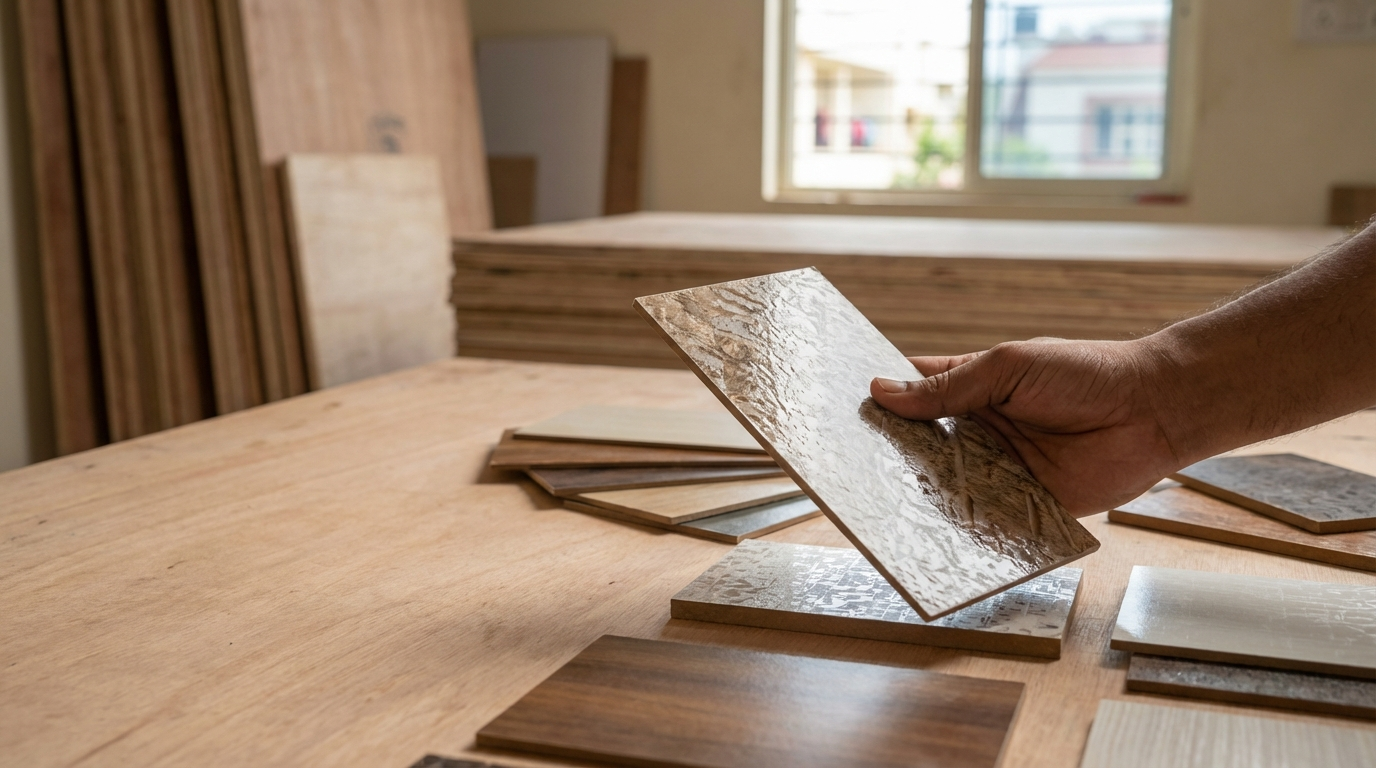
Fabric laminates come in diverse texture variations that cater to different design preferences and applications. Fabric-Inspired Surfaces mimicking linen or silk texture introduce softness and luxury to the space. Textured luxury laminates allow for an immersive sensory design experience.
| Fabric Laminate Type | Texture Characteristics | Best Applications | Price Range (₹/sq ft) | Availability in India |
|---|---|---|---|---|
| Linen Texture | Fine crosshatch weave pattern | Wardrobes, wall panels, bedroom furniture | ₹50-90 | High (all major brands) |
| Burlap/Jute Texture | Coarse, natural fiber appearance | Accent walls, rustic furniture | ₹45-80 | Medium |
| Silk/Satin Texture | Smooth with subtle sheen | Premium wardrobes, headboards | ₹70-120 | Medium-High |
| Cotton Weave Texture | Soft, matte natural appearance | Living room furniture, TV units | ₹55-95 | High |
| Velvet/Suede Texture | Soft, luxurious tactile feel | Premium interiors, hospitality | ₹80-150 | Limited (premium brands) |
| Tweed Texture | Multi-colored woven pattern | Office furniture, commercial spaces | ₹60-100 | Medium |
Which Fabric Laminate for Wardrobes and Bedrooms?
Perfect for areas like living rooms or bedrooms, where comfort is key, fabric laminates can be combined with natural materials like wood for a soothing contrast. This texture brings a subtle, sophisticated charm to interiors, emulating the delicate weave of natural linen fabric. This texture adds depth and warmth, making spaces feel inviting yet refined.
For wardrobe shutters, plyprice.com recommends linen or cotton-texture laminates in 1mm thickness for optimal durability and premium appearance. Muted tones like beige, grey, or off-white fabric laminates work exceptionally well for creating calming bedroom environments.
Which Fabric Laminate for Living Rooms and Feature Walls?
Abstract and Fabric Textures are the best decorative laminates for feature walls and creative spaces because of their unique designs and fabric-like finishes, which add an engaging and dynamic touch to your interior areas.
Ideal for cabinetry, wall panels, or furniture surfaces, linen laminates complement both contemporary and traditional designs.
Which Fabric Laminate for Offices and Commercial Spaces?
For commercial applications, tweed and burlap-texture laminates offer a professional yet warm aesthetic. These textures effectively hide fingerprints and minor scratches—essential for high-traffic office environments. As detailed in plyprice.com's pricing database, commercial-grade fabric laminates with anti-bacterial properties are priced 15-25% higher than standard options but offer superior longevity.
Technical Specifications of Fabric Laminates
Understanding technical specifications helps ensure you select the right fabric laminate for your specific application. Standard laminate thicknesses range from 0.8 MM to 1 MM and are often used for furniture. They strike a nice mix between price and durability.
| Specification | 0.8mm Fabric Laminate | 1mm Fabric Laminate | 1.25mm Fabric Laminate |
|---|---|---|---|
| Weight (per sheet) | 3.5-4 kg | 4.5-5 kg | 5.5-6 kg |
| Standard Size | 8x4 feet | 8x4 feet | 8x4 feet |
| Density | 1.35-1.40 g/cm³ | 1.35-1.45 g/cm³ | 1.40-1.50 g/cm³ |
| Surface Wear Resistance | 300-400 cycles | 400-500 cycles | 500+ cycles |
| Heat Resistance | Up to 140°C | Up to 180°C | Up to 180°C |
| Best Application | Vertical surfaces, wall panels | Furniture, wardrobes | High-traffic commercial |
| Price Range (₹/sheet) | ₹700-1,500 | ₹1,000-2,500 | ₹1,500-3,500 |
1mm laminate is better for wardrobe than 0.8mm laminate. Thinner laminates, like 0.6-0.8mm, are lightweight and flexible, suitable for vertical applications like wall coverings or wardrobe panels. They might not withstand prolonged usage well.
Top Brands Manufacturing Fabric Laminate in India
The best laminate brands in India are Royale Touche, Greenlam, CenturyPly, and Merino, which are known for their quality and variety. Most of these leading brands offer fabric-texture options in their premium collections.
| Brand | Fabric Laminate Range | Price Segment | Key Feature | Pan-India Availability |
|---|---|---|---|---|
| Royale Touche | Fabrics Collection | Premium (₹100-150/sq ft) | 4x scratch resistance, anti-bacterial | High |
| Greenlam | Textured Series | Mid-Premium (₹70-110/sq ft) | Eco-certified, 450+ designs | Very High |
| Merino | Fabric Finish Range | Mid-Premium (₹65-100/sq ft) | 35+ finishes available | Very High |
| Century Laminates | Textured Collection | Mid (₹55-90/sq ft) | ViroKill technology | Very High |
| Amulya Mica | Fabric Texture Series | Budget-Mid (₹45-75/sq ft) | Latest mica designs | High |
| Virgo Laminates | Fabric Finish Options | Mid (₹50-85/sq ft) | Compact laminate expertise | Medium-High |
| Advance Laminates | Fabric Texture Range | Budget-Mid (₹40-70/sq ft) | Zero Finish Technology | Medium |
Note: This is independent editorial content. Plyprice.com is not affiliated with any of the brands mentioned above. Please verify current specifications and prices with authorized dealers.
Common Misconceptions About Fabric Laminate Cleared
Based on plyprice.com's analysis of customer queries, here are the most common myths about fabric laminates:
Myth 1: Fabric laminates feel exactly like real fabric
Reality: While fabric laminates have textured surfaces that mimic textile patterns, they have a hard, resin-based feel. The visual effect is remarkably similar to fabric, but the tactile experience differs from actual textiles.
Myth 2: Fabric laminates are more delicate than other laminates
Reality: Beyond their visual appeal, these laminates are durable and easy to maintain, offering a doable solution for high-traffic areas.
Myth 3: Fabric laminates cannot be used in humid areas
Reality: Like all HPL laminates, fabric-textured laminates are moisture-resistant (not waterproof). They perform well in bedrooms and living rooms even during Indian monsoons but aren't recommended for direct water exposure areas.
Myth 4: Fabric texture laminates fade quickly
Reality: Scratch-resistant high-definition fabric laminates are resistant to fading by light and anti-bacterial laced with human-safe chemicals.
Myth 5: Only expensive brands offer good fabric laminates
Reality: Several mid-range brands offer quality fabric-texture laminates. The key is checking thickness (prefer 1mm for furniture), verifying ISI certification, and examining sample sheets before purchase.
Myth 6: Fabric laminates require special maintenance
Reality: Maintenance is identical to standard laminates—regular dusting and occasional wiping with a damp cloth is sufficient.
Advantages and Limitations: Honest Assessment
Plyprice.com recommends understanding both benefits and drawbacks before investing in fabric laminates:
| Advantages | Limitations |
|---|---|
| Premium textile appearance without fabric maintenance | Higher cost than plain or woodgrain laminates (20-40% more) |
| Excellent scratch and stain resistance | Limited color options compared to solid laminates |
| Adds warmth and texture to modern minimalist interiors | Deep texture grooves can accumulate dust over time |
| Hides fingerprints better than glossy finishes | Not suitable for kitchen countertops or wet areas |
| Moisture-resistant for Indian humidity conditions | Repairing damage requires full panel replacement |
| Long lifespan of 10-15 years | May look dated if design trends shift significantly |
| Easy cleaning with damp cloth | Premium brands have longer delivery times |
| Available in various thicknesses for different applications | Availability limited in tier-3 cities |
Workarounds for Limitations:
- For cost concerns: Mix fabric laminates with plain laminates—use fabric texture on visible surfaces (shutter fronts) and economical plain laminates for interiors
- For dust accumulation: Choose linen textures with shallow patterns rather than deep burlap textures
- For availability: Order from metro city dealers with pan-India shipping or explore online platforms
Best Applications in Indian Homes
Modern interior design is about creating spaces that feel warm, functional, and visually engaging. Flat and glossy finishes are no longer enough. Homeowners and designers now prefer surfaces that bring depth and character.
Room-by-Room Recommendations
Bedrooms: Fabric laminates excel on wardrobe shutters, headboard panels, and dressing units. Linen and cotton textures in neutral tones create calming sleeping environments. Recommended thickness: 1mm for wardrobe shutters.
Living Rooms: Feature walls with fabric laminate panels add sophistication. TV unit backs and display cabinet fronts benefit from the premium texture. Recommended thickness: 1mm or 1.25mm for high-visibility areas.
Study/Home Office: Tweed-texture laminates on desks and shelving create a professional atmosphere conducive to focus. The texture helps reduce glare from desk lamps.
Children's Rooms: Soft fabric textures are safer and warmer-looking than glossy surfaces. Choose stain-resistant options from premium brands for easy cleanup.
Pooja Rooms: Silk-texture fabric laminates in gold, cream, or traditional colors add auspicious elegance without the dust-collection issues of actual fabric hangings.
Climate-Based Considerations for India
North India (Delhi, Punjab, UP): Extreme temperature variations don't significantly affect fabric laminates. Ensure proper edge sealing to prevent delamination during dry winters.
South India (Chennai, Bangalore, Kerala): Year-round humidity is manageable for fabric laminates on vertical surfaces. Avoid using in poorly ventilated areas where moisture can accumulate behind panels.
Coastal Areas (Mumbai, Goa, Kerala coast): Salt air doesn't damage laminate surfaces, but ensure the substrate plywood is BWR or BWP grade to prevent core damage from humidity.
Quality Verification Without Lab Tests
Use these practical methods to verify fabric laminate quality at the dealer shop:
- Texture Consistency Check: Run your hand across multiple sheets from the same batch—texture depth and pattern should be uniform
- Edge Inspection: Check all four edges for delamination, chips, or uneven layering
- Flexibility Test: Gently flex a corner—quality laminates should have controlled flexibility without cracking
- Color Batch Matching: Compare sheets from the same order—color variations indicate inconsistent manufacturing
- Scratch Test (with permission): Use your fingernail on a corner—quality laminates shouldn't scratch easily
- ISI Mark Verification: Look for IS:2046 certification stamp on sheets
- Resin Smell: Strong chemical odor indicates poor curing—quality laminates have minimal smell
- Weight Check: Heavier sheets (within same thickness category) typically indicate better density
Questions to Ask Your Dealer
- What is the manufacturing date of these sheets?
- Is this lot from the same batch for color consistency?
- What warranty does the manufacturer provide?
- Do you have the matching edge band for this design?
- What's the return policy for damaged sheets?
- Can you provide the brand's technical data sheet?
Care, Maintenance, and Longevity
Proper maintenance can extend fabric laminate life to 15+ years:
Daily Care:
- Dust with soft, dry microfiber cloth
- Wipe spills immediately to prevent staining
- Avoid placing hot items directly on surface
Weekly Cleaning:
- Clean with slightly damp cloth (not wet)
- Use mild soap solution for stubborn marks
- Dry immediately after damp cleaning
What to Avoid:
- Abrasive cleaners or scrubbing pads
- Bleach or harsh chemical cleaners
- Excessive water that can seep into edges
- Sharp objects that can scratch the surface
Monsoon Precautions: During heavy monsoon months, ensure rooms with fabric laminate furniture have adequate ventilation. Use silica gel packets inside closed wardrobes to absorb excess moisture.
Price Guide: What to Expect in 2026
The laminate cost per square foot lies between ₹56.25 per sq.ft. (high gloss laminate sheets price) to ₹350 per sq.ft. (PVC laminate cost). Fabric laminates typically fall in the mid-to-premium segment.
Fabric laminates are priced at approximately Rs. 3800 per sheet from premium brands, while budget options start around ₹700-900 per sheet.
Regional Price Variations:
- Metro cities (Delhi, Mumbai, Bangalore, Chennai): Standard retail pricing
- Tier-2 cities: 5-10% higher due to transport costs
- Tier-3 cities and remote areas: 10-20% higher with limited brand availability
Budget Planning Tips:
- Calculate total sq ft required plus 10% wastage allowance
- Compare dealer prices with online platforms for best rates
- Buy in bulk for large projects to negotiate better pricing
- Factor in edge banding costs (matching fabric texture bands cost ₹3-8 per running foot)
Fabric Laminate vs Other Laminate Types
| Feature | Fabric Laminate | Woodgrain Laminate | Glossy Laminate | Matte Laminate |
|---|---|---|---|---|
| Texture | Embossed textile pattern | Wood grain emboss | Smooth, reflective | Smooth, non-reflective |
| Fingerprint Visibility | Low | Low | High | Medium |
| Price (₹/sq ft) | ₹45-150 | ₹35-120 | ₹40-130 | ₹35-100 |
| Best Rooms | Bedrooms, offices | Living rooms, kitchens | Modern kitchens, retail | All-purpose |
| Design Options | Moderate | Extensive | Limited | Extensive |
| Scratch Visibility | Low | Medium | High | Medium |
Frequently Asked Questions
What is fabric laminate and how is it different from regular laminate?
Fabric laminate is a high-pressure decorative laminate with surface textures that replicate the appearance and feel of natural textiles like linen, cotton, silk, or burlap. Unlike regular smooth or glossy laminates, fabric laminates feature embossed patterns that create depth and tactile interest. The manufacturing process is similar—layers of resin-soaked paper pressed under heat and pressure—but the top decorative layer and pressing dies create the distinctive fabric-like texture. Regular laminates have smooth or simple textured surfaces, while fabric laminates specifically mimic woven textile patterns.
Is fabric laminate waterproof and suitable for kitchens?
Fabric laminates are moisture-resistant but not waterproof. They can handle normal humidity and occasional splashes without damage, making them suitable for wardrobe interiors and bedroom furniture even during Indian monsoons. However, they're not recommended for kitchen countertops, sink areas, or bathroom surfaces where direct water exposure is frequent. For kitchens, use fabric laminates only on cabinet doors and drawer fronts (vertical surfaces) with proper edge sealing, not on horizontal working surfaces. Ensure the underlying plywood is BWR grade for added moisture protection.
How long do fabric laminates last in Indian climate conditions?
With proper installation and maintenance, fabric laminates typically last 10-15 years in Indian homes. Quality and longevity depend on brand, thickness (1mm lasts longer than 0.8mm), installation quality, and maintenance practices. In humid South Indian cities or coastal areas, ensure good ventilation to maximize lifespan. The resin bonding makes fabric laminates resistant to the humidity fluctuations common during monsoons. Avoid direct sunlight exposure on large surfaces to prevent potential color fading over extended periods.
What thickness of fabric laminate should I choose for wardrobes?
1mm laminate is better for wardrobe than 0.8mm laminate. For wardrobe shutters and exterior surfaces, always choose 1mm thickness for optimal durability, screw-holding capacity, and premium appearance. The 0.8mm option is acceptable only for wardrobe interiors or budget-constrained projects where visibility is limited. Colours, textures and varieties available are more in 1mm than 0.8mm laminates. For commercial wardrobes or high-use areas, consider 1.25mm thickness for maximum longevity.
Which is the best brand for fabric laminate in India?
The best laminate brands in India are Royale Touche, Greenlam, CenturyPly, and Merino, which are known for their quality and variety. For fabric laminates specifically, Royale Touche offers an extensive Fabrics Collection with superior scratch resistance. Merino offers 1200+ SKUs, 500+ designs, 35+ finishes, 11 varied sizes and thickness varying from 0.5mm to 30mm. Greenlam Laminates – Asia's largest laminate sheets company- offers premium laminate sheets popularly known as sunmica sheet, in plenty of designs and textures for interiors. The best choice depends on your budget, design preference, and local availability.
What is the price range of fabric laminate per square foot in India?
Fabric laminate prices in India range from ₹45-150 per square foot depending on brand, thickness, and texture complexity. Budget brands offer basic fabric textures at ₹45-65 per sq ft, mid-range brands at ₹65-100 per sq ft, and premium brands at ₹100-150 per sq ft. Laminates from top brands in India range between ₹700 to ₹2,000 per sheet, depending on quality and design. Metro city prices are typically 5-15% lower than tier-2 and tier-3 cities due to better dealer networks and competition.
Can fabric laminate be used for wall paneling?
Yes, fabric laminates are excellent for wall paneling and feature walls. Wall Paneling: Building focal walls with laminates introduces texture and visual interest into living rooms and bedrooms. Fabric laminates on wall panels paired with metal-framed furniture can bring out the best of both worlds—soft and hard elements working together to create a balanced, chic interior. For wall applications, 0.8mm thickness is sufficient since walls don't experience the wear that furniture surfaces do. Ensure the backing substrate (plywood or MDF) is properly fixed and the room has adequate moisture control.
How do I clean and maintain fabric laminate furniture?
Fabric laminate maintenance is simple and similar to regular laminates. For daily care, dust with a soft, dry microfiber cloth. For weekly cleaning, use a slightly damp cloth with mild soap solution, then dry immediately. Avoid abrasive cleaners, bleach, or scrubbing pads that can damage the textured surface. The embossed texture may accumulate dust in grooves over time—use a soft brush attachment on vacuum for periodic deep cleaning. During monsoons, maintain room ventilation to prevent moisture buildup behind panels.
Is fabric laminate termite-proof?
Laminates themselves are generally not susceptible to termites as they are made of paper and resin. However, the underlying wood (like plywood or MDF) should be termite-proof. The resin-based composition of fabric laminates doesn't attract termites. However, the substrate (plywood, MDF, or particle board) underneath requires termite treatment. Always use borer-and-termite treated plywood for furniture in termite-prone areas. Additionally, maintaining a gap between furniture and walls helps prevent termite migration from walls to furniture.
Can fabric laminate be painted or refinished?
Painting over fabric laminate is technically possible but not recommended. The textured surface doesn't bond well with paint, and you'll lose the premium fabric appearance that makes these laminates valuable. If the laminate is damaged or you want a different look, replacement is the better option. Some specialized laminate paints exist, but results are inconsistent on textured surfaces. For minor scratches, some brands offer touch-up solutions that blend with the original finish.
What substrate works best with fabric laminate?
For fabric laminates, the recommended substrates are commercial plywood (MR grade) for dry areas and BWR plywood for areas with occasional humidity exposure. MDF also works well for wardrobe interiors and provides a smooth bonding surface. Avoid particle board for exterior applications as it lacks the screw-holding strength for hinges and handles. For wall panels, 6mm MDF or commercial plywood backed with battens provides adequate support. Always ensure the substrate is flat—any unevenness will show through on the laminated surface.
Are fabric laminates available in anti-bacterial options?
Yes, several premium brands offer anti-bacterial fabric laminates. Being a prominent leader in the laminate arena, we curate fabric laminates of high-quality, numerous designs to spoil our customers for choice, and seal the deal with features like anti-bacterial, resistivity to fading by light, and not one or two but four times the scratch resistance! Laminate sheets come with a number of distinct properties such as antibacterial, fire retardant, scratch and impact resistance. These are particularly valuable for children's rooms, healthcare settings, and post-pandemic conscious consumers. Anti-bacterial options typically cost 15-25% more than standard fabric laminates.
How does fabric laminate compare to actual fabric upholstery?
Fabric laminate offers the visual appeal of textiles with significantly better durability and lower maintenance. Unlike actual fabric, laminate doesn't absorb stains, accumulate dust mites, require dry cleaning, or attract moths. It's more suitable for Indian conditions where humidity, dust, and monsoons challenge real fabric surfaces. However, actual fabric provides genuine softness and breathability that laminates cannot replicate. For surfaces you touch frequently (like sofa cushions), real fabric is preferable; for visual surfaces like wardrobe fronts or wall panels, fabric laminate offers practical advantages.
What edge banding should I use with fabric laminate?
For best results, use matching fabric-texture edge bands from the same brand and design series. These ensure color and pattern continuity at edges. Fabric-texture edge bands are available in 22mm and 45mm widths, priced at ₹3-8 per running foot. If matching bands aren't available, choose a complementary solid-color band in a tone picked from the fabric laminate pattern. PVC edge bands with wood-glue adhesive work well; for premium results, use ABS edge bands applied with edge banding machines by your carpenter.
Can fabric laminate be used on curved surfaces?
Standard fabric laminates (0.8mm-1mm) have limited flexibility and aren't suitable for tight curves. For curved applications like round columns or curved cabinet doors, specialized flexible laminates or post-forming grade laminates are required—these are different from standard fabric-texture HPL. Some manufacturers offer fabric textures in post-forming grades, but options are limited. For curved furniture elements, consider using fabric laminate on flat surfaces and complementary veneer or paint finishes on curved sections.
Making the Right Choice for Your Home
Fabric laminate texture offers a perfect combination of elegance, versatility, and durability, making it an ideal choice for modern interiors. When selecting fabric laminates for your Indian home, prioritize reputable brands with good after-sales support, choose appropriate thickness for your application, and always inspect physical samples before ordering large quantities.
Plyprice.com recommends consulting with experienced interior designers or trusted carpenters who have worked with fabric laminates previously. Their practical insights on local availability, application techniques, and brand performance in your specific climate region can help ensure a successful outcome for your interior project.
For the latest fabric laminate prices, brand comparisons, and dealer information in your city, explore plyprice.com's comprehensive laminate price lists and material guides.
Disclaimer: This content is provided for general informational purposes based on industry practices and publicly available information. Product specifications, standards, prices, and availability may vary by manufacturer, region, and time. Readers should independently verify details with manufacturers, dealers, or qualified professionals before making purchase or construction decisions.Want Plywood Suggestions?
Share a few details and a PlyPrice specialist will suggest suitable brands and connect you to responsive dealers.