Best Plywood for Wall Paneling: Veneer, Fluted and Acoustic Panels
The best plywood for wall paneling is a smooth-faced sheet in a grade matched to the wall's moisture: MR for dry interior walls and BWR where monsoon damp or seepage is likely. Veneer, fluted and acoustic panels each need different thickness and finishing.
Last updated: . Grades and standards checked against current BIS standards.
Why Plywood Excels for Wall Paneling in Indian Interiors
In Indian homes, where living room walls often face humidity swings from monsoons to dry summers, plywood paneling offers a versatile upgrade over paint or tiles. It transforms plain surfaces into textured focal points, accommodating decorative veneers for elegance, fluted designs for dimension, and acoustic layers for sound control in open-plan spaces. Unlike rigid alternatives like gypsum boards, plywood flexes with minor structural shifts common in RCC frameworks, reducing cracks over time.
Buyers—homeowners seeking Instagram-worthy aesthetics, designers balancing budgets, or contractors prioritizing quick installs—must weigh moisture resistance against visual appeal. Interior walls demand less waterproofing than kitchens, but glue-line integrity prevents delamination in coastal or high-humidity zones like Mumbai or Kolkata.
Core Requirements for Wall Paneling Plywood
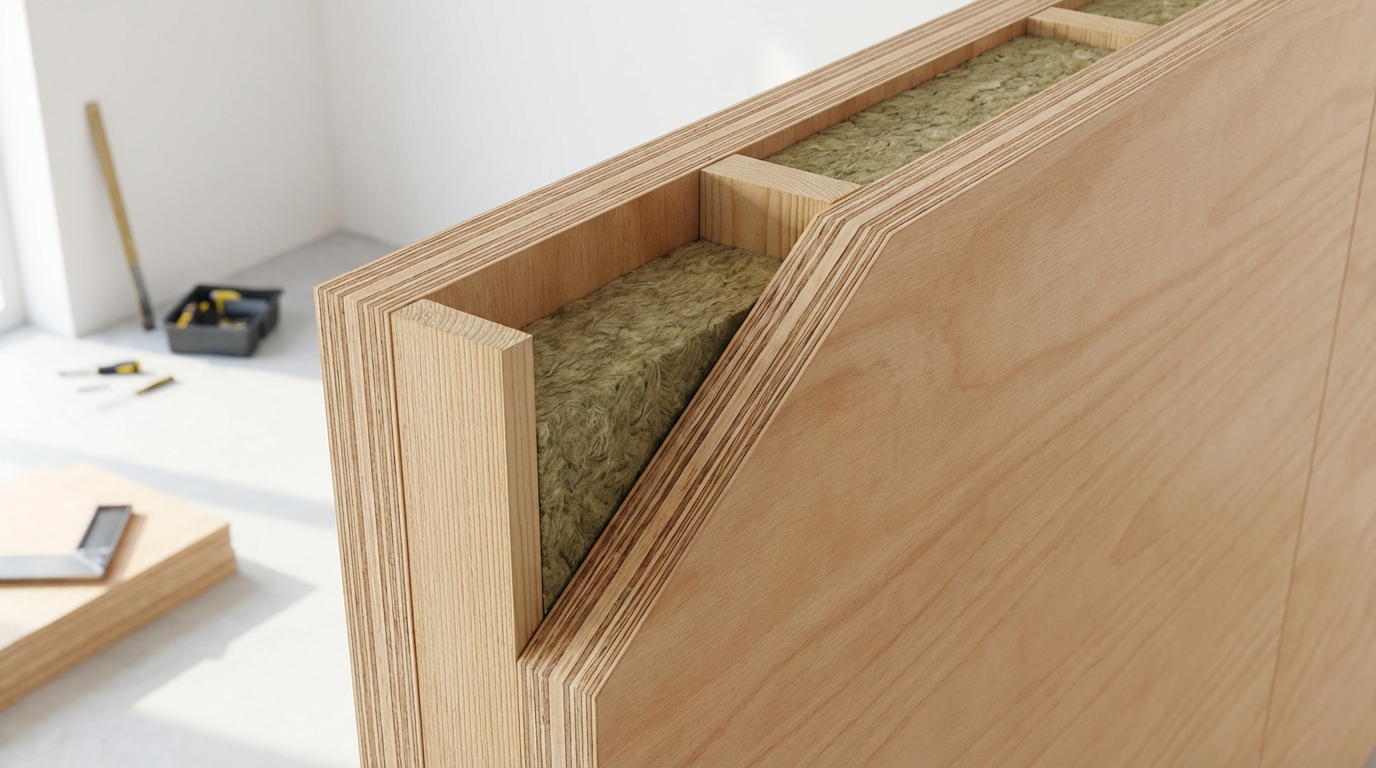
Plywood for walls prioritizes surface quality over structural load-bearing. Start with thickness: 6mm to 12mm suits most panels, balancing lightness for easy handling and rigidity to span studs spaced 400-600mm apart, as per Indian modular interior norms.
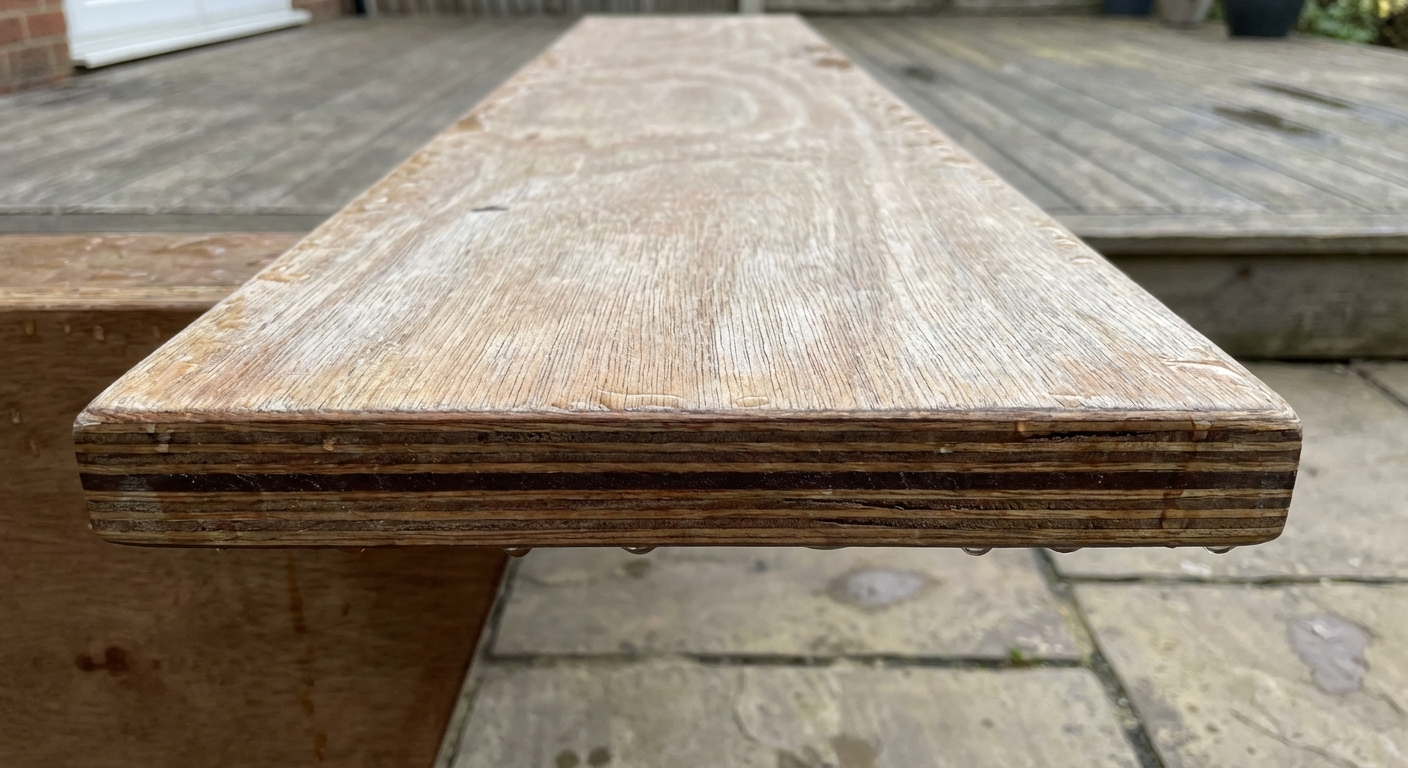
- Glue Line: Boiling Water Resistant (BWR) grade, which passes three cycles of 8-hour boiling and 16-hour drying under IS 303, is ideal for occasional spills or steam from adjacent kitchens.
- Surface: Smooth, knot-free faces ensure veneer adhesion; avoid rough shuttering grades meant for concrete formwork.
- Core Stability: Hardwood cores resist warping in 60-80% relative humidity typical of Indian living rooms.
- Emissions: E1 or better formaldehyde levels comply with GreenPro norms, crucial for family spaces.
ISI-marked sheets (IS 303 or IS 710) provide baseline assurance, though field tests like edge swelling under water reveal true performance.
Comparison of Plywood Grades for Wall Applications
| Grade | Glue Line | Best For | Humidity Tolerance | Typical Thickness Range | Cost Driver |
|---|---|---|---|---|---|
| MR (Moisture Resistant) | UF Resin | Budget veneers in dry interiors | Low (up to 50% RH) | 4-9mm | Thinner sheets, softwood core |
| BWR | PF Resin | Decorative & fluted panels nationwide | Medium-High (up to 80% RH) | 6-12mm | Hardwood plies, smoother faces |
| BWP (Boiling Water Proof) | Phenolic | Acoustic or humid-zone paneling | High (near-constant moisture) | 9-18mm | Premium resins, denser cores |
BWR strikes the optimal balance for 80% of Indian wall projects, offering veneer-ready surfaces without BWP's premium markup.
Selecting Plywood for Decorative Veneer Paneling
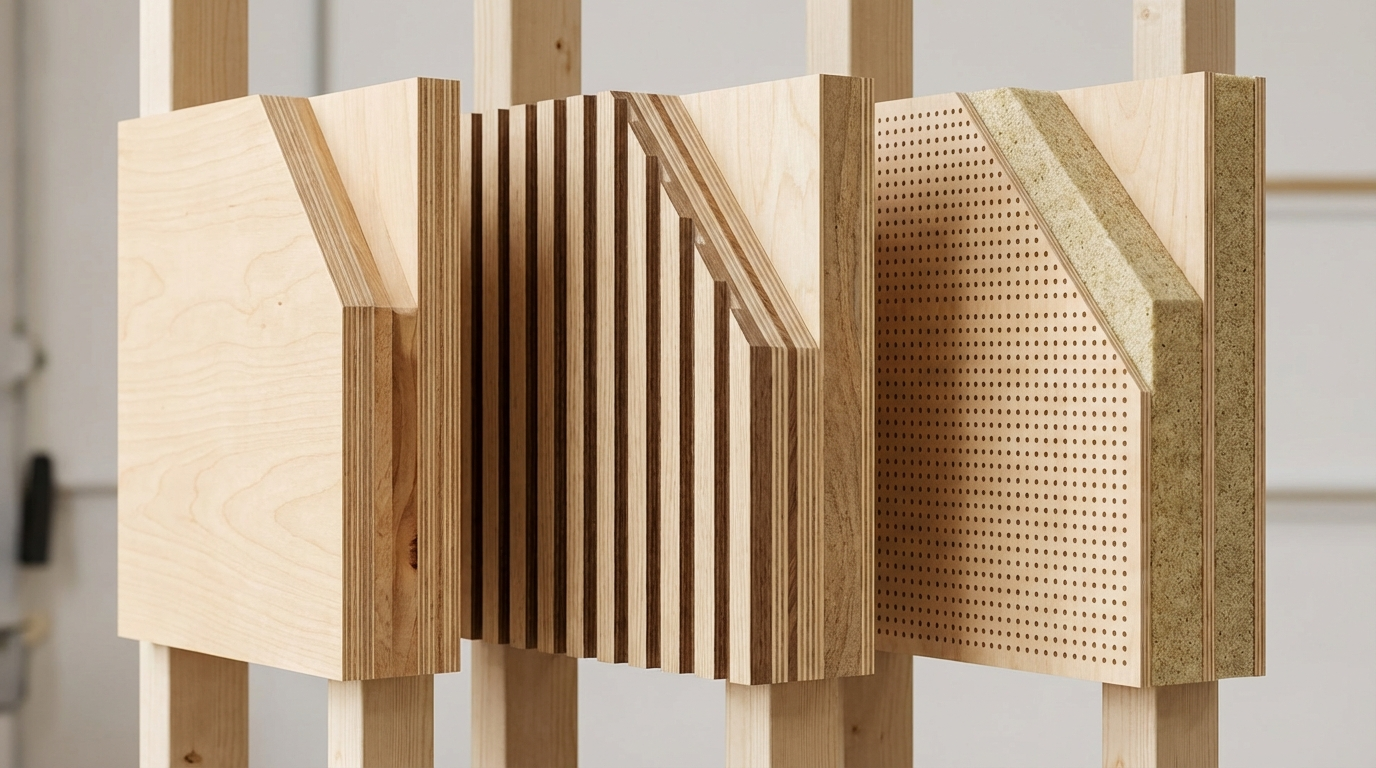
Decorative veneers—thin wood slices like teak, oak, or walnut laminates—elevate living room walls into premium textures. The base plywood must provide a flat, glue-absorbent canvas to prevent bubbling during hot-pressing.
In India, where veneer suppliers in Kerala or Uttar Pradesh dominate, match plywood faces to veneer thickness (0.6-1.2mm). BWR 8mm sheets with uniform density minimize telegraphing of core voids, a common flaw in cheaper MR grades exposed after 2-3 years.
Decision Logic for Homeowners and Designers
- Climate Fit: Coastal buyers opt for BWR+ anti-termite treatment; inland Delhi homes suffice with MR for AC-controlled spaces.
- Finish Compatibility: Pre-veneered plywood skips on-site lamination, reducing dust in urban apartments.
- Edge Banding: PVC or real-wood edges seal sides against humidity ingress.
A 9x6 ft BWR sheet veneered on-site costs relatively less than factory-finished due to dealer markups, but factory options ensure consistent adhesion in variable workshop conditions.
Optimal Plywood Choices for Fluted Wall Panels
Fluted panels, with vertical grooves for shadow lines and depth, demand plywood that grooves cleanly without splintering. Vertical grain machining on 12mm BWR or HDHMR (High-Density Moisture Resistant) yields sharp 5-10mm channels, popular in modern Pune or Bangalore living rooms mimicking luxury hotel aesthetics.
Why BWR over MR? MR cores fray during CNC routing, creating uneven flutes that highlight under LED lighting. HDHMR adds density for sharper profiles but swells more if untreated edges face direct moisture.
Processing and Sizing Insights
| Panel Type | Recommended Plywood | Groove Specs | Stud Spacing | Finish Layer |
|---|---|---|---|---|
| Standard Fluted | BWR 12mm | 5-8mm deep, 20-40mm pitch | 300-400mm | Laminate or paint |
| Wide Groove | HDHMR 12-15mm | 10mm deep, 50mm pitch | 400mm | Veneer for warmth |
| Accent Walls | BWP 9mm | Custom CNC | 600mm | UV oil |
Contractors favor pre-grooved sheets from mills in Gujarat, cutting site time by 40%, though custom routing allows matching room heights precisely.
Plywood for Acoustic Wall Paneling in Living Rooms
Open-plan Indian living rooms amplify TV dialogue and neighbor noise; acoustic plywood panels absorb mid-frequencies (500-4000Hz) via perforated or slotted designs backed by insulation like rockwool.
BWP or marine-grade plywood forms the substrate, resisting glue failure from fabric-wrapped moisture. Perforate at 8-12mm holes (20-30% open area) on 12-18mm sheets for NRC ratings of 0.6-0.9, sufficient for home theaters without overkill.
Layering Strategy for Effectiveness
- Base: BWP 18mm for cavity depth (50-100mm air gap boosts low-frequency absorption).
- Perforations: Slotted (long slits) outperform round holes for speech clarity.
- Backing: 50mm fiberglass or foam; avoid cheap fillers that sag in heat.
- Face: Fabric or perforated veneer hides mechanics while allowing sound passage.
In humid Chennai homes, BWP prevents core rot behind fabric; test panels in situ as room geometry alters performance.
Installation Best Practices Tailored to Indian Conditions
Mount panels on MS channels or wooden battens fixed to walls with nylon anchors, allowing 5-10mm ventilation gaps to evade condensation. Use PU adhesives for BWR/BWP bonds, curing faster than urea-formaldehyde in 30-40°C workshops.
- Pre-Install Checks: Level walls with plaster; prime for adhesion.
- Monsoon Prep: Seal edges with epoxy in high-rain areas.
- Tools: CNC for flutes, jigs for perforations—rent from local fabricators to control costs.
Cost Factors and Budgeting for Paneling Projects
Pricing varies by region: South India dealers offer 10-20% lower rates on BWR due to mill proximity, while North quotes factor transport. Base plywood forms 40-60% of total; veneers or machining add layers.
| Component | Relative Cost Share | Variability Drivers |
|---|---|---|
| Plywood Sheet (8x4 ft) | Base | Grade, thickness, origin (local vs imported core) |
| Veneer/Laminate | 20-40% | Species (teak higher), sqm coverage |
| Machining (Flute/Perfs) | 15-30% | CNC vs manual, complexity |
| Install/Labor | 20-25% | City wages, access challenges |
Scale up: Full-room paneling (200 sq ft) favors bulk BWR buys; small accents permit premium BWP without budget strain. Negotiate with wholesalers for 8-12% discounts on 50+ sheets.
Buyer Pitfalls and Long-Term Durability Tips
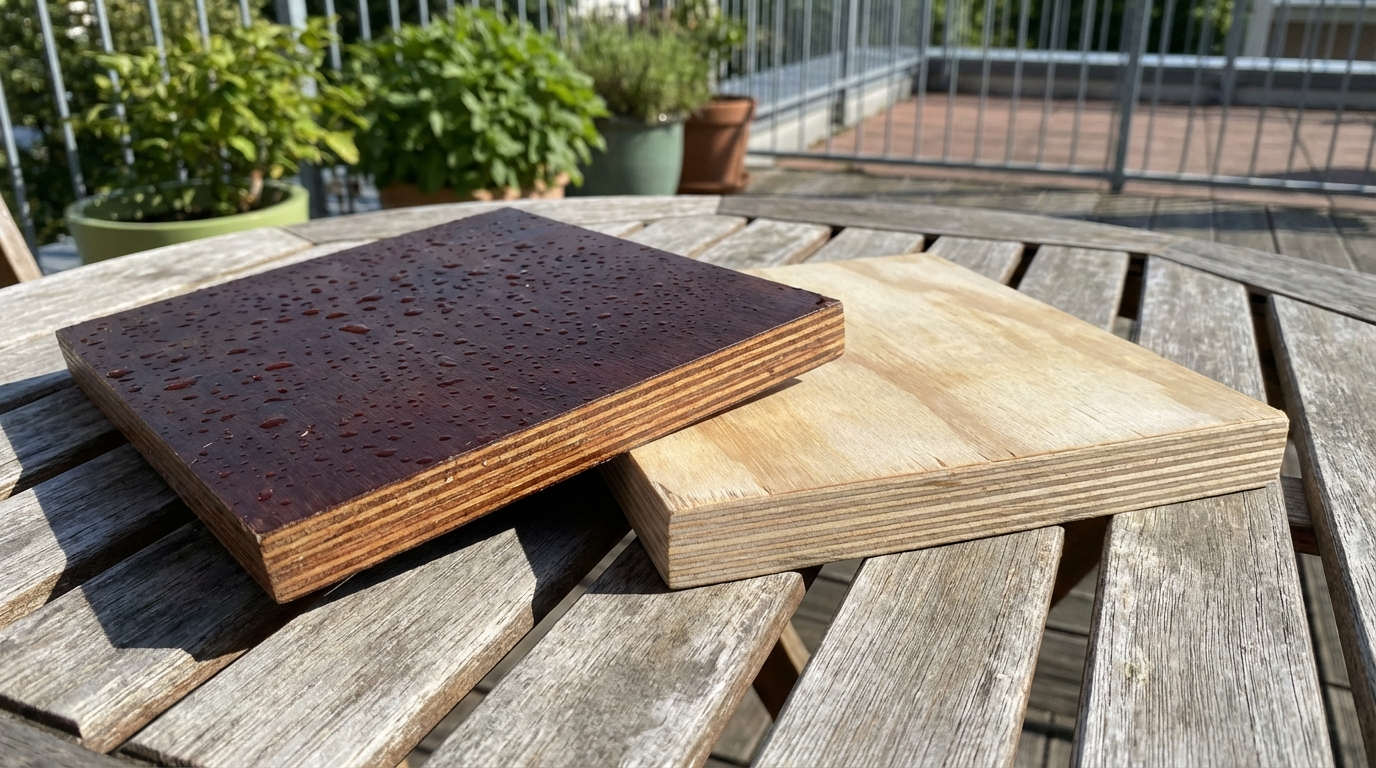
Common errors include skimping on BWR for cost, leading to veneer peel in 18-24 months, or ignoring core density, causing flute sags. Test samples: Submerge edges 24 hours; less than 10% swell signals quality.
For longevity, annual inspections catch termite entry at joints; UV-protect finishes in sunlit rooms. Designers: Specify in BOQs with tolerances—e.g., face flatness under 1mm—to hold contractors accountable.
Ultimately, align plywood grade with exposure: BWR for most, BWP where acoustics meet moisture, ensuring panels endure India's variable climates while delighting occupants.
Related guides on PlyPrice
Want Plywood Suggestions?
Share a few details and a PlyPrice specialist will suggest suitable brands and connect you to responsive dealers.