Birch Plywood Price in India: Imported Sheet Costs and Alternatives
Birch plywood in India is mostly imported from the Baltic region, Russia or Finland, so it costs well above local eucalyptus or poplar ply, with typical sheet prices around ₹3,200 to ₹7,000. Its all-birch veneers leave fewer voids and hold screws better.
Last updated: . Grades and standards checked against current BIS standards.
What Defines Birch Plywood in the Indian Market
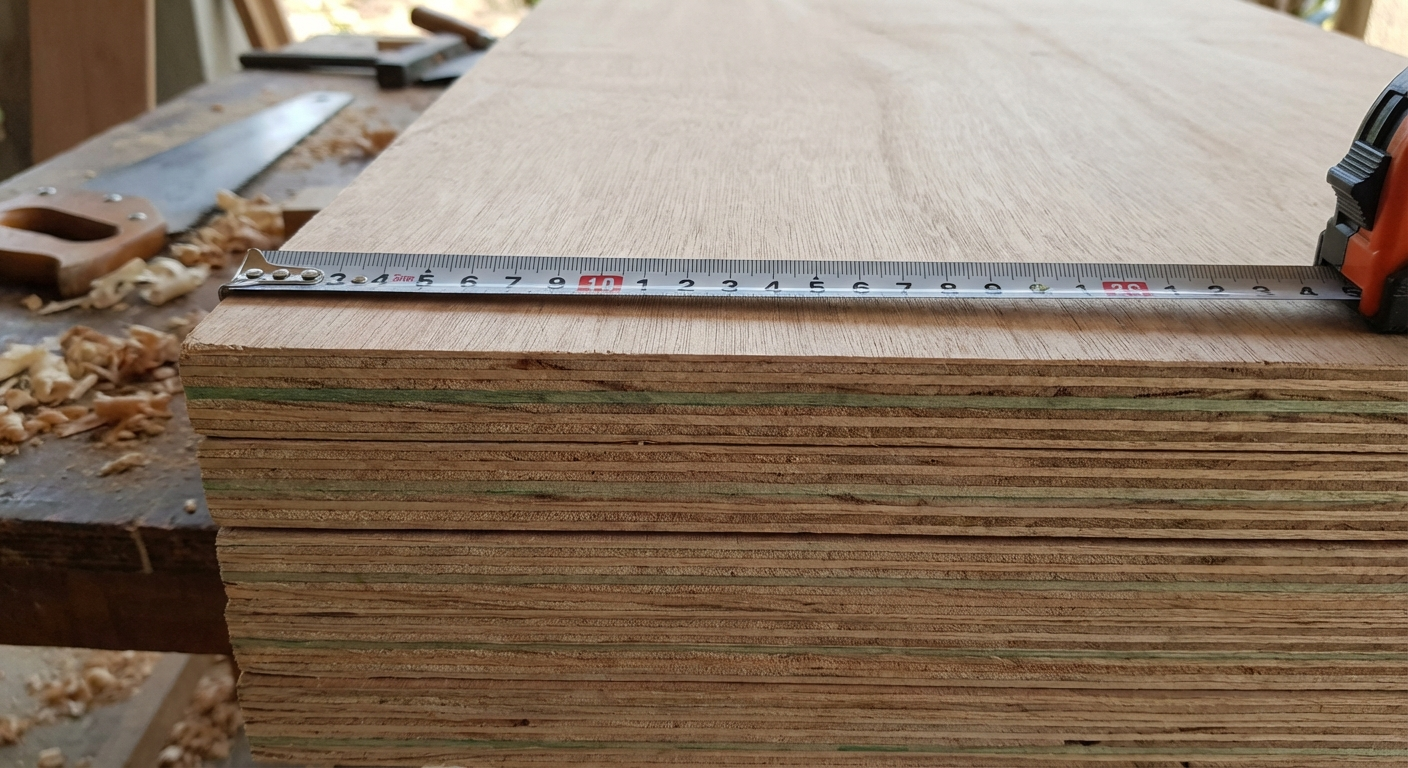
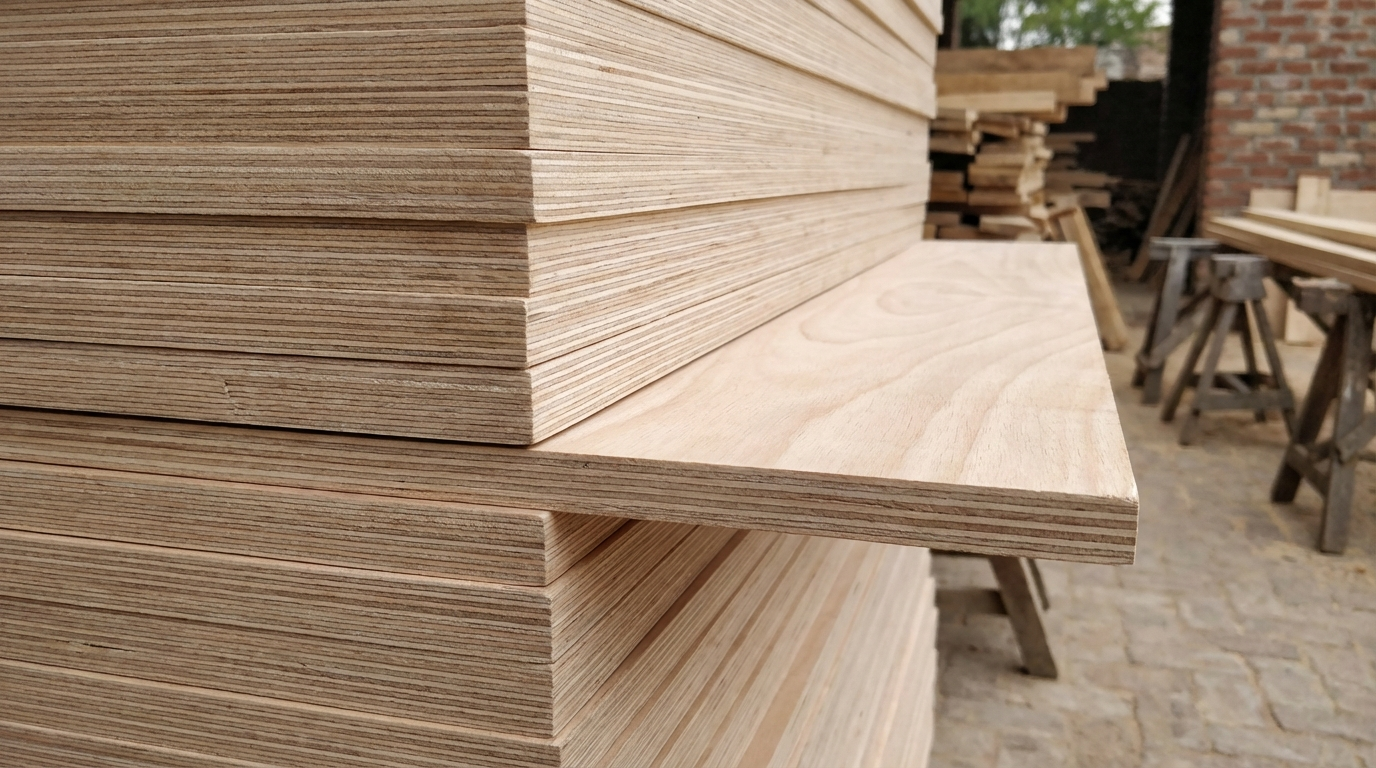
Birch plywood derives its name from the birch hardwood species, prized for its consistent grain pattern, pale coloration, and structural uniformity. Unlike domestic plywoods relying on eucalyptus or poplar cores, birch plywood features multiple thin veneers—all or mostly from birch—laminated cross-grain for enhanced stability. In India, this material arrives primarily as imports from Baltic regions, Russia, or Finland, entering through ports like Mumbai and Chennai.
Indian buyers encounter it in standard 8x4 feet sheets, with thicknesses spanning 4mm to 30mm. The all-hardwood construction minimizes voids, offering screw-holding strength superior to mixed-core alternatives. This appeals to furniture makers crafting modular kitchens or wardrobes, where visible edges demand precision machining. However, its import status elevates costs, prompting contractors to weigh it against local BWP-grade options for humid interiors.
Core Properties Driving Demand and Cost
Birch wood's density—around 600-700 kg/m³—exceeds softwoods, yielding plywood with bending strength 20-30% higher under load. Face veneers exhibit a fine, even texture, ideal for painting or laminating without telegraphing core imperfections. Glue lines use phenolic resins for BWP (boiling water proof) grades, suiting India's variable climates from Rajasthan's dry heat to Kerala's monsoons.
Grading follows international norms like BB/BB or CP/CP, where BB denotes minor knots and CP allows plugs. Indian dealers often stock CARB Phase 2 or E0 emission-compliant variants, aligning with growing eco-awareness among architects. Yet, not all sheets suit exterior use; MR-grade versions falter in prolonged moisture, limiting them to dry interiors.
Standard Sizes and Thickness Availability
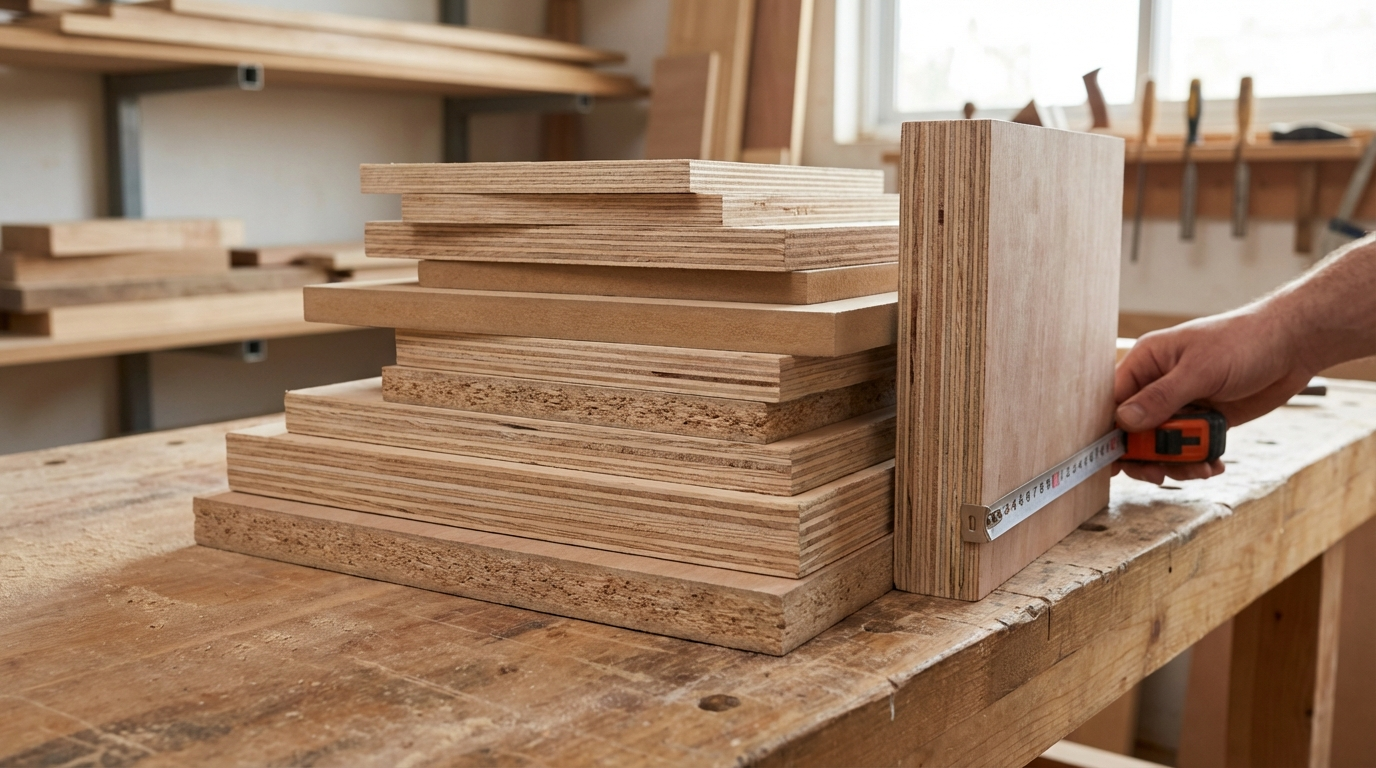
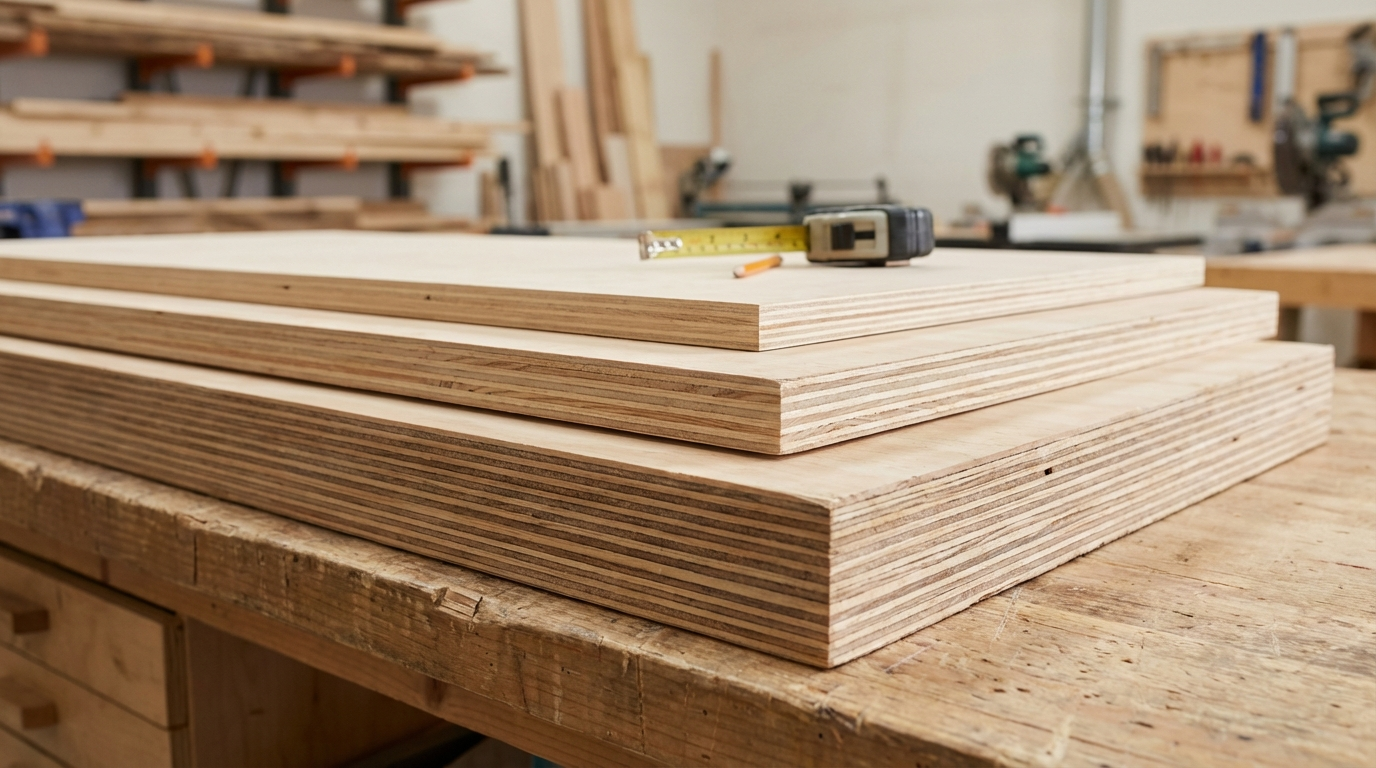
Most suppliers maintain 2440x1220mm (8x4 ft) as the baseline, occasionally offering 6x3 ft for small projects. Thickness progression ties to ply count: 6mm (5 plies), 12mm (9 plies), 18mm (13 plies), up to 24mm (17 plies). Thinner 3-4mm sheets cater to hobbyists or curved formwork, while 18-24mm dominate structural furniture.
| Thickness | Ply Count (Typical) | Common Applications |
|---|---|---|
| 4-6mm | 3-5 | Partitions, drawer bottoms |
| 9-12mm | 7-9 | Cabinets, shelves |
| 15-18mm | 11-13 | Worktops, beds |
| 24mm+ | 15+ | Heavy furniture, shuttering |
Primary Factors Shaping Birch Plywood Pricing
Prices stem from upstream supply chains: birch logs sourced from sustainable forests face logistics hurdles, including freight from Europe and 10-20% import duties under HS code 4412. Domestic processing adds freight to inland hubs like Delhi or Bangalore, inflating landed costs by 15-25%.
Thickness correlates directly—doubling from 12mm to 24mm can raise per sq ft rates by 50-80%. Glue type matters: BWP variants command 20-30% premiums over MR due to resin quality. Supplier tiers introduce variance: direct importers offer dealer rates 10-15% below retail chains.
Market dynamics amplify this. Post-2024 import surges from Vietnam and Nepal stabilized volumes but spiked unit prices amid anti-dumping probes on Russian origins. Fuel costs and rupee fluctuations add 5-10% quarterly swings. Regional transport—e.g., Kerala trucking—tacks on ₹5-10/sq ft.
- Volume Discounts: Contractors buying 50+ sheets negotiate 10-20% off.
- Grade Premiums: Void-free BB/BB exceeds CP/CPs by 15-25%.
- Seasonal Pressures: Pre-monsoon demand lifts quotes 8-12%.
Indicative Price Ranges Across Thicknesses
Birch plywood typically trades in broad bands, reflecting dealer listings from platforms like IndiaMart. These exclude GST (18%) and transport; actual quotes demand verification amid volatility.
| Thickness | Dealer Range (₹/sq ft) | Retail Range (₹/sq ft) | Key Influences |
|---|---|---|---|
| 6mm | 40-70 | 50-90 | Thin veneers, lower wood volume |
| 12mm | 70-120 | 90-150 | Balanced strength-to-weight |
| 18mm | 100-170 | 130-220 | Structural favorite, import premium |
| 24mm | 140-220 | 180-280 | Heavy-duty, higher ply count |
Note: A standard 8x4 ft 18mm sheet thus spans ₹3,200-₹7,000 at dealer levels. Thinner Baltic or Sveza brands hover lower, while custom orders exceed these.
Regional Price Variations in India
India's federal logistics create pockets of disparity. Coastal importers like Mumbai dealers quote 10-15% below inland due to port proximity. Kerala's plywood ecosystem—world's largest exporter—sees competitive birch via blended supply, trimming 5-10% off national averages.
Northern hubs (Delhi-NCR) absorb freight premiums, pushing rates 15-20% higher; eastern markets like Kolkata mirror this from Bay of Bengal access. Southern interiors (Hyderabad, Bangalore) balance at mid-range, buoyed by furniture clusters.
| Region | 18mm Range Adjustment vs National Avg | Why the Difference |
|---|---|---|
| Mumbai/Goa | -10-15% | Import gateways |
| Kerala | -5-10% | Local dealer networks |
| Delhi-NCR | +15-20% | Inland freight |
| Bangalore | Neutral | Balanced demand |
Architects sourcing for pan-India projects factor these, often consolidating via Mumbai wholesalers.
Comparing Birch Plywood to Indian Alternatives
Birch's uniform plies outshine local eucalyptus-core plywoods in machinability—no tear-out on CNC routers. Yet, at 2-3x the cost of MR-grade domestic (₹40-80/sq ft for 18mm), it suits premium segments. BWP teak veneer alternatives match moisture resistance at 20-40% less, ideal for coastal homes.
Versus HDHMR: Engineered boards undercut birch by 30-50% with similar density but falter in edge finishing. MDF lacks birch's screw retention, better for paint-grade panels.
| Attribute | Birch Plywood | Domestic BWP | HDHMR |
|---|---|---|---|
| Strength (Bending) | High | Medium-High | Medium |
| Cost (18mm/sq ft) | ₹100-200 | ₹70-120 | ₹50-90 |
| Moisture Resistance | Excellent (BWP) | Good | High (sealed) |
| Best For | Furniture edges | General interiors | Modular laminates |
Homeowners prioritize birch for heirloom pieces; contractors opt domestic for volume builds balancing budget and ISI compliance.
Quality Indicators and Standards for Buyers
Inspect for uniform thickness (±0.5mm tolerance), glue-line integrity (no delamination in boil tests), and veneer matching. ISI marks are rare on imports; seek CARB or EN 13986 certifications. Moisture content should hover 8-12%, preventing warp in humid storage.
Dealer practices vary: Reputable ones provide test reports; avoid unbranded lots prone to core voids. Architects demand formaldehyde emission data under E1 limits.
Practical Buying Guide for Indian Buyers
For Homeowners and Interior Designers
Calculate needs: A 10x10 ft kitchen may require 20-30 sqm. Source via brand outlets or online aggregators for samples. Budget 20% buffer for cuts/waste. Prefer BWP for kitchens amid spills.
For Contractors and Dealers
Lock bulk rates quarterly, factoring 5-10% escalation. Verify import docs to dodge counterfeits. Transport flat-packed to curb damage.
- Verify supplier: Multi-year importer status signals reliability.
- Negotiate: Cash deals or full-truck loads yield savings.
- Test small batch: Nail/screw pull-out before full order.
Advantages and Limitations in Indian Contexts
Strengths include paint adhesion without priming and stability in AC environments. Limitations: High cost deters mass housing; weight (25-40kg/sheet at 18mm) hikes labor. In tropical humidity, unsealed edges absorb moisture faster than tropical hardwoods.
Strategic use: Pair with laminates for cost-effective luxury.
Frequently Asked Questions on Birch Plywood Pricing
Is birch plywood worth the premium over local options?
For exposed furniture or precision work, yes—its void-free core reduces callbacks. Otherwise, domestic BWP suffices at lower cost.
How do import duties impact prices?
Basic duty (10%) plus IGST pushes landed costs up 20-30%, passed variably to buyers based on competition.
What thickness for modular wardrobes?
18mm balances load-bearing and weight; 12mm for doors.
Availability in tier-2 cities?
Limited stock; order from metros adds 10% freight.
Does it meet Indian BIS standards?
Imports align via equivalence; check vendor certifications.
Related guides on PlyPrice
Want Plywood Suggestions?
Share a few details and a PlyPrice specialist will suggest suitable brands and connect you to responsive dealers.