What Is Face Veneer in Plywood? Gurjan vs Keruing and Grading
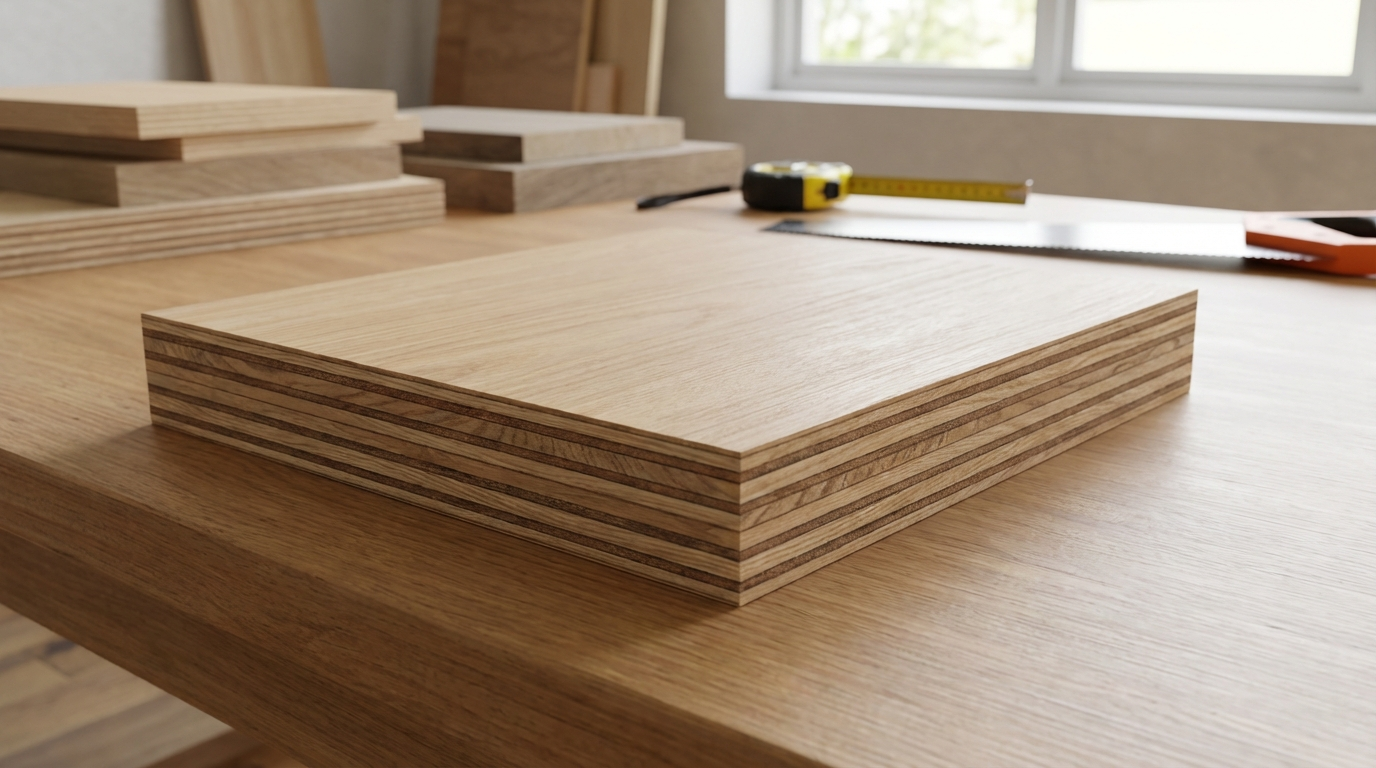
Face veneer is the outermost wood layer on the visible side of a plywood sheet, usually 1-1.5 mm thick, and it is the surface that takes polish, laminate or paint. Gurjan and keruing faces are popular in India for their smoother finish and better durability.
What Is Face Veneer in Plywood?
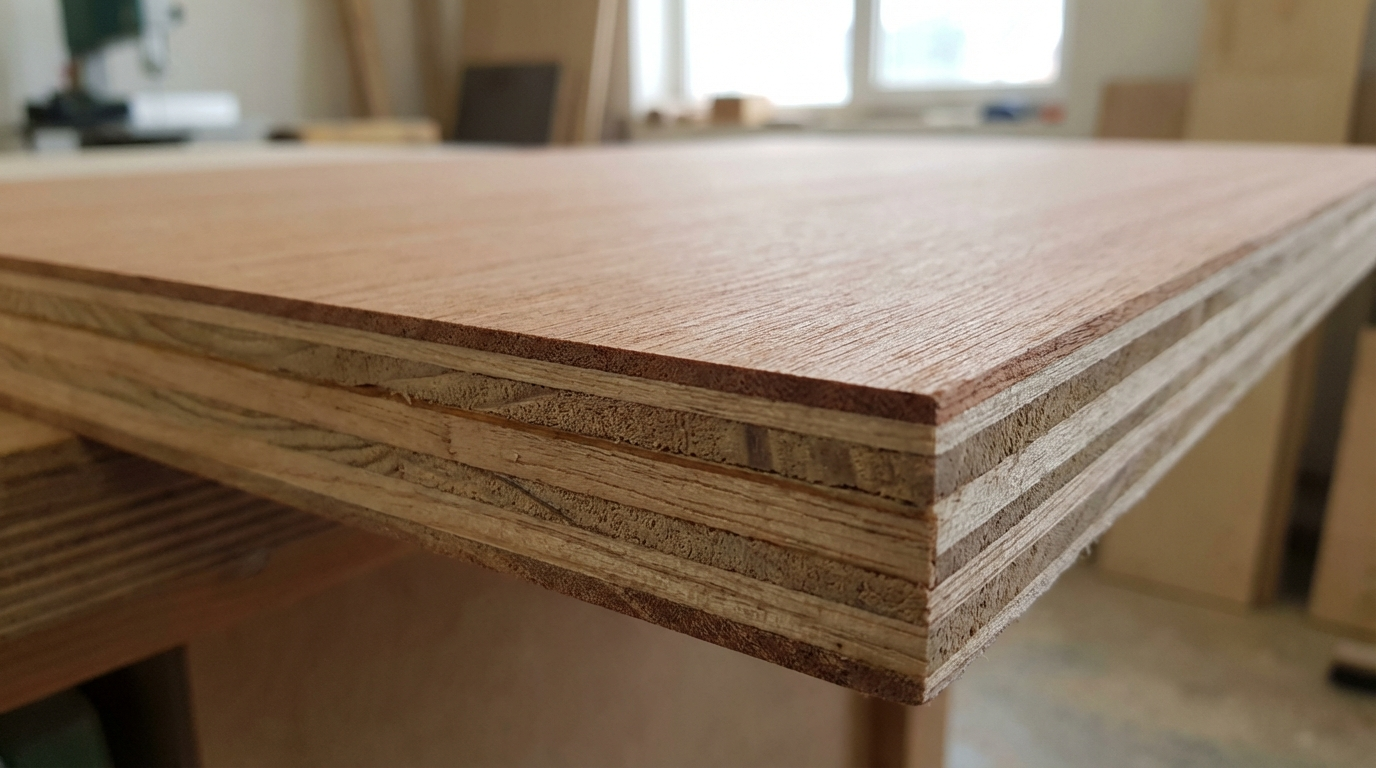
In plywood manufacturing, face veneer refers to the outermost layer on the visible side of a plywood panel. This thin sheet of wood, typically 1-1.5 mm thick, forms the surface that receives finishes like polish, laminate, or paint. Unlike inner core veneers, which prioritize structural strength through cross-graining, the face veneer focuses on aesthetics and initial surface quality.

From a first-principles view, plywood assembles multiple veneers glued under pressure. The face veneer sets the panel's first impression, influencing how it interacts with Indian environmental stresses like coastal humidity or Delhi's dry winters. Poor face quality leads to bubbling or peeling post-installation, common complaints in contractor feedback from Mumbai to Chennai.
Why Face Veneer Matters for Indian Buyers and Builders
Homeowners prioritize face veneers for visible applications like wardrobes or kitchen cabinets, where surface smoothness affects lamination adhesion. Contractors assess it for shuttering or formwork reusability, as rough faces wear faster under concrete pressure. Architects specify based on project scale—premium faces for high-end villas, utilitarian ones for bulk rentals.
In India's dealer ecosystem, face veneer grade drives negotiations. Panels with uniform, defect-free faces command higher margins in tier-2 cities like Jaipur or Coimbatore, where end-users demand value over volume.
Popular Face Veneer Materials: Gurjan and Keruing Explained
Gurjan Face Veneer Characteristics
Gurjan, sourced mainly from Assam and Northeast India, derives from Dipterocarpus trees. Its face veneers offer a golden-brown hue with straight grain, resisting surface cracks in humid zones like Kerala. The tight grain minimizes glue absorption during finishing, yielding a glossy outcome without excessive sanding—a key edge in furniture workshops.
Durability stems from natural oils, providing moderate termite deterrence when paired with BWR-grade adhesives. However, inconsistent sourcing can introduce knots, prompting buyers to check for ISI-marked panels.
Keruing Face Veneer Properties
Keruing, another Dipterocarpus variant from Myanmar imports, features reddish tones and interlocking grain for added tear resistance. In Indian marine plywood, it excels under moisture, holding up in bathroom vanities or balcony partitions. Its coarser texture suits paint finishes better than laminates, aligning with budget contractor choices in Pune's high-rises.
Compared to Gurjan, Keruing veneers often exhibit better hardness, but darker color limits use in light-themed interiors popular among urban homeowners.
Face Veneer vs. Other Plywood Layers: Key Differences
| Layer | Purpose | Typical Material | Indian Buyer Impact |
|---|---|---|---|
| Face Veneer | Visible surface, aesthetics | Gurjan, Keruing, Eucalyptus | Finish quality; lamination hold |
| Core Veneers | Strength, stability | Poplar, Eucalyptus | Bending resistance; warping prevention |
| Back Veneer | Hidden support, balance | Lower-grade hardwood | Cost control; minimal inspection |
This table highlights why skimping on face veneer backfires—while cores handle load, faces dictate usability. In practice, unbalanced panels delaminate faster in Rajasthan's heat swings.
Grading Standards and Quality Indicators for Face Veneers
Indian plywood norms under IS 303 or IS 710 classify faces indirectly via glue grades (MR for dry interiors, BWP for boiling water resistance). Premium faces show minimal dead knots or patches, with veneer thickness uniformity ensuring flatness post-moisture exposure.
Dealer tip: Tap the surface—dense Gurjan rings solidly, unlike softer imports. Visual checks reveal grain match; mismatched faces signal patchwork, risking polish rejection in modular kitchen installs.
Impact of Face Veneer on Durability and Cost Factors
Premium Gurjan or Keruing faces elevate plywood from commodity to specification-grade, extending service life by 20-30% in humid belts like Kolkata. They reduce sanding labor by accepting thinner polish coats, indirectly cutting costs for carpenters.
Pricing logic: Base panels start lower with Eucalyptus faces, but Gurjan adds a relative premium due to sourcing logistics from Northeast mills. Regional variation—higher in South India from transport, stable in Assam hubs. Contractors weigh this against reuse cycles; a durable face justifies upfront spend for formwork.
Practical Selection Guide for Face Veneer in Projects
- Wardrobes/Interiors: Gurjan for natural sheen under laminates.
- Shuttering: Keruing for abrasion resistance.
- Budget Builds: Avoid thin or patched faces; opt for verified thicknesses.
- Verification: Request cross-sections at dealers; premium faces layer consistently.
For architects, pair with HDHMR substrates in humid zones—face veneer then acts as the aesthetic bridge without compromising core moisture resistance.
Common Misconceptions About Face Veneers
Buyers often assume thicker faces mean better quality—no, uniformity trumps thickness. Another: All imported faces outperform Indian Gurjan—false, as local sourcing ensures acclimatization to subcontinental climates. Always cross-reference with end-use; a glossy face fails if cores warp.
Related guides on PlyPrice
Want Plywood Suggestions?
Share a few details and a PlyPrice specialist will suggest suitable brands and connect you to responsive dealers.