Best Plywood for Wardrobe: MR vs BWR Grade and 18mm or 19mm Thickness
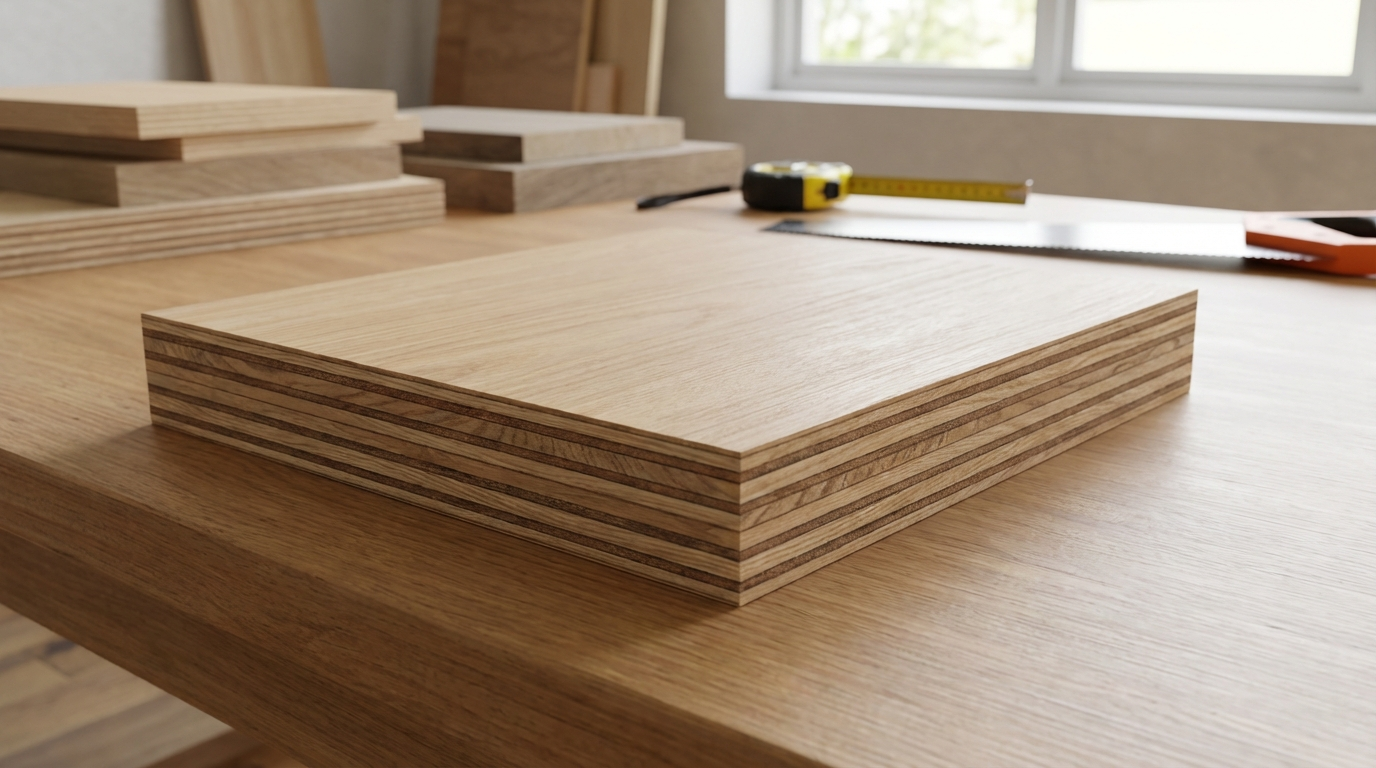
MR or BWR grade plywood is best for wardrobes: MR suits dry or air-conditioned rooms, while BWR suits coastal cities like Mumbai and Chennai or walls next to bathrooms. Use 18mm or 19mm for sturdy doors and shelves; BWP is rarely needed.
Key Recommendation: MR or BWR Plywood for Wardrobes
In Indian households, wardrobes face everyday wear from clothes storage, occasional spills, and fluctuating indoor humidity, especially during monsoons. The most practical choice boils down to MR (Moisture Resistant) or BWR (Boiling Water Resistant) grade plywood. These balance durability, cost, and performance for enclosed cabinetry like wardrobes.
MR suits fully dry interiors in air-conditioned homes or low-humidity regions like Delhi winters. BWR steps up for coastal areas (Mumbai, Chennai) or bathrooms-adjacent wardrobes where steam or dampness intrudes. Avoid jumping to BWP (Boiling Water Proof) unless the wardrobe is in a high-flood-risk zone—it's overkill for typical bedroom use and carries a steeper upfront cost.
Pair this with 18mm or 19mm thickness for load-bearing elements: wardrobe doors need rigidity to prevent sagging over years of opening/closing, while shelves demand strength for stacked linens or heavy winter gear.
Plywood Grades Explained: Matching Wardrobe Demands
MR Grade: Everyday Reliability on a Budget
MR plywood uses urea-formaldehyde glue, which holds up in interiors below 20-25% moisture levels. Its core—typically hardwood plies like poplar or eucalyptus—provides a stable base for laminates or veneers.
Reasoning from basics: Wardrobes rarely encounter direct water, but laundry mist or humid air can swell cheaper boards. MR resists this short-term exposure without delaminating, making it the default for 80-90% of urban Indian wardrobes. In contractor projects, it's favored for quick installs in apartments where budgets prioritize volume over extremes.
BWR Grade: Added Protection Without Excess
BWR employs phenolic resins, enduring brief boiling water submersion (hence the name). This translates to real-world resilience against humidity spikes common in Tier-2 cities like Pune or Hyderabad during rains.
For wardrobe buyers: If your home has poor ventilation or the wardrobe backs a kitchen wall, BWR prevents edge swelling under laminate. Architects specify it for mid-range modular furniture where longevity trumps initial savings.
Why Skip BWP, MDF, or Particleboard Here?
- BWP: Phenolic throughout, it's for submerged marine or exterior use. In wardrobes, it adds unnecessary weight and cost (20-40% premium over BWR) with minimal gains in dry storage.
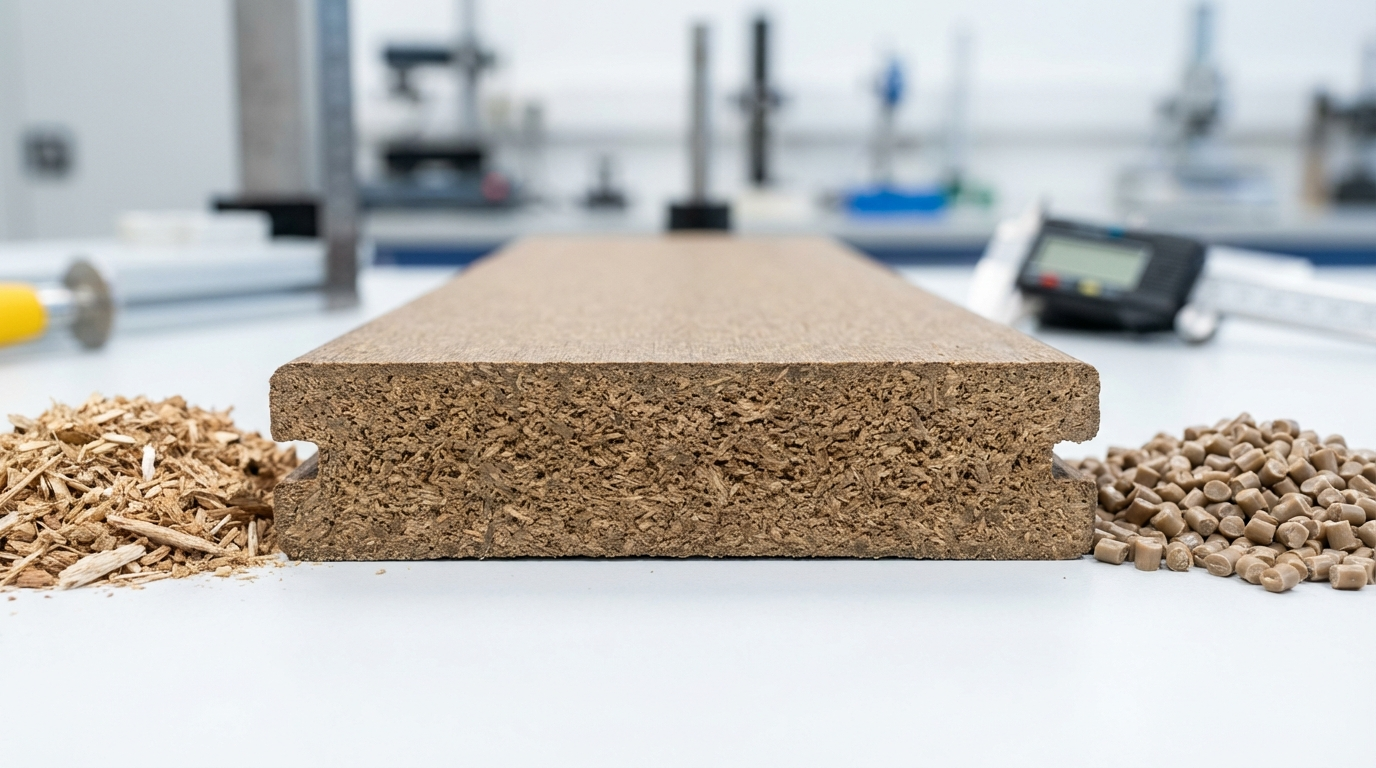
- MDF/HDHMR: Uniform density suits carving or painting, but lacks plywood's cross-ply strength for spanning wardrobe widths without mid-supports. HDHMR improves moisture handling but still bows under heavy shelf loads.
- Particleboard: Cheapest option, but crumbles at edges during hardware installation—unsuitable for screw-heavy wardrobe assemblies.
Homeowners often confuse these based on dealer pitches; test by pressing core samples—solid plies signal plywood suitability.
Thickness Guide: 18mm or 19mm for Structural Integrity
Thickness isn't arbitrary—it's physics: thicker sheets distribute wardrobe weight (clothes + hardware) across spans, minimizing deflection. Indian wardrobes typically span 600-900mm wide shelves or 2000mm tall doors.
| Component | Recommended Thickness | Why This Size? | Load Capacity Insight |
|---|---|---|---|
| Shelves (full span) | 18mm | Supports 40-60kg evenly distributed; add battens for heavier items like suitcases. | Deflects <2mm under normal use. |
| Doors (hinged, sliding) | 18-19mm | Resists warp from daily cycles; 19mm for floor-to-ceiling units over 2.4m tall. | Handles 5-10kg per door + pull force. |
| Partitions/Carcass sides | 18mm | Vertical stability; thinner 12mm risks vibration noise. | Stable under racking forces. |
| Back panels | 3-6mm | Dust barrier only; groove-fit to avoid bulk. | Minimal structural role. |
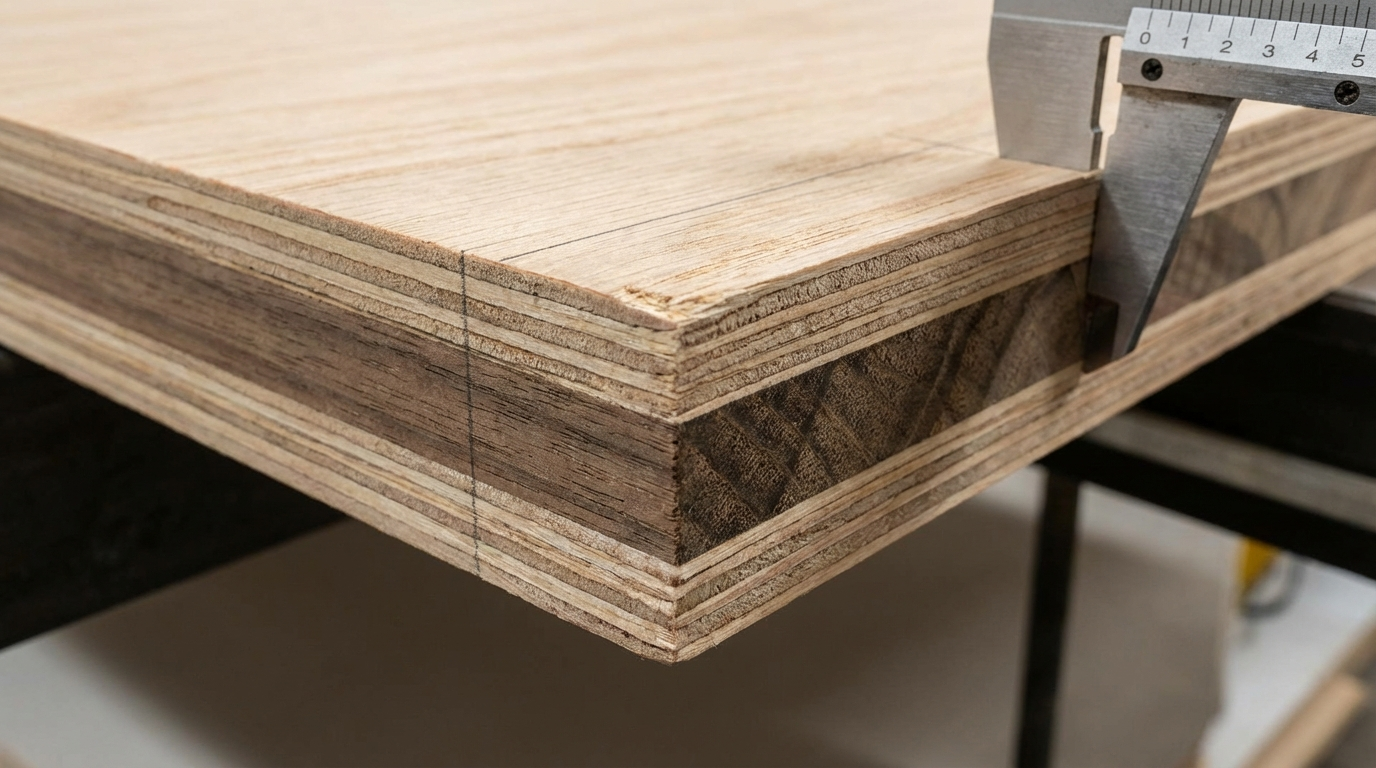
Logic for 18-19mm: Below 16mm, doors rattle and shelves bow visibly after 6-12 months. Above 19mm, weight escalates transport/install costs without proportional gains. Dealers often stock 18mm as standard—verify caliper thickness, as labeled sizes can vary 1-2mm.
Comparison: MR vs BWR for Wardrobe Applications
| Factor | MR Plywood | BWR Plywood | Best for Wardrobes When... |
|---|---|---|---|
| Moisture Tolerance | Short-term (e.g., spills wiped quick) | Prolonged humidity (monsoon exposure) | BWR if >60% RH indoors. |
| Glue Strength | Urea-Formaldehyde: Interior dry | Phenolic: Semi-wet resilience | MR for bedrooms; BWR near utilities. |
| Cost Relative | Baseline (lower dealer margins) | 15-30% higher | MR for budget homes; BWR for rentals. |
| Weight/Handling | Lighter, easier DIY | Slightly denser | MR for solo carpenter work. |
| ISI Compliance Expectation | IS:303 (check stamp) | IS:10701 | Both; insist on lab-tested sheets. |
Regional pricing nuance: In plywood hubs like Kerala or Punjab mills, BWR gaps narrow due to volume. Retailers in metros add 10-20% transport markup—compare mill vs dealer quotes.
Indian Climate and Wardrobe Longevity Factors
India's diverse conditions dictate choices: Mumbai's 80%+ monsoon humidity demands BWR to prevent ply separation at joints. Contrast with arid Rajasthan, where MR suffices year-round.
Other influencers:
- Laminate/Veneer Pairing: Use 1mm thick foils on MR/BWR—ensures moisture seal at edges. Polish finishes hide core flaws but wear faster.
- Hardware Load: Soft-close hinges multiply torque; 18mm+ prevents pivot wear.
- Ventilation: Add louvers or gaps—stagnant air accelerates any grade's degradation.
- Installation Practices: Contractor shortcuts like shallow screws fail prematurely; specify pilot holes in advice briefs.
Buyer Decision Logic: Homeowner vs Contractor Perspectives
Homeowners and Interior Designers
Prioritize aesthetics and 10-year lifespan. Test samples: Tap for solid thud (good plies), sniff for low VOC (healthier indoors). Opt MR for custom-built wardrobes under ₹50,000-1,00,000; upgrade to BWR if modular kits exceed budgets.
Contractors and Bulk Buyers
Focus on speed and callbacks. BWR reduces warranty claims in humid sites. Source from wholesalers—18mm MR sheets cover 4-5 wardrobe fronts per unit, optimizing cuts.
Practical Buying Checklist for Wardrobe Plywood
- Verify grade stamp (MR/BWR/IS mark) on edges—not just labels.
- Inspect core: Uniform plies, no voids or knots larger than 20mm.
- Measure actual thickness across sheet.
- Ask for boil test demo if doubtful (brief submersion, no split).
- Negotiate bundles: 8x4 sheets for wardrobes minimize waste.
- Factor extras: Edging tape adds 5-10% but seals vulnerabilities.
Dealer tip: Regional mills offer fresher stock; avoid godown-stored sheets with warp from poor stacking.
Addressing Common Wardrobe Plywood Myths
- "Thicker Always Better": No—25mm suits tabletops, not wardrobes (excess heft).
- "All ISI Means Equal Quality": Certification is baseline; enforcement varies—cross-check lab reports.
- "MDF is Modern Alternative": Fine for panels, but plywood's grain direction fights warp better in framed designs.
Selecting MR or BWR at 18-19mm equips wardrobes for India's variable home environments, supporting informed choices over hype.
Related guides on PlyPrice
Want Plywood Suggestions?
Share a few details and a PlyPrice specialist will suggest suitable brands and connect you to responsive dealers.