Which Plywood is Best for Kitchen
For kitchens, always choose BWP (Boiling Waterproof) Grade Plywood (IS:710). It resists steam, water, and pests better than any other grade.
Why Kitchens Require Specialized Plywood in Indian Homes
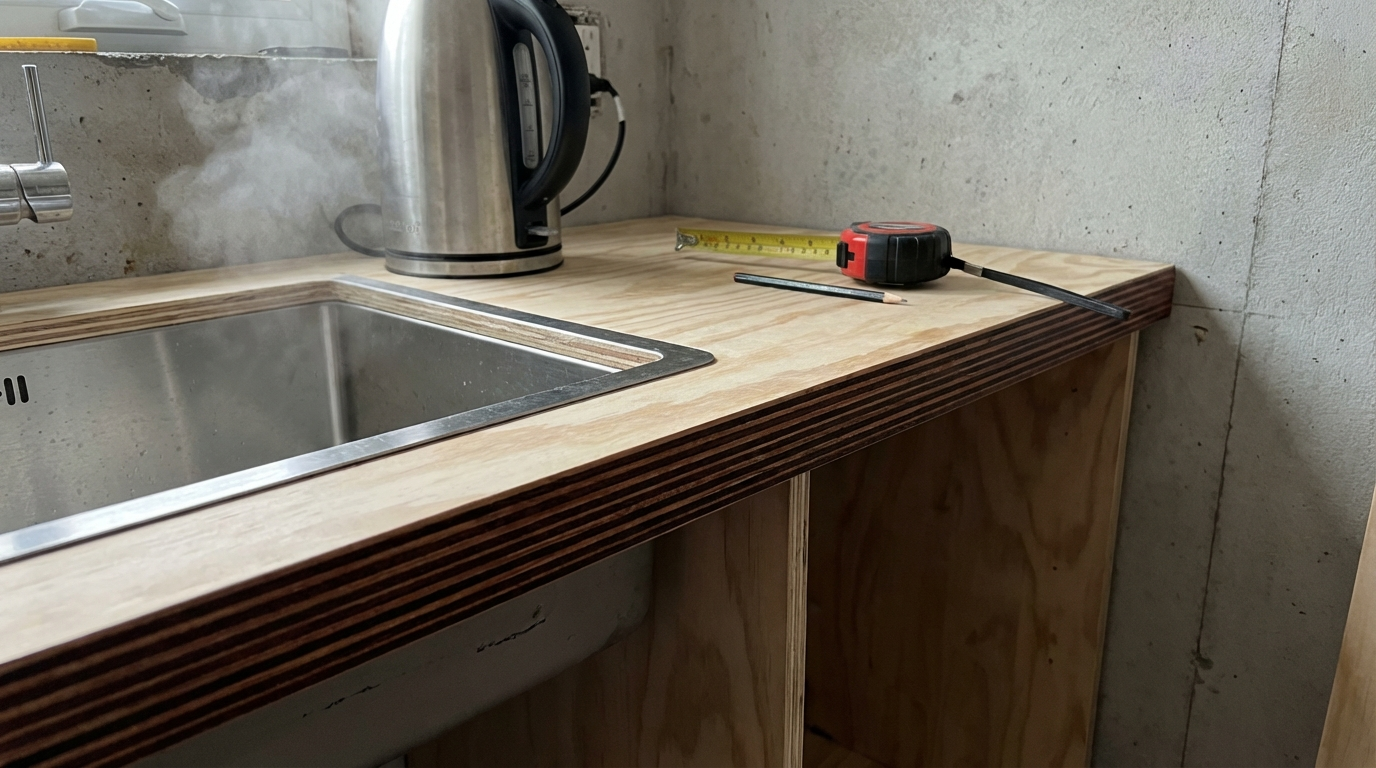
In Indian households, kitchens face relentless exposure to steam from cooking curries and dals, frequent water splashes during washing, and seasonal humidity spikes during monsoons. Ordinary plywood delaminates under these conditions, leading to swelling, warping, and eventual replacement within 2-3 years. Homeowners and interior designers must prioritize plywood that maintains structural integrity amid daily use, ensuring modular cabinets and shelves last 10-15 years or more.
Contractors often encounter callbacks for inferior materials, while architects specify based on ISI standards to avoid liability. The core decision hinges on glue type and bonding strength, tested under boiling water cycles to simulate prolonged moisture stress.
Decoding Indian Plywood Grades: MR, BWR, and BWP
Plywood grades reflect glue formulations and compliance with Bureau of Indian Standards (BIS). Here's a breakdown rooted in their performance under kitchen-like conditions:
| Grade | Standard | Moisture Resistance | Boiling Test Cycles | Suitable for Kitchen? | Typical Applications |
|---|---|---|---|---|---|
| MR (Moisture Resistant) | IS:303 | Low; swells in humid areas | None specified | No | Furniture, partitions in dry rooms |
| BWR (Boiling Water Resistant) | IS:10701 | Moderate; handles occasional splashes | 4-8 hours (1-2 cycles) | Marginal; risks delamination over time | Bathrooms, low-moisture exteriors |
| BWP (Boiling Water Proof) | IS:710 | High; resists immersion and steam | 72 hours continuous (multiple cycles) | Yes, ideal | Kitchens, bathrooms, exteriors |
This table highlights why lower grades fail kitchens: MR uses urea-formaldehyde glue, which hydrolyzes in moisture, while BWP employs phenolic resins for covalent bonding that endures boiling.
BWP Grade Plywood (IS:710): The Clear Winner for Kitchen Durability
For kitchens, always choose BWP (Boiling Water Proof) Grade Plywood certified to IS:710. This standard mandates immersion in boiling water for 72 hours without delamination, far exceeding real-world steam and spill exposure. In tests, BWP sheets retain over 90% thickness post-cycling, versus 20-30% loss for MR.
Key advantages in Indian contexts:
- Steam Resistance: Indian cooking generates vapor-laden air; BWP's dense glue lines prevent vapor penetration, unlike porous MR cores.
- Water Spill Tolerance: Sink-side cabinets handle drips; BWP recovers fully after drying, avoiding the bubbling seen in BWR.
- Pest Resistance: Formaldehyde in phenolic glues deters termites, crucial in coastal or termite-prone regions like Mumbai or Kerala.
- Structural Stability: Maintains screw-holding strength for heavy utensils, vital for modular setups from brands like Godrej or local fabricators.
BWP comes in thicknesses from 12mm to 25mm, with hard wood cores (gurjan or eucalyptus) preferred for kitchens over soft poplar, which dents easily under pressure cookers.
Core Composition and Thickness: Fine-Tuning for Kitchen Cabinets
BWP plywood's performance depends on core veneers. Solid hardwood cores (IS:710 compliant) offer better screw grip than layered softwood, essential for hanging cabinets loaded with spices and appliances. For base cabinets, opt for 18-19mm thickness to span 600mm widths without sagging; wall units suffice with 12mm.
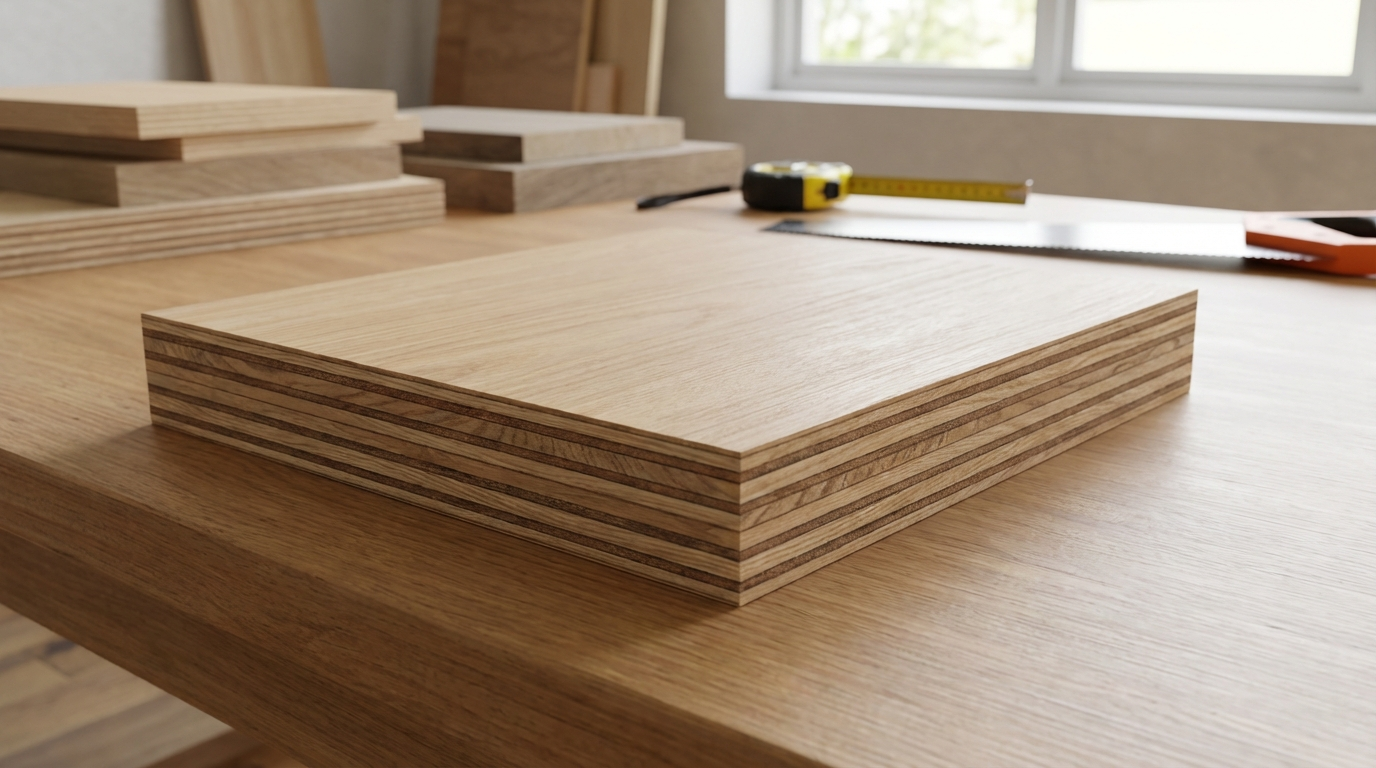
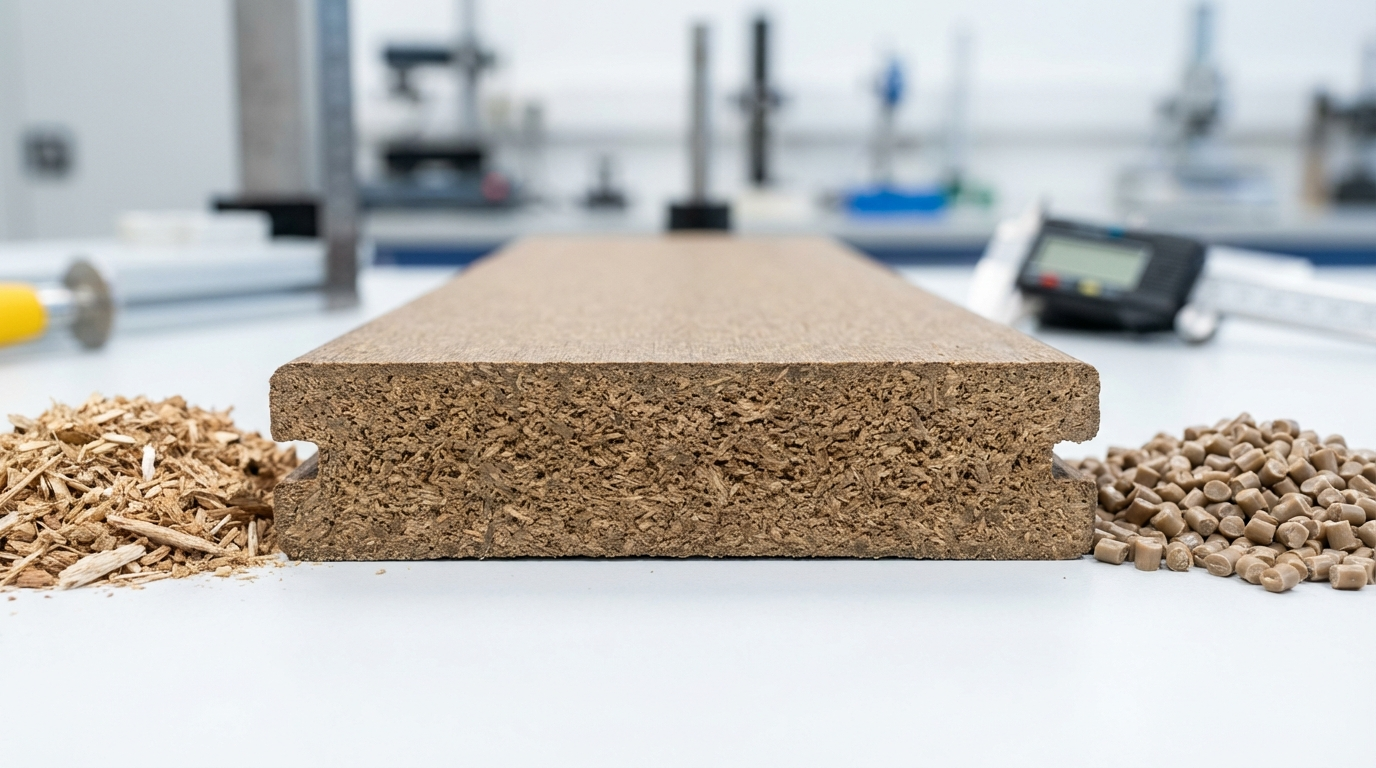
Avoid blockboard or particleboard hybrids for kitchens—their particle cores absorb moisture faster, even if branded as "waterproof." Genuine BWP uses full veneers, verifiable by edge inspection: uniform layers without fillers.
Addressing Termites and Pests in Humid Indian Kitchens
Beyond water, kitchens attract pests via food residues. BWP's inherent chemical resistance provides baseline protection, but pair it with anti-termite treatments (IS:401 certified). In regions like Tamil Nadu or Uttar Pradesh, untreated MR invites subterranean termites, tunneling through glue lines. Dealers often apply preservatives post-manufacture—insist on documentation.
Cost vs. Longevity: Is BWP Worth the Premium?
BWP costs 30-50% more than MR per sheet due to superior glues and hardwood sourcing, with retail variations by region: higher in metros like Delhi (logistics) versus Kerala (proximity to mills). However, lifecycle savings dominate: a BWP kitchen lasts 12-15 years versus 4-6 for MR, amortizing the premium over fewer replacements.
Dealers quote per sq ft; compare total project costs including labor. Contractors favor BWP for repeat business, as it reduces warranty claims amid India's rising modular kitchen trend (projected 15% CAGR through 2025).
Verification Checklist: Ensuring Genuine BWP at Dealer Level
Indian markets abound with mislabeled grades. Use this step-by-step validation:
- ISI Mark: Stamped IS:710 on edges; scan QR for authenticity.
- Water Test: Sprinkle water on sample—BWP shows no darkening after 30 minutes.
- Glue Line Check: Cross-section reveals thin, dark phenolic lines.
- Vendor Audit: Prefer mills in Punjab or Kerala; avoid unbranded imports.
- Thickness Gauge: Measure randomly—tolerances under 0.5mm indicate quality.
Architects specify "IS:710 BWP minimum" in drawings to enforce compliance.
When BWR or Alternatives Might Work (Rare Kitchen Scenarios)
In air-conditioned, low-use pantries or with heavy laminates sealing all edges, BWR (IS:10701) cuts costs without immediate failure. HDHMR boards offer similar resistance but lack plywood's machinability for intricate kitchen joinery. Marine plywood overlaps BWP but suits exteriors better due to higher costs. Still, for standard Indian kitchens, BWP remains unmatched.
Installation Insights for Maximum Kitchen Plywood Lifespan
Edge-seal all cut surfaces with epoxy or polyurethane to block moisture wicking. Elevate base cabinets 100-150mm off floors for flood-prone homes. Use stainless steel screws to prevent rust-induced glue breakdown. Modular fabricators in Bangalore or Pune often provide sealed units—verify plywood base material.
Want Plywood Suggestions?
Share a few details and a PlyPrice specialist will suggest suitable brands and connect you to responsive dealers.