What Is Termite Resistant Plywood? GLP Treatment and Borer Proofing
Termite resistant plywood is treated with chemicals during manufacture, especially along the glue lines that bind the veneers, to repel subterranean termites and wood borers. Look for glue line protection (GLP) and know where extra site treatment is still needed.
What Makes Plywood Termite Resistant?
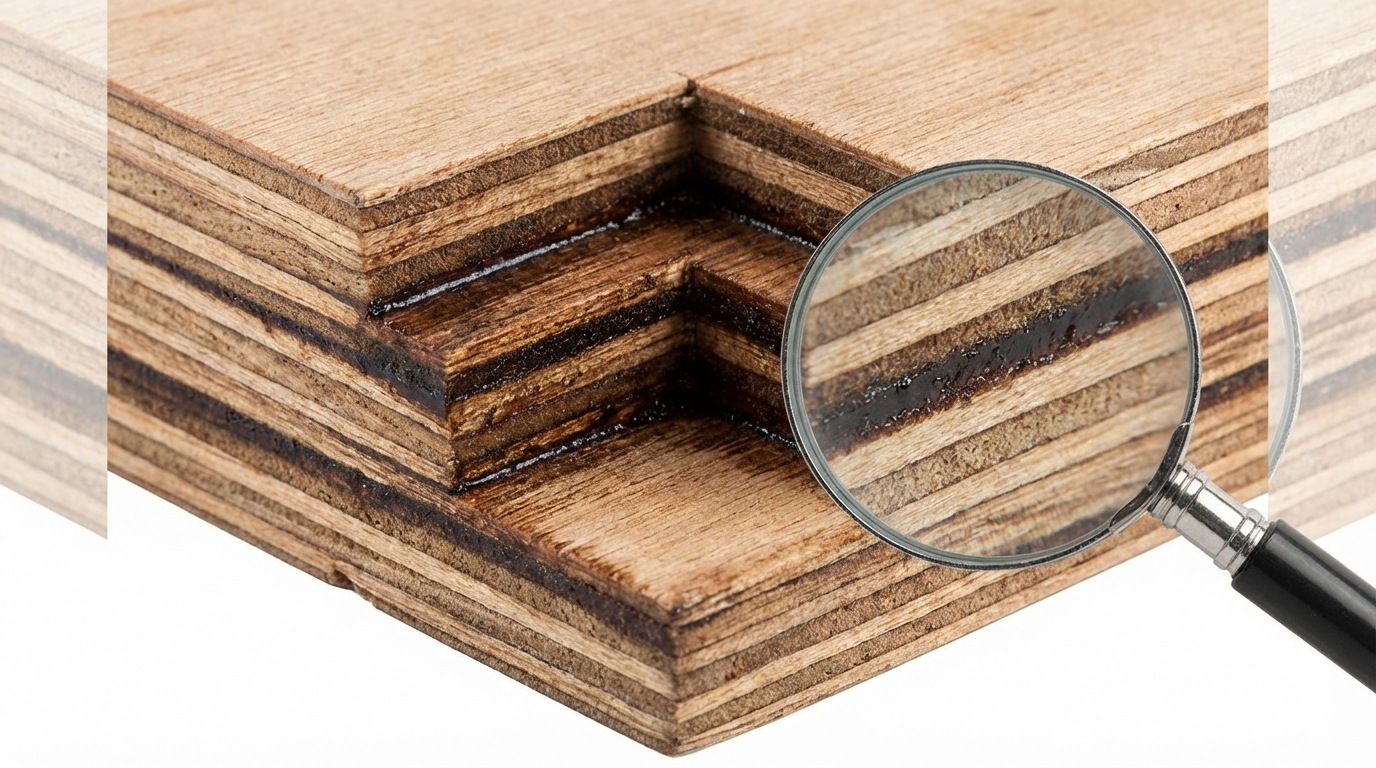
In India's diverse climates, from humid coastal regions to monsoon-prone interiors, termites and borers pose a persistent threat to wooden structures and furniture. Termite resistant plywood addresses this by incorporating chemical treatments during manufacturing. These treatments target the wood's vulnerabilities, particularly the glue lines where adhesives bind veneers, creating a barrier against subterranean termites (common in India) and wood-boring insects.
Why Termites Target Plywood Specifically
Termites thrive in moist environments, digesting cellulose in wood via symbiotic microbes. Plywood's layered construction, with thin veneers glued together, offers multiple entry points. The glue line—often urea-formaldehyde in standard MR-grade plywood—softens under humidity, allowing termites to tunnel inward. Without protection, even high-density hardwoods fail within 2-5 years in high-risk zones like Kerala or Mumbai suburbs.
Chemical Treatments: The Core of Termite Resistance
Termite resistant plywood undergoes impregnation with preservatives like copper-based compounds (e.g., Copper Azole), synthetic pyrethroids, or borates. These are applied via vacuum pressure during veneer processing, penetrating up to 90% of the wood thickness. Unlike surface sprays, which wear off, this method ensures longevity.
- Borers vs. Termites: Treatments repel drywood borers (powder-post beetles) and powder termites, which infest dry furniture.
- Process Stages: Core veneers soak in solutions before gluing; face veneers get additional dips.
Result: A plywood sheet that deters feeding and nesting, extending service life by 10-15 years under normal Indian conditions.
GLP: Glue Line Protection as the Key Identifier
For reliable safety, prioritize plywood certified with GLP (Glue Line Protection). This denotes specialized phenolic or resorcinol adhesives infused with termiticides directly at the glue stage. Standard BWR or BWP grades may claim resistance, but without GLP, protection is superficial.
| Feature | Standard Glue (MR/BWR) | GLP-Treated Glue |
|---|---|---|
| Composition | Urea-formaldehyde | Phenolic + termiticide |
| Termite Penetration | High (glue softens) | Low (repels at bond) |
| ISI Compliance | IS:303 (basic) | IS:710 + GLP test |
| Durability in Humidity | 6-12 months exposure | 2+ years |
GLP ensures the adhesive itself becomes inhospitable, critical for modular kitchens or wardrobes in termite-hotspots like Tamil Nadu.
How Effective is Termite Resistant Plywood in Real Indian Scenarios?
Lab tests (per BIS IS:12076) simulate accelerated infestation, but field performance varies. In Delhi-NCR's dry heat, it outperforms regular plywood by 70-80%; in Assam's high-rainfall areas, pair it with physical barriers like sand gaps. Not "proof"—no plywood is invincible—but resistance buys time against inevitable exposure.
Common pitfalls: Over-reliance without site treatment (e.g., soil poisoning) leads to edge failures in ground-contact uses like flooring.
Testing and Certification Standards in India
BIS mandates GLP plywood pass shake-toxicity and bait tests. Look for:
- ISI mark with GLP endorsement.
- Third-party lab reports (e.g., CPIR or NABL-accredited).
- Avoid vague "anti-termite" labels—verify chemical disclosure.
Architects specify GLP-BWP for marine-grade needs; contractors favor GLP-HDHMR for cost-sensitive interiors.
Regular Plywood vs. Termite Resistant: A Practical Comparison
| Aspect | Regular Plywood | Termite Resistant (GLP) |
|---|---|---|
| Cost Relative to Base | Baseline | 20-40% higher |
| Moisture Resistance | MR/BWR grades | BWP + GLP standard |
| Suitability | Dry interiors only | Furniture, partitions, exposed areas |
| Maintenance | Annual sprays needed | Minimal; re-treat edges if cut |
| Failure Risk in 5 Years | High in humid zones | Low with proper install |
Homeowners in Pune apartments opt for GLP to avoid rework; dealers stock both for tiered pricing.
Buyer Decision Framework for Indian Markets
Assess risk: High (coastal, soil termite zones)? Mandate GLP. Medium (urban flats)? GLP-BWR suffices. Low (air-conditioned)? Regular with warranty.
- Inspect at Dealer: Test screw-holding; check for uniform color (treatment indicator).
- Thickness & Density: 18mm GLP-HDHMR for heavy loads.
- Warranty Check: 10-25 years against infestation, excluding misuse.
- Regional Variations: South India premiums for marine-GLP; North favors budget HDHMR-GLP.
Contractors: Bulk-buy from mills with traceability. Interior designers: Match with laminates that don't mask damage.
Limitations and Complementary Strategies
Chemical resistance fades if edges are unsealed or exposed to standing water. Combine with:
- Foundation treatments (chlorpyrifos soil drench).
- Vented designs in wardrobes.
- Regular inspections in new builds.
For ultimate protection, engineers layer GLP plywood with metal termite shields in substructure.
When Should You Choose Termite Resistant Plywood?
Termite resistant plywood, especially GLP variants, shifts the odds in India's wood-vs-insect battle. Verify certifications, align with site risks, and integrate holistic defenses for enduring results. This approach minimizes callbacks and preserves investments in furniture and fit-outs.
Related guides on PlyPrice
Want Plywood Suggestions?
Share a few details and a PlyPrice specialist will suggest suitable brands and connect you to responsive dealers.