What Is Prelam Plywood? Pre-Laminated Plywood Uses and Types
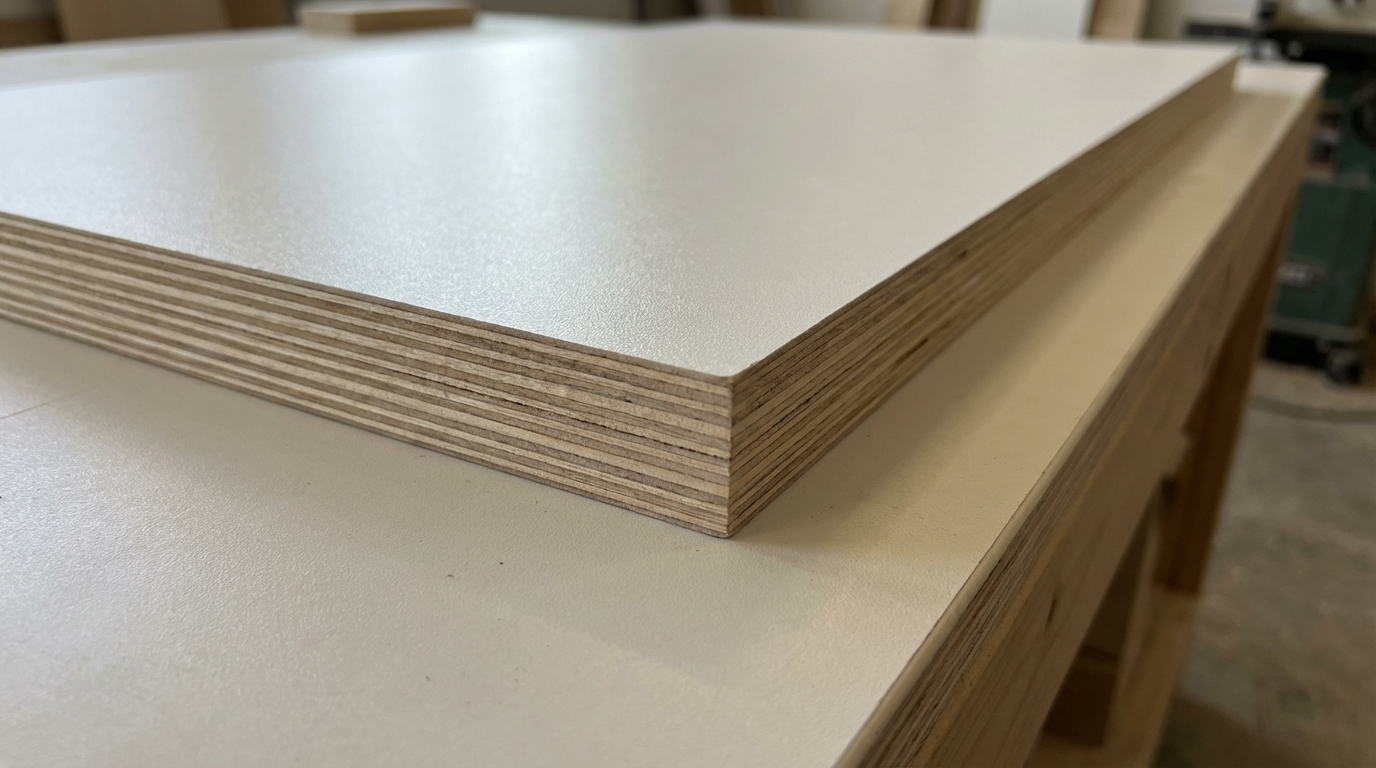
Prelam plywood is plywood with a decorative laminate, usually 0.6mm to 1.2mm thick, hot-pressed onto one or both faces at the factory, so it needs no separate laminating or veneering. That saves finishing time on furniture and fixtures; compare types, pros, cons and buying checks.
What Exactly Defines Prelam Plywood?
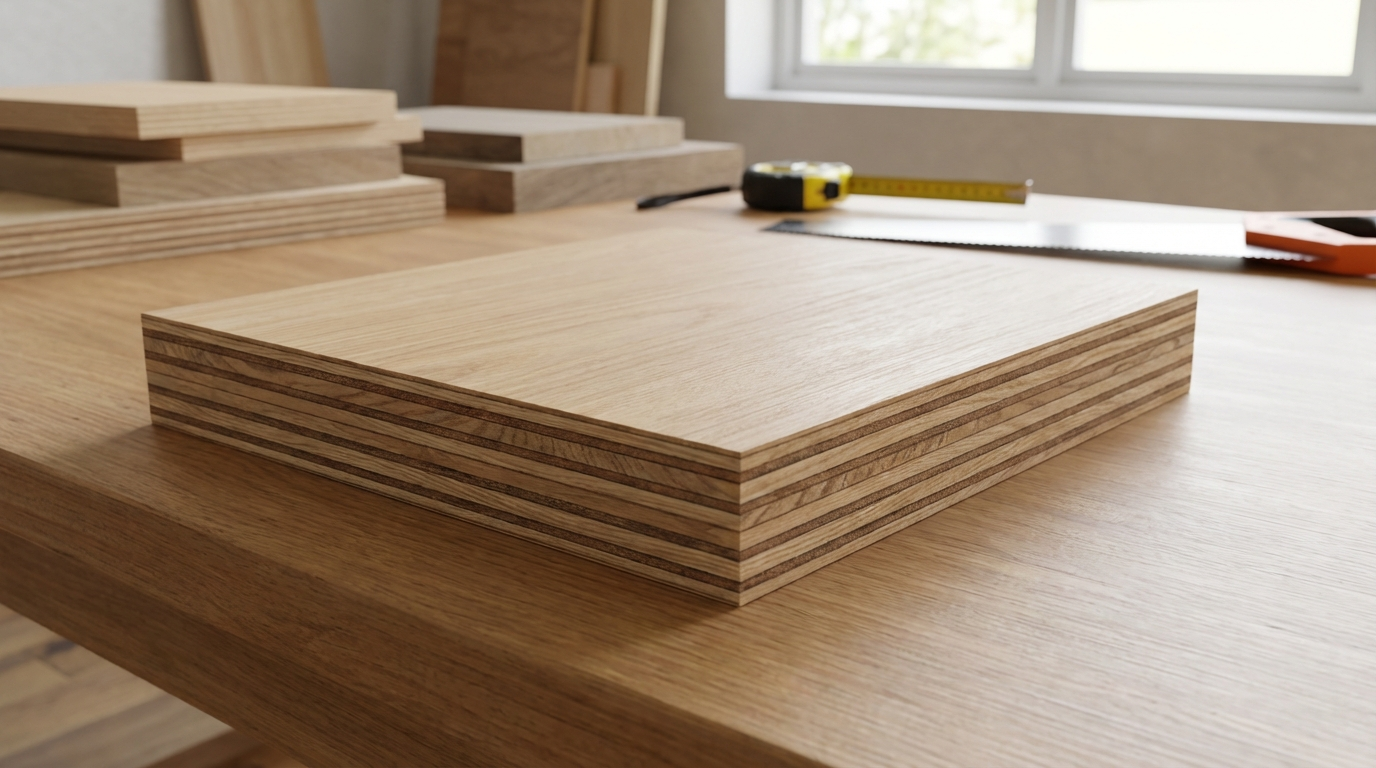
Prelam plywood represents a practical evolution in engineered wood panels tailored for India's fast-paced construction and furniture sectors. At its core, it consists of standard plywood sheets—typically made from layered hardwood or softwood veneers glued cross-grain for strength—with a pre-applied decorative laminate surface. This laminate, often 0.6mm to 1.2mm thick, is a resin-impregnated paper or foil featuring wood grains, solids, or abstract patterns, directly bonded to one or both faces under high heat (around 150-200°C) and pressure (5-7 MPa) in a hot press.
Unlike unfinished plywood, which requires separate laminating or veneering post-purchase, prelam plywood arrives ready for edge banding and assembly. This factory-applied finish eliminates on-site polishing, painting, or additional surfacing, aligning with Indian workflows where labor shortages and monsoon delays demand efficiency. Buyers in humid regions like Mumbai or Kerala prioritize this for its built-in moisture barrier, as the laminate seals surface pores against warping.
The Manufacturing Process Behind Prelam Plywood
Production begins with selecting the plywood core, which determines durability. Layers of thin veneers (1-3mm each) from species like poplar, eucalyptus, or gurjan are rotary-peeled, dried, and adhesively bonded using urea-formaldehyde (MR grade), phenol-formaldehyde (BWR), or resorcinol-formaldehyde (BWP) resins. The assembly is cold- or hot-pressed into 18mm-thick panels common for furniture.
Next, the laminating stage: decorative kraft paper soaked in melamine-formaldehyde resin is overlaid on the plywood. This stack enters a multi-daylight hot press, where heat activates the resin, creating a seamless, glossy, or matte finish rated for abrasion (e.g., 200-600 cycles per IS 2046 norms for laminates). Post-pressing, panels cool, trim, and inspect for defects like bubbling or delamination. Indian mills often grade cores per IS 3039, ensuring the prelam overlay doesn't compromise structural integrity.
Primary Advantage: Eliminating Finishing Steps and Time
In traditional workflows, plain plywood demands 2-3 extra days for sanding, priming, laminating, and curing—steps prone to dust contamination in open Indian workshops. Prelam plywood bypasses this entirely, cutting project timelines by 30-50% for contractors rushing modular kitchens or wardrobes before festive seasons.
For homeowners coordinating interiors amid Diwali deadlines, this translates to faster occupancy. Labor costs, a major factor in tier-2 cities like Jaipur or Coimbatore, drop as skilled laminators aren't needed; a basic carpenter suffices for cutting and assembly. However, edge finishing remains essential—using PVC or ABS tapes—to prevent moisture ingress from exposed core edges, a common failure point in coastal areas.
Ideal Applications for Quick Furniture and Fixtures
Prelam plywood excels in scenarios prioritizing speed over custom aesthetics. Key uses include:
- Modular wardrobes and almirahs: Direct panel-to-carcass assembly with concealed hinges.
- Commercial cabinets and shelves: Retail fit-outs in malls or offices needing uniform finishes.
- Kitchen shutters and vanities: Paired with SS hardware for humidity-prone homes.
- Partition panels and false ceilings: Lightweight option for rented spaces.
- Shop-front displays: Cost-effective for small traders avoiding bespoke carpentry.
Architects specify it for budget hospitality projects, like budget hotels in Goa, where uniformity trumps luxury. It's less suited for exposed outdoor use, as UV degrades laminates over 1-2 years.
Types and Specifications in the Indian Market
Prelam plywood varies by core grade, laminate quality, and design palette:
| Core Type | Moisture Resistance | Best For | Thickness Range |
|---|---|---|---|
| MR (Moisture Resistant) | Low (12-14% swelling) | Indoor furniture, dry climates | 3-25mm |
| BWR (Boiling Water Resistant) | Medium (8-10% swelling) | Kitchens, humid interiors | 12-19mm |
| BWP (Boiling Water Proof) | High (<5% swelling) | Semi-exposed areas | 12-25mm |
Laminate options range from economy (plain colors) to premium (synch-textured teak replicas). Designs mimic Indian favorites like Burma teak or oak, with over 100 variants per dealer. Thickness influences scratch resistance—1mm preferred for high-traffic tabletops.
Prelam Plywood vs. Plain Plywood: Side-by-Side Analysis
| Aspect | Prelam Plywood | Plain Plywood + On-Site Laminate |
|---|---|---|
| Lead Time | Immediate use | 2-5 days extra |
| Cost Driver | Higher upfront (20-40% premium) | Lower sheet cost + labor |
| Finish Quality | Factory-consistent | Variable, skill-dependent |
| Durability | Better sealing if edges taped | Risk of glue failure |
| Customization | Limited to stock designs | Full flexibility |
Prelam suits volume buyers like furniture fabricators in Jodhpur hubs, while custom designers opt for plain sheets.
Pros, Cons, and Realistic Expectations
Strengths: Accelerated production, uniform aesthetics, enhanced scratch/moisture resistance (IP 2404 test compliant laminates), and reduced waste from on-site errors. In dealer ecosystems, it minimizes returns due to finishing disputes.
Drawbacks: Limited repairability—if chipped, replacement is needed. Over-reliance risks monotony in upscale homes. Core quality dictates longevity; low-grade poplar cores fail faster in termite-prone South India without preservatives.
Expect 8-15 years lifespan indoors with proper handling, outperforming painted ply but trailing solid wood.
Practical Buying Guide for Indian Buyers
Contractors and designers should inspect:
- Core density (550+ kg/m³ ideal) via edge knock test.
- Laminate adhesion (scratch with fingernail—no peeling).
- BIS marks on core (IS 1659/710 for plywood).
- Dealer warranties (1-5 years against delamination).
Regional pricing reflects transport: higher in Northeast vs. Kerala mills. Bulk purchases (50+ sheets) yield discounts; compare per sqm costs including edges. Avoid unbranded stock—opt for mills audited for formaldehyde emissions (E1/E0 levels) per buyer health concerns post-COVID.
For homeowners, pair with HDHMR cores for superior screw-holding in humid belts.
Frequently Asked Questions on Prelam Plywood
Is prelam plywood suitable for bathrooms?
Not recommended unless BWP core with sealed edges; moisture traps under laminate cause swelling.
Can prelam plywood be repainted?
Difficult—laminate resists paint adhesion; stripping required, defeating time savings.
How does prelam handle Indian summers?
Well, if AC-controlled; direct sun fades colors over time due to laminate stabilizers.
What's the difference between prelam and PVC membrane?
Prelam is rigid laminate (scratch-resistant); PVC is flexible foil (cheaper but softer).
Does prelam plywood meet ISI standards?
Core does (IS 3039); laminate per IS 2046—verify labels, as enforcement varies by state.
Related guides on PlyPrice
Want Plywood Suggestions?
Share a few details and a PlyPrice specialist will suggest suitable brands and connect you to responsive dealers.