What is Flush Door
A Flush Door has a solid blockboard or particle board core with a smooth surface. It's durable, affordable, and ready for paint or laminate.
Core Construction of a Flush Door
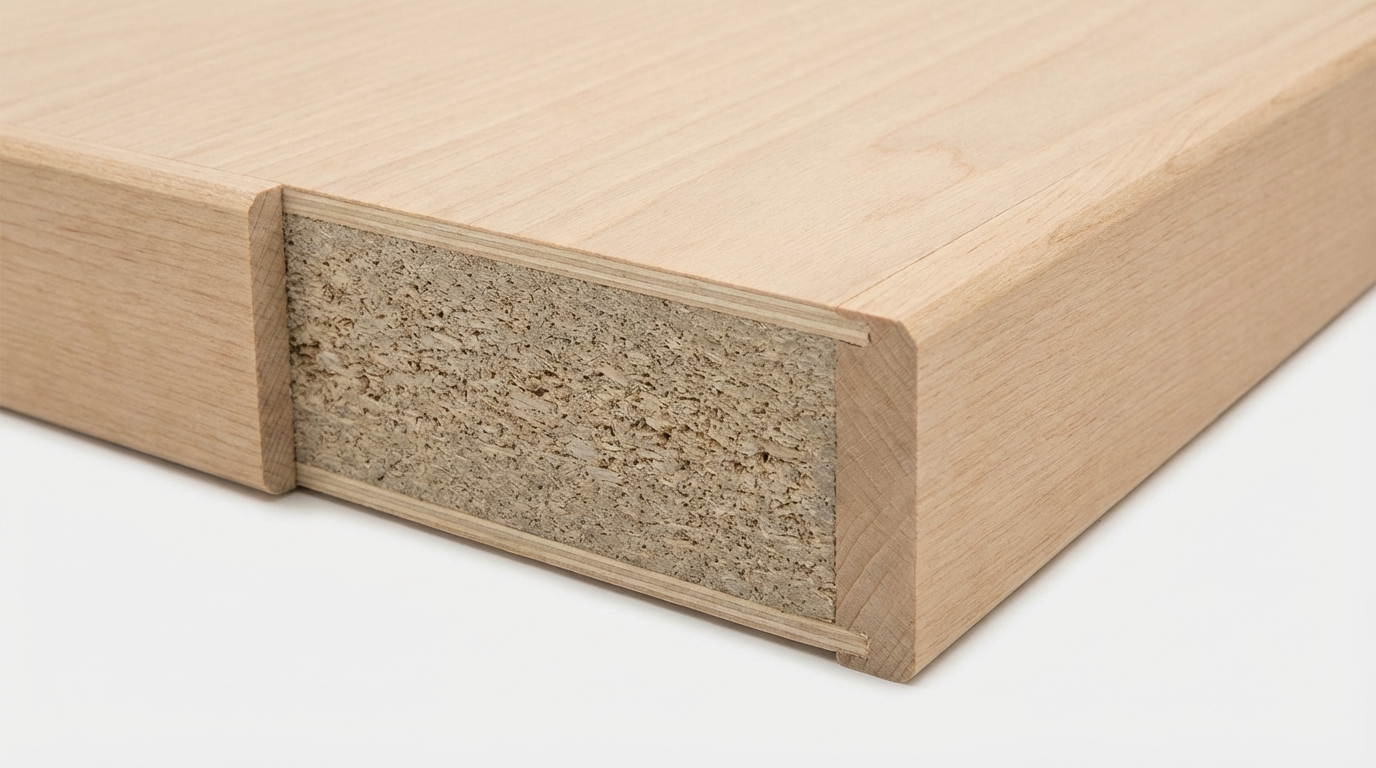
At its foundation, a flush door consists of a solid internal core—typically blockboard or particleboard—encased in thin crossbands and finished with flat face veneers or sheets. This design creates a seamless, flat surface without raised panels or moldings, distinguishing it from traditional paneled doors. The solid core provides structural integrity, preventing the door from warping under typical indoor stresses.
Blockboard Core: Strips of Wood for Stability
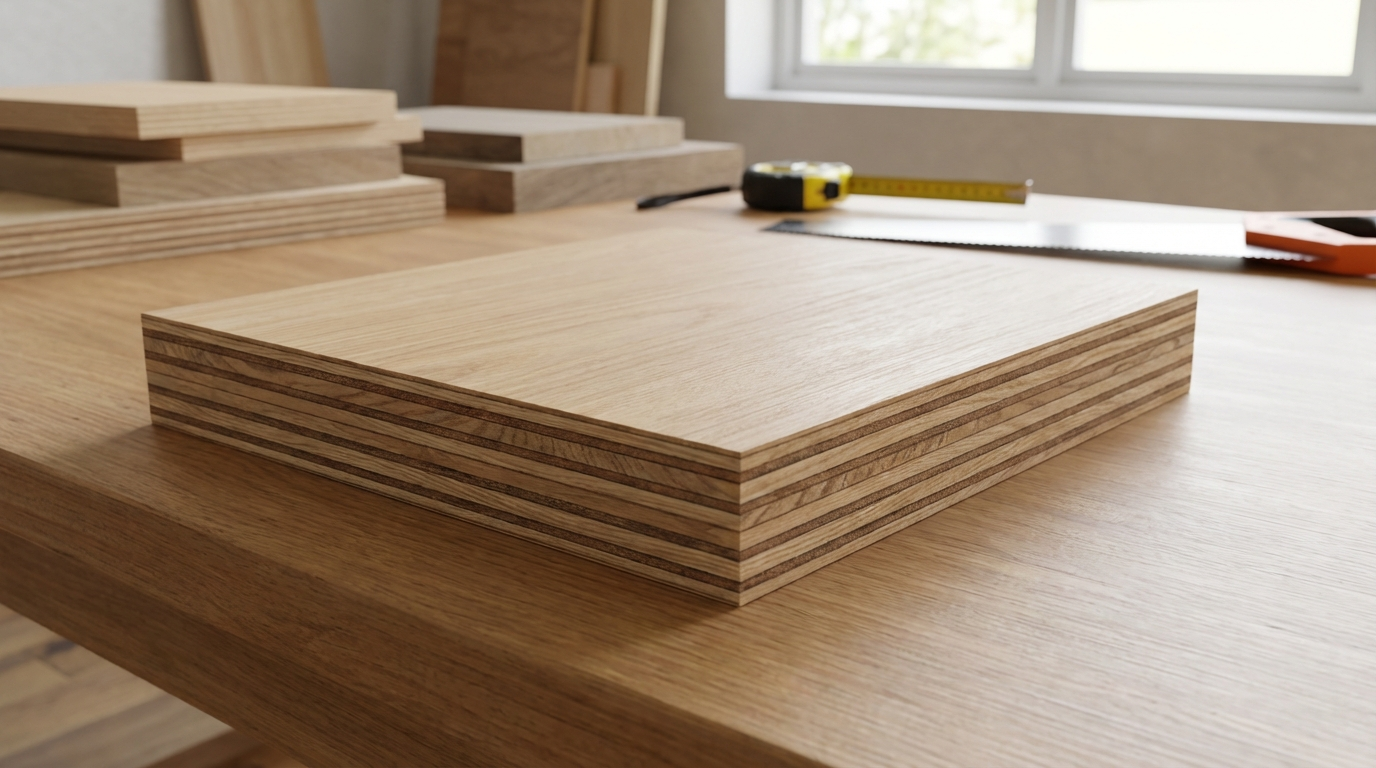
Blockboard forms the backbone of many flush doors in India. It is assembled by gluing softwood strips (like eucalyptus or poplar) side-by-side into a thick panel, then sandwiching this between plywood crossbands. This strip-based core resists twisting better than uniform boards, as the glued joints distribute loads evenly. In humid Indian regions like coastal Maharashtra or Kerala, where ambient moisture fluctuates, this construction maintains flatness longer than hollow alternatives.
Particleboard Core: Recycled Wood for Density
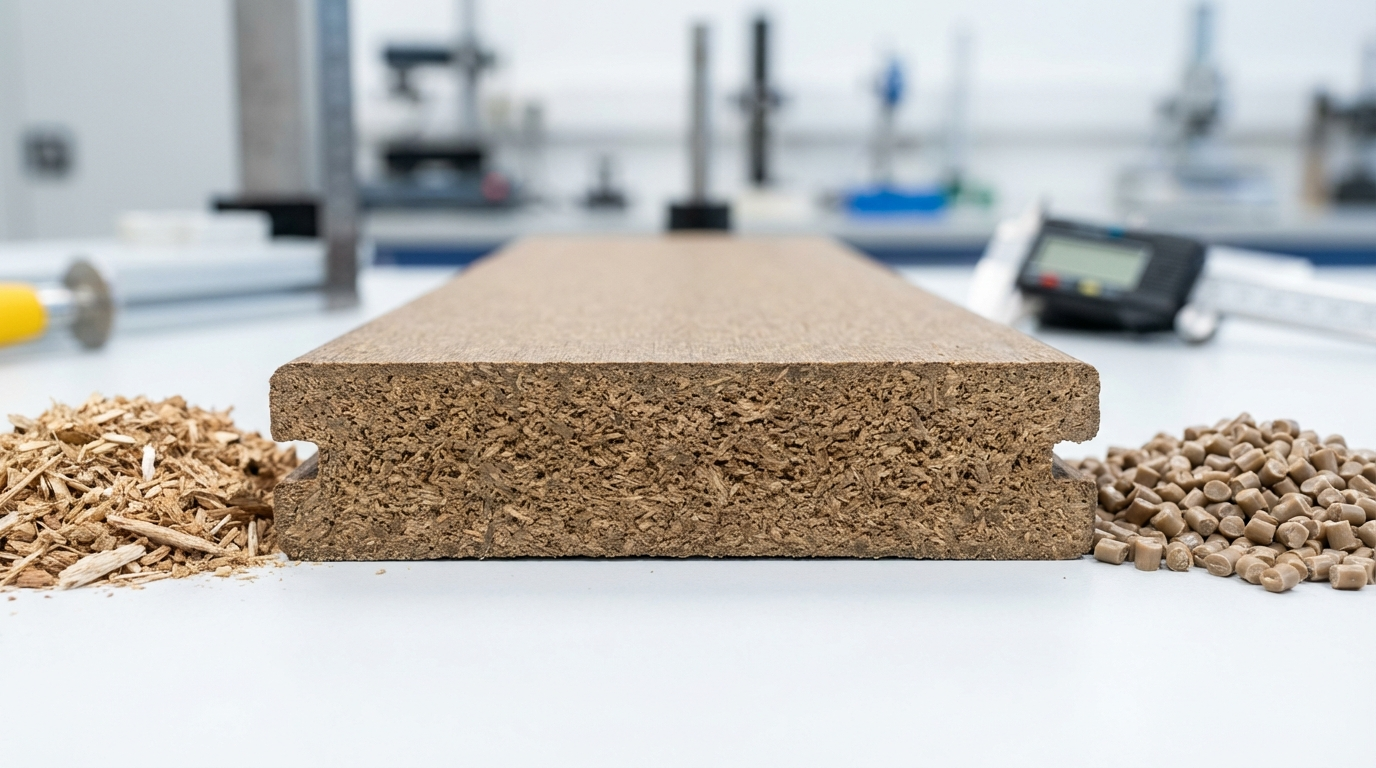
Particleboard cores use compressed wood particles bonded with resins, offering a denser, more uniform fill. While slightly less rigid than blockboard under heavy impacts, it absorbs vibrations well, suiting bedroom or office doors. Indian manufacturers often grade these cores for moisture resistance (MR grade for interiors), ensuring they withstand monsoon-season humidity without delaminating if properly sealed.
Smooth Surface: Design and Practical Benefits
The hallmark flat face of a flush door comes from thin hardwood veneers (0.8-1.2mm) glued over the core. This surface accepts paint, laminate, PVC foil, or veneer overlays directly, allowing customization without additional framing. For Indian homeowners renovating apartments, this simplicity speeds up interior finishing—painters can apply PU or enamel coats in one go, achieving a modern, minimalist look popular in urban projects.
- Paint-ready: Absorbs primer evenly, reducing brush marks.
- Laminate-compatible: Strong adhesive bond for high-pressure laminates (HPL), ideal for moisture-prone bathrooms.
- Low maintenance: No crevices for dust accumulation, common in dusty northern Indian cities.
Durability in Real-World Indian Scenarios
Flush doors excel in everyday durability due to their solid core thickness (usually 25-35mm), which resists sagging on standard hinges. Blockboard cores handle termite threats better in untreated wood regions like Uttar Pradesh, provided they use phenolic resins. Particleboard variants, often denser, perform well against minor impacts from daily use but require edge sealing to prevent resin swelling.
Key durability drivers:
| Factor | Blockboard Core | Particleboard Core |
|---|---|---|
| Moisture Resistance | Moderate (needs BWR glue) | Good with MR-grade resins |
| Impact Strength | High (strip reinforcement) | Medium (uniform density) |
| Termite Resistance | Better with softwood treatments | Relies on chemical additives |
| Warp Resistance | Excellent crossbanding | Good if kiln-dried |
Architects specify these for high-traffic areas like servant rooms, balancing longevity with replacement ease after 10-15 years.
Affordability Breakdown for Indian Buyers
Flush doors undercut membrane-pressed or solid wood options due to efficient material use—cores from fast-growing plantation woods keep costs in check. Homeowners in tier-2 cities like Jaipur or Coimbatore find them 30-50% cheaper per square foot than veneered teak doors, factoring in labor for finishing.
Cost influencers:
- Core type: Blockboard adds 10-20% over particleboard due to labor-intensive stripping.
- Thickness and size: Standard 32mm x 7x3 ft doors cost less per unit than custom oversizes.
- Finish prep: Raw doors save on-site; pre-laminated versions raise dealer margins.
- Regional variance: Northern mills offer lower rates from abundant poplar; southern prices reflect transport from Kerala hubs.
Contractors favor them for bulk projects, as uniformity reduces fitting adjustments.
Typical Applications in Indian Interiors
In Mumbai high-rises or Delhi bungalows, flush doors suit bedrooms, kitchens, and wardrobes. Their flat profile aligns with modular furniture trends, enabling flush-fit installations. Interior designers pair them with laminates mimicking wood grains for budget luxury, while contractors use them in bulk for plotted developments where speed trumps aesthetics.
Flush Door vs. Competing Door Types
Buyers often weigh flush doors against alternatives based on project needs.
| Door Type | Core Material | Best For | Not Ideal For |
|---|---|---|---|
| Flush Door | Solid blockboard/particleboard | Affordable interiors, quick installs | Heavy exterior exposure |
| Panel Door | Solid wood frame + panels | Traditional aesthetics | High humidity (warps easily) |
| Hollow Flush | Paper honeycomb | Ultra-light budgets | Sound/privacy needs |
| Membrane Door | MDF + PU coating | Premium finishes | Basic raw needs |
Practical Buying Guide for Homeowners and Contractors
Inspect core quality at dealers: Tap for solid thud (not hollow echo), check edges for voids. Demand ISI-marked (IS 2202) for glue and wood standards, ensuring BWR-grade adhesives for semi-wet areas. Homeowners: Opt for branded mills in Punjab or Tamil Nadu for consistency. Contractors: Bulk from wholesalers, prioritizing thickness over fancy faces.
Decision logic:
- Budget under constraint? Particleboard core.
- Durability priority? Blockboard with edge banding.
- Custom finish? Ensure smooth priming.
Frequently Asked Questions About Flush Doors
Are flush doors suitable for bathrooms?
Yes, with BWP-grade cores and PVC lamination; avoid plain blockboard in direct water contact.
How do flush doors compare to plywood shutters?
Flush doors are pre-framed solids, easier to hang; plywood needs custom framing, better for cabinets.
Can flush doors be termite-proof?
Treatments like boric acid in glue help, but pair with building-wide precautions in termite-prone belts.
What thickness is standard for flush doors?
25mm for light use, 32-35mm for main doors; thicker resists hinge wear.
Do flush doors need special hinges?
Standard butt hinges suffice; heavier doors benefit from three per side.
Want Plywood Suggestions?
Share a few details and a PlyPrice specialist will suggest suitable brands and connect you to responsive dealers.