What Is E1 MDF? Low Emission Grade, Formaldehyde Limits and Safety
E1 is the formaldehyde emission class for MDF that meets a defined low-emission limit considered safe for general indoor use, such as wardrobes and kitchen cabinets. It emits more than E0, so pick E0 for nurseries or tightly closed rooms if the budget allows.
What Is E1 MDF? Emission Class Basics
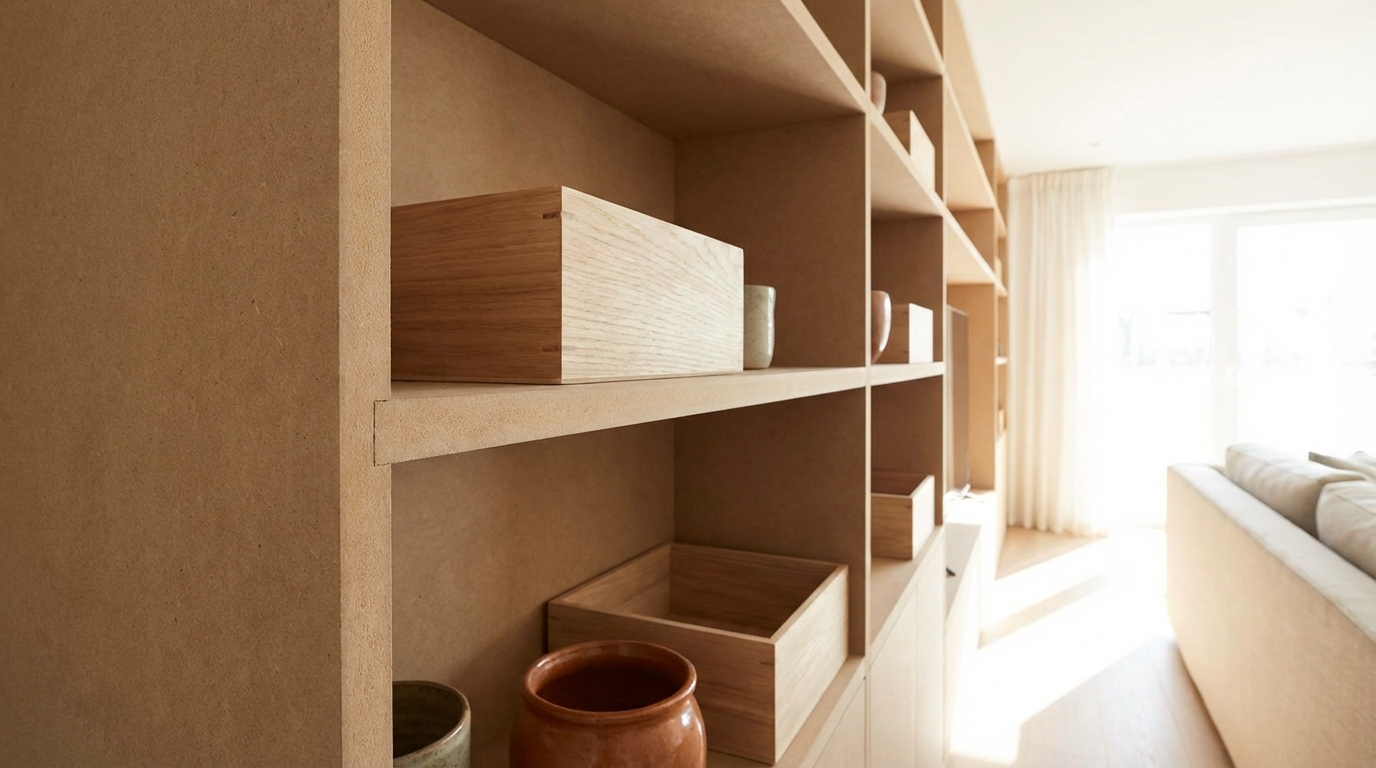
MDF, or medium-density fiberboard, forms a core material in Indian furniture manufacturing, from wardrobes to kitchen cabinets. E1 MDF refers specifically to its formaldehyde emission classification, designating boards that meet a defined low-emission threshold suitable for general indoor applications. This grade ensures the material releases formaldehyde at levels considered safe for prolonged human exposure in typical home or office settings.
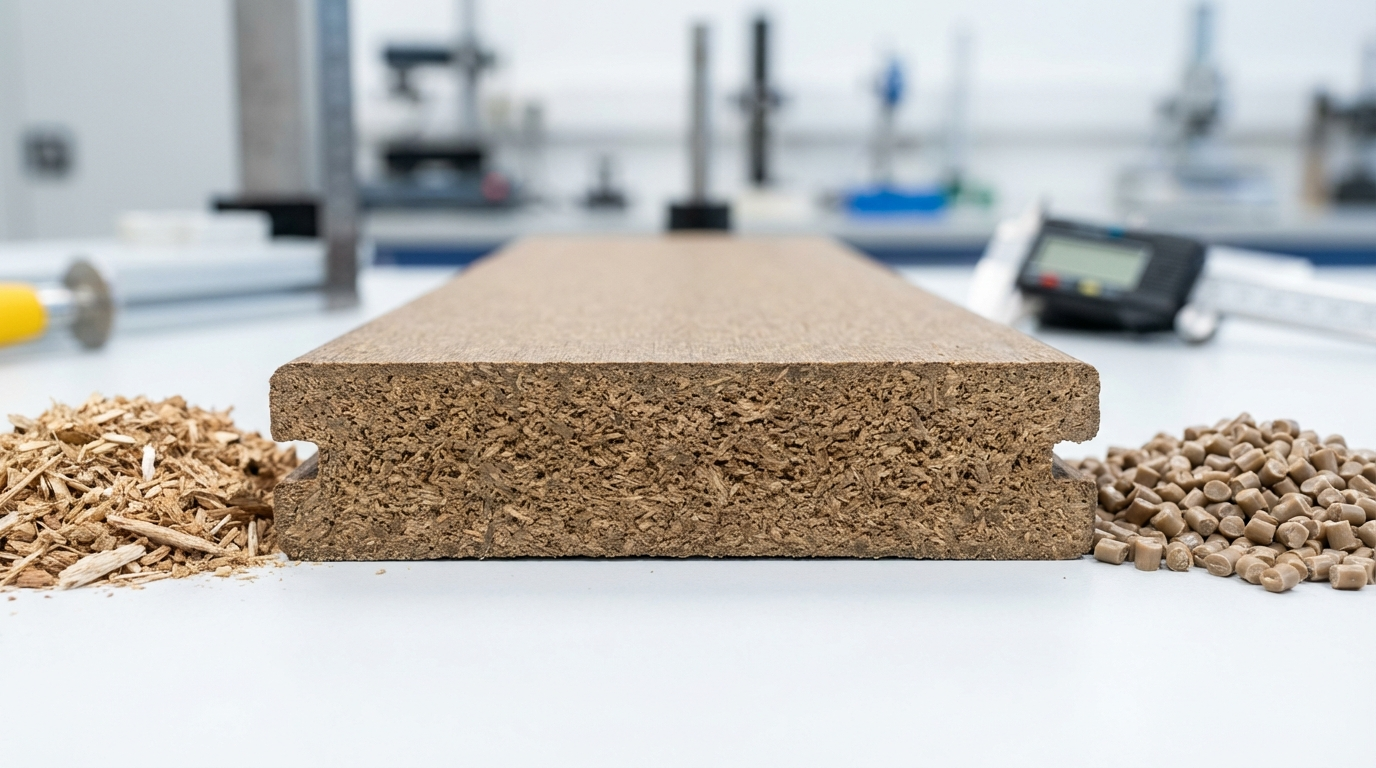
In production, MDF binds wood fibers using resins containing formaldehyde-based compounds for strength and stability. The E1 rating quantifies how much of this substance escapes as gas over time, addressing a key concern for buyers in humid Indian climates where off-gassing can intensify.
Formaldehyde in Engineered Wood: Why It Matters
Formaldehyde acts as a preservative and binder in MDF resins, enabling the board's density and machinability prized by carpenters for flush doors and modular furniture. However, as a volatile organic compound, it can irritate eyes, skin, and respiratory systems at elevated levels, prompting emission standards worldwide.
Emission classes like E1 arise from testing protocols that measure release rates under controlled conditions, such as temperature and humidity mimicking real-world use. For Indian users, this is critical: high ambient moisture in coastal or monsoon regions accelerates outgassing, making controlled emission boards preferable for enclosed spaces like bedrooms.
E1 Emission Limits and Testing
The E1 standard, rooted in European Norm EN 13986, caps formaldehyde emissions at 0.124 mg/m³ when tested via the EN 717-1 chamber method. This equates to roughly 8 mg/100g in the perforator method, though labs prioritize chamber testing for accuracy reflecting actual indoor air quality.
Boards achieving this limit undergo certification by accredited bodies, verifying consistency across production batches. In practice, E1 MDF suits non-specialized furniture where ventilation occurs naturally, but architects specify it explicitly in blueprints to align with occupant health priorities.
How E1 Differs from Higher Emission Grades
- Higher classes (e.g., E2) permit up to 0.5 mg/m³, historically common in budget boards but phased out in regulated markets due to health risks.
- E1 strikes a balance: emission control without excessive resin reformulation that could raise costs or compromise board strength.
E1 MDF Safety for Indian Homes and Furniture
For homeowners assembling wardrobes or cabinets, E1 MDF minimizes long-term exposure risks, especially in poorly ventilated Indian apartments. Contractors favor it for compliance with client demands on green building materials, while interior designers integrate it into layered finishes like laminates to further seal emissions.
In India's diverse climates—from Delhi's dry winters to Mumbai's humidity—E1 boards maintain integrity without excessive swelling or off-gassing spikes. Parents and allergy-prone families particularly seek this grade, as pediatric guidelines worldwide flag formaldehyde sensitivity in children.
Global Standards and Indian Market Alignment
E1 originates from European regulations but aligns with international benchmarks like California's CARB Phase 2 (≤0.11 mg/m³), often cross-referenced by Indian importers. Japan's F**** standard exceeds E1 but influences premium segments here.
Domestically, BIS IS 12406 covers MDF but emphasizes performance over emissions; however, enlightened dealers stock E1-certified imports or local equivalents to meet architect specs. Verify labels for EN 13986 or CARB compliance, as self-declared claims lack third-party rigor.
Comparing E1 with E0 and Other Grades
| Grade | Emission Limit (mg/m³, EN 717-1) | Typical Use Case | Cost Relative to E1 | Availability in India |
|---|---|---|---|---|
| E0 | ≤0.05 | Hospitals, nurseries; ultra-low emission needs | 20-40% higher | Limited to imports/premium brands |
| E1 | ≤0.124 | General furniture, wardrobes, offices | Baseline | Widespread in mid-range market |
| E2 (phasing out) | ≤0.50 | Exterior or temporary applications | 10-20% lower | Budget dealers, rural markets |
This table highlights trade-offs: E0 offers superior safety at a premium, suiting high-end modular kitchens, while E1 provides practical value for most Indian projects. Costs vary by resin tech, thickness (e.g., 18mm boards cost more), and sourcing—imported E1 edges out local in consistency but inflates dealer prices.
Practical Considerations for Buyers in India
When sourcing E1 MDF, prioritize suppliers with emission test reports over mere labels. Thickness impacts emission potential: thinner boards (6-12mm) off-gas less than heavy 25mm slabs used in structural elements.
Post-purchase, enhance safety via edge banding, lamination, and ventilation during installation. In humid zones, pair with moisture-resistant grades like HDHMR, though E1 focuses solely on emissions.
Common Pitfalls to Avoid
- Assuming all "low-formaldehyde" claims equal E1—demand quantifiable data.
- Overlooking storage: prolonged warehouse exposure in hot Indian sheds can elevate initial out-gassing.
- Ignoring application: E1 suits interiors but not direct water contact like shutters.
Decision Framework for Architects and Contractors
Evaluate E1 MDF by project scale: for mass housing, its availability trumps E0's scarcity. Cost drivers include urea-formaldehyde vs. melamine upgrades and certification overheads. In dealer ecosystems from Mumbai to Chennai, negotiate for bulk E1 at 10-15% below retail by verifying origin docs.
Ultimately, E1 represents a threshold where health, performance, and affordability intersect, empowering informed choices amid India's booming furniture sector.
Related guides on PlyPrice
Want Plywood Suggestions?
Share a few details and a PlyPrice specialist will suggest suitable brands and connect you to responsive dealers.