What Is Core Veneer? The Inner Layers That Decide Plywood Strength
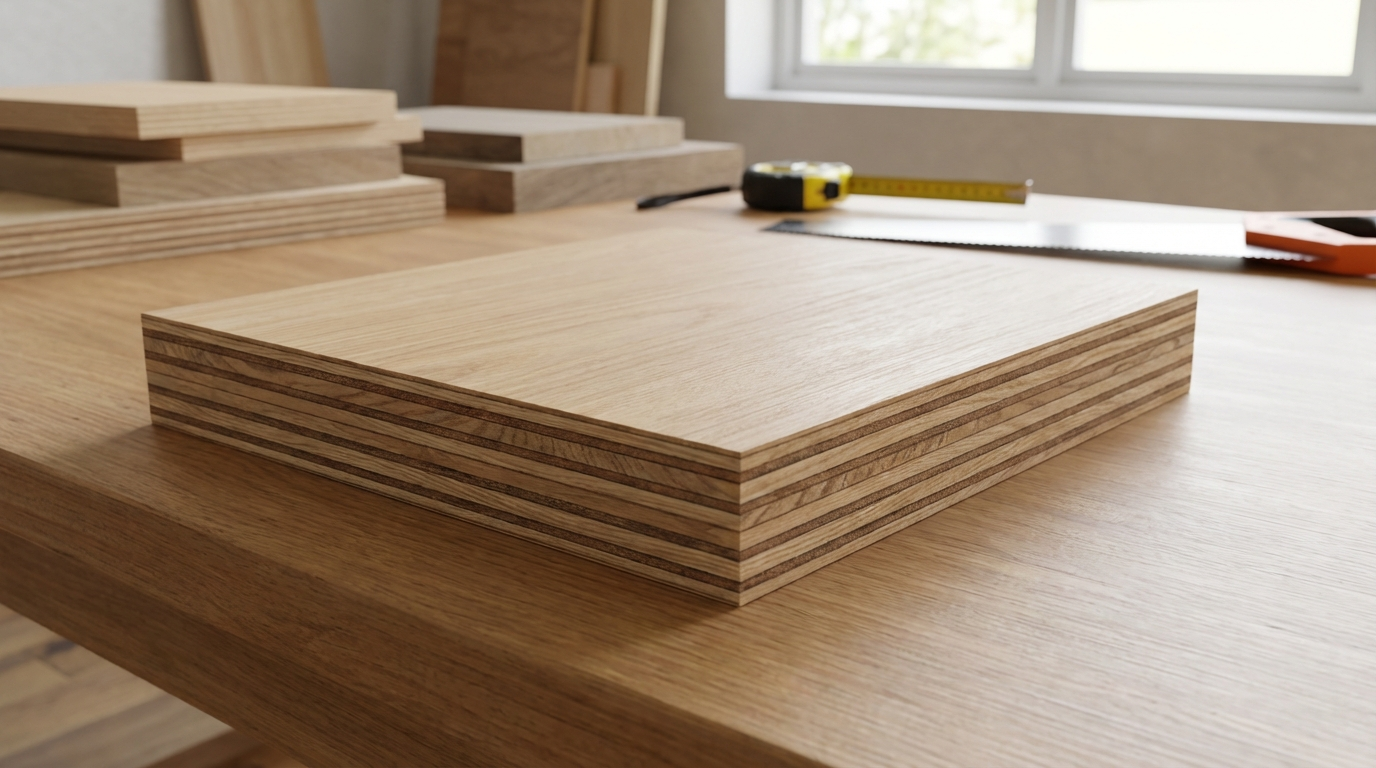
Core veneer is the set of inner wood sheets stacked between plywood's face and back veneers; it makes up about 60-80% of the sheet's thickness and much of its strength. Gaps in the core weaken the panel even when the face looks perfect.
Defining Core Veneer: The Backbone of Plywood Thickness
In plywood manufacturing, core veneer represents the intermediate wood sheets stacked between the outer face and back veneers to achieve the desired panel thickness. These internal layers, typically sourced from softer woods like poplar, eucalyptus, or tropical hardwoods prevalent in India, provide the bulk of the plywood's structural volume. Unlike the aesthetic-focused face veneers, core veneers prioritize uniformity and density to support load distribution across the panel.

From a first-principles perspective, plywood derives its strength from cross-laminated veneers glued under pressure, with the core forming 60-80% of the total thickness in standard 18mm sheets. In India's variable climate—marked by high humidity in coastal regions like Mumbai or Kerala and dry heat in Rajasthan—core veneer quality directly influences how well the plywood withstands swelling, warping, or delamination during construction or furniture use.
Plywood Layer Anatomy: Isolating the Core Veneer Role
Plywood consists of an odd number of veneers (e.g., 9 or 11 plies in an 18mm board) arranged symmetrically. The outermost layers handle surface finish and initial exposure, while the core veneers—positions 3 through 7 in a 9-ply setup—bear the primary mechanical stress.
- Face and back veneers: Thinner (1-1.5mm), selected for grain appearance and glue adhesion.
- Core veneers: Thicker (1.5-2.5mm each), focused on consistent thickness to minimize voids.
Contractors in Indian projects, such as formwork for high-rise concrete pours in Delhi-NCR, rely on robust cores to prevent sagging under wet cement weight. Homeowners fitting wardrobes in humid Bangalore homes face risks if cores lack density, leading to premature sagging.
Core Gaps: The Hidden Flaw That Undermines Strength
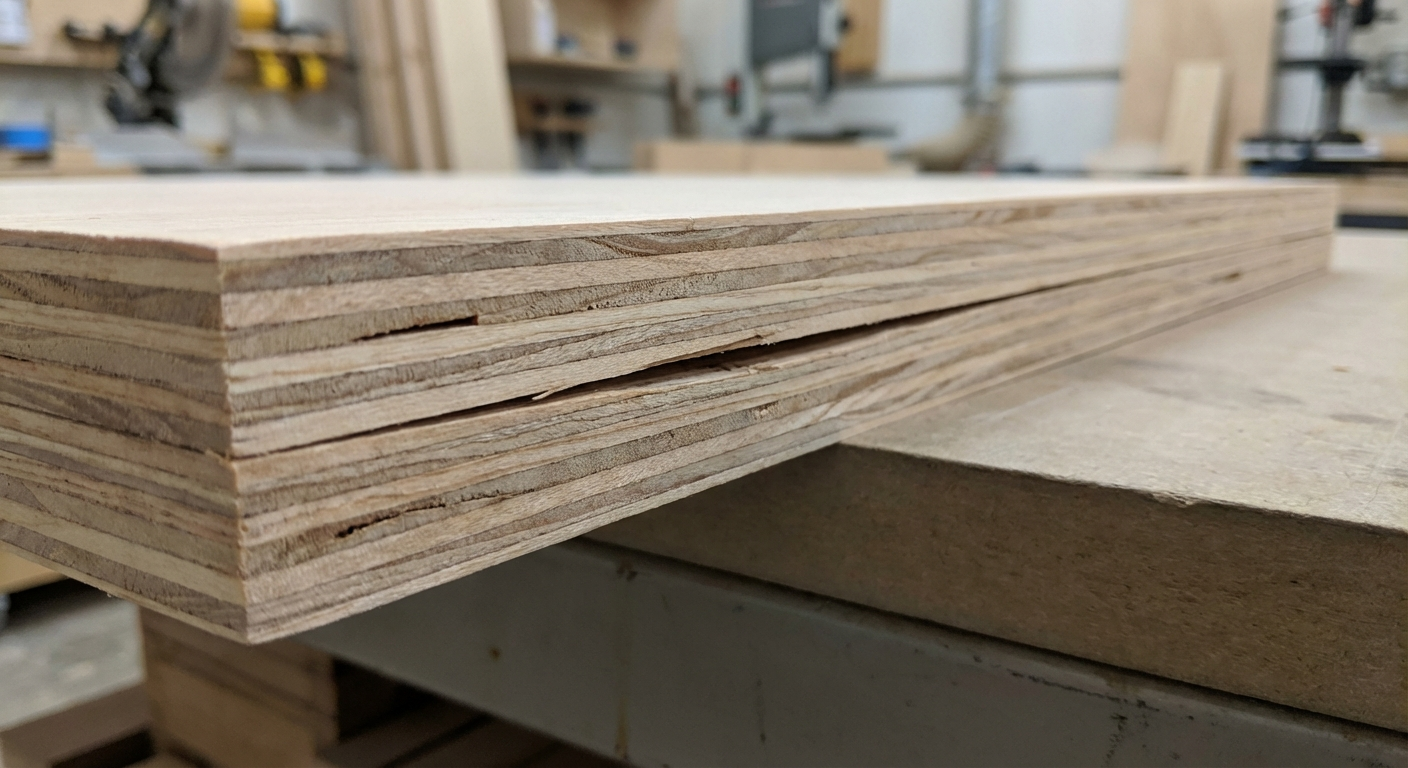
Core gaps are air pockets or separations between core veneer sheets, often resulting from poor log conditioning, inconsistent peeling, or substandard gluing. Even small gaps (under 1mm) accumulate across layers, reducing effective wood content by 10-20% and creating weak planes prone to shear failure.
In practical terms, quality core gaps—meaning minimal or absent voids—ensure glue lines bond fully, distributing loads evenly. Indian buyers encounter this issue frequently in low-end MR-grade plywood sourced from unorganized mills in Uttar Pradesh or Assam, where rushed production skips vacuum pressing.
| Aspect | Good Core Veneer (Gap-Free) | Poor Core Veneer (Gapped) |
|---|---|---|
| Bending Strength | High; uniform stress transfer | Low; localized buckling at gaps |
| Moisture Resistance | Better; less water ingress paths | Poor; gaps swell faster in monsoons |
| Screw Holding | Strong grip over full thickness | Weak; screws push through voids |
| Typical Indian Use Case | Furniture carcasses, shuttering | Quick-fix partitions (short lifespan) |
How Core Gaps Form and Propagate in Indian Production
During rotary peeling, uneven log moisture (above 12%) causes veneer buckling. Inadequate drying or misaligned stacking exacerbates this. Regional variations play a role: South Indian mills using rubberwood cores often achieve tighter gaps due to better machinery, while North Indian poplar-based production struggles with fibrous inconsistencies.
Measuring Core Veneer Impact on Overall Plywood Strength
Strength metrics like modulus of elasticity (MOE) and rupture (MOR) drop 15-30% with poor cores, per basic lamination theory. In India, this translates to real-world failures: a gapped core in BWR plywood might hold for dry interiors but fail in bathroom vanities exposed to steam.
Architects specifying for coastal projects (e.g., Goa resorts) prioritize dense cores for screw retention in modular furniture. Contractors value them for reusable shuttering, where repeated wetting-drying cycles expose gaps early.
Visual and Tactile Checks for Core Veneer Quality at Indian Dealers
Buyers shouldn't rely solely on labels; inspect samples:
- Edge examination: Hold the plywood vertically to light; uniform color and no black lines signal solid cores.
- Tap test: Knock along edges—hollow sounds indicate gaps.
- Thickness gauge: Verify consistent ply thickness (e.g., 18mm board shouldn't vary by over 0.5mm).
- Cut test: Ask for a cross-cut sample; smooth, gap-free layers confirm quality.
Dealers in Tier-2 cities like Lucknow or Coimbatore often stock mixed quality; compare multiple brands side-by-side to spot core differences.
Core Veneer in Context of Indian Plywood Grades and Norms
ISI IS:303 standards reference core uniformity indirectly through bond strength tests, but enforcement varies. MR-grade plywood (moisture-resistant) tolerates minor gaps for interior use, while BWP (boiling water-proof) demands tighter cores for marine or exterior exposure.
HDHMR boards, gaining traction in modular kitchens, use denser HDF cores mimicking veneer stacks but with engineered uniformity—less prone to gaps than traditional plywood.
Regional Sourcing and Core Veneer Variations
- North India (Poplar cores): Cost-effective but gap-prone if not kiln-dried properly.
- South India (Rubberwood/Eucalyptus): Denser, better for load-bearing.
- Imported cores (Pine/Birch): Rare in retail, used in premium marine ply.
Buyer Decision Logic: When Core Veneer Quality Justifies Higher Cost
For homeowners, invest in gap-free cores for long-term furniture (10+ years life). Contractors prioritize them for reusable formwork to cut project costs. Interior designers balance aesthetics with core strength for concealed frameworks.
Cost drivers: Dense cores add 20-40% to base price due to selected timber and pressing tech, but reduce waste from failures. Avoid over-specifying for low-stress uses like temporary partitions.
Alternatives to Traditional Core Veneer in Modern Indian Builds
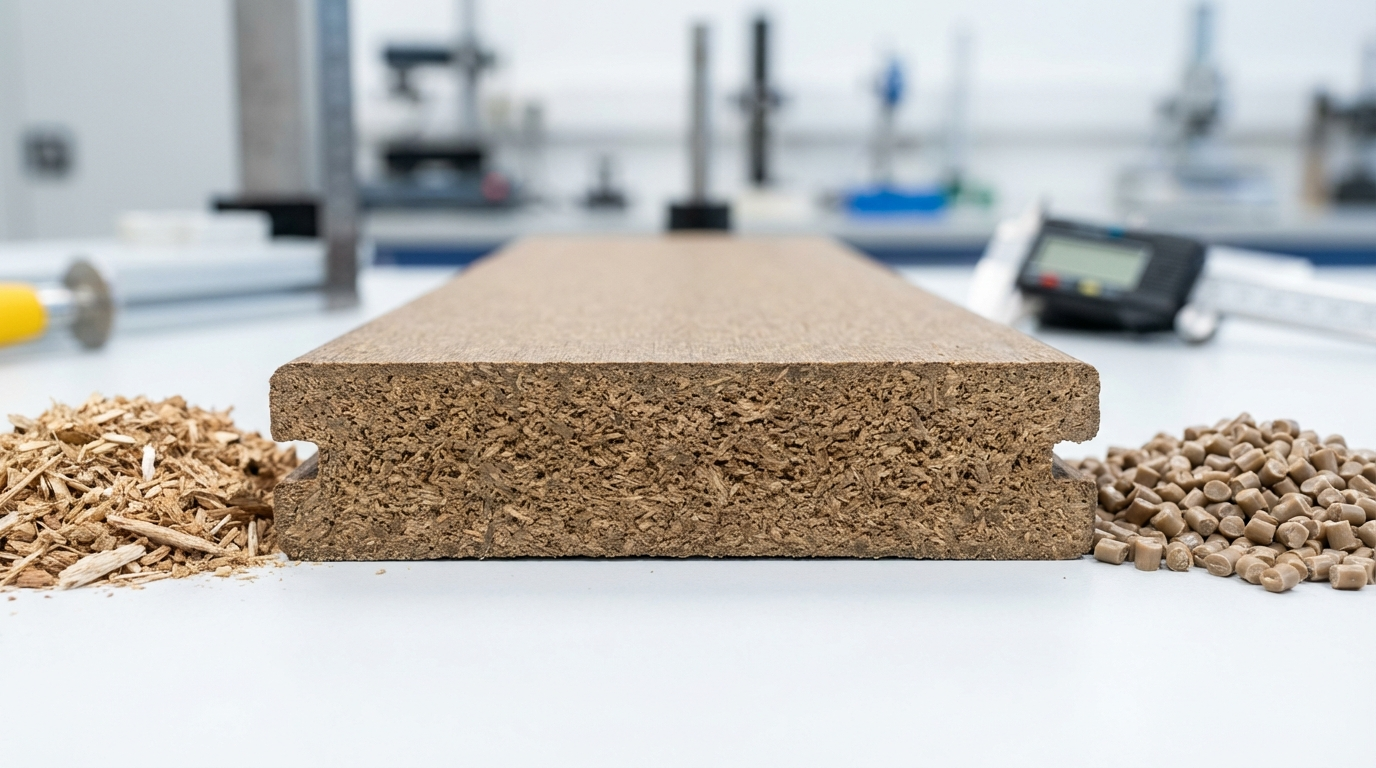
Engineered options like finger-jointed lumber cores or particleboard laminates offer gap-free alternatives, though with trade-offs in machinability. Blockboard, with solid timber core strips, sidesteps veneer gaps entirely but swells more in humidity.
In summary, core veneer's integrity underpins plywood reliability—inspect diligently to align with your project's demands in India's diverse conditions.
Related guides on PlyPrice
Want Plywood Suggestions?
Share a few details and a PlyPrice specialist will suggest suitable brands and connect you to responsive dealers.