What Is Calibrated Plywood? Thickness Tolerance, Uses and Cost
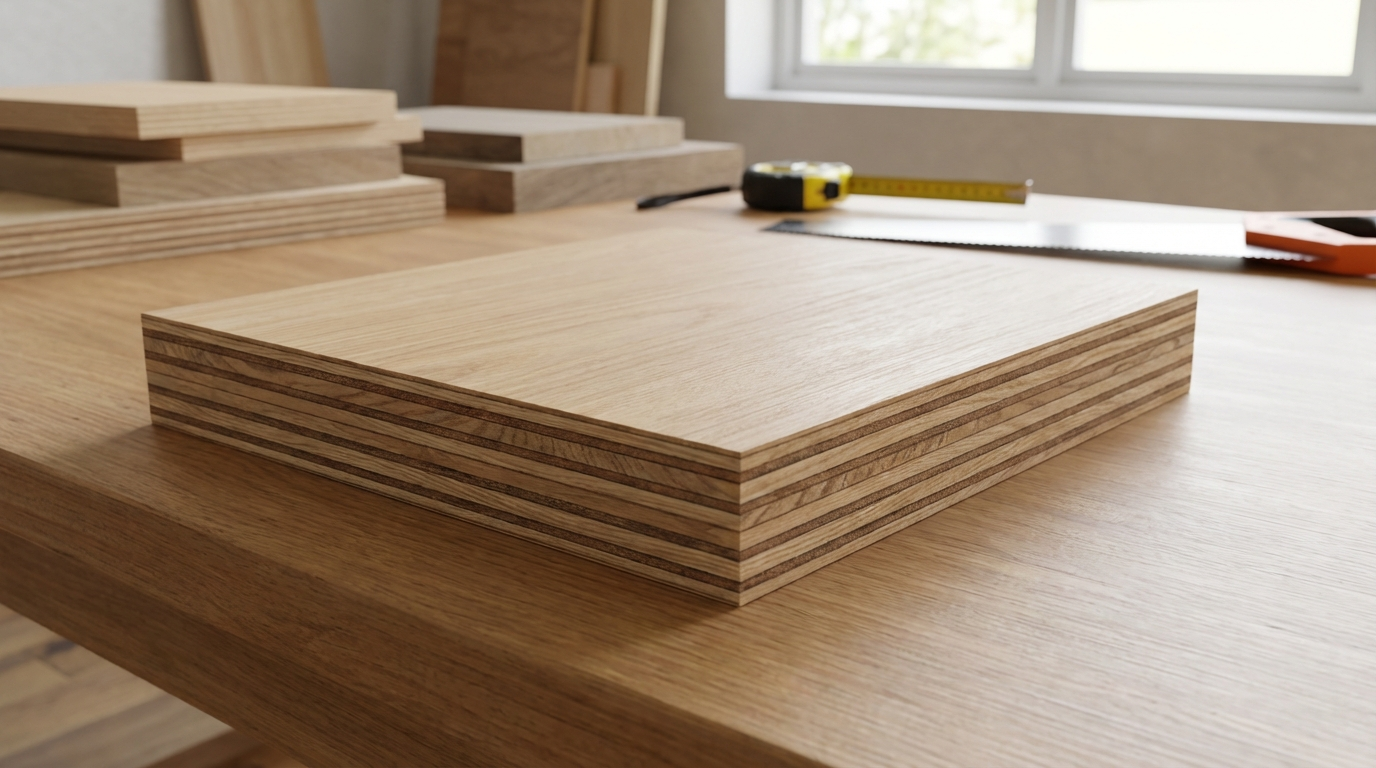
Calibrated plywood is sanded or planed after pressing so its thickness stays within about ±0.2-0.3mm across the sheet, while standard plywood can vary by 1mm or more. That consistency matters for modular furniture, edge banding and CNC cutting, where uneven sheets cause gaps.
Last updated: . Grades and standards checked against current BIS standards.
Defining Calibrated Plywood: Uniform Thickness Explained
In the Indian plywood market, calibrated plywood refers to sheets processed to maintain consistent thickness across the entire surface, typically within a tolerance of ±0.2mm to ±0.3mm. This precision arises from sanding or planing after pressing, ensuring no variations from warping, glue lines, or raw material inconsistencies. Unlike standard plywood, where thickness can fluctuate by 1mm or more due to manufacturing variances, calibrated versions deliver flat, even surfaces ready for high-precision applications.
From a first-principles view, plywood thickness uniformity addresses core challenges in woodworking: uneven sheets lead to misalignment in joints, gaps in laminations, and failures in automated machining. In India's humid coastal regions or monsoon-prone interiors, where ambient moisture causes swelling, this calibration provides a stable base, reducing post-installation defects.
The Role of Calibration in Modular Furniture Fabrication
Modular furniture—cabinets, wardrobes, and kitchens—dominates urban Indian interiors, driven by space constraints in apartments and the rise of ready-to-assemble systems. Calibrated plywood ensures perfect alignment during CNC routing, edge banding, and assembly. For instance, when shutters align with carcasses, even 0.5mm deviations cause visible gaps or binding doors, frustrating homeowners and contractors alike.
Architects specify calibrated sheets for modular projects to meet client expectations for seamless finishes. In dealer ecosystems, from Mumbai wholesalers to Delhi fabricators, calibrated options command preference for projects under 18mm thickness, where precision tolerances are non-negotiable.
Precision Requirements for Machine Work and CNC Compatibility
Machine work, including panel sawing, drilling, and engraving, relies on calibrated plywood to avoid tool breakage or inconsistent cuts. CNC machines, now standard in Indian furniture workshops from Gujarat to Tamil Nadu, program feeds based on nominal thicknesses like 18mm or 19mm. Variations in non-calibrated sheets cause bit deflections, kerf errors, and material waste.
Contractors report that calibrated plywood cuts processing time by 20-30% in batch production, as no manual sanding or shimming is needed. This efficiency proves critical in high-volume orders for hotels, offices, or residential complexes, where rework inflates costs.
How Calibrated Plywood Differs from Standard Sheets
| Aspect | Calibrated Plywood | Standard Plywood |
|---|---|---|
| Thickness Tolerance | ±0.2-0.3mm | ±0.5-1.5mm or more |
| Surface Flatness | Uniform, machine-ready | May have waves or bows |
| Post-Processing | Sanded/planed after pressing | Minimal or none |
| Ideal Use | Modular, CNC, laminates | Shuttering, rough carpentry |
| Cost Relative to Standard | 10-25% higher | Baseline |
| Moisture Sensitivity Post-Calibration | Requires edge sealing in humid areas | Less critical for non-precision work |
This comparison highlights why calibrated plywood suits precision-driven buyers, while standard suffices for structural framing in site-built construction.
Manufacturing Process Behind Calibration
Calibration begins with standard plywood production: veneers glued, pressed, and trimmed. Post-pressing, sheets pass through wide-belt sanders or calibrating machines that remove high spots and level the face. Indian mills, adhering loosely to ISI IS:303 norms for MR, BWR and BWP grades, add this step selectively for export or premium lines.
Key drivers include glue uniformity and press pressure control. In regions like Kerala or Uttar Pradesh, where hardwood veneers vary seasonally, double calibration—face and back—ensures balance against warping. The process adds labor and equipment costs, explaining the price premium.
Practical Applications in Indian Construction and Interiors
- Wardrobes and Kitchens: Ensures drawer slides and hinges fit without adjustments, vital in humid metros like Chennai or Kolkata.
- Commercial Fitouts: Office partitions and retail displays demand flat sheets for vinyl wrapping or painting.
- Furniture Export Units: Gujarat and Himachal Pradesh factories calibrate for overseas standards, avoiding rejection.
- Shuttering Alternatives: Rare, but thin calibrated sheets work for curved formwork in RCC slabs.
Homeowners prioritize it for DIY modular kits, while contractors weigh it against budgets for bulk site work.
Identifying Calibrated Plywood at Dealers or Sites
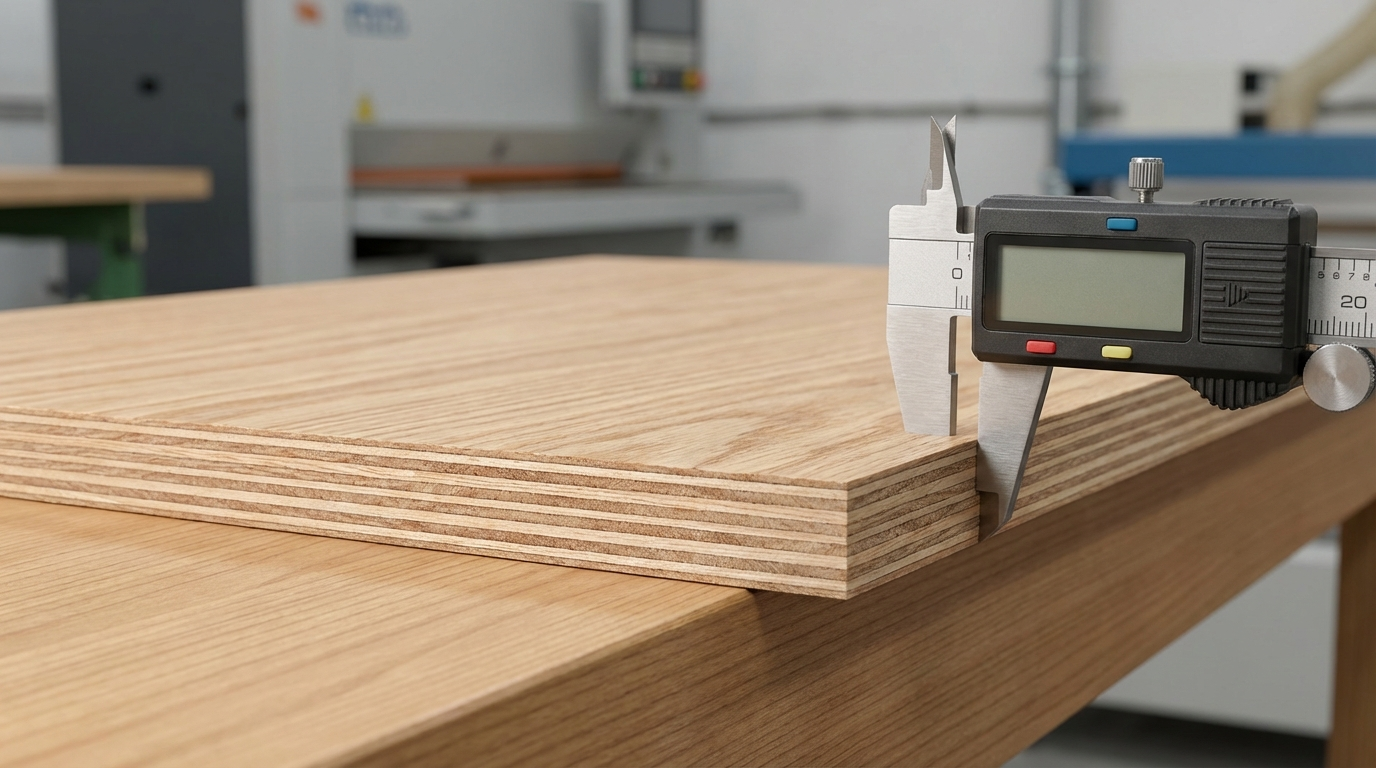
Visually, check for smooth, parallel faces without telegraphing (veneer patterns showing through). Measure thickness at edges, center, and corners using a digital vernier caliper—deviations under 0.3mm confirm calibration. Reputable dealers mark sheets as "calibrated" or provide mill certificates.
In India's fragmented market, test for squareness: stack sheets; uneven edges indicate poor calibration. Avoid bundles with mixed thicknesses, common in secondary markets like Bhubaneswar or Jaipur.
Buyer Decision Factors for Calibrated Plywood
Assess project needs: precision joinery favors calibration; load-bearing walls do not. Thickness choices—16mm for shutters, 18-19mm for carcasses—amplify uniformity benefits. In monsoon zones, pair with BWR/BWP grades to counter moisture regain post-calibration.
Cost drivers include veneer quality (poplar vs hardwood), brand (neutral mills vs certified), and region (North India cheaper due to proximity to mills). Dealers offer 10-20% markup; negotiate for volume. Architects recommend sampling before bulk buys.
Alternatives like pre-laminated MDF suit some modular uses but lack plywood's screw-holding strength.
Frequently Asked Questions on Calibrated Plywood
Is calibrated plywood stronger than regular plywood?
No inherent strength gain; calibration focuses on dimensional stability. Strength depends on glue, veneers, and grade (MR vs BWP).
Can non-calibrated plywood be made uniform at home?
Possible with belt sanders, but labor-intensive and risks imbalance. Professional calibration ensures both faces.
Does calibration affect moisture resistance?
Sanding thins faces slightly, so apply edge tapes promptly. BWP calibrated variants handle marine exposure better.
How much more does calibrated plywood cost in India?
Typically 10-25% above standard, varying by thickness, grade, and location—higher in South India due to transport.
Is calibration standard under ISI marks?
ISI IS:1659 or IS:303 implies basic tolerances, but true calibration often exceeds via mill processes, not always certified.
Related guides on PlyPrice
Want Plywood Suggestions?
Share a few details and a PlyPrice specialist will suggest suitable brands and connect you to responsive dealers.