Why Plywood Prices Fluctuate: Timber, Resin, Fuel, Labour and Policy
Plywood prices fluctuate because five costs move together: timber, petrochemical-based resin, fuel for freight, labour and government policy. A sheet quoted last month can cost 10-20% more today, so timing and dealer negotiation matter.
Last updated: . Grades and standards checked against current BIS standards.
Navigating Plywood Price Swings: An Indian Market Breakdown
In India's fast-paced construction and furniture sectors, plywood buyers—from contractors quoting for apartment projects to homeowners planning modular kitchens—often face unexpected rate hikes. A sheet quoted at one price last month might cost 10-20% more now. These fluctuations stem from interconnected supply chain dynamics rather than random events. This analysis dissects the five primary drivers: timber costs, resin prices, fuel charges, labor expenses, and government policies. By understanding these, stakeholders can better time purchases, negotiate with dealers, and budget for projects amid monsoon disruptions and global supply shifts.
Timber Costs: The Foundation of Plywood Pricing
Plywood starts with timber. In India most of it is plantation-grown poplar and eucalyptus, with some rubberwood, while imported hardwood supplies face veneers and gurjan cores. Timber is the largest single cost in a sheet. Price volatility here directly ripples through to retail shelves.
Supply Chain Pressures from Global and Local Sources
International factors dominate: A bumper harvest in Vietnam might lower poplar log rates by 15%, easing plywood prices in northern India hubs like Yamunanagar. Conversely, export bans or floods in supplier nations spike costs. Domestically, seasonal logging halts during monsoons (June-September) strain supplies, pushing rates up 20-30% in peak construction seasons like October-March.
Grade-Specific Impacts
| Grade | Primary Timber Type | Typical Cost Sensitivity to Timber Hikes | Buyer Scenario |
|---|---|---|---|
| MR (Moisture Resistant) | Poplar core, hardwood face | High (10% timber rise = 8-12% ply increase) | Budget interiors; most volatile for dealers |
| BWR (Boiling Water Resistant) | Mixed poplar/eucalyptus | Medium (10% rise = 6-10% ply increase) | Commercial kitchens; contractors hedge with bulk buys |
| BWP (Boiling Water Proof/Marine) | Hardwood like gurjan | Lower (10% rise = 4-8% ply increase; premium base) | High-end coastal projects; less affected due to margins |
Contractors in Tier-2 cities like Lucknow or Coimbatore see sharper swings than metro dealers with stockpiles. Tip: Track Mandi log auctions via regional forestry apps for early warnings.
Resin Prices: Binding Costs in a Petrochemical-Dependent Process
Resins like urea-formaldehyde (UF) for MR grades or phenol-formaldehyde (PF) for BWP glue the veneers, comprising 15-25% of costs. India's resin market ties to crude oil derivatives, making it hypersensitive to energy markets.
Oil Price Linkages and Domestic Production Quirks
A $10/barrel crude spike can lift resin costs 12-18% within weeks, as most UF comes from petrochemical giants in Gujarat. PF resins, costlier by 2-3x, fluctuate less due to specialized use but amplify BWP premiums. Monsoon humidity demands higher glue loads, indirectly raising effective costs.
Quality Trade-offs for Buyers
- Low-resin formulations: Cheaper MR ply but prone to delamination in humid Bihar summers.
- High-resin BWP: Stable rates relative to timber but jumps 15% on petrochemical surges.
- Architects specifying ISI-marked ply (IS 303) factor in resin stability for warranties.
In 2026, resin chemical (phenol, formaldehyde) costs rose sharply in March and April; CenturyPly raised prices by about 7% and Greenply by about 4-5%.
Fuel Charges: Logistics Eating into Margins
From log transport via trucks from Kandla ports to factory kilns and dealer godowns, fuel underpins 10-15% of expenses. Diesel volatility, tied to global oil and rupee depreciation, turns a stable quote into a gamble.
Regional Transport Realities
Northern mills ship to South India via 2,000km hauls, where a 10% diesel rise adds 5-7% to landed costs. Eastern regions like Assam face hill road premiums during rains. Electric kiln shifts help majors, but small mills burn more fuel.
Outlook: EV Trucks and Tolls
With toll hikes and BS-VI diesel, expect 8-12% logistics inflation. Contractors mitigate via rail (cheaper for bulk) or local sourcing, but homeowners pay dealer markups absorbing these.
| Route Example | Fuel Cost Share (% of Total) | Impact of 20% Diesel Hike |
|---|---|---|
| North India mill to Mumbai | 12% | +2-3% on MR ply retail |
| Local Kerala dealer pickup | 5% | +1% minimal pass-through |
| Export-oriented Gujarat to port | 15% | +3-4% on marine grades |
Labor Expenses: Skilled Hands Amid Demographic Shifts
Peeling logs, pressing veneers, and finishing demand semi-skilled workers, costing 8-12% in labor-intensive Indian mills. Wages rise with inflation, migration patterns, and skill gaps.
Migration and Wage Pressures
Bihar-Jharkhand migrants fuel Yamunanagar plants; reverse migration after COVID pushed daily wages up. Automated lines in branded factories limit the impact, while the unorganized segment passes wage hikes on fully.
Implications for Different Buyers
Interior designers for villas negotiate fixed quotes absorbing labor flux. Contractors on tight Diwali deadlines face spot surcharges. Skill-training schemes may stabilize skilled labor, but rural-urban wage gaps persist.
Government Policies: Regulations Reshaping the Landscape
Policies, from the BIS Quality Control Order (February 2025) to GST, which stays at 18% for plywood, shape the market.
Key Policy Triggers
- Import Duties: 5-10% hikes on poplar logs protect domestic growers, raising costs 7-10%.
- GST Fluctuations: 18% slab stable, but input tax credits vary by state compliance.
- Forestry Bans: Extended monsoons or court orders that halt felling tighten timber supply.
- PLI Incentives: Boost branded output, potentially lowering mid-tier prices via scale.
State-Level Variations
Tamil Nadu's eco-norms inflate southern rates vs. relaxed Haryana. Dealers advise bulk pre-policy buys.
How These Factors Interact in Real Projects
Rarely isolated, drivers compound: Timber shortage + fuel spike = 25% quarterly jump. A Mumbai contractor for high-rises might see BWR rates rise 18% if all align adversely.
| Scenario | Affected Factors | Est. Price Impact (MR Grade) | Buyer Strategy |
|---|---|---|---|
| Monsoon Peak | Timber, Fuel, Labor | 20-30% | Stockpile BWP alternatives |
| Oil Boom | Resin, Fuel | 12-18% | Shift to low-resin local ply |
| Policy Shift | Govt + Timber | 15-25% | Monitor PIB notifications |
Practical Strategies for Buyers
Timing Purchases
Buy post-monsoon (Oct-Nov) when timber eases; avoid pre-budget March policy shocks.
Negotiation Tactics
Dealers offer 5-10% off for cash bulk; reference Mandi rates. Contractors lock 3-month forwards.
Alternatives to Stabilize Costs
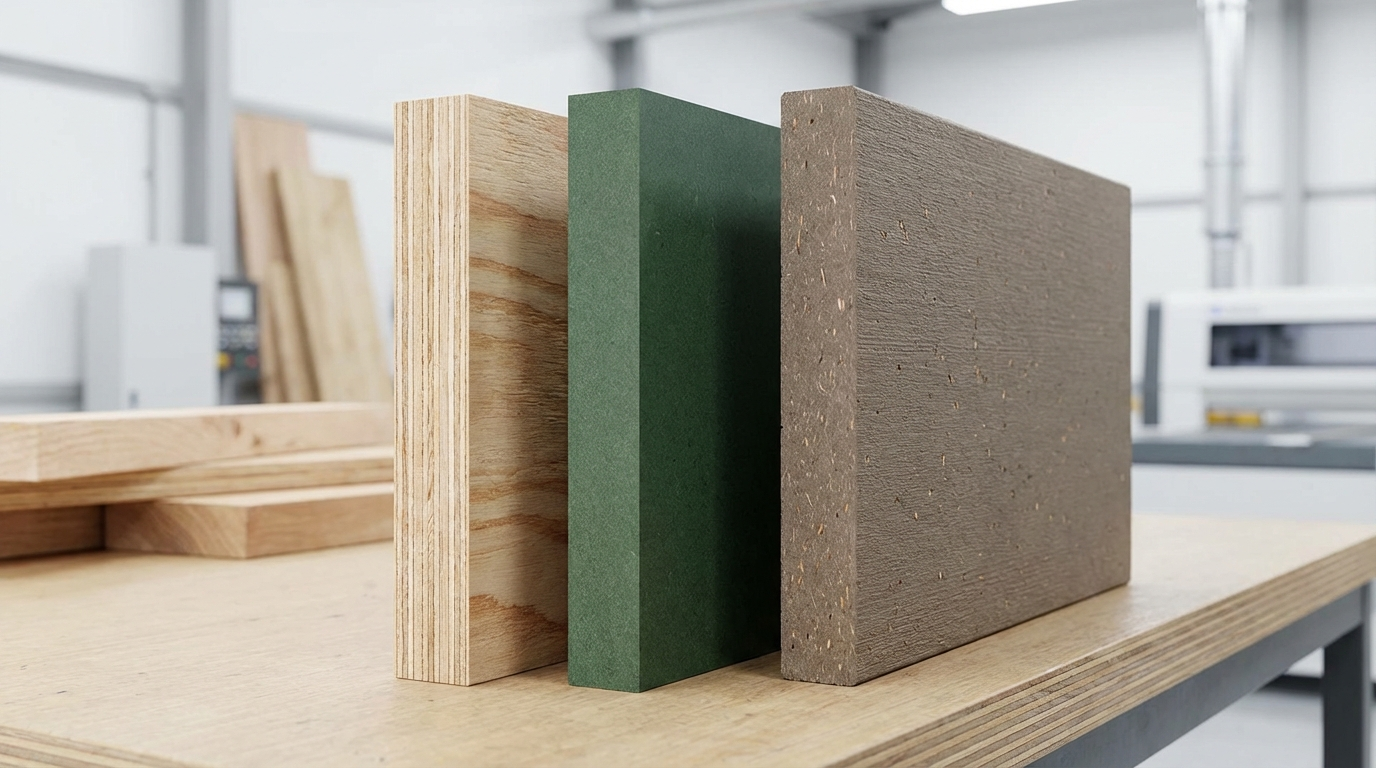
- HDHMR boards: Less timber/resin dependent, 10-15% steadier.
- Blockboard for non-wet areas: Lower glue needs.
- ISI-verified stocks: Predictable quality amid flux.
Homeowners: Factor 15-20% buffer in kitchen budgets. Architects: Specify grades resilient to top drivers like timber.
Plywood Price Outlook: Trends to Watch
With El Niño risks and rupee pressures, anticipate 10-15% average hikes, skewed higher for imports. Track via dealer networks or apps like IndiaMART indices. Informed buyers turn volatility into advantage.
Related guides on PlyPrice
Want Plywood Suggestions?
Share a few details and a PlyPrice specialist will suggest suitable brands and connect you to responsive dealers.