E0 Grade Plywood and GreenPro: Sustainability in India's Plywood Industry
E0 grade plywood is a brand-level label for the lowest formaldehyde emission, stricter than the E1 and E2 classes defined in IS 303:2024. Paired with India's GreenPro certification, it gives buyers two practical markers of greener ply as green-rated projects grow.
Last updated: . Grades and standards checked against current BIS standards.
The Green Wave Transforming India's Plywood Landscape
In India's construction and furniture sectors, where humid climates and rapid urbanization amplify concerns over indoor air quality and resource depletion, a shift toward sustainability is reshaping plywood production. This "green wave" stems from mounting pressures: stricter building norms in green-rated projects, health-conscious homeowners wary of volatile organic compounds (VOCs) during monsoons, and export demands aligning with international benchmarks. Indian manufacturers, facing timber shortages from deforestation in regions like Northeast India, are pivoting to low-emission technologies and responsible sourcing. The result? Plywood that balances durability with environmental accountability, without compromising on boil-water resistance or structural integrity needed for typical Indian applications like modular kitchens and wardrobes.
Decoding E0 Low-Emission Standards: Beyond Basic Compliance
E0 represents the strictest tier in formaldehyde emission classifications for engineered wood, limiting releases to under 0.05 mg/m³—far below the E1 threshold of 0.124 mg/m³ common in entry-level products. Formaldehyde, a preservative in urea-formaldehyde glues, off-gases over time, irritating eyes and respiratory systems, especially in poorly ventilated Indian homes where high humidity slows dissipation.
From first principles, plywood sustainability hinges on glue chemistry: traditional UF resins prioritize bond strength but emit steadily; E0 variants use soy-based, protein, or PMDI (polymeric diphenylmethane diisocyanate) alternatives that form cross-links without free formaldehyde. In India, where plywood often faces 80-90% relative humidity, this reduces long-term VOC buildup, aiding compliance with Indian Green Building Council (IGBC) indoor air quality credits.
| Emission Class | Formaldehyde Limit (mg/m³) | Typical Indian Use Case | Health/Env Impact |
|---|---|---|---|
| E2 | >0.124 | Shuttering/outdoor formwork | High off-gassing; avoid indoors |
| E1 | ≤0.124 | General furniture, partitions | Acceptable baseline; moderate VOC |
| E0 | ≤0.05 | Kitchens, bedrooms, kids' rooms | Minimal emissions; ideal for humidity |
Contractors note E0 adds 15-25% to base costs due to premium resins, but lifecycle savings emerge from reduced health claims and resale value in certified green homes.
GreenPro Certification: India's Homegrown Eco-Marker
Administered by the Confederation of Indian Industry's Green Products & Services Council, GreenPro evaluates plywood across 20+ criteria: from raw material traceability to recyclability and energy use in kilns. Unlike global FSC (which focuses on chain-of-custody), GreenPro incorporates India-specific tests for termite resistance under tropical conditions and effluent treatment for glue waste.
Certified products undergo lifecycle assessments, ensuring lower carbon footprints—critical as India's plywood mills consume vast eucalyptus and poplar plantations. For architects specifying under GRIHA or LEED, GreenPro signals holistic sustainability, covering not just emissions but also water conservation in boiling processes.
Why GreenPro Matters for Different Buyers
- Homeowners: Verifies low-odor boards for asthma-prone families in polluted metros like Delhi or Mumbai.
- Contractors: Eases approvals for IGBC projects, where uncertified plywood risks point deductions.
- Dealers: Boosts margins on premium stock, as urban buyers scan labels amid rising eco-awareness.
Eco-Friendly Practices Gaining Traction Among Indian Producers
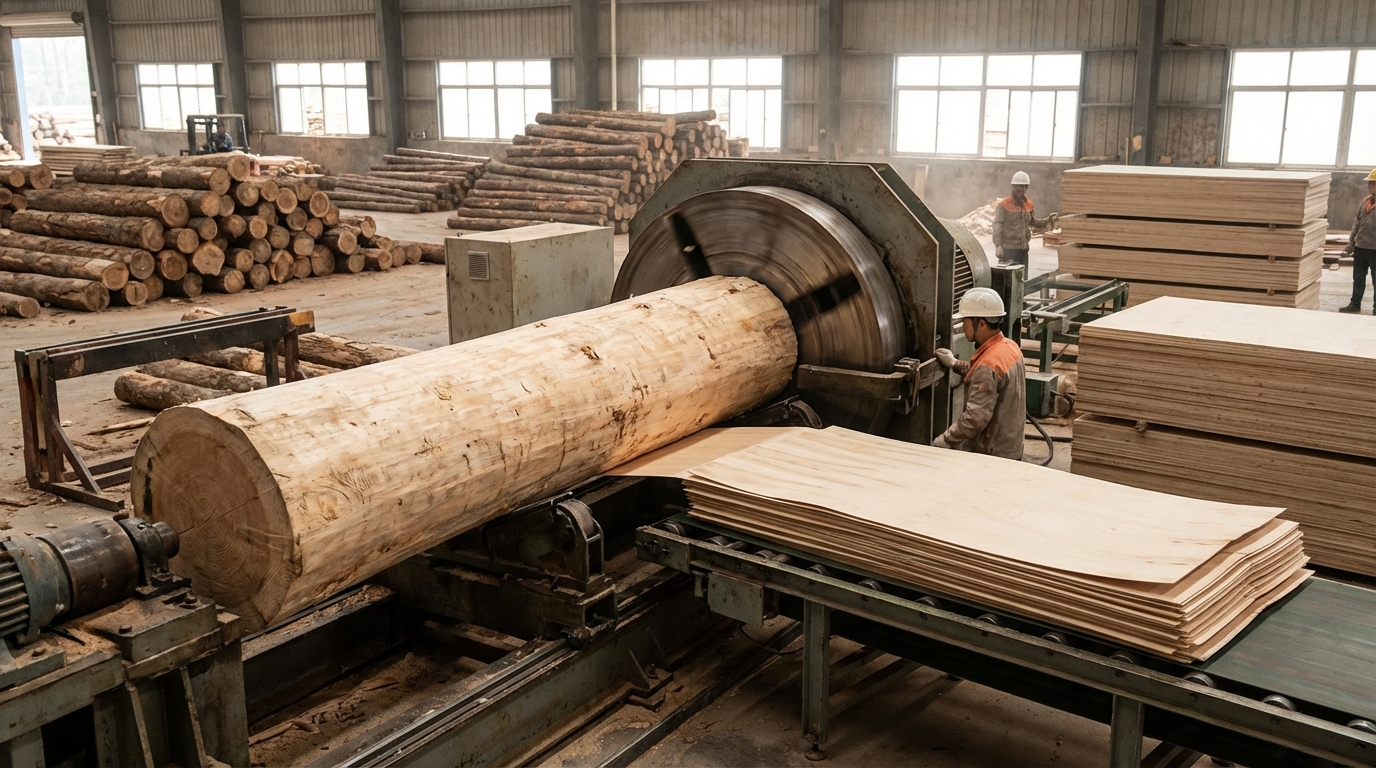
Indian plywood firms are layering sustainability through vertical integration. Poplar farms in Punjab and Uttar Pradesh now employ clonal forestry—fast-growing hybrids harvested every 6-8 years, cutting pressure on natural teak. Mills adopt solar-dried veneers to slash fossil fuel use in steam chambers, vital given erratic power in industrial belts like Yamunanagar.
Glue innovation leads: PMDI enables 100% recycled wood content without delamination in BWR grades. Waste streams—sawdust and trims—fuel biomass boilers, reducing landfill methane. Water recycling in glue mixing loops back 70-80% usage, addressing groundwater strain in plywood hubs.
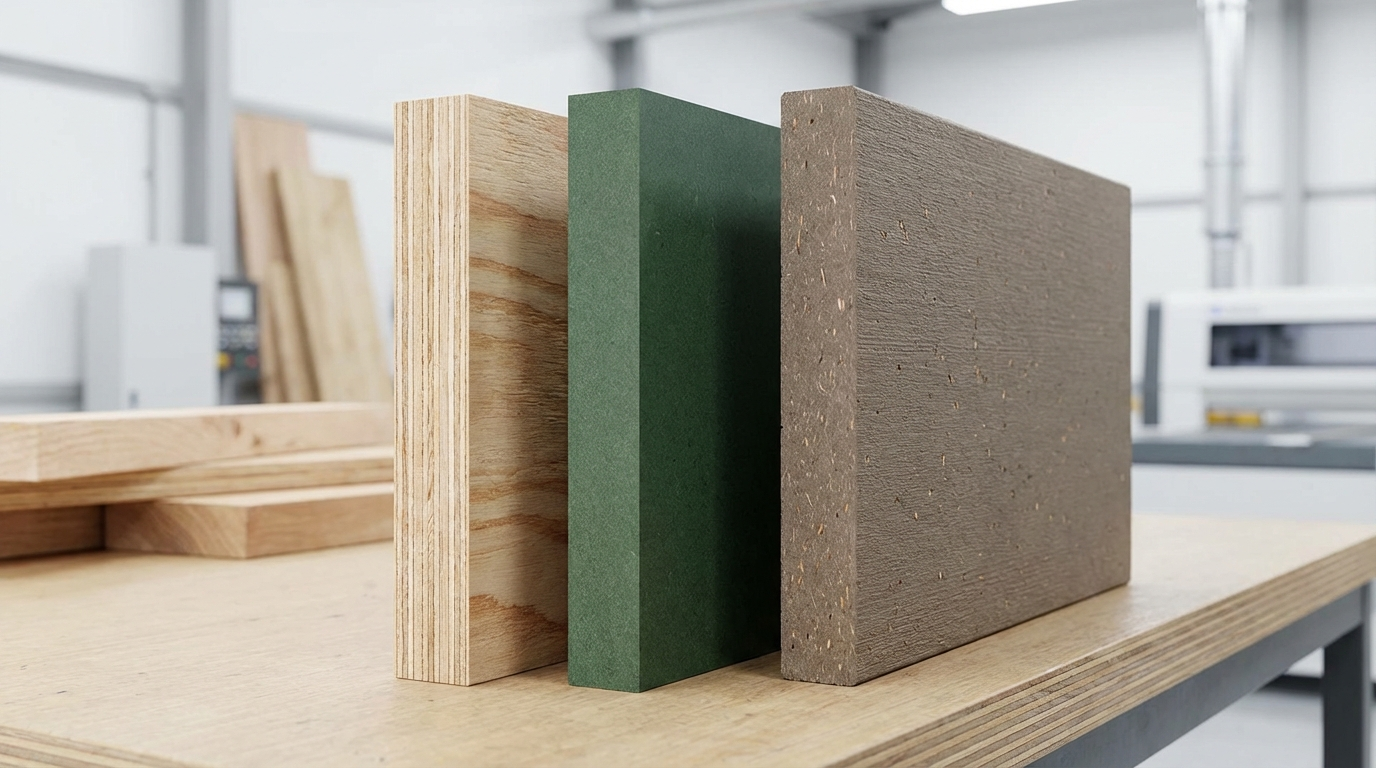
Packaging shifts to biodegradable wraps, minimizing plastic in dealer yards exposed to monsoons. These practices extend to HDHMR and MDF, where E0 binders prevent swelling in coastal Kerala homes.
Indian Brands Embracing E0 and GreenPro: A Neutral Overview
Several manufacturers have invested in E0 lines, verified via third-party labs like NABL-accredited facilities. Greenply offers E0 across MR and BWP grades, emphasizing PMDI for export compliance. Sylvan Ply markets zero-emission blockboards, suitable for humid wardrobes. Duroply and Royale Touche highlight E0 in commercial ranges, balancing cost for contractors.
GreenPro listings have included Vidya Ply, Saras Plywood, and others, covering diverse thicknesses; check the current directory. Not all brands suit every scenario: E0 premiums may not justify for temporary shuttering, where basic MR suffices. Architects weigh alternatives like bamboo composites for ultra-low impact, though plywood's machinability wins for intricate joinery.
Overcoming Hurdles in India's Sustainability Journey
Fragmented supply chains pose risks: small mills (80% of output) lag in tech upgrades, relying on inconsistent urea glues. Enforcement of BIS IS:303 norms varies regionally, with coastal Tamil Nadu pushing greener via incentives. Cost pressures from imported hardwoods inflate E0 pricing during timber shortages.
Buyer skepticism arises from greenwashing—unverified "eco" labels. Testing via desiccator methods confirms claims, but dealers often prioritize volume over certification education.
Meeting Global Goals: India's Plywood on the World Stage
Exports to EU and US demand CARB Phase 2 or E1 equivalence, spurring E0 adoption. Alignment with UN SDGs—responsible consumption (Goal 12)—positions India amid global net-zero pledges. By 2030, projections suggest 30-40% market share for certified boards, driven by green mortgages favoring sustainable homes.
Domestic green building surge (over 10,000 IGBC projects) accelerates this, as E0/GreenPro earns credits for material efficiency.
Buyer Decision Framework: Selecting Sustainable Plywood
Start with needs: For monsoon-prone interiors, prioritize E0 BWR over plain MR. Verify via holograms, batch codes, and lab reports—avoid verbal dealer assurances.
| Buyer Type | Key Checkpoints | Potential Trade-offs |
|---|---|---|
| Homeowner | E0 label, GreenPro QR scan | Higher upfront cost vs health gains |
| Contractor | ISI + emission certs | Availability in bulk vs lead times |
| Architect | LCA data, FSC chain | Aesthetics vs raw strength |
Regional variations: North India favors poplar E0 for cost; South opts for rubberwood GreenPro amid port proximity. Test samples for screw-holding in humid chambers before bulk buys. Sustainable plywood isn't cheaper initially but pays via durability and compliance in evolving norms.
What's Next for Sustainable Plywood in India?
Hybrid models—nano-coatings for self-healing surfaces—loom, alongside AI-optimized veneering for zero-waste. Policy nudges like extended PLI schemes could mainstream E0 by 2027, benefiting all stakeholders in India's plywood ecosystem.
Related guides on PlyPrice
Want Plywood Suggestions?
Share a few details and a PlyPrice specialist will suggest suitable brands and connect you to responsive dealers.