Future of Engineered Wood in India: HDHMR, WPC and Plywood
Plywood will remain the base of India's furniture and interiors, while HDHMR boards for humid conditions, wood-plastic composites (WPC) and niche engineered panels take on targeted jobs rather than replacing it. See the market forces, a performance comparison and buyer guidance.
What's Next for Engineered Wood in India?
India's construction and furniture sectors face relentless pressures from humid climates, termite infestations, rapid urbanization, and shifting sustainability priorities. Traditional plywood has anchored these industries for decades, but engineered wood innovations are reshaping the landscape. High-density high-moisture-resistant (HDHMR) boards, wood-plastic composites (WPC), and niche variants promise targeted solutions without fully displacing plywood. This shift stems from first-principles engineering: combining wood fibers with advanced resins or polymers to enhance stability, durability, and environmental resilience under India's variable conditions—from coastal monsoons to arid interiors.
Buyers, including contractors specifying for modular kitchens and architects planning green-certified projects, increasingly weigh these options against plywood's familiarity. The trajectory points to coexistence: plywood for structural demands, newcomers for specialized interiors and exteriors.
Traditional Plywood's Enduring Foundation
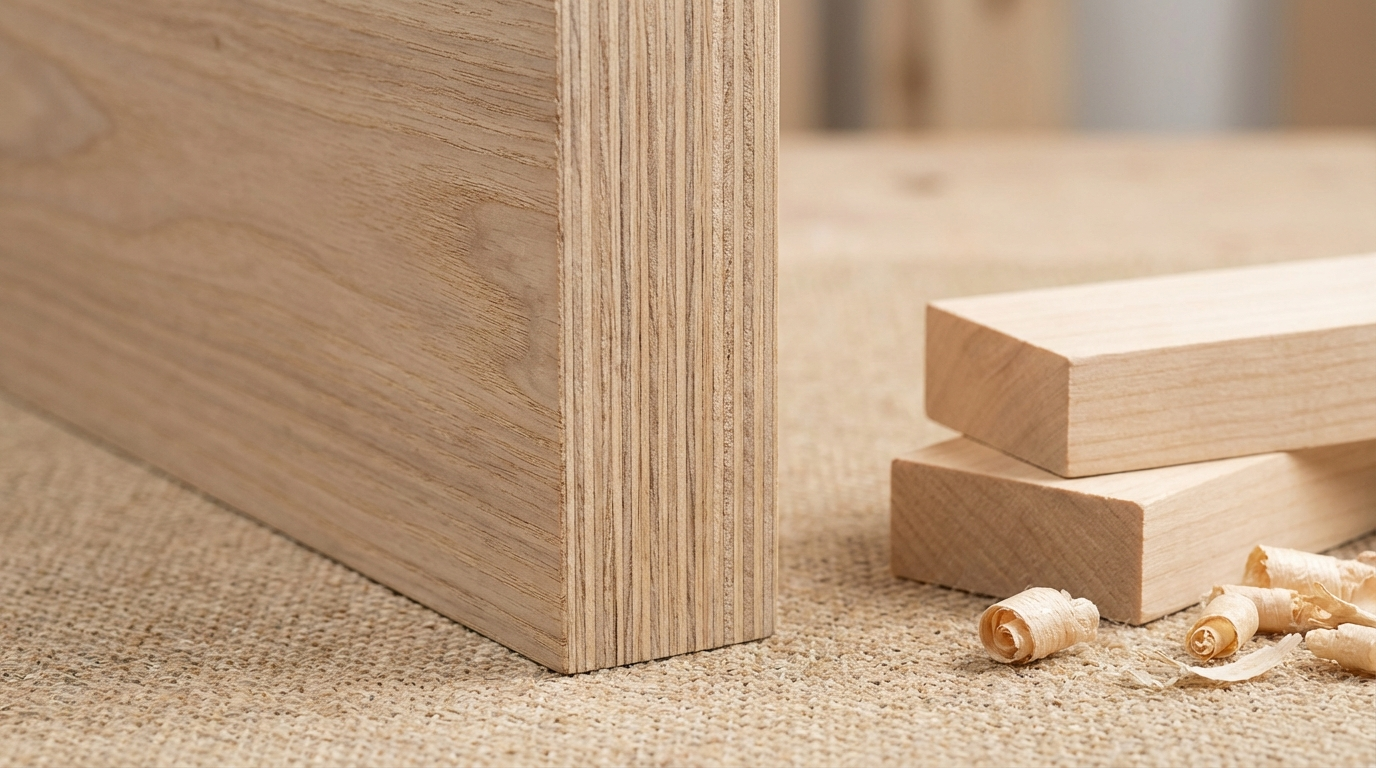
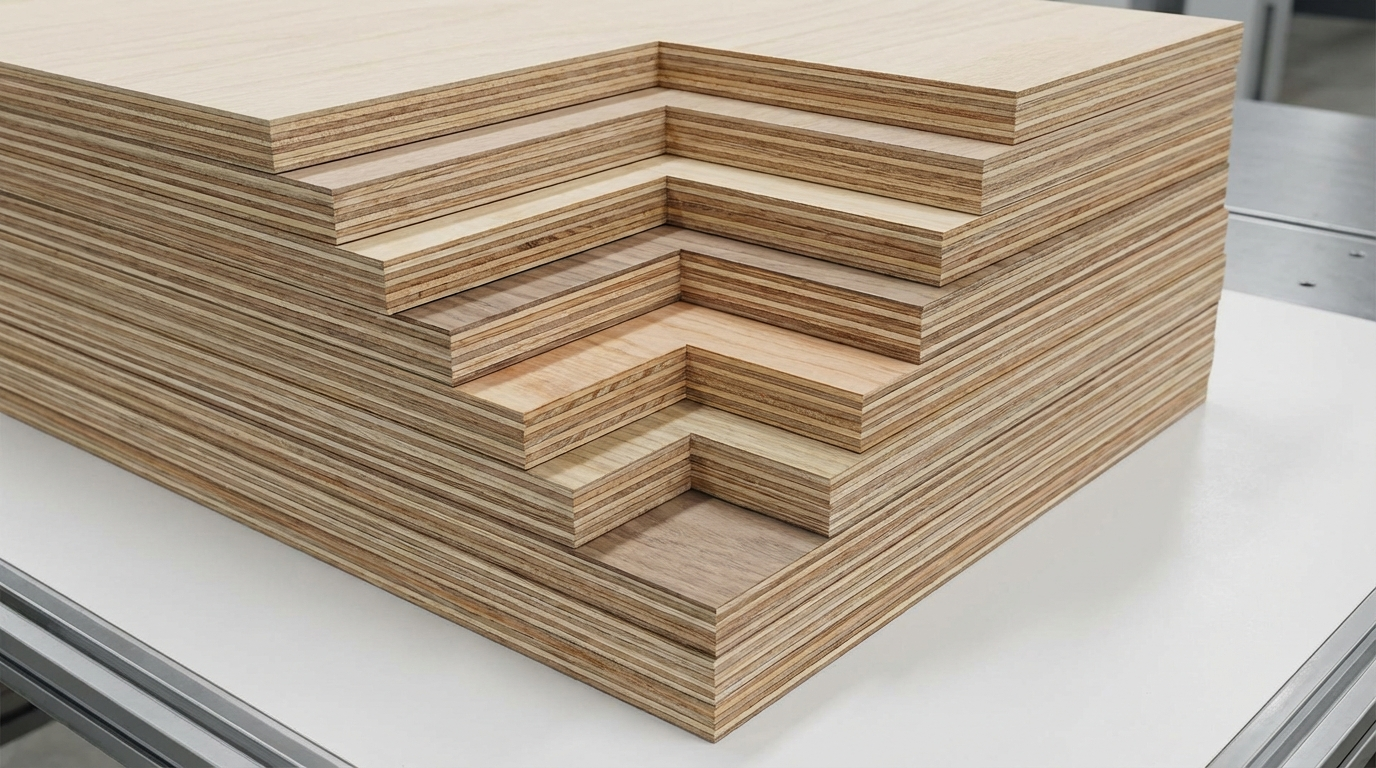
Plywood remains the benchmark due to its layered veneer construction, which distributes loads evenly and resists splitting better than solid timber. In India, grades like moisture-resistant (MR) dominate budget wardrobes, boiling-water-resistant (BWR) suit general furniture, and boiling-water-proof (BWP) or marine variants handle high-humidity zones like Kerala or Mumbai high-rises.
However, limitations surface in prolonged exposure: delamination during monsoons or termite vulnerabilities in untreated cores. Dealers report steady demand for shuttering and formwork, where plywood's shear strength excels, but interiors increasingly migrate to boards for easier machining and finish compatibility. This persistence buys time for alternatives to mature in supply chains.
HDHMR: Tackling India's Humidity Head-On
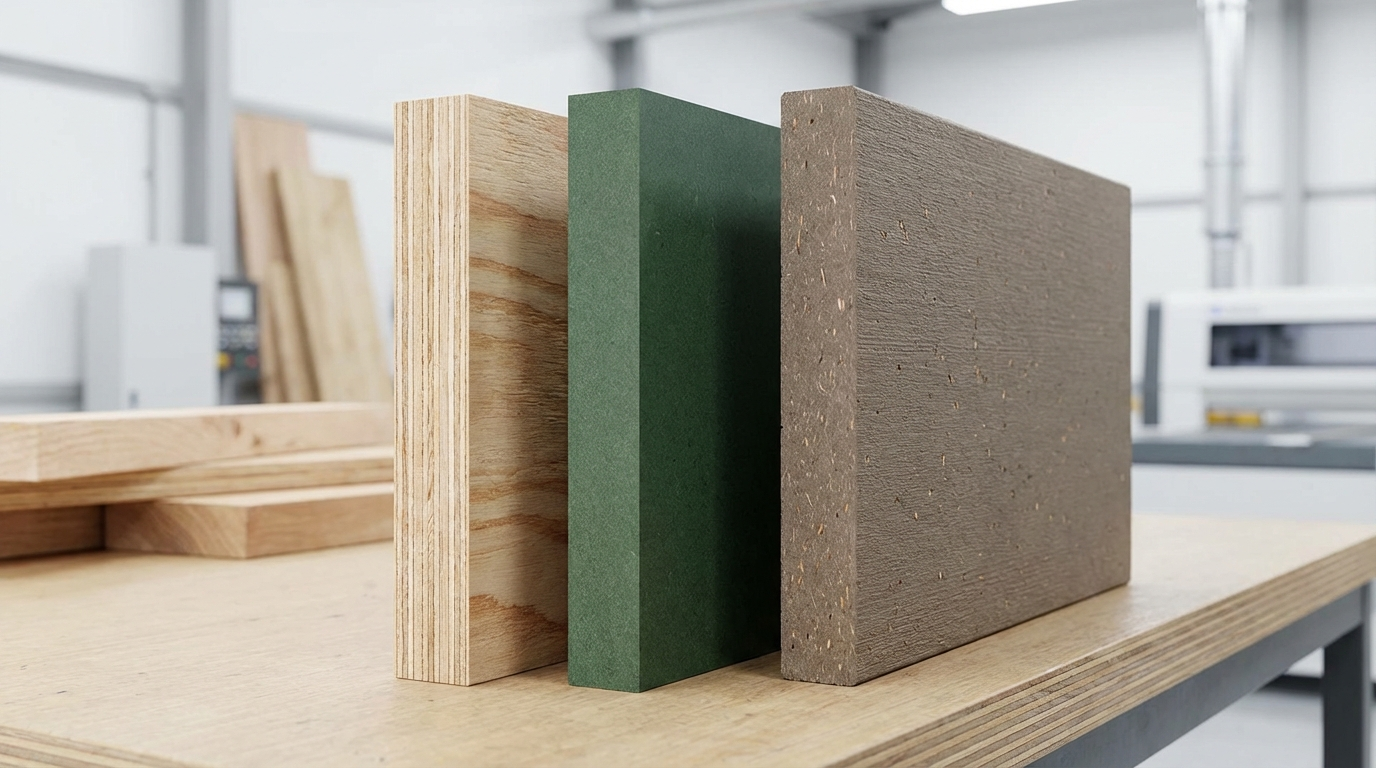
HDHMR boards represent a density-driven evolution of medium-density fiberboard (MDF). By compressing wood fibers to 850-950 kg/m³ and infusing moisture-resistant resins, HDHMR achieves screw-holding strength rivaling solid wood while swelling less than 5% in boil tests—far superior to standard MDF's 15%+.
In practical terms, this suits Indian kitchens and bathrooms, where steam and spills degrade MR plywood over 2-3 years. Contractors in humid belts like Chennai favor HDHMR for cabinets, as it machines cleanly without chipping and accepts laminates seamlessly. Relative to BWR plywood, HDHMR costs moderately higher upfront but offsets through longer lifespan and reduced callbacks. Not ideal for load-bearing outdoors, where BWP plywood's glue lines hold firmer.
Adoption accelerates via organized manufacturers aligning with ISI norms, bridging the gap between plywood's versatility and MDF's affordability.
WPC: Polymer-Infused Durability for Versatile Applications
Wood-plastic composite blends 50-70% wood flour with recycled plastics like PVC or PE, extruded into profiles or boards. This hybrid resists termites inherently—no wood to eat—and shrugs off water immersion, making it a plywood alternative for cladding, decking, and false ceilings in coastal villas or resort projects.
India's furniture makers leverage WPC for modular wardrobes in urban apartments, where space constraints demand lightweight, warp-free panels. Unlike plywood, WPC needs no edge-banding or painting, cutting labor by 20-30%. In construction, it shines for railings and louvers exposed to rain, outperforming even BWP in termite-prone suburbs like Delhi NCR.
Drawbacks include higher heat sensitivity, limiting stove-adjacent use, and a plastic-like feel that purists avoid. Cost-wise, WPC profiles run comparable to premium plywood but excel in maintenance-free longevity, appealing to homeowners prioritizing low upkeep.
Specialized Engineered Woods Filling Niche Gaps
Beyond HDHMR and WPC, variants target specific pain points. Low-density fiberboards (LDF), at 400-600 kg/m³, offer plywood-like workability for painting and carving in decorative panels, ideal for budget interior designers crafting jaali screens or moldings.
Finger-jointed pine or poplar strips, glued end-to-end, provide near-solid wood aesthetics for furniture legs at a fraction of costs, gaining traction in ready-to-assemble (RTA) markets. Laminated veneer lumber (LVL) and oriented strand board (OSB) emerge as shuttering alternatives to marine plywood, with OSB's cross-oriented strands mimicking plywood strength for temporary formwork in high-rise pours.
These specialists complement plywood: use LVL for beams where bending strength matters, reserving BWP for permanent marine exposures like boat building.
Market Forces Driving the Transition
Several interconnected factors propel this evolution. Urban housing booms demand faster, scalable materials—boards and composites slot into CNC workflows better than plywood sheets. Sustainability mandates, like GRIHA ratings, favor WPC's recycled content over plywood's tropical hardwood reliance.
Climate realities amplify needs: 70% of India battles high humidity, eroding standard plywood; termites claim 20-30% of untreated wood annually. Supply chain shifts see dealers stocking hybrids, as regional mills scale HDHMR production. Economic volatility ties costs to resin prices, but long-term savings from durability sway architects specifying for 20-year projects.
Performance Comparison: Engineered Wood at a Glance
| Material | Density (kg/m³) | Moisture Resistance | Termite Resistance | Relative Cost vs MR Plywood | Prime Applications in India |
|---|---|---|---|---|---|
| MR/BWR Plywood | 500-700 | Moderate (delams in monsoons) | Low (needs treatment) | Baseline | Furniture, shuttering |
| BWP/Marine Plywood | 600-800 | High (boil-proof) | Moderate | 50-100% higher | High-humidity structures |
| MDF | 700-800 | Low | Low | Lower | Dry interiors |
| HDHMR | 850-950 | Very High | Moderate (treated) | 20-50% higher | Kitchens, wardrobes |
| WPC | 800-1200 | Excellent (waterproof) | High (inherent) | Comparable to premium | Cladding, outdoor furniture |
| LDF/OSB | 400-650 | Moderate | Low-Moderate | Lower | Decorative, formwork |
Note: Resistance levels based on standard testing; real-world varies with quality and installation. Costs fluctuate regionally—North India often 10-20% lower due to mill proximity.
Buyer Decision Logic: Homeowners, Contractors, Designers
Homeowners prioritize termite-proofing for resale value—opt WPC for balconies, HDHMR for vanities. Contractors balance site logistics: plywood for quick shuttering, HDHMR for reusable formwork. Architects evaluate whole-life costs; hybrids reduce callbacks in humid zones.
Key questions to ask dealers: Resin type (UF vs PF for moisture)? ISI certification? Load tests? Test samples in local humidity. Avoid over-specifying BWP where HDHMR suffices, saving 30-40% without risk.
Regional nuance: Coastal buyers lean WPC; inland prefer HDHMR for density. Always pair with proper sealing— no material is invincible.
What Will India's Engineered Wood Market Look Like Next?
India's wood panels sector eyes robust expansion, with engineered variants outpacing plywood growth rates. Expect HDHMR and WPC shares to double relative to traditional options by decade's end, driven by modular housing and eco-regulations. Challenges like raw material imports persist, but domestic extrusion tech scales rapidly.
Strategic implication: Diversify stockpiles now. Plywood evolves too—expect hybrid veneered boards. For enduring builds, blend strengths: plywood structurally, composites cosmetically. This balanced approach future-proofs against India's dynamic demands.
Related guides on PlyPrice
Want Plywood Suggestions?
Share a few details and a PlyPrice specialist will suggest suitable brands and connect you to responsive dealers.