Shift From Solid Wood to Plywood: Why Indian Furniture Is Changing
Indian homes are moving from solid teak, sheesham and sal to plywood because of cost, timber supply limits, sustainability pressure and modular furniture that needs stable, uniform sheets. Compare cost dynamics, performance metrics and the challenges of the switch.
The Evolving Preferences in India's Wood-Based Construction
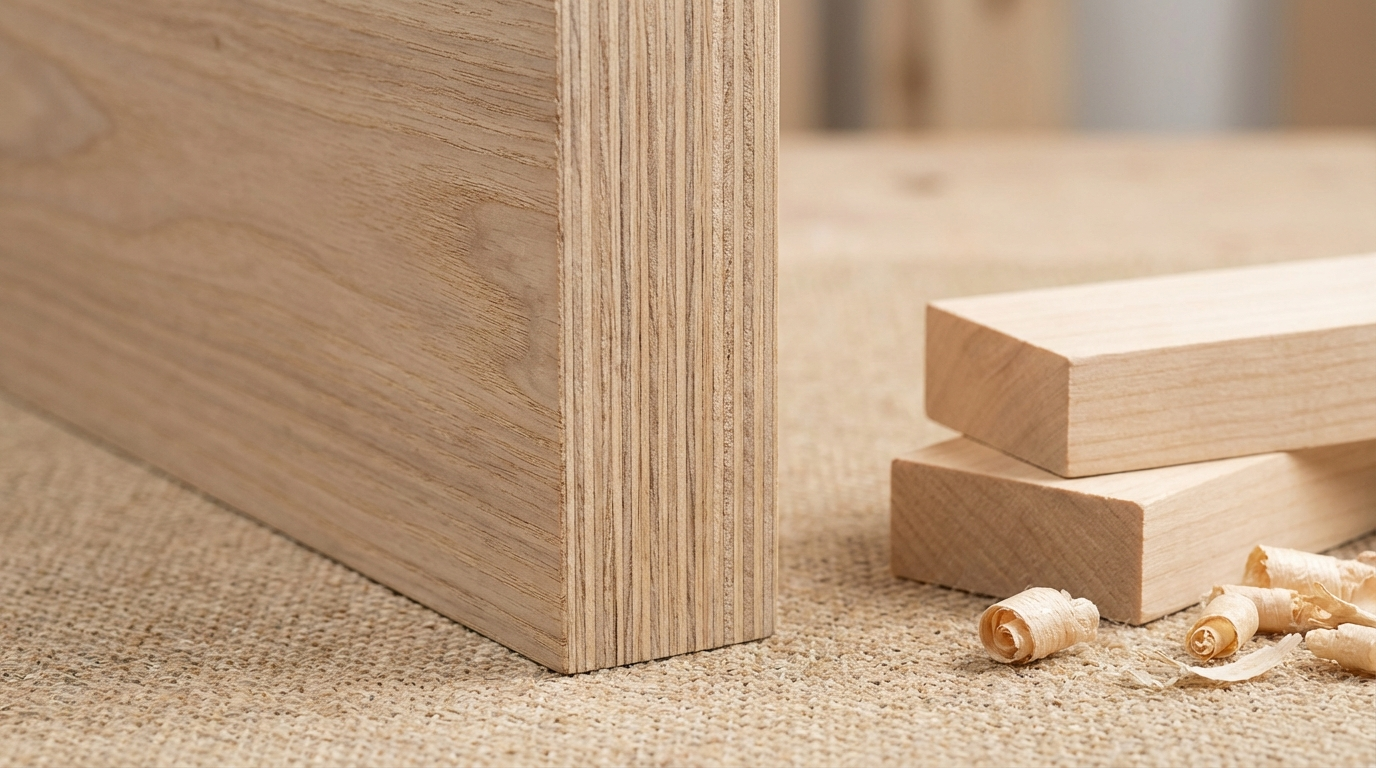
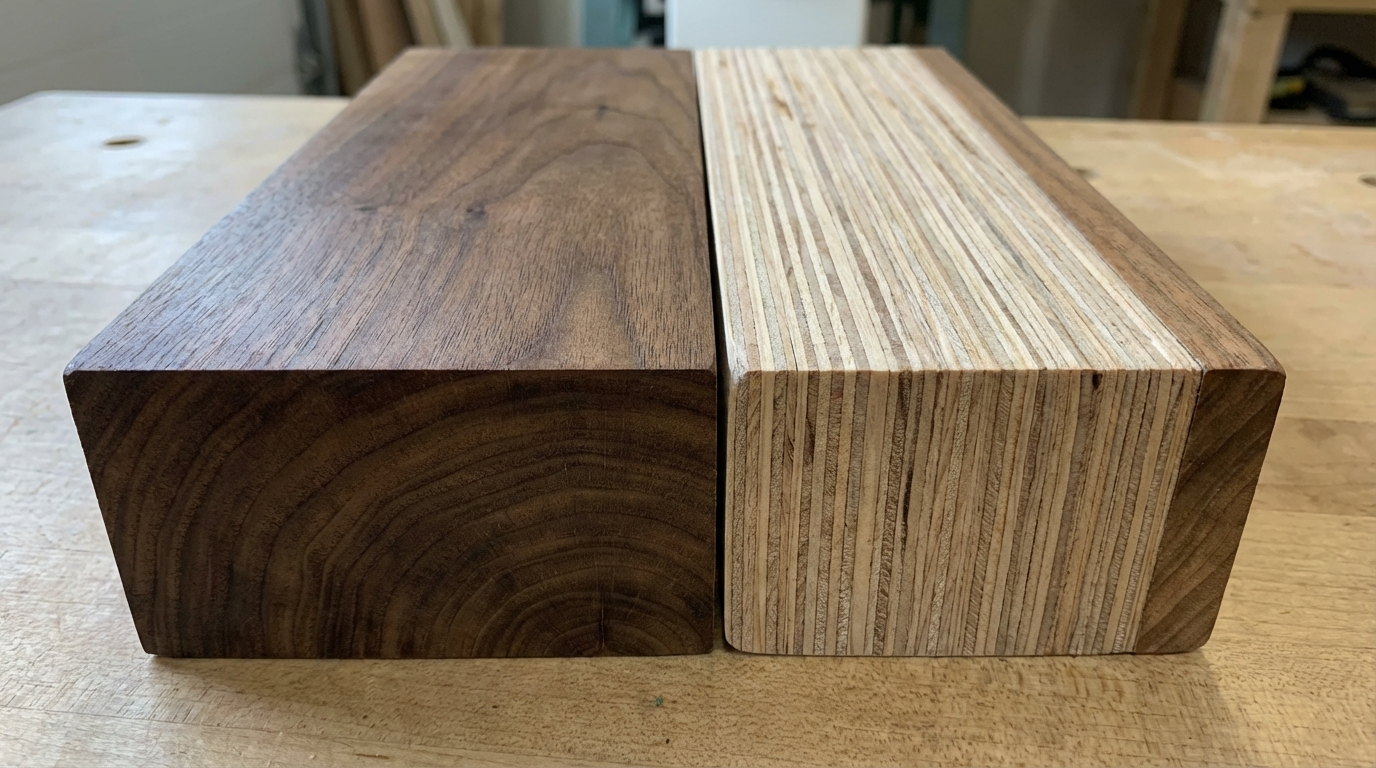
In India's construction and furniture sectors, solid wood—such as teak, sheesham, and sal—has long dominated due to its perceived durability and aesthetic appeal. Homeowners in humid coastal regions or high-altitude areas prized its natural grain and strength for wardrobes, beds, and doors. Contractors favored it for load-bearing elements in traditional bungalows. However, urban expansion, rising material demands, and shifting priorities are prompting a widespread pivot toward plywood. This transition reflects practical adaptations to India's diverse climates, supply constraints, and economic realities, particularly in modular furniture and interior fit-outs.
Cost Dynamics Fueling the Move from Solid Wood
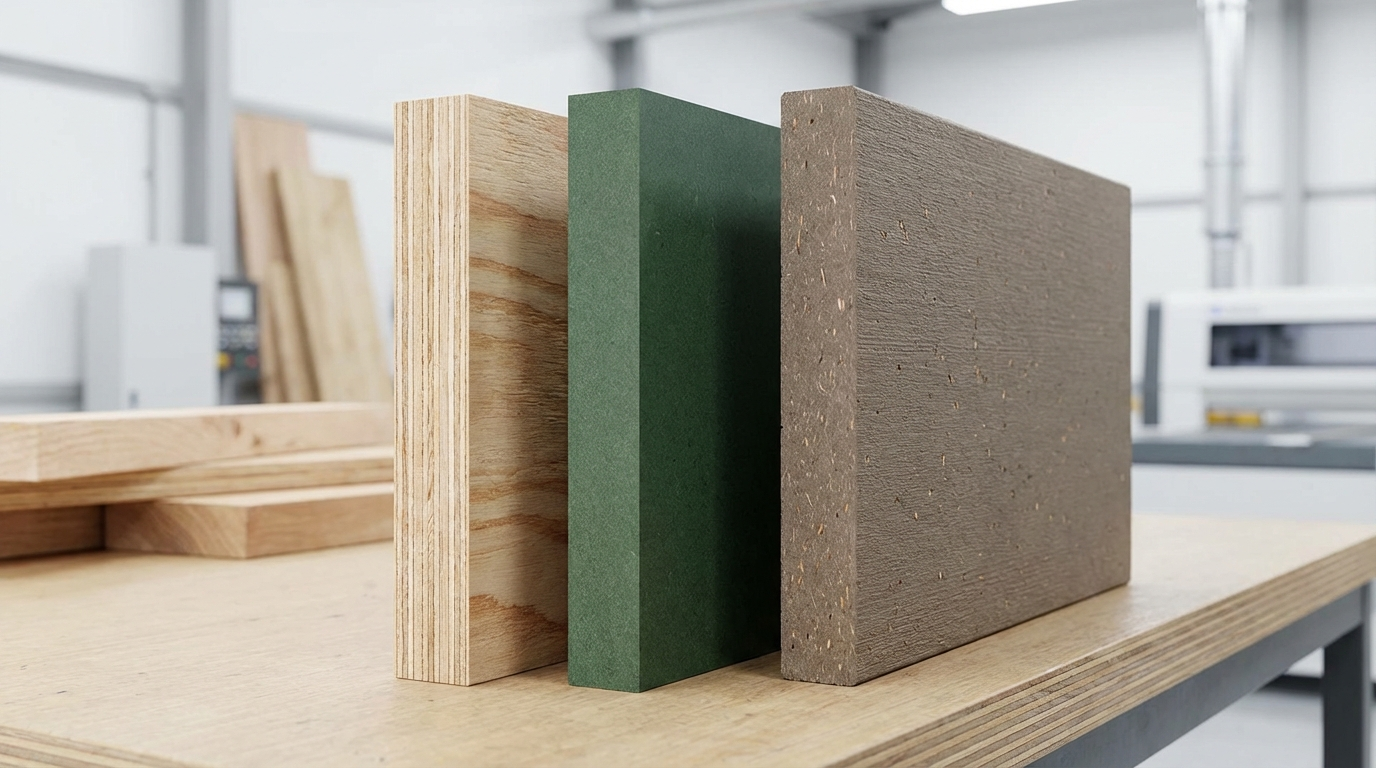
Expense remains the primary catalyst for this market evolution. Solid wood sourcing involves felling mature trees, leading to inconsistent availability and premium pricing influenced by logging restrictions and transportation from remote forests. In contrast, plywood production utilizes fast-growing plantation species like eucalyptus and poplar, processed into sheets via adhesives and pressing techniques.
- Relative cost savings: Plywood typically ranges 40-60% lower per square foot than equivalent solid wood thicknesses, varying by grade (MR for dry interiors vs. BWP for exteriors) and regional dealer markups in cities like Mumbai or Delhi.
- Volume efficiency: Contractors report plywood cuts waste by up to 20% during fabrication, as uniform sheets enable precise CNC routing—ideal for high-volume apartment projects in Bengaluru or Pune.
- Long-term economics: While initial outlay is lower, lifecycle costs favor plywood when factoring labor for solid wood's warping-prone nature in monsoons.
Dealers in tier-2 cities like Jaipur note bulk plywood purchases yield better margins for furniture makers, as smaller thicknesses (6-18mm) suit contemporary designs without compromising structural integrity.
| Factor | Solid Wood | Plywood |
|---|---|---|
| Procurement Cost (per cu ft equivalent) | Higher due to scarcity | Lower; plantation-sourced |
| Fabrication Waste | High (irregular shapes) | Low (standard sizes) |
| Labor Intensity | Seasoning, planing required | Direct cutting possible |
| Regional Variation (North vs South India) | Premium in urban South | Stable across zones |
Sustainability Pressures Reshaping Timber Choices
India's deforestation challenges, with annual losses exceeding targeted afforestation rates, amplify solid wood's vulnerabilities. Supreme Court bans on unverified felling and CITES restrictions on species like sandalwood push architects toward engineered alternatives. Plywood aligns with circular economy principles: it recycles wood scraps, uses urea-formaldehyde or phenolic resins in controlled ratios, and supports FSC-certified plantations.
Key sustainability edges include:
- Resource efficiency: One cubic meter of plywood equates to 2-3 times the yield from solid logs, easing pressure on native forests in states like Kerala or Assam.
- Carbon footprint: Plantation harvesting cycles (5-8 years) versus 30+ for hardwoods reduce emissions from land clearance.
- Regulatory fit: BWR and BWP grades meet BIS standards for boil-proof performance, appealing to green-certified projects under IGBC norms without solid wood's traceability issues.
Homeowners increasingly prioritize eco-labels, as seen in premium gated communities where interior designers specify HDHMR-faced plywood for low-VOC emissions, contrasting solid wood's natural resins that can off-gas in enclosed spaces.
Versatility Advantages Driving Furniture Innovation
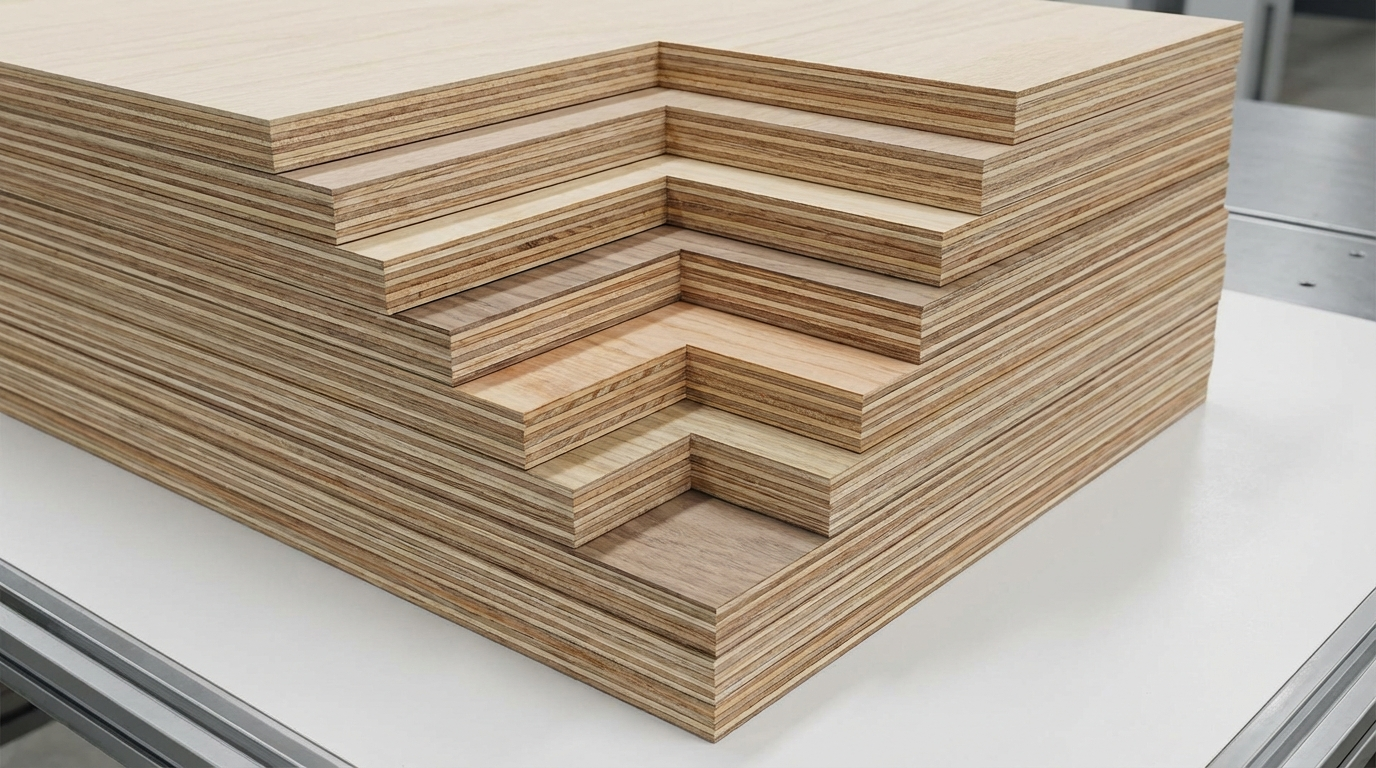
Plywood's layered construction—veneers cross-banded and glued under pressure—delivers dimensional stability absent in solid wood's anisotropic expansion. This property shines in India's variable humidity (20-90% RH), preventing cupping or splitting in almirahs or kitchen cabinets.
Design flexibility manifests in:
- Customization scale: Sheets up to 8x4 feet enable seamless large panels for L-shaped wardrobes, bypassing solid wood's joint lines prone to failure.
- Surface adaptability: Laminates, veneers, or paints adhere uniformly, supporting minimalist Scandinavian styles popular in urban millennials' homes versus solid wood's finish limitations.
- Structural applications: Blockboard cores in plywood hybrids handle screw-holding better for modular furniture assembly lines in Noida factories.
Architects leverage 3D modeling software with plywood parameters for rapid prototyping, accelerating project timelines in competitive bids for mid-rise developments.
Head-to-Head Performance Metrics
Beyond surface benefits, empirical tests under Indian conditions reveal plywood's edge in controlled scenarios. Solid wood excels in sheer compressive strength for heavy beams, but plywood's glue-line distribution resists delamination in cyclic wetting-drying—critical for monsoon-exposed shutters.
| Attribute | Solid Wood (Teak/Sheesham) | Plywood (BWP Grade) | India-Specific Context |
|---|---|---|---|
| Moisture Resistance | Moderate; prone to warp | High; boil-proof options | Coastal humidity |
| Screw Holding | Good initially, weakens over time | Superior in core | Furniture hardware |
| Fire Retardancy | Low | Treatable grades available | Commercial spaces |
| Aesthetic Longevity | Natural aging patina | Finish-dependent | UV exposure in tropics |
Navigating Challenges in the Transition
Despite momentum, hurdles persist. Inferior MR-grade plywood fails in bathrooms, mimicking solid wood myths. Buyers must verify ISI marks and core density (above 500 kg/m³ for HDHMR). Contractors note skill gaps in edge-banding, but training via ITI programs bridges this. Solid wood retains niches like carved temple doors where grain uniqueness matters.
Decision logic for stakeholders:
- Homeowners: Opt plywood for 80% of interiors if budget under ₹50/sq ft finished.
- Contractors: Hybrid use—plywood panels with solid accents—for cost-speed balance.
- Designers: Match grades to exposure: MR indoors, BWR outdoors.
Will Plywood Keep Replacing Solid Wood in India?
Industry estimates point to plywood capturing 70% of furniture volume by 2030, driven by real estate's 10 million annual units. Regional shifts vary: South India's plywood hubs lower logistics costs, while North adapts via local mills. Dealers advise stocking versatile 12mm BWR for broad appeal. This pivot not only addresses supply strains but redefines quality as engineered reliability over raw material rarity, empowering informed choices amid India's building boom.
Related guides on PlyPrice
Want Plywood Suggestions?
Share a few details and a PlyPrice specialist will suggest suitable brands and connect you to responsive dealers.