Plywood Raw Material Costs: How Timber, Veneer and Resin Set Prices
Raw materials make up about 70-80% of plywood's final price, so swings in core timber, face veneer, phenol and formaldehyde costs show up quickly in dealer quotes. Face veneer drives much of the volatility, while phenol prices weigh most on waterproof grades.
Plywood Production Basics: Tracing Costs from Inputs to Output
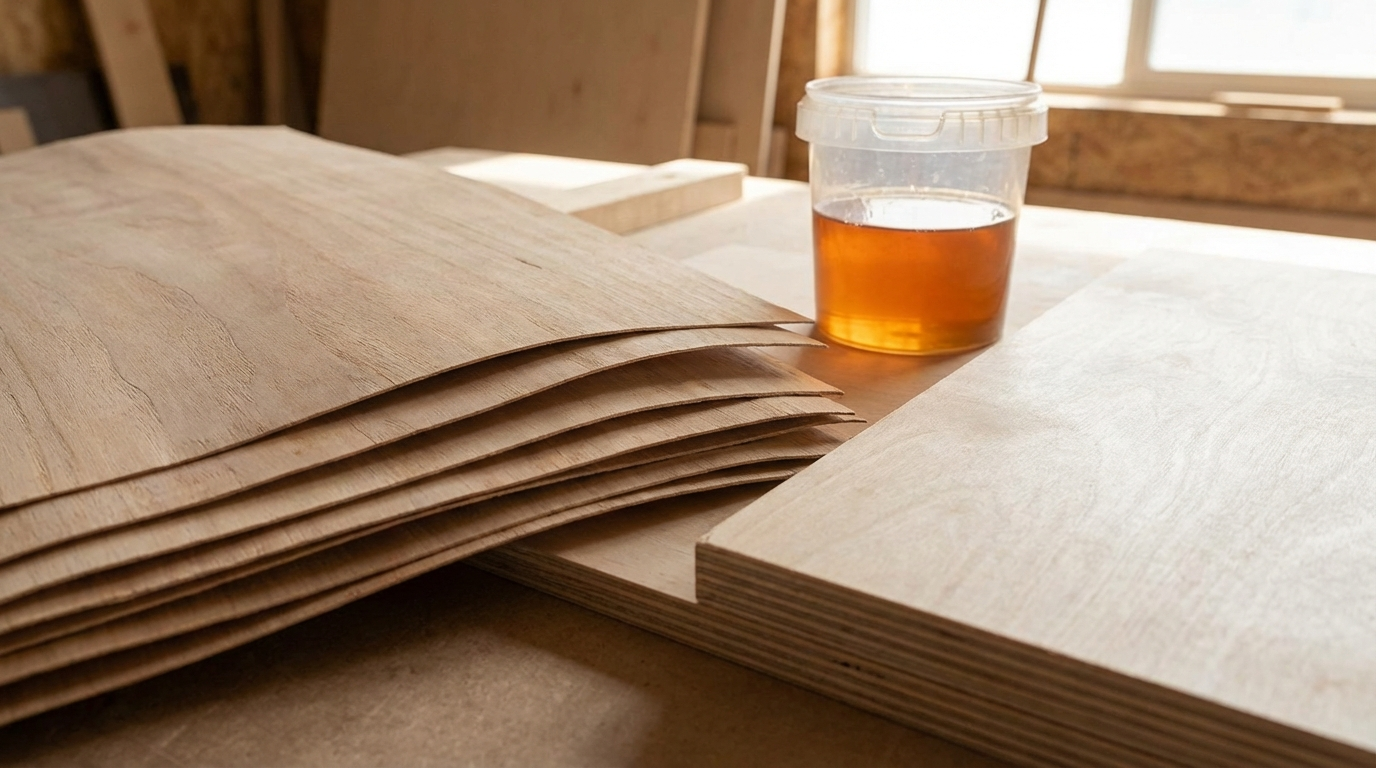
Plywood manufacturing begins with raw logs sliced into thin veneers, which are then bonded using synthetic resins under heat and pressure. This process transforms variable natural and chemical inputs into a stable sheet product essential for Indian construction, furniture, and interiors. Costs at each stage accumulate, but raw materials dominate—typically accounting for 70-80% of the final price. Understanding this build-up reveals why market prices swing with input volatility, helping buyers anticipate dealer quotes in regions like Punjab's timber hubs or Kerala's coastal mills.
Key inputs include core timber for structural veneers, premium face veneers for surface finish, and resins derived from petrochemicals. Fluctuations here directly pass through to retail shelves, amplified by India's reliance on imports for both chemicals and tropical hardwoods. Homeowners planning wardrobes or contractors bidding on partitions must factor this in, as a 10-15% input spike can add 7-10% to sheet prices within weeks.
Timber Inputs: Core and Face Veneers as Cost Anchors
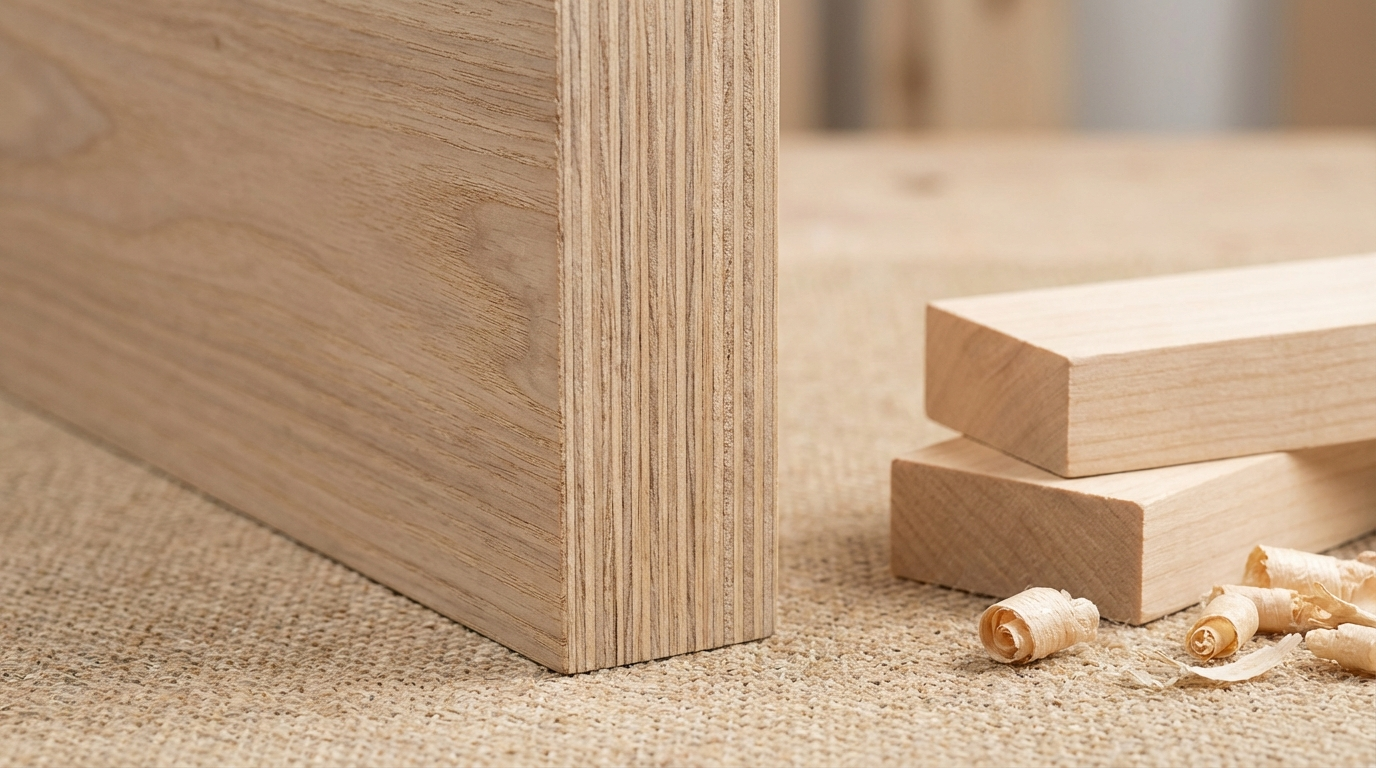
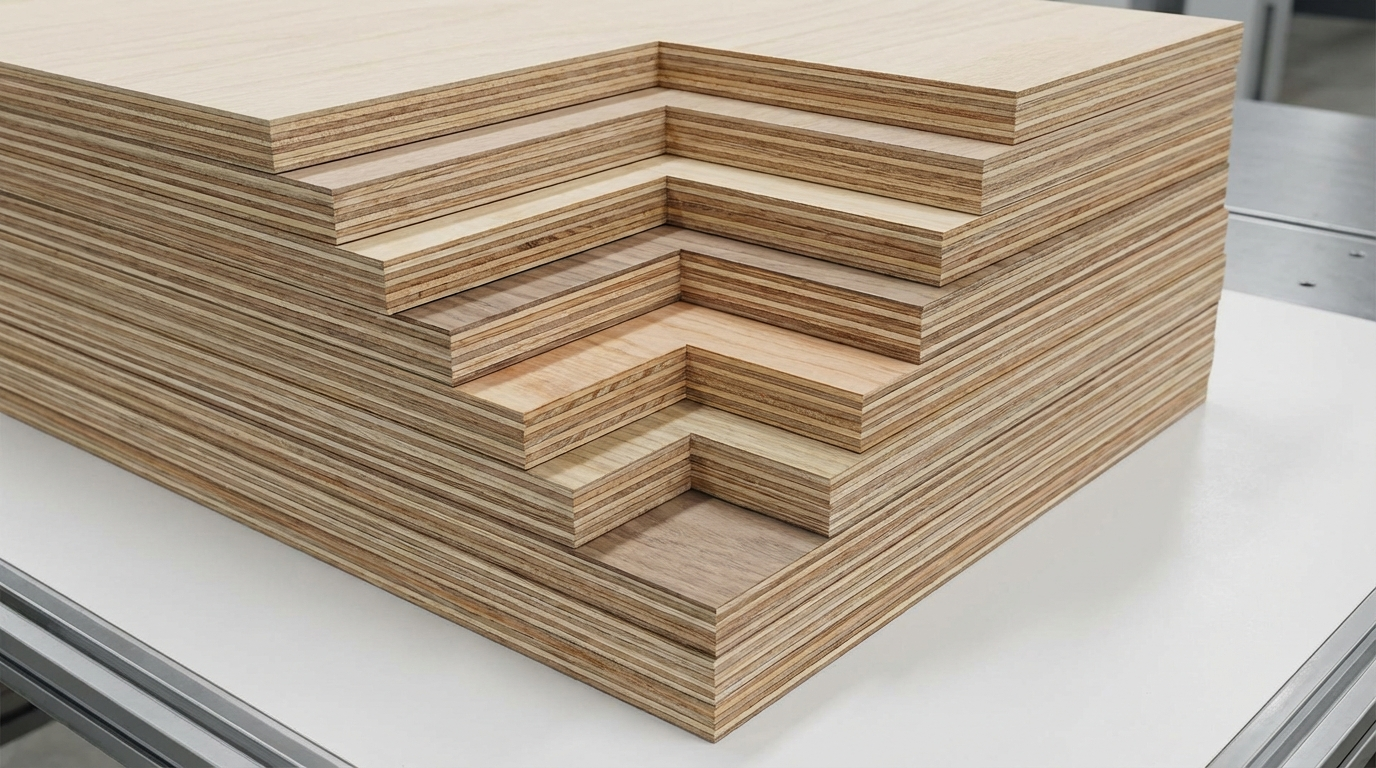
Timber forms the plywood skeleton. Core veneers, from fast-growing species like eucalyptus or poplar, provide bulk strength, while face veneers—sourced from gurjan, meranti, or teak substitutes—determine aesthetics and grading (e.g., A/B grade faces for visible applications). Face veneers command a premium due to their thinness (1.0-1.5mm) and defect-free requirements, often comprising 20-30% of material costs despite minimal volume.
Why Face Veneer Prices Drive Volatility
Face veneers fluctuate due to supply chain geography. India imports 40-60% from Southeast Asia, where monsoon disruptions or export bans (e.g., Indonesia's log quotas) cause shortages. Domestic alternatives like acacia face availability issues from fragmented plantations. A poor harvest season in Assam or Odisha can lift veneer costs by 15-25%, as mills compete for quality sheets.
Impact calculus: If face veneers rise 20%, plywood's top-layer expense jumps disproportionately, pushing premium grades (marine or decorative) higher than budget MR types. Contractors notice this in shuttering plywood, where uniform faces reduce waste but inflate quotes during peak monsoon rebuilds.
Core Timber Dynamics in Indian Context
Core relies on plantation wood, with eucalyptus prices tied to water cycles—droughts in Maharashtra raise costs 10-20% via reduced yields. Poplar from UP-Bihar belts offers stability but faces transport premiums to southern markets. Overall, timber volatility contributes 50-60% to plywood swings, with face veneers amplifying the effect through scarcity.
Resin Components: Phenol and Formaldehyde's Chemical Leverage
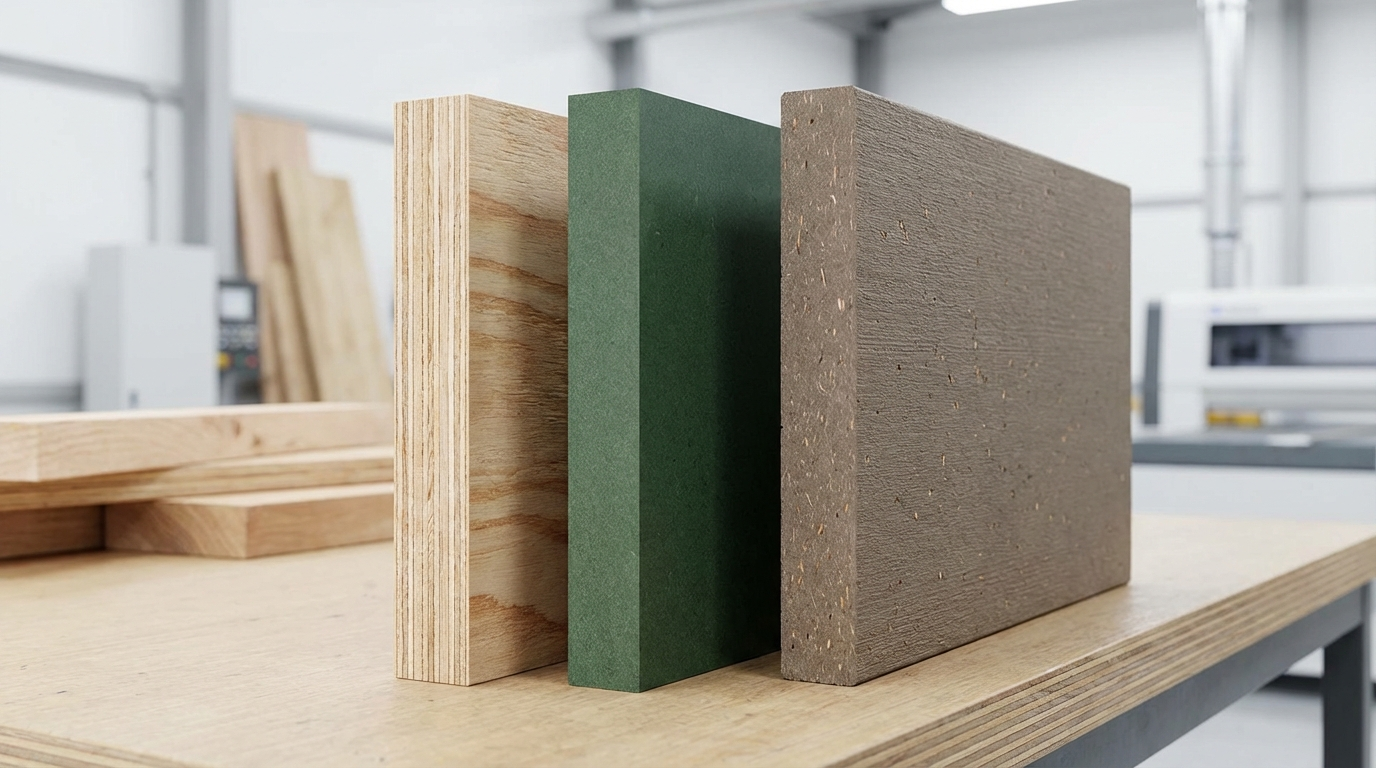
Resins glue veneers, with urea-formaldehyde (UF) for MR-grade (moisture-resistant) and phenol-formaldehyde (PF) for BWR/BWP (boiling water-proof). Phenol provides waterproofing backbone, while formaldehyde acts as the cross-linking agent. These petrochemicals, 10-20% of costs, punch above weight due to global ties—phenol from benzene (oil-derived), formaldehyde from methanol.
Phenol Price Swings and Plywood Waterproofing Costs
Phenol tracks crude oil, with Middle East tensions or US demand spikes causing 20-40% hikes. India's 70% import dependency (from China, Saudi) exposes mills to rupee fluctuations and duties. In 2023-24 cycles, phenol surges delayed BWP plywood production, as mills rationed for high-end marine grades used in humid coastal projects.
Quantified effect: PF resin costs 2-3x UF, so a 25% phenol rise adds 5-8% to BWP sheets but minimally affects cheaper MR. Architects specifying kitchens in Mumbai must weigh this, as untreated spikes erode budgets.
Formaldehyde's Broader Ripple Effects
Formaldehyde, cheaper and domestic-sourced via coal/gas, still varies 10-20% with energy prices. Emission norms (E1/E0 grades) demand purer variants, lifting costs for export-oriented mills. Combined with phenol, resin expenses can double in lockstep with oil rallies, forcing dealers to pass on 4-7% hikes to end-users.
| Resin Type | Primary Inputs | Typical Cost Share in Plywood | Volatility Driver | Impact on Plywood Grades |
|---|---|---|---|---|
| UF (MR Grade) | Formaldehyde dominant | 8-12% | Energy prices (10-15% swings) | Minimal; budget interiors |
| PF (BWR/BWP) | Phenol + Formaldehyde | 15-25% | Oil/global imports (20-40% swings) | High; marine/shuttering |
Cost Build-Up: How Inputs Aggregate to Final Plywood Prices
Raw materials layer into total costs: timber (55-65%), resins (12-22%), adhesives/labor (10-15%), energy/overheads (10-15%). A balanced sheet might allocate 25% to face veneers/core, 18% to resins. But volatility concentrates: timber drives volume changes, chemicals quality premiums.
Modeling Input Fluctuations
Consider a baseline 18mm BWR sheet:
- Timber up 15% (face veneer shortage): +8-10% final price
- Phenol up 30%: +4-6% (resin-focused)
- Combined (common in monsoons): +12-16%
Regional tweaks: Northern mills (poplar-heavy) buffer timber shocks better than southern (import-reliant), but all face phenol parity via national chemical markets.
| Scenario | Timber Change | Phenol Change | Formaldehyde Change | Est. Plywood Price Impact |
|---|---|---|---|---|
| Stable Supply | 0% | 0% | 0% | Baseline |
| Drought/Import Ban | +20% | 0% | +5% | +10-14% |
| Oil Rally | 0% | +25% | +10% | +5-9% |
| Monsoon Combo | +15% | +20% | +10% | +12-18% |
These estimates derive from mill pass-through rates (80-90%), where dealers add 10-20% margins. Homeowners verify via GST invoices showing input escalations.
India-Specific Fluctuation Triggers
Local factors amplify globals:
- Timber: Plantation cycles (3-5 years), railway freight from NE states, e-way bill delays.
- Chemicals: Rupee vs USD (phenol at $1,200-1,800/tonne equiv.), anti-dumping duties on Chinese formaldehyde.
- Seasonal: Pre-monsoon stockpiling inflates Q2 prices; post-Diwali demand strains Q4.
Dealer ecosystems reflect this—Punjab wholesalers hedge via bulk imports, while Tamil Nadu fabricators face coastal humidity degrading stocks, justifying premiums.
Buyer Strategies: Navigating Cost Volatility
Contractors time bulk buys post-harvest (Oct-Dec for poplar). Architects spec mid-range BWR over BWP unless marine needs justify resin premiums. Homeowners compare 5-7 dealer quotes, checking for "input escalation clauses" in contracts.
Grade Selection Logic
MR suits dry interiors (low resin sensitivity); BWP for kitchens/bathrooms (high phenol tolerance). Track indices like CPMA phenol quotes or ITCO timber alerts for timing.
| Buyer Type | Key Concern | Cost Mitigation Tactic |
|---|---|---|
| Homeowner | Budget overruns | Lock quotes with fixed inputs; prefer regional timber grades |
| Contractor | Project delays | Stockpile during lows; diversify suppliers |
| Designer | Quality consistency | Specify veneer sources; audit resin certs |
Long-Term Trends Shaping Input Costs
Sustainable forestry pushes certified timber premiums (5-10% higher), while bio-resins experiment reduces phenol reliance—but scale lags. EV growth stabilizes methanol (formaldehyde base), but oil volatility persists. Buyers gain by monitoring MCX crude and timber auctions for early signals, ensuring decisions align with real economics over hype.
Related guides on PlyPrice
Want Plywood Suggestions?
Share a few details and a PlyPrice specialist will suggest suitable brands and connect you to responsive dealers.