WPC vs Plywood: Which Works Better in Bathrooms and Balconies?
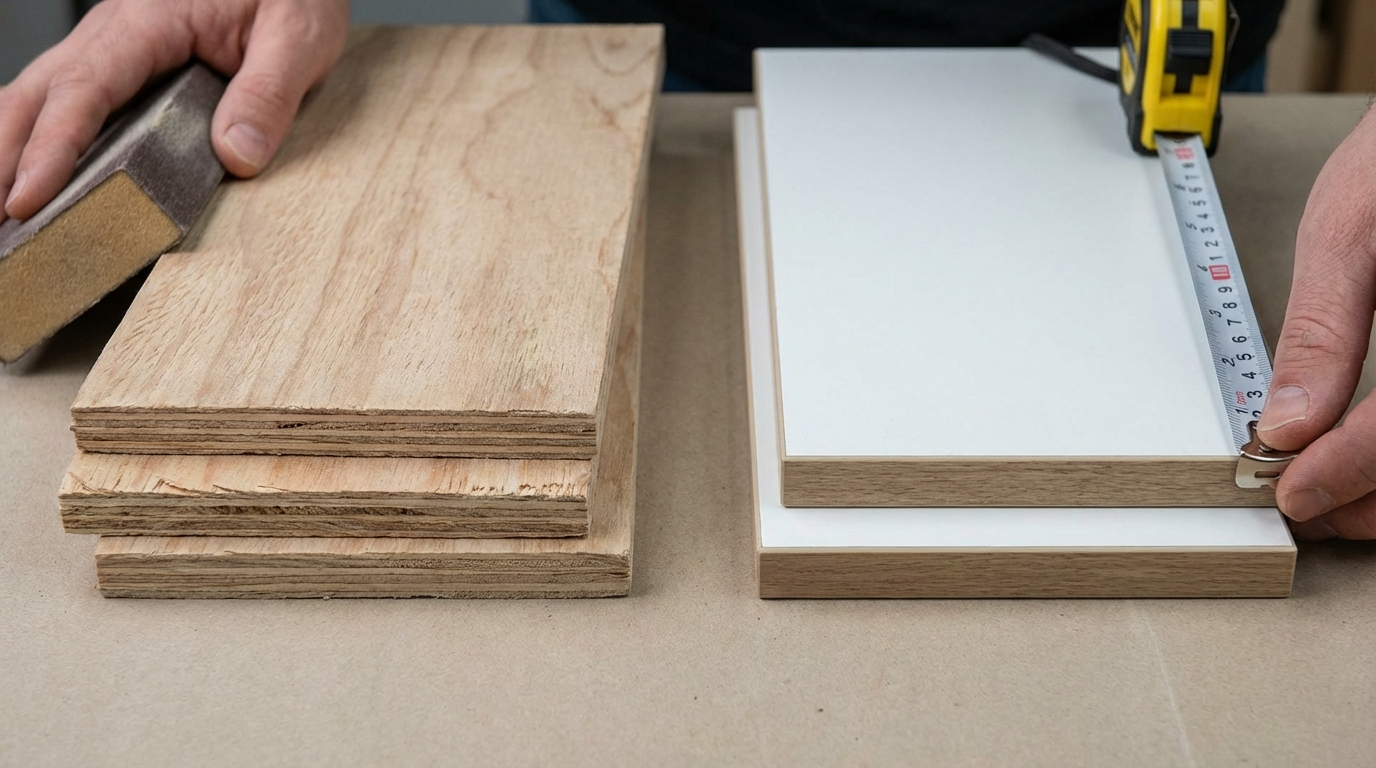
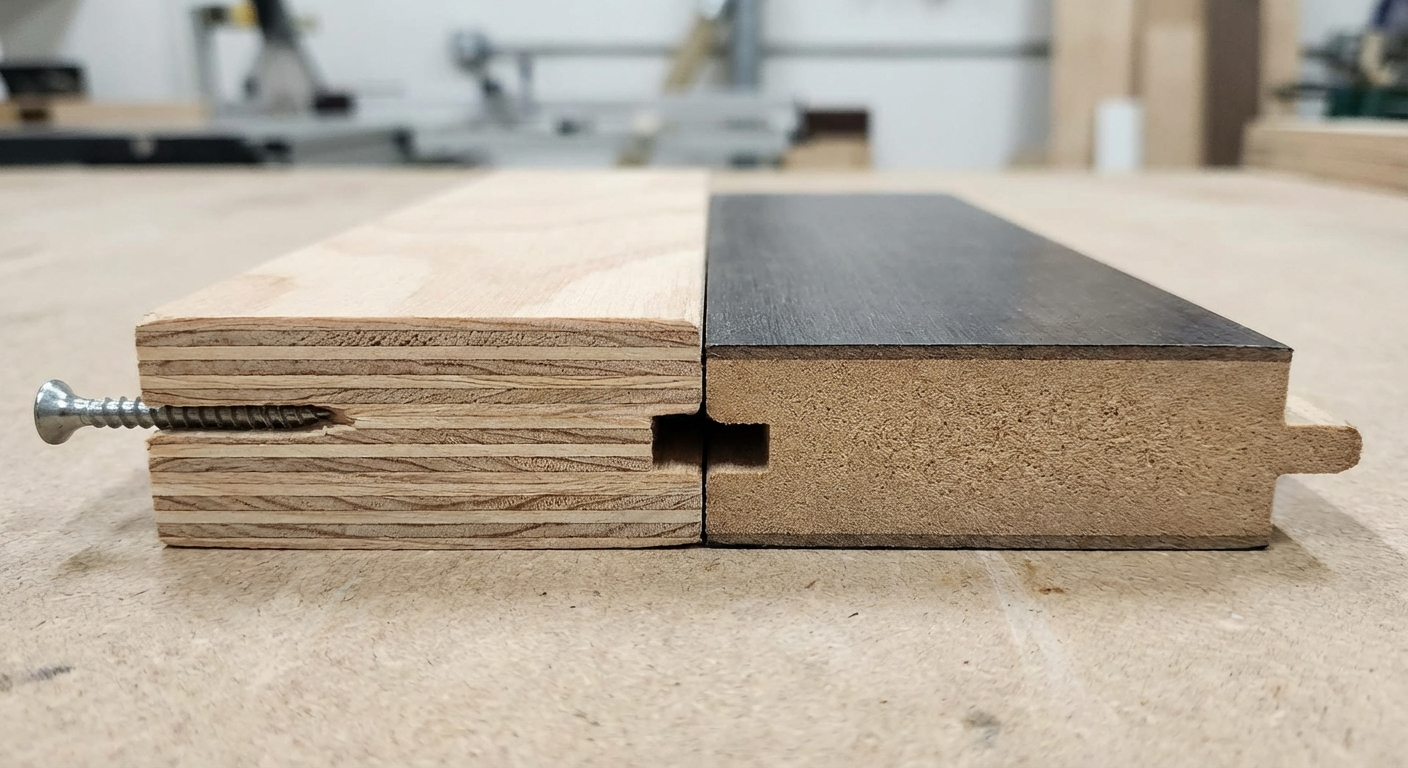
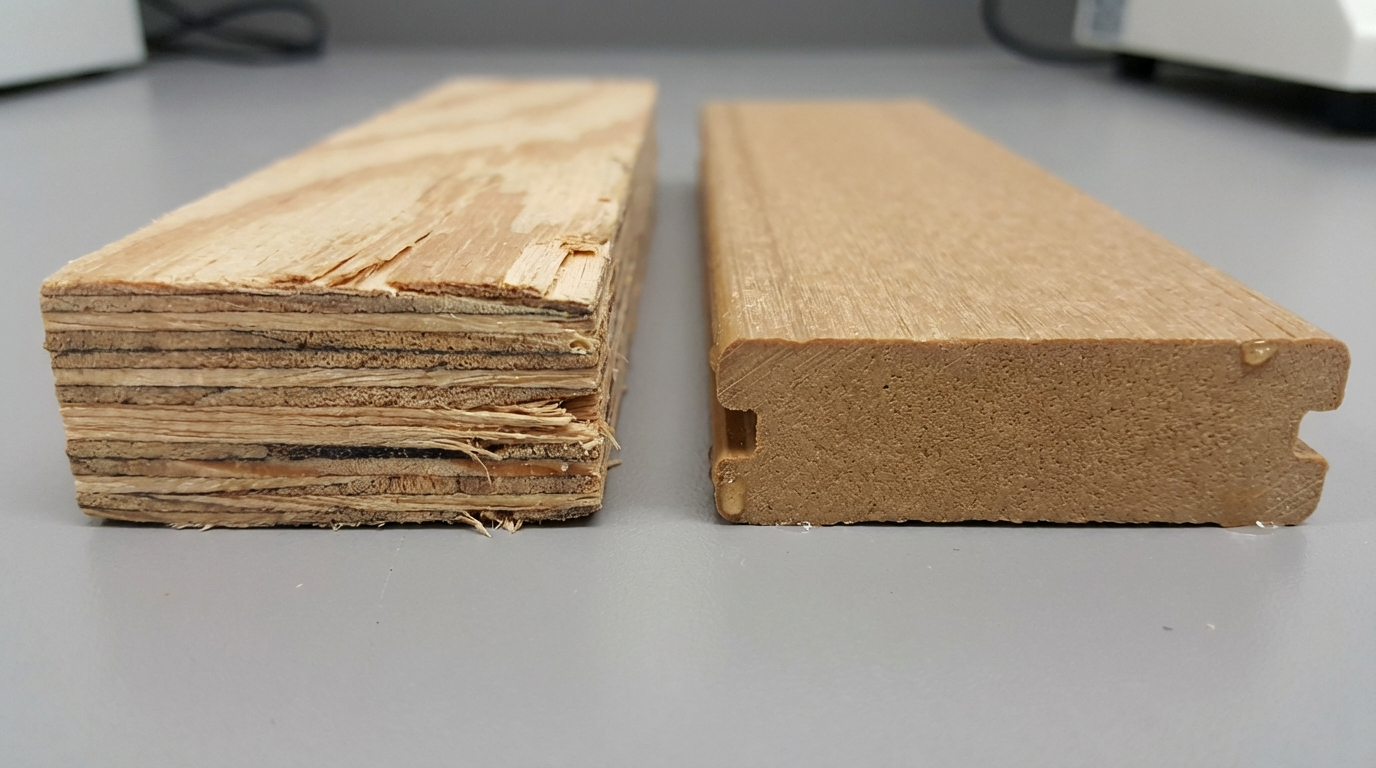
Neither board is truly 100% waterproof: WPC's extruded plastic-wood core copes better with constant wetting, while marine plywood is stronger for load-bearing cabinets, shelves and partitions. Choose by water exposure and load in each bathroom or balcony job.
Last updated: . Grades and standards checked against current BIS standards.
Decoding the Wet Area Dilemma: Why Plywood and WPC Compete Head-on
In India's diverse climates—from Mumbai's relentless monsoons to Delhi's humid summers—wet areas like bathrooms and balconies demand materials that resist warping, delamination, and fungal growth without compromising usability. Homeowners, contractors, and interior designers often pit traditional plywood against emerging WPC boards, questioning if WPC's plastic-based core truly outshines marine-grade plywood's proven structural backbone. This comparison unpacks their performance under real-world moisture stress, helping you decide based on load-bearing needs, exposure levels, and long-term site conditions.
Material Breakdown: From Wood Layers to Plastic Composites
Plywood's Layered Wood Foundation
Plywood starts with thin veneers of hardwood or softwood, cross-laminated and bonded with synthetic resins under heat and pressure. In wet-area contexts, focus shifts to BWP (Boiling Water Proof) grades, which use phenolic resins formulated for repeated water submersion. These meet IS:710 standards, emphasizing glue-line integrity over the wood itself. However, the veneers remain organic, prone to subtle swelling if edges or surfaces face prolonged exposure without sealing.
WPC's Extruded Plastic-Wood Hybrid
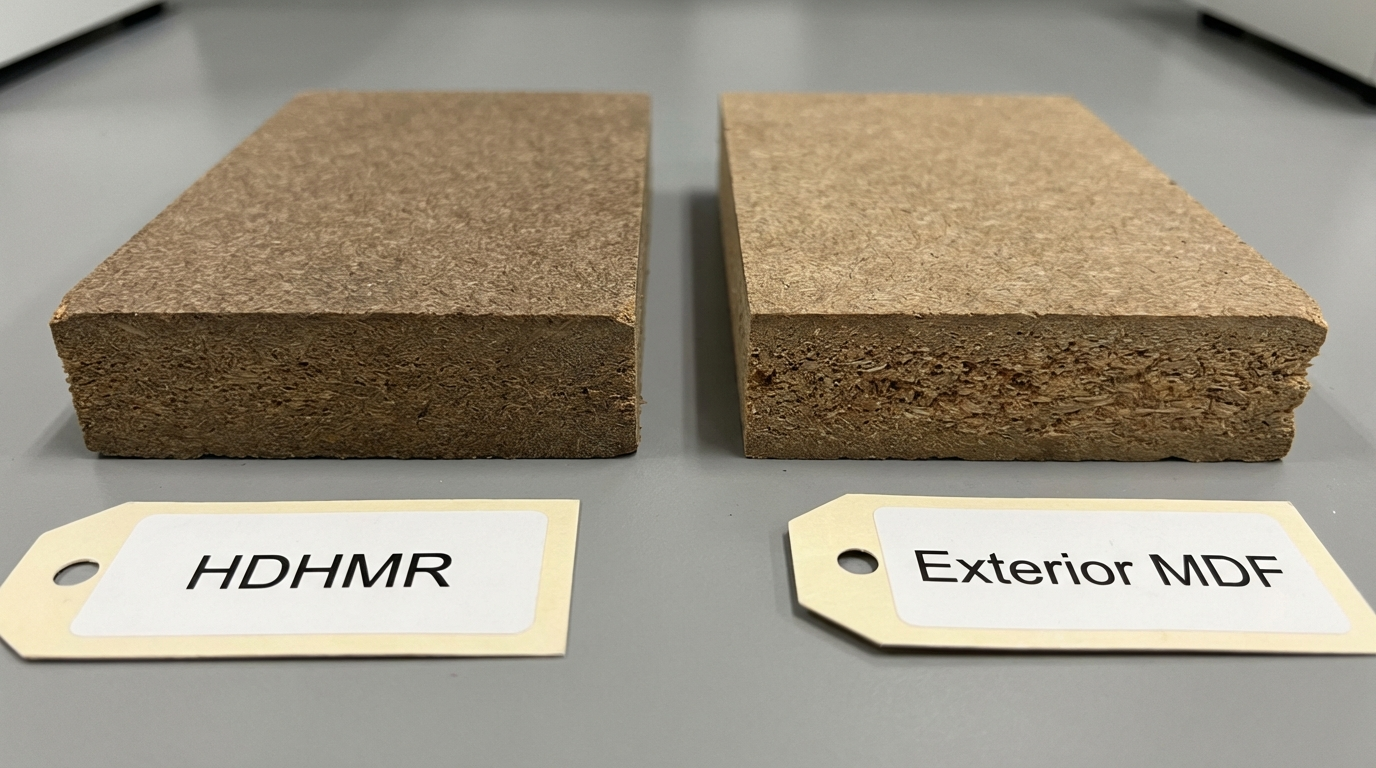
WPC boards blend 50-70% wood flour (fine sawdust particles) with PVC or polyethylene plastics, plus stabilizers and foaming agents, extruded into dense sheets. This creates a uniform, non-porous matrix where plastic encapsulates wood fibers, eliminating traditional glue lines. Indian manufacturers often tout UV resistance and zero-formaldehyde formulations, aligning with rising E1 emission norms. Yet, density variations (0.7-1.0 g/cm³) affect rigidity, with lower-density foams prioritizing lightness over load capacity.
From a first-principles view, plywood leverages wood's natural tensile strength across grains, while WPC trades some of that for plastic's impermeability—ideal for stagnant moisture but tested differently under dynamic stresses like balcony railings.
Water Resistance Reality Check: No True "100% Waterproof" Winner
The "100% waterproof" claim misleads; both materials handle moisture differently based on exposure type—splashes, steam, or immersion. In Indian bathrooms, where steam from hot showers meets poor ventilation, and balconies endure monsoon puddles, here's the breakdown:
| Aspect | BWP Plywood (Marine Grade) | WPC Board |
|---|---|---|
| Short-term submersion (24-48 hrs) | Passes boiling water tests per IS:710; minimal delamination if edges sealed | Resists absorption (<1% by weight); plastic core prevents swelling |
| Prolonged humidity/steam | Moderate swelling (5-8%) if unsealed; requires epoxy coating | Near-zero absorption; inherent mold resistance |
| Edge/cut exposure | Vulnerable to glue breakdown; needs immediate sealing | Self-sealing matrix; cuts remain stable |
| Monsoon balcony pooling | Handles with drainage; warps under standing water | Superior; drains faster due to low porosity |
BWP plywood endures cyclic boiling without structural failure, suiting load-bearing wet zones. WPC excels in non-structural panels where absorption is the primary foe, but its plastic can soften above 60°C—relevant for steam-heavy Indian households.
Strength and Load-Bearing: Where Marine Plywood Flexes Superiority
Bathrooms demand shelves holding 50-100 kg, while balconies support partitions or louvers under wind loads. Plywood's cross-grain lamination yields higher modulus of rupture (40-60 MPa), per industry benchmarks, making 18mm BWP ideal for spans up to 600mm without sagging.
WPC, at 20-40 MPa, suits lighter duties like wall paneling but deflects more under point loads—critical for balcony flooring alternatives. In contractor scenarios, plywood's screw-holding strength (200-300N per screw) outperforms WPC's (150-250N), reducing callbacks in high-humidity builds.
- Homeowner tip: For bathroom vanities, test deflection by loading samples; plywood wins for heavy sinks.
- Architect note: Balcony dividers? Plywood's impact resistance handles accidental knocks better than brittle WPC edges.
Bathroom Applications: Cabinets, Partitions, and False Ceilings
Indian bathrooms average 4x6 ft, with steam and splash-back amplifying risks. BWP plywood dominates cabinets due to its machinability—routering for hinges without chipping—and stability under laminated finishes. A practical option: hybrid setups with plywood carcasses and WPC doors for edge protection.
WPC shines in modular wardrobes or knee panels, where zero-termite risk (no organic food source) trumps plywood's need for preservatives. However, in coastal Andhra Pradesh homes, WPC's thermal expansion (0.2-0.4% per 10°C) causes gapping in poorly acclimatized installs, unlike plywood's stability.
Decision Logic for Bathrooms
- Assess load: >20kg/m²? Plywood base.
- Ventilation poor? Prioritize WPC for panels.
- Budget for sealing? Plywood viable at lower upfront cost.
Balcony Showdown: Flooring, Railings, and Louvers
Balconies face open rain, UV, and foot traffic. Plywood under tiles (as substrate) leverages grip strength, but direct exposure demands marine grades with UV varnishes. WPC boards, often 8-16mm thick, serve as direct cladding or louvers, resisting algae in shaded Mumbai balconies.
Strength gap widens here: Plywood spans 800mm for railings; WPC limits to 400mm without mid-supports. Contractor feedback highlights plywood's fatigue resistance over 5-10 years, versus WPC's potential chalking in direct sun (northern India interiors fare better).
| Balcony Use | Plywood Edge | WPC Edge | Best Hybrid |
|---|---|---|---|
| Floor substrate | High screw pull-out; tile adhesion | Lighter weight | Plywood base + WPC trim |
| Railing infills | Better wind load | Maintenance-free | Plywood frame, WPC slats |
| Louvers/planters | Durability | Water shedding | WPC primary |
Cost Dynamics: Upfront vs Lifecycle in Indian Markets
Plywood pricing scales with thickness (6-25mm) and grade; BWP commands 30-60% premiums over MR due to resin costs. Regional swings—20% higher in Kerala mills vs Rajasthan dealers—stem from transport and raw veneer sourcing.
WPC, imported resin-heavy, runs 25-70% above equivalent plywood sheets, but skips preservatives and sealing labor (saving 10-15% on install). Lifecycle math favors WPC in perpetually damp sites (e.g., Pune apartments), recouping via 8-12 year lifespan vs plywood's 5-8 with upkeep.
Dealer insight: Bulk contractors negotiate 10-20% off plywood via mill-direct; WPC margins tighter due to branded imports. Always factor 18% GST and 5-10% wastage.
Installation Nuances: Tools, Fixes, and Common Pitfalls
Plywood requires moisture acclimatization (48hrs at site humidity), edge priming, and star-pattern screwing to avoid telegraphing. WPC cuts like PVC (carbide blades), fastens with confirmat screws, but pre-drill to prevent cracking in humid Kerala installs.
India-specific pitfalls: Plywood delams if starches from monsoon-stored sheets; WPC warps if overheated during routing. Architects recommend 10-12mm gaps for expansion in both.
Maintenance and Longevity: Real-World Indian Lifespans
BWP plywood needs annual silicone sealing on exposed edges, resisting termites with borate treatments. Lifespan: 7-15 years in bathrooms with ventilation.
WPC demands minimal—hose-down cleaning, no polishing—hitting 10-20 years sans termites or rot. UV degradation shortens balcony life to 8-12 years in Rajasthan sun.
Pros, Cons, and Neutral Verdict Table
| Factor | Plywood (BWP) | WPC |
|---|---|---|
| Strength | High (structural) | Medium (non-structural) |
| Water Resistance | High with prep | Excellent inherent |
| Termite Proof | Requires treatment | Yes |
| Machinability | Superior | Good, but dustier |
| Cost/kg | Lower upfront | Higher, levels out |
| Fire Rating | Better charring | Self-extinguishing |
Your Buying Framework: Matching Site to Material
Contractors prioritize plywood for framed structures; homeowners lean WPC for hassle-free wet walls. Test locally: Load samples, submerge cuts, check deflection.
- Go Plywood if: Heavy loads, custom milling, budget under Rs 100/sqft equivalent.
- Go WPC if: Zero-maintenance priority, modular designs, termite zones.
- Hybrid wins: 70% of Indian wet renos—plywood core, WPC skins.
Consult IS-marked dealers; verify batch tests over brand hype. Neither dominates: context rules.
Related guides on PlyPrice
Want Plywood Suggestions?
Share a few details and a PlyPrice specialist will suggest suitable brands and connect you to responsive dealers.