HDF vs Plywood: Why HDF Wins for Flooring and Plywood for Furniture
HDF is the preferred core for laminate flooring because its dense, uniform fibre structure stays flat and stable, while plywood's cross-laminated veneers make it the stronger choice for wardrobes, cabinets and other furniture frames in Indian homes.
Core Composition: Breaking Down Plywood and HDF from First Principles
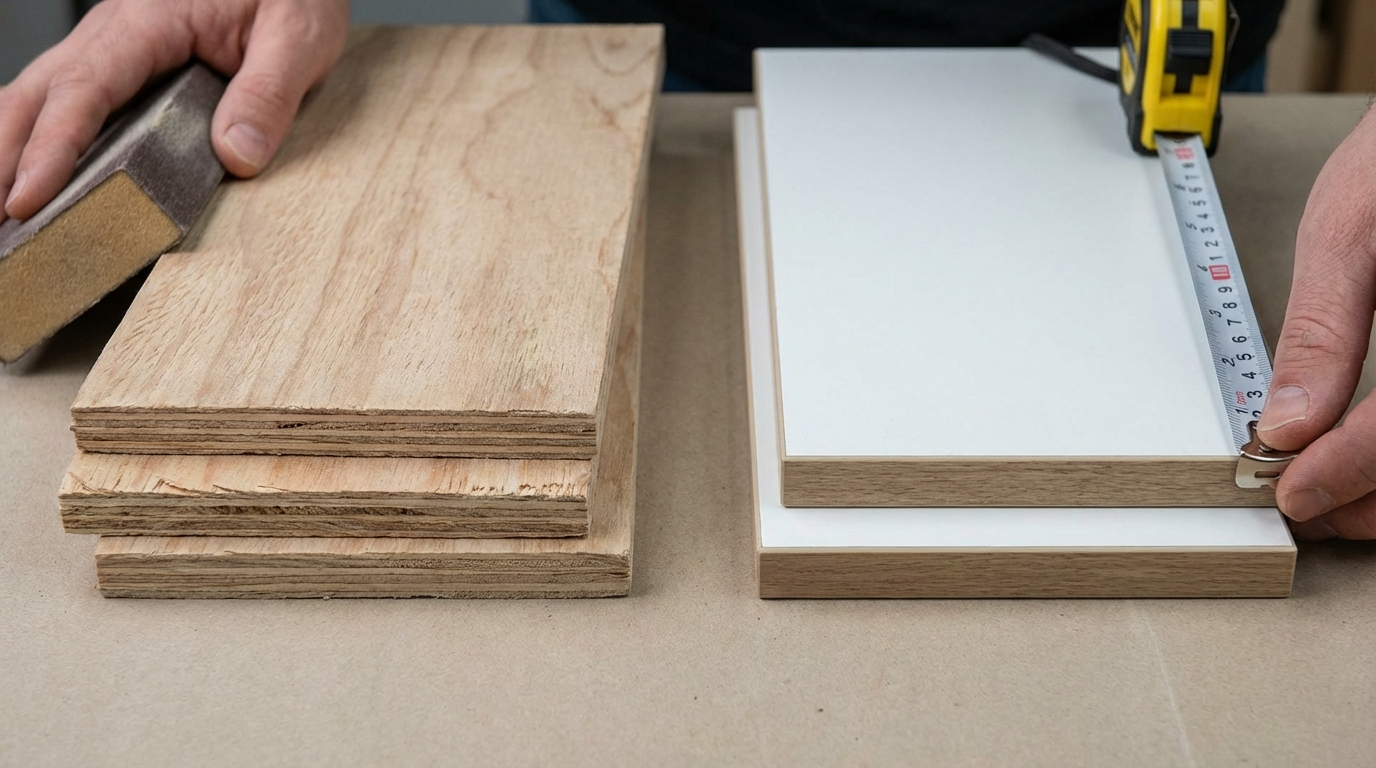
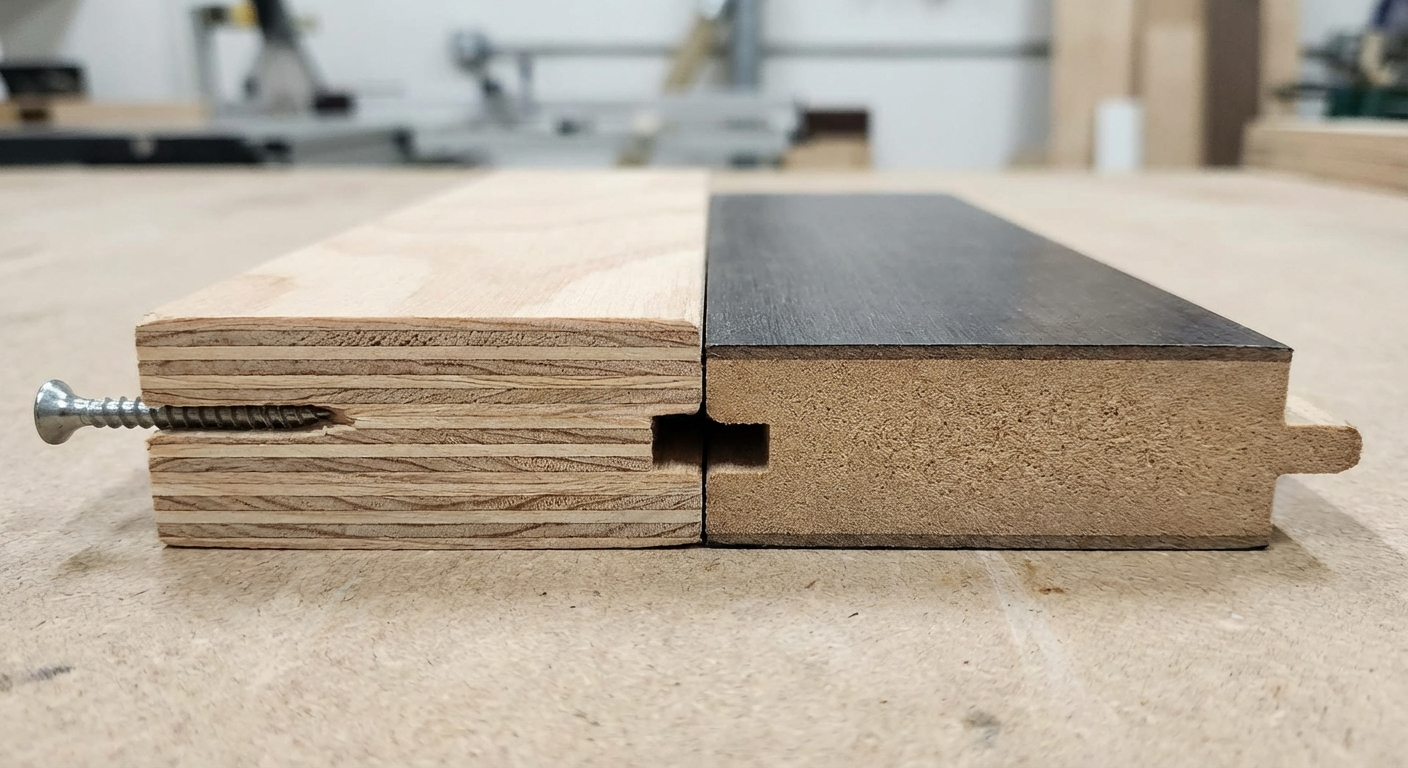
In India's diverse construction landscape, where monsoon humidity challenges material stability and cost-conscious builders prioritize longevity, understanding the fundamental makeup of plywood and HDF (High Density Fibreboard) is essential. Plywood emerges from cross-laminated thin wood veneers—typically from species like poplar, eucalyptus, or hardwood—glued under pressure to form a multi-layered panel. This orthogonal grain arrangement distributes stress evenly, mimicking natural wood's resilience but with engineered predictability.
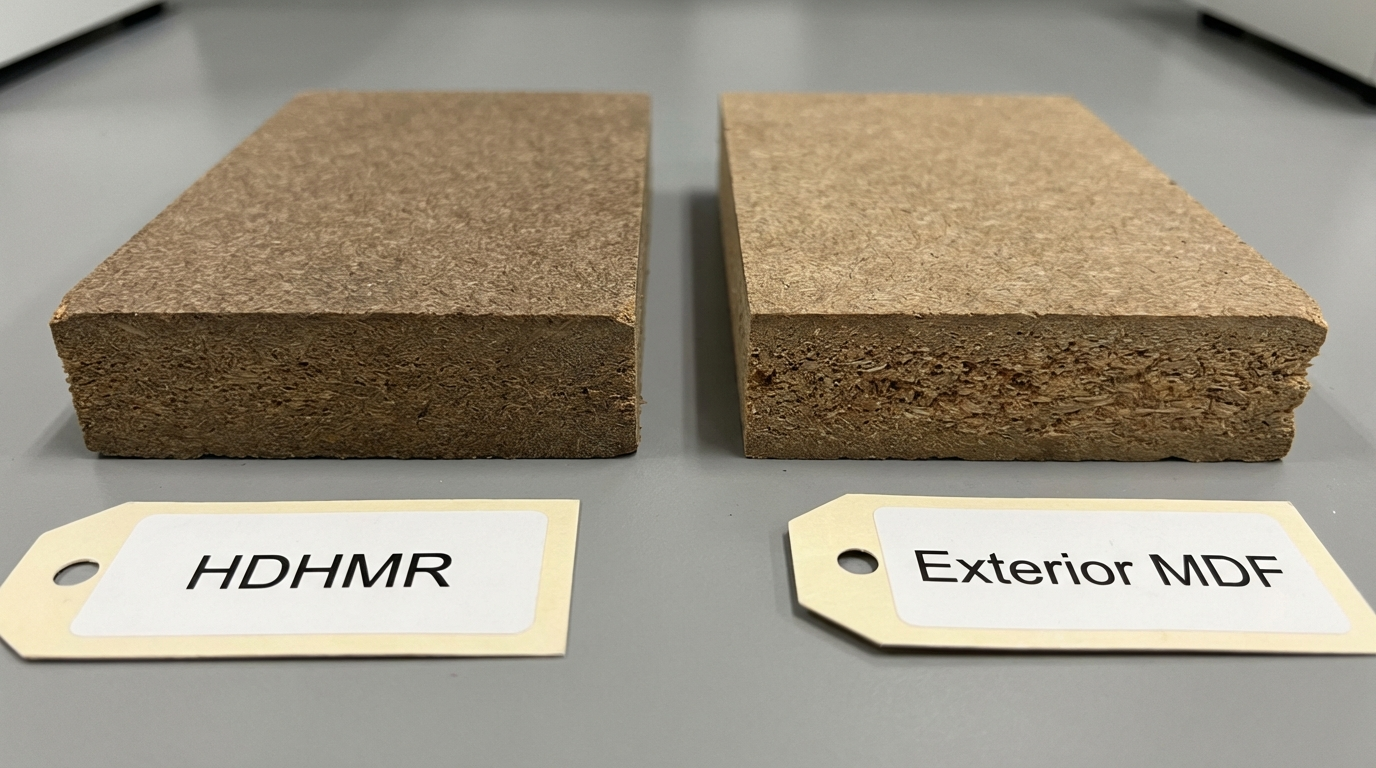
HDF, conversely, starts with wood fibers sourced from fast-growing plantations, defibrated, mixed with resins, and compressed at high temperatures and pressures into a uniform, dense slab. No visible grain layers; instead, a homogeneous matrix where fibers align randomly for isotropy. In Indian manufacturing hubs like Punjab, Gujarat, and Kerala, HDF production leverages recycled wood waste, aligning with sustainability pushes amid rising timber costs.
These structural origins dictate their roles: plywood's layered strength suits load-bearing frames, while HDF's flat, fiber-packed density favors surface-critical overlays like laminates.
Technical Specifications: A Side-by-Side Engineering Comparison
Buyers in Mumbai's humid bays or Delhi's dusty sites often overlook quantifiable metrics. Here's a breakdown grounded in standard testing under Indian conditions (BIS/IS 303 for HDF, IS 710 for plywood), focusing on properties that influence real-world performance.
| Property | Plywood | HDF | Implication for Indian Use |
|---|---|---|---|
| Density (kg/m³) | 500–700 (varies by core) | 800–1,000+ | HDF's higher density resists warping in coastal humidity; plywood lighter for easier handling in labor-intensive sites. |
| Thickness Swell (24hr water soak) | 10–20% (MR grade); <12% (BWR) | 5–10% | HDF edges out in temporary moisture exposure, critical for flooring during monsoons. |
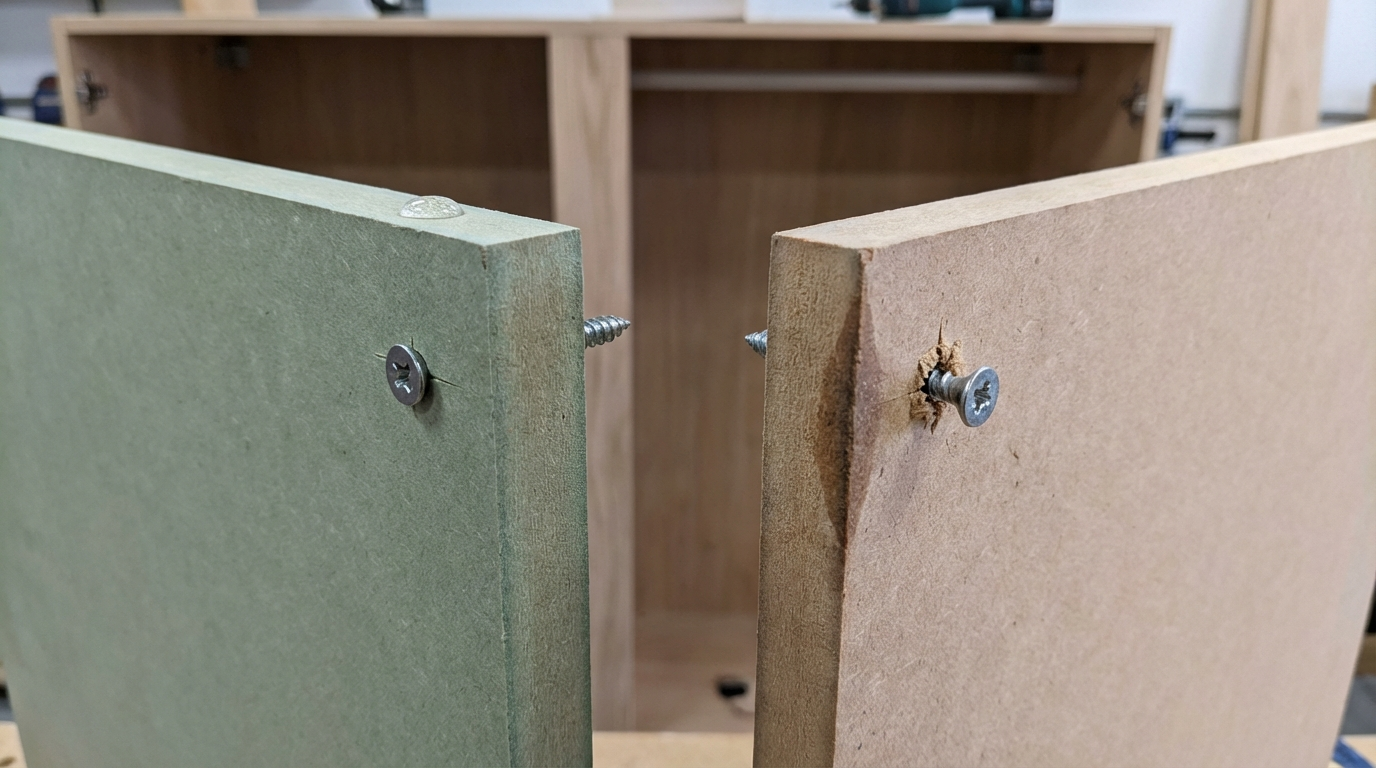
| Screw Holding Strength (N/mm²) | 1,200–1,800 | 800–1,200 | Plywood superior for repeated assembly/disassembly in modular furniture. |
| Bending Strength (MPa) | 40–60 (along grain) | 30–50 (isotropic) | Plywood handles directional loads like shelves; HDF uniform for flat spans. |
| Surface Flatness | Moderate (veneer telegraphing possible) | Excellent (smooth, paintable/printable) | HDF ideal base for laminate printing in high-volume factories. |
| Emissions (Formaldehyde) | E1/E0 compliant options | E1 standard; low-VOC variants rising | Both safe for homes, but verify ISI marks amid counterfeit concerns. |
These metrics stem from lab simulations approximating India's 70–90% RH swings. Plywood's variability ties to veneer quality; HDF's consistency to fiber uniformity.
Dimensional Stability Under Load
In practice, a 18mm plywood sheet spanning 900mm under 100kg deflects ~5–8mm, versus HDF's 6–10mm—yet plywood recovers better post-load due to elastic veneers. For architects specifying in seismic zones like Gujarat, plywood's shear strength (from cross-grains) outperforms HDF's fiber shear.
Why HDF Reigns Supreme as Laminate Flooring Core
Laminate flooring's rise in urban India—Tier-1 apartments, offices—hinges on HDF's core properties. Its ultra-smooth surface (Ra <2 microns) accepts high-pressure laminate (HPL) overlays without telegraphing, ensuring defect-free embossing of wood grains or stones. Indian brands pressing HDF at 200–250kg/cm² density yield panels that lock via click systems, resisting subfloor moisture via HDF's low water absorption (8–12% vs plywood's 15–25%).
Contractors favor HDF for speed: pre-milled edges reduce site labor, vital in deadline-driven projects. In humid Kolkata or Chennai, HDF's edge-swelling control (<15%) prevents cupping under AC drips or spills, outperforming plywood cores that delaminate faster without BWP grades.
- Stability in Floating Installs: HDF's isotropy minimizes expansion gaps; ideal for 8x12ft rooms over uneven concrete.
- Acoustic Benefits: Denser mass dampens impact noise, suiting multi-story societies.
- Recyclability: Fiber matrix suits India's waste-to-board recycling loops.
Drawback? HDF shatters under point loads without underlayment, unlike plywood's forgiving flex.
Flooring Thickness and Wear Layers
Standard 8–12mm HDF cores pair with 0.2–0.7mm wear layers (AC3–AC5 rating). In high-traffic lobbies, thicker HDF variants (10mm+) extend life to 15–20 years, per accelerated abrasion tests.
Plywood's Unrivaled Role in Furniture Structural Frameworks
For cabinets, wardrobes, and beds—core to India's modular furniture boom—plywood's supremacy lies in mechanical prowess. Its screw withdrawal resistance holds hinges through 10+ cycles, crucial for adjustable shelves in Kerala-style wet kitchens or Pune showrooms.
Layered construction provides torsional rigidity: a plywood carcase withstands racking forces (e.g., door slams) where HDF might crumble. In dealer yards from Indore to Hyderabad, contractors select 18–25mm BWR plywood for carcasses, overlaying with laminates or veneers. Costlier BWP variants shine in coastal exports, shrugging off 72hr boils.
- Load Distribution: Cross-ply diffuses weights unevenly applied, like stacked utensils.
- Machinability: Clean edge banding, routing for dados without splintering.
- Repairability: Local carpenters patch veneer flaws on-site.
HDF lags here: softer for heavy fixtures, prone to sagging in humid storage without edge sealing.
Hybrid Uses: When to Layer Them
Smart Indian fabricators combine: plywood frames with HDF panels for tabletops, balancing strength and flatness.
Performance in India's Climate: Humidity, Termites, and Heat
Monsoons (June–Sept) test materials: plywood's adhesives (UF/PF) must be BWR-grade to limit delamination; HDF's wax-impregnated fibers inherently repel water longer. Termite-prone South India sees both treated with borates, but plywood's solid veneers deter borers better than HDF's uniform pulp.
Heat from rooftop exposures (40°C+) warps low-grade plywood faster; HDF's density stabilizes it. Ventilation in godowns prevents both from off-gassing VOCs, a growing concern post-NGT regs.
Cost Dynamics: Relative Pricing and Value Trade-offs
Pricing hinges on thickness, grade, and origin: expect plywood (18mm BWR) to run 20–40% higher per sqm than equivalent HDF due to veneer sourcing amid timber shortages. Regional swings—North India's poplar plywood cheaper vs South's hardwood premiums—plus dealer markups (15–30%) factor in.
| Scenario | Plywood Cost Driver | HDF Cost Driver | Best Value Pick |
|---|---|---|---|
| Laminate Flooring (100 sqm) | Higher if moisture-grade needed | Lower base + milling | HDF (faster ROI via install savings) |
| Wardrobe Carcase (50 sqm) | Screw strength justifies premium | Lower but higher failure risk | Plywood (longevity offsets cost) |
| Budget Builds | MR grade viable indoors | Standard density sufficient | Match to exposure |
Volume buyers negotiate via mill-direct; retail adds 25%. Factor lifecycle: HDF flooring lasts 10–15yrs, plywood furniture 20+.
Buyer Decision Framework: Homeowners, Contractors, Designers
For Homeowners
Assess room use: wet areas (kitchen flooring)? HDF core laminate. Dry storage (almirah)? Plywood. Budget <₹100/sqft? HDF wins; prioritize ISI-stamped sheets.
For Contractors
Site speed favors HDF flooring installs (2–3 days/100sqm); structural reliability picks plywood for false ceilings or partitions.
For Architects/Designers
Specify hybrids: plywood shutters with HDF doors. Demand MOR tests for custom loads.
Checklist:
- Verify BIS marks (IS 1659 plywood shutters; IS 303 HDF).
- Test samples: soak, load, screw.
- Source from certified mills; avoid roadside 'commercial' grades.
HDF vs Plywood: Common Questions and Buying Mistakes
Can HDF replace plywood everywhere? No—its brittleness fails in frameless cabinets.
Waterproof plywood vs HDF? BWP plywood beats HDF in immersion; HDF for splashes.
Health risks? Both E1-safe; HDF's uniformity reduces uneven off-gassing.
Future trends? HDF with nano-coatings rising for anti-microbial floors; plywood bio-resins for green certs.
HDF or Plywood: Which Should You Use for Your Project?
India's plywood-HDF choice boils down to physics over hype: HDF for precision surfaces under even stress, plywood for dynamic frameworks. Test locally—dealer samples reveal true performance amid supply variances. This informed pivot saves rework costs, ensuring structures endure the subcontinent's rigors.
Related guides on PlyPrice
Want Plywood Suggestions?
Share a few details and a PlyPrice specialist will suggest suitable brands and connect you to responsive dealers.