Plywood vs Rubberwood: Which Is Better for Dining Tables and Chairs?
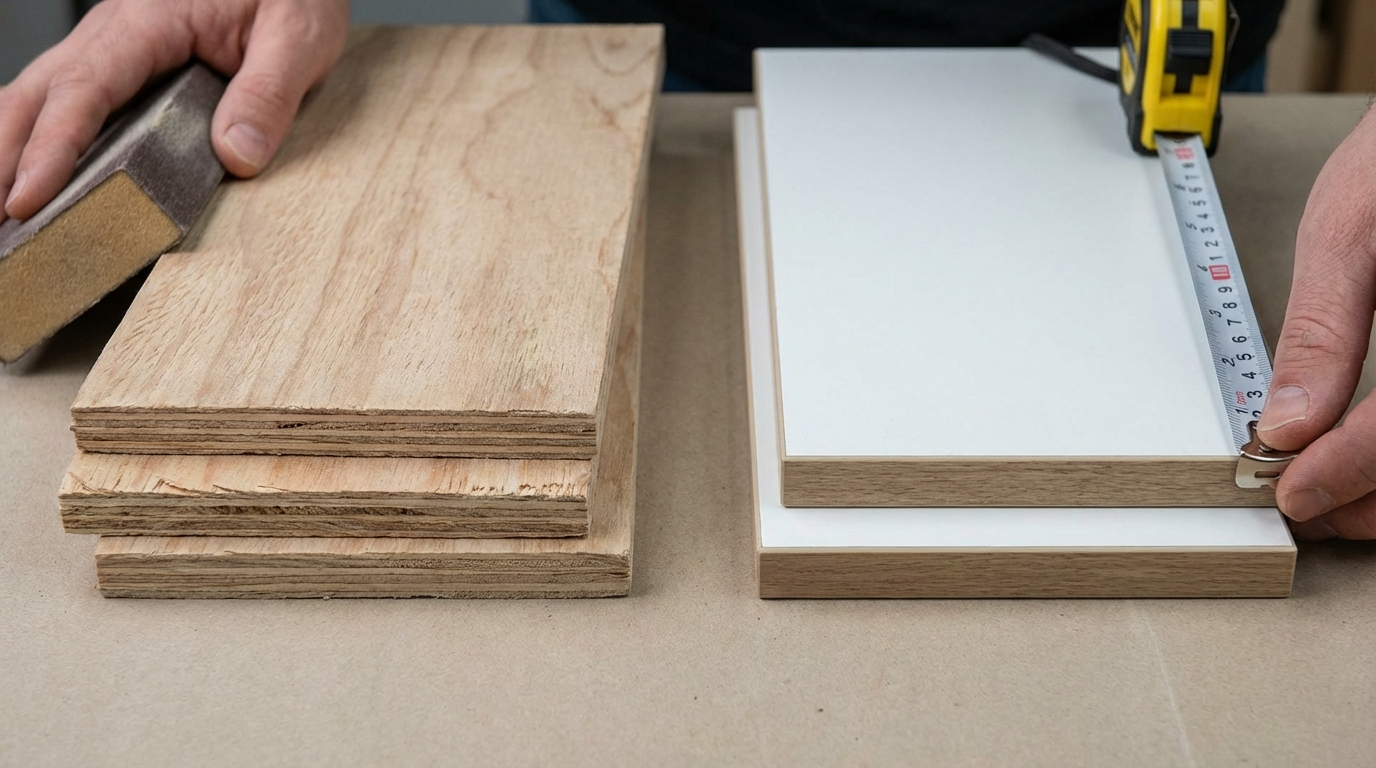
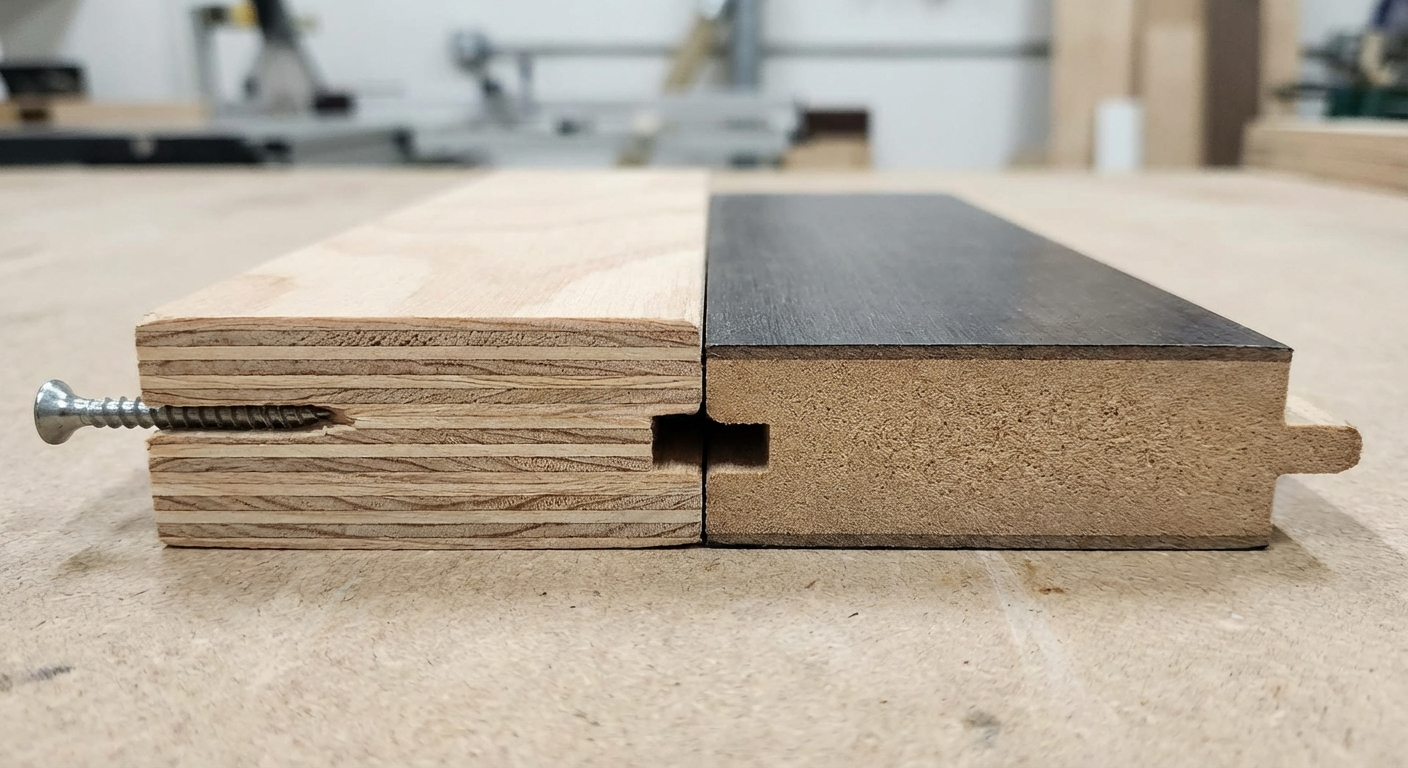
Rubberwood often wins on upfront cost, while plywood tends to win over the long term on stability in humid Indian homes. Rubberwood is kiln-dried, finger-jointed solid wood from Kerala and Tamil Nadu plantations; plywood is cross-laminated veneer.
What Defines Rubberwood (Finger Joint) and Plywood in Indian Furniture Making?
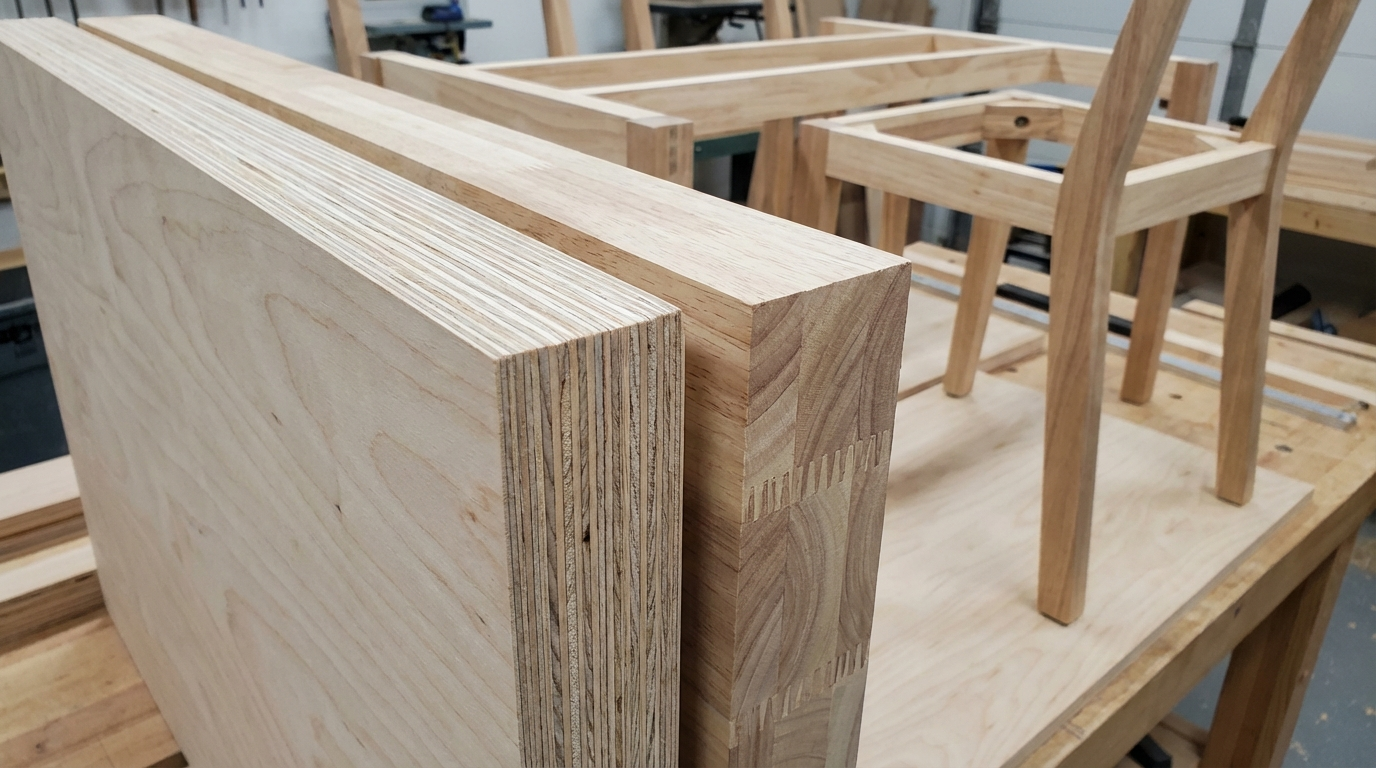
In India's diverse construction and furniture landscape, where humidity swings from coastal monsoons to dry inland heat, material choices for dining tables and chairs hinge on balancing cost, stability, and longevity. Rubberwood, often processed as finger-jointed boards, comes from mature para rubber trees (Hevea brasiliensis) harvested post-latex tapping—a renewable cycle that aligns with sustainable forestry practices in Kerala and Tamil Nadu plantations. These boards are kiln-dried, defects cut out, and glued end-to-end with finger joints, creating dimensionally stable panels without the warping risks of solid lumber.
Plywood, conversely, layers thin wood veneers—typically hardwood or softwood—from fast-growing species, cross-banded and bonded with adhesives under heat and pressure. Indian grades like MR (moisture-resistant), BWR (boiling water-resistant), and BWP (boiling water-proof) dictate glue quality and delamination resistance, essential for monsoon-prone regions. For dining furniture, both materials serve as alternatives to pricier teak or sheesham, but their engineering approaches yield distinct behaviors under load, moisture, and wear.
Rubberwood Finger Joint: From Plantation to Panel
- Sourced mainly from South India, where rubber trees mature in 7-10 years for latex before wood harvest.
- Finger-jointing removes knots and cracks, yielding uniform boards (e.g., 18-25mm thick) ideal for table legs and chair frames.
- Light color takes paints or laminates well, mimicking costlier woods after finishing.
Plywood: Layered Strength for Engineered Reliability
- Assembled from 5-13 veneers, with core plies providing bulk and face veneers aesthetics.
- ISI-marked grades ensure minimum glue shear strength; BWP variants resist 72-hour boils, suiting steam-cleaned kitchens.
- Available in 12-19mm thicknesses for tabletops, balancing weight and rigidity.
Head-to-Head Comparison: Rubberwood vs Plywood Across Critical Metrics
Buyers—homeowners eyeing modular dining sets, contractors quoting flat-pack assemblies, or designers specifying for cafes—need metrics beyond surface appeal. The table below distills performance differences based on real-world Indian use cases, from Delhi's dust-laden homes to Mumbai's humid apartments.
| Factor | Rubberwood (Finger Joint) | Plywood (BWR/BWP Grade) |
|---|---|---|
| Dimensional Stability | High post-kiln drying; finger joints minimize expansion (1-2% in humidity swings). Prone to joint gaps if low-quality glue used. | Superior cross-graining resists warping; BWP holds under 90% RH for months. |
| Strength & Load-Bearing | Good compressive strength for legs (500-800kg per sqm); shear weaker at joints. Suits static loads like chairs. | High screw-holding and bending strength; supports 1000kg+ tabletops without sagging. |
| Moisture Resistance | Moderate; untreated absorbs 10-15% moisture, swells 5-8%. Needs sealing for coastal use. | Excellent in BWR/BWP; delamination rare below 20% moisture regain. |
| Termite & Pest Resistance | Natural latex residues offer mild protection; requires chemical treatment for North Indian termite belts. | Better with phenolic resins; still needs preservatives like boric acid. |
| Weight | Lighter (500-600kg/cum); easier handling for DIY assemblies. | Denser (650-750kg/cum); adds stability but increases shipping costs. |
| Finish Compatibility | Excellent for paints, PU, or melamine; uniform grain. | Good on faces; edges need banding to hide layers. |
| Sustainability | High; plantation-grown, short rotation (7 years). Lower embodied energy. | Moderate; uses mixed veneers, variable sourcing. Recyclable but adhesive limits. |
Cost Breakdown: Why Rubberwood Often Wins Upfront, Plywood Long-Term
Pricing in India reflects sourcing, processing, and regional dealer margins—Kerala rubberwood undercuts North Indian plywood by 20-30% at source, but transport flips this in Delhi or Bangalore. Homeowners prioritize initial outlay for a 6-seater dining set (Rs. 20,000-40,000 range), while contractors factor lifecycle costs.
- Rubberwood Drivers: Plantation proximity drops base cost (lower per cum than imported hardwoods). Finger-jointing adds 10-15% but enables waste-free yield. Total for dining table: relatively lower upfront, especially unbranded.
- Plywood Drivers: Glue type escalates price—MR cheapest, BWP 40-60% more. 18mm BWR sheet costs 1.5-2x rubberwood board equivalent. Bulk dealer buys shave 15-20%.
- Relative Verdict: Rubberwood suits budget renovations (e.g., rental flats); plywood for investment pieces holding value 10+ years. Factor finishing: both need 10-20% extra for laminates.
Regional variance: South India favors rubberwood (cheaper local supply); North leans plywood for proven durability in variable climates.
Suitability for Dining Tables and Chairs: Application-Specific Insights
Dining Tables: Stability Under Daily Use
Tabletops bear plates, spills, and elbow leans—requiring flatness amid 30-90% humidity cycles. Plywood's veneer lamination distributes stress evenly, preventing cupping seen in subpar rubberwood if joints weaken. For 1200x2400mm sizes, 18mm BWP plywood edges out, especially with hot dishes or wiping.
Rubberwood shines in lighter-duty extendable tables; its lightness aids mechanisms. Indian households with kids prefer sealed rubberwood for scratch resistance post-varnish.
Chairs: Flex and Fatigue Resistance
Chair frames endure repeated sitting (200-300kg dynamic loads). Rubberwood's solid feel in legs provides reassuring heft, but finger joints risk shear under rocking—critical for wobbly kid chairs. Plywood excels in seat rails and backs, with superior nail/screw retention for upholstery.
Contractor tip: Hybrid designs—rubberwood legs, plywood seats—optimize cost-stability for banquet halls.
Durability in India's Challenging Conditions
Monsoons delaminate untreated materials; termites in Rajasthan soil chew sapwood. Rubberwood, being uniform-density, responds well to borate dips, lasting 8-12 years sealed. Plywood's adhesives form moisture barriers, pushing 15-20 years in BWP form—but core voids in cheap grades fail early.
Maintenance logic: Both need annual teak oil or PU recoating. In AC homes, rubberwood closes the gap; open verandas favor plywood.
Eco-Friendliness: Plantations vs Processing Footprints
Rubberwood's edge stems from controlled plantations—trees replanted every 7 years, sequestering CO2 without deforestation. Finger-jointing maximizes yield (90% vs 60% solid). Plywood leverages scraps but urea-formaldehyde glues emit VOCs unless PF resins used (rarer in budget grades).
Buyer angle: Eco-conscious urbanites (Bengaluru millennials) pick certified rubberwood; contractors overlook for plywood's ubiquity.
Pros and Cons: Quick Decision Framework
| Aspect | Rubberwood Pros | Rubberwood Cons | Plywood Pros | Plywood Cons |
|---|---|---|---|---|
| Budget Builds | Lower entry cost; lightweight shipping. | Potential joint failures long-term. | Consistent quality in branded. | Higher material expense. |
| Heavy-Use Furniture | Natural aesthetics post-stain. | Moderate moisture tolerance. | Engineered toughness. | Less "warm" solid feel. |
| Custom Designs | Machinable like solid wood. | Grain variability. | Precise sizing availability. | Edge treatments needed. |
Practical Buying Guide for Indian Buyers
Assess Your Needs First
- Homeowner (modular dining): Rubberwood if budget < Rs. 30,000/set; plywood for heirloom quality.
- Contractor (bulk): Plywood for speed; rubberwood for lightweight installs.
- Designer (cafes): Plywood for hygiene; rubberwood for biophilic appeal.
Inspection Checklist
- Rubberwood: Tap for hollow joints; check kiln stamps (moisture <12%). Avoid white sapwood streaks.
- Plywood: Verify ISI mark, face grain straightness; press edges for voids.
- Both: Smell for chemical off-notes; demand treatment certificates.
- Myth: Rubberwood is "fake wood." Fact: Finger joints create stronger, stable panels than knotty solid lumber.
- Myth: Plywood always warps. Fact: Quality cross-banding prevents this; poor glue causes 90% failures.
- Myth: One is always cheaper. Fact: Lifecycle (maintenance + replacement) evens costs—plywood often lower TCO.
Where to Source
Dealer yards in Perambur (Chennai) for rubberwood; Bhivandi (Mumbai) for plywood. Online aggregators compare, but inspect samples. Negotiate 10-15% on volume; monsoon premiums add 5-10%.
When to Choose Each
Rubberwood for eco-budget tables in dry/moderate climates. Plywood for resilient chairs in high-moisture zones. Test hybrids via prototypes—many top furniture makers blend both for optimal value.
Rubberwood vs Plywood: Common Myths Debunked
Rubberwood or Plywood: Final Pick for Dining Tables and Chairs
Weigh climate risk (plywood wins humid), load demands (plywood), and green credentials (rubberwood). For a typical Indian 6-seater: Start rubberwood if replacing rentals; upgrade plywood for permanent homes. Consult local carpenters—they blend based on your site's microclimate and usage patterns.
Related guides on PlyPrice
Want Plywood Suggestions?
Share a few details and a PlyPrice specialist will suggest suitable brands and connect you to responsive dealers.