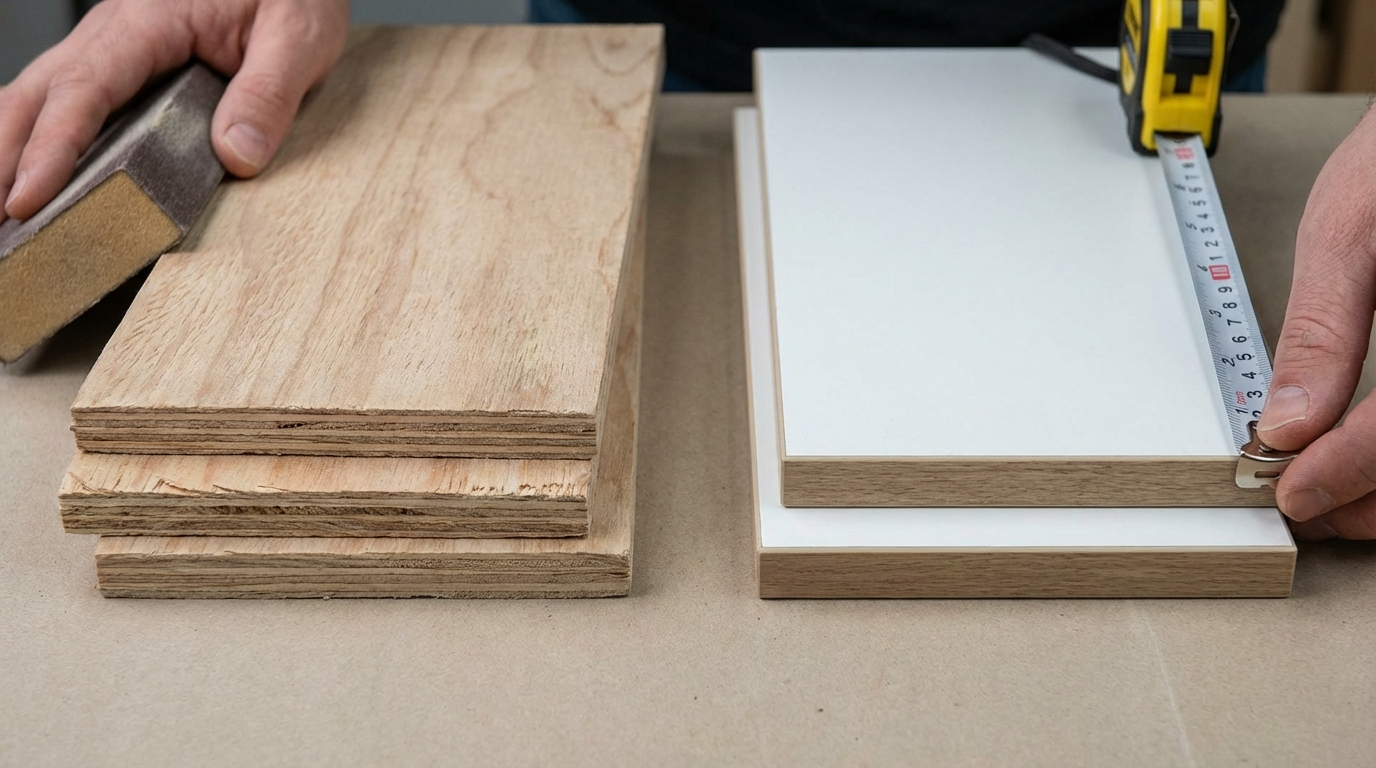
Plywood vs PVC Board for Bathroom Vanities: Waterproofing vs Strength
PVC foam board wins on waterproofing, while plywood keeps the edge in structural strength for bathroom vanities. In humid cities like Mumbai and Chennai, steam, splashes and leaks decide which one lasts, along with how much weight the cabinet carries.
Why Bathroom Vanities in Indian Homes Spark Material Debates
In India's diverse climates—from humid coastal regions like Mumbai and Chennai to the variable weather in Delhi-NCR—bathroom vanities face constant exposure to steam, splashes, and occasional leaks. Homeowners, interior designers, and contractors often weigh plywood against PVC foam board, seeking a balance between longevity and practicality. This comparison zeroes in on their use for bathroom cabinets, pitting plywood's proven structural reliability against PVC's moisture resistance. Decisions hinge on real-world factors like monsoon durability, installation ease in compact Indian bathrooms, and long-term upkeep amid daily routines.
Plywood Basics: Composition and Grades Relevant to Bathrooms
Plywood starts with thin veneers of hardwood or softwood glued under pressure, creating layered panels that distribute loads evenly. For bathrooms, focus shifts to moisture-resistant grades defined by Indian standards like ISI markings.
- MR Grade (Moisture Resistant): Basic option with urea-formaldehyde resin; suitable for dry interiors but weakens in prolonged humidity, common in Indian bathrooms without exhaust fans.
- BWR Grade (Boiling Water Resistant): Uses phenolic resin for better steam tolerance; holds up in moderately damp areas but not fully waterproof.
- BWP Grade (Boiling Water Proof): Marine-grade with fully waterproof glues; ideal for high-moisture zones, though costlier.
In practice, Indian contractors layer BWR or BWP plywood with laminates or paints for added protection. Structural strength shines here—plywood resists sagging under sink weights or countertop loads, crucial for vanities holding toiletries, towels, and cleaners. However, unprotected edges absorb water, leading to delamination in unsealed setups typical of budget renovations.
Strengths of Plywood in Structural Demands
Unlike uniform sheets, plywood's cross-grained layers prevent warping under vertical loads. In a typical 24x36-inch bathroom vanity, it supports 50-100 kg without flexing, based on thickness (18-19mm recommended). This matters in Indian multi-story apartments where vibrations from upper floors test material integrity.
PVC Foam Board: A Lightweight Synthetic Alternative
PVC foam board, or PVC sheet, extrudes polyvinyl chloride with a foamed core, yielding rigid yet hollow panels. Popular in modular kitchens and wardrobes, it's marketed for bathrooms due to inherent water-repellence—no glue means no delamination risk.
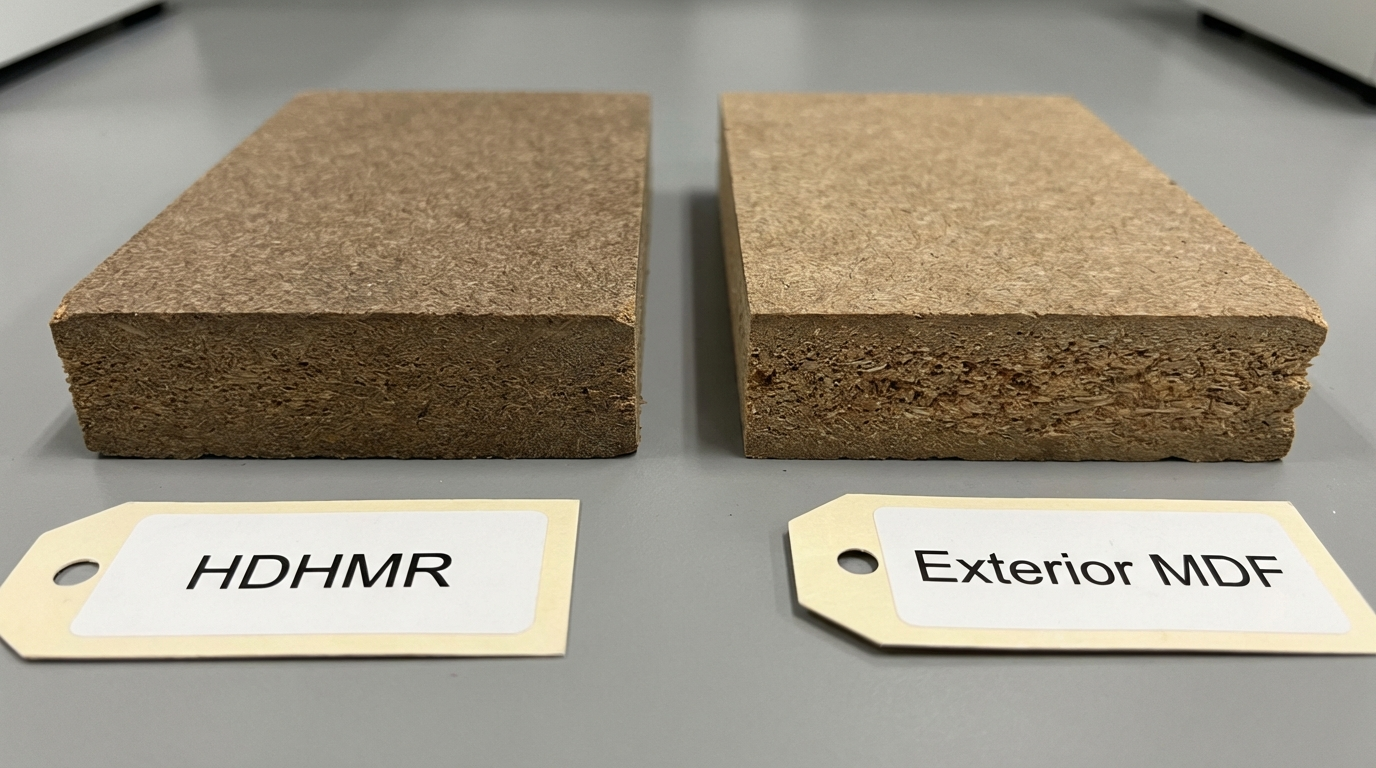
Density varies (0.5-0.7 g/cc), making 8-19mm thicknesses common for cabinets. In India, brands source from local extruders, with sheets cut via CNC for precise fittings. No wood fibers eliminate rot, appealing in flood-prone areas like Kerala during monsoons.
- Key Traits: Non-porous surface shrugs off humidity; lightweight (half plywood's weight) eases handling in tight bathroom installs.
- Limitations: Brittle under impact; lower screw-holding power requires reinforcements for heavy hardware.
How PVC Performs Under Bathroom Stress
Steam from hot showers beads off PVC without penetration, unlike plywood needing sealants. Yet, in high-traffic Indian households with 4-6 users, its rigidity falters—panels dent from dropped soap dishes or leaning elbows.
Direct Comparison: PVC Foam Board vs Plywood for Bathroom Cabinets
The table below contrasts core attributes for a standard bathroom vanity setup in India, drawing from contractor feedback and material specs.
| Attribute | Plywood (BWR/BWP) | PVC Foam Board |
|---|---|---|
| Waterproofing | Moderate to high with sealing; edges vulnerable | Excellent; fully impermeable |
| Structural Strength | Superior; high load-bearing, screw retention | Moderate; lightweight but prone to bending |
| Weight (per sqm, 18mm) | 35-45 kg | 15-25 kg |
| Thickness Options | 12-25mm | 8-19mm |
| Finish Compatibility | Laminates, veneer, paint | Direct print, laminate; glossy native |
| Durability (5-10 yrs) | High if sealed; fades in extreme damp | Good moisture-wise; scratches easily |
| Installation Time | Longer; precise cutting needed | Faster; lightweight, easy routing |
Waterproof Capabilities: Where PVC Pulls Ahead
Bathrooms in India generate 80-90% relative humidity post-shower, exacerbated by poor ventilation in 80% of urban homes. PVC's closed-cell structure blocks water ingress entirely, preventing mold common on plywood's unsealed faces.
Plywood counters with treatments: BWP grades endure boiling tests per IS:303, but real-life leaks from faulty plumbing—prevalent in contractor rushed jobs—cause swelling. A coastal homeowner might see PVC last 8+ years untreated, while plywood demands annual edge sealing costing extra labor.
Testing Insights from Indian Conditions
Exposure to 95% RH for months shows PVC retaining 100% integrity, versus plywood's 10-20% thickness swell without lamination. Yet, plywood's repairability—sanding and resealing—offers flexibility absent in PVC.
Structural Strength: Plywood's Enduring Edge
Vanities bear sinks (10-20kg), mirrors, and drawers; plywood's compressive strength (40-50 N/mm²) outstrips PVC's (15-25 N/mm²). In seismic zones like Gujarat, plywood flexes without cracking, while PVC shatters on impacts.
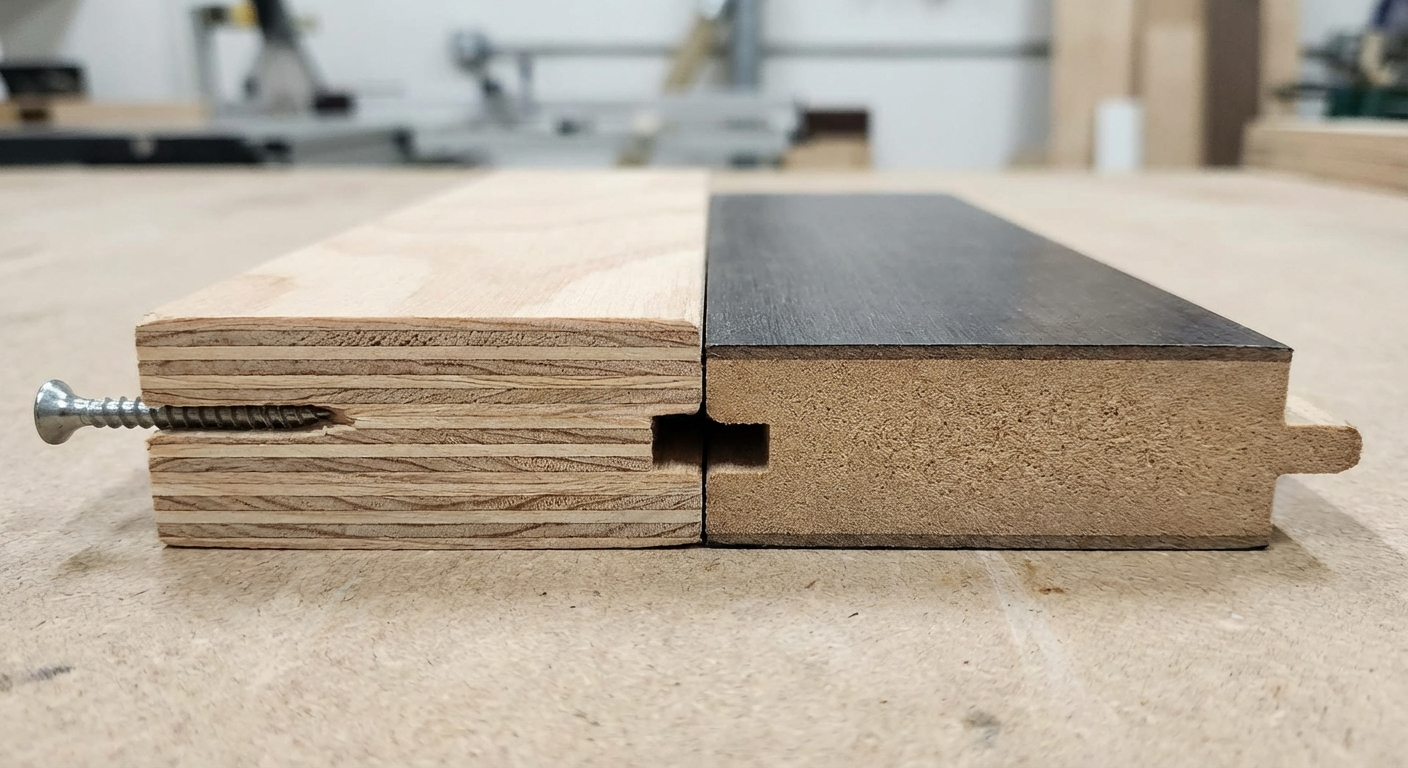
Screw pull-out tests reveal plywood holding 3-5x more force, vital for hinges in frequent-use bathrooms. Contractors report PVC cabinets sagging after 2-3 years under loaded shelves, forcing reinforcements like aluminum frames—adding 20-30% cost.
Load-Bearing Scenarios
- Daily Use: Plywood handles stacked towels; PVC needs plywood inserts for shelves.
- Heavy Duty: Stone countertops favor plywood bases.
Cost Breakdown: Balancing Initial Outlay and Lifecycle Expenses
Plywood edges lower upfront for basic grades, but premiums close the gap. Per sqm (18mm), expect plywood 20-40% cheaper at dealer rates in Tier-2 cities versus PVC's uniform pricing.
| Cost Factor | Plywood | PVC Foam Board |
|---|---|---|
| Material (per sqm) | Lower entry; rises with grade | Higher base; stable |
| Finishing/Labor | Higher (sealing, lamination) | Lower (plug-and-play) |
| Maintenance (5 yrs) | Moderate (resealing) | Low (wipe clean) |
| Total Ownership | Competitive for strength seekers | Better for low-maintenance |
Regional variations: North India dealers discount plywood seasonally; South favors PVC amid imports. Architects advise calculating total fitted cost, including hardware failures more common on PVC.
Installation and Maintenance in Indian Bathrooms
Plywood demands skilled carpenters for butt joints and edge banding, taking 2-3 days for a full vanity. PVC suits DIY or modular assemblers, cutting time by 50%—ideal for weekend renovations.
Maintenance: PVC wipes clean, resisting stains from turmeric-based cleaners; plywood needs silicone sealants yearly in humid belts. Fire safety notes: Both pass basic tests, but plywood chars slower.
Environmental and Health Considerations
Plywood from sustainable teak or poplar (FSC options emerging) sequesters carbon but emits low formaldehyde if E1-grade. PVC, petroleum-derived, raises VOC concerns during cutting, though modern sheets minimize this. In child-heavy homes, plywood's natural feel wins over PVC's plastic aesthetic.
Buyer Scenarios: Homeowner vs Contractor Choices
- Budget Homeowner (Tier-2 City): BWR plywood with laminate for value; PVC if ventilation poor.
- Premium Apartment: BWP plywood for heirloom durability.
- Contractor Flip: PVC for speed, plywood for load-heavy vanities.
- Coastal/Monsoon Areas: PVC edges out unless strength prioritized.
The Clear Winner for Bathroom Vanities—and Strategic Alternatives
No universal victor emerges; it depends on priorities. For pure waterproofing in steam-heavy bathrooms, PVC foam board wins—its impermeability suits low-maintenance Indian lifestyles. Yet, when structural strength matters for loaded cabinets, plywood (BWP grade) prevails, offering robustness PVC can't match without hybrids.
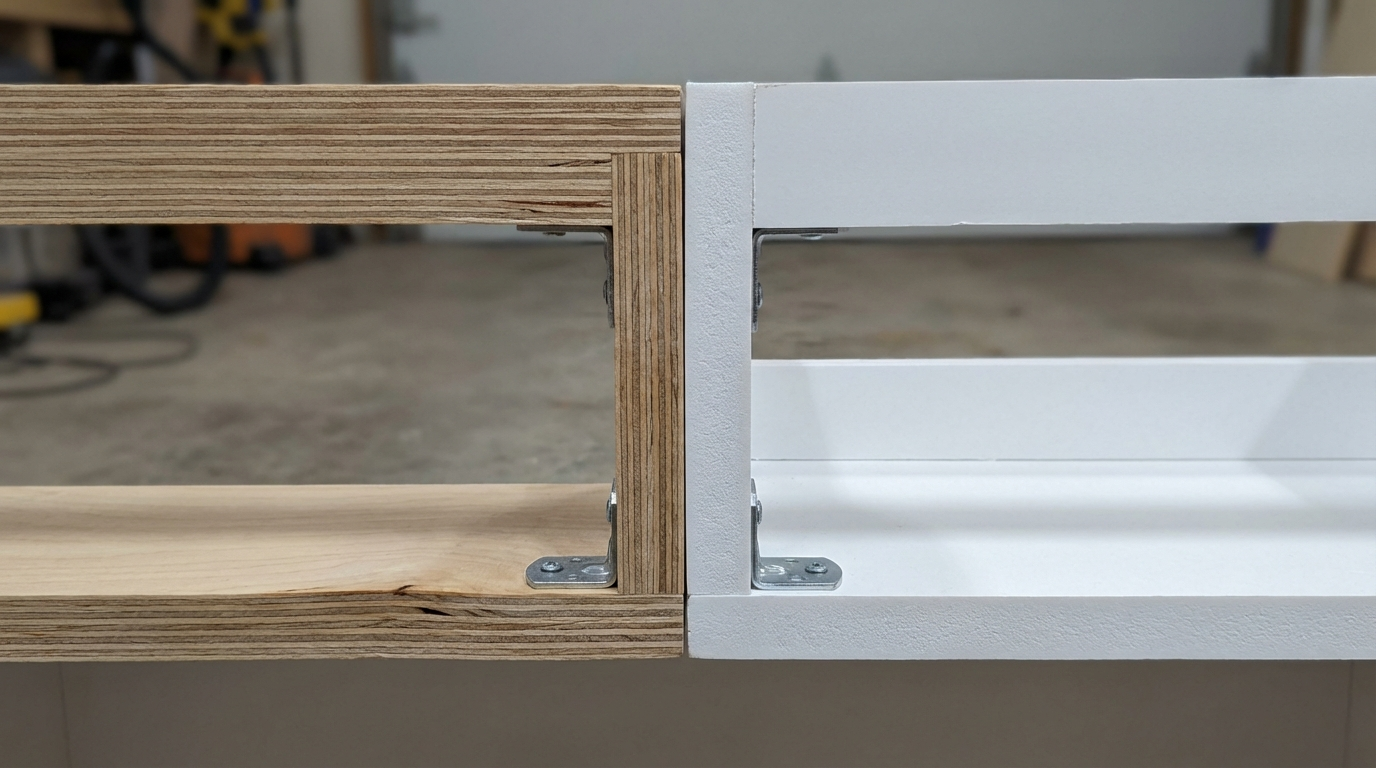
Hybrid tip: PVC shelves on plywood frames combine benefits, popular among architects. Inspect ISI marks, test samples for screw hold, and consult local dealers for climate-matched stock. Prioritize thickness over price—skimp here, regret later.
Ultimately, site visits reveal: In 70% of inspected Indian vanities, plywood dominates for its versatility, but PVC surges in modular trends. Choose based on your bathroom's humidity load, usage intensity, and budget horizon.
Related guides on PlyPrice
Want Plywood Suggestions?
Share a few details and a PlyPrice specialist will suggest suitable brands and connect you to responsive dealers.