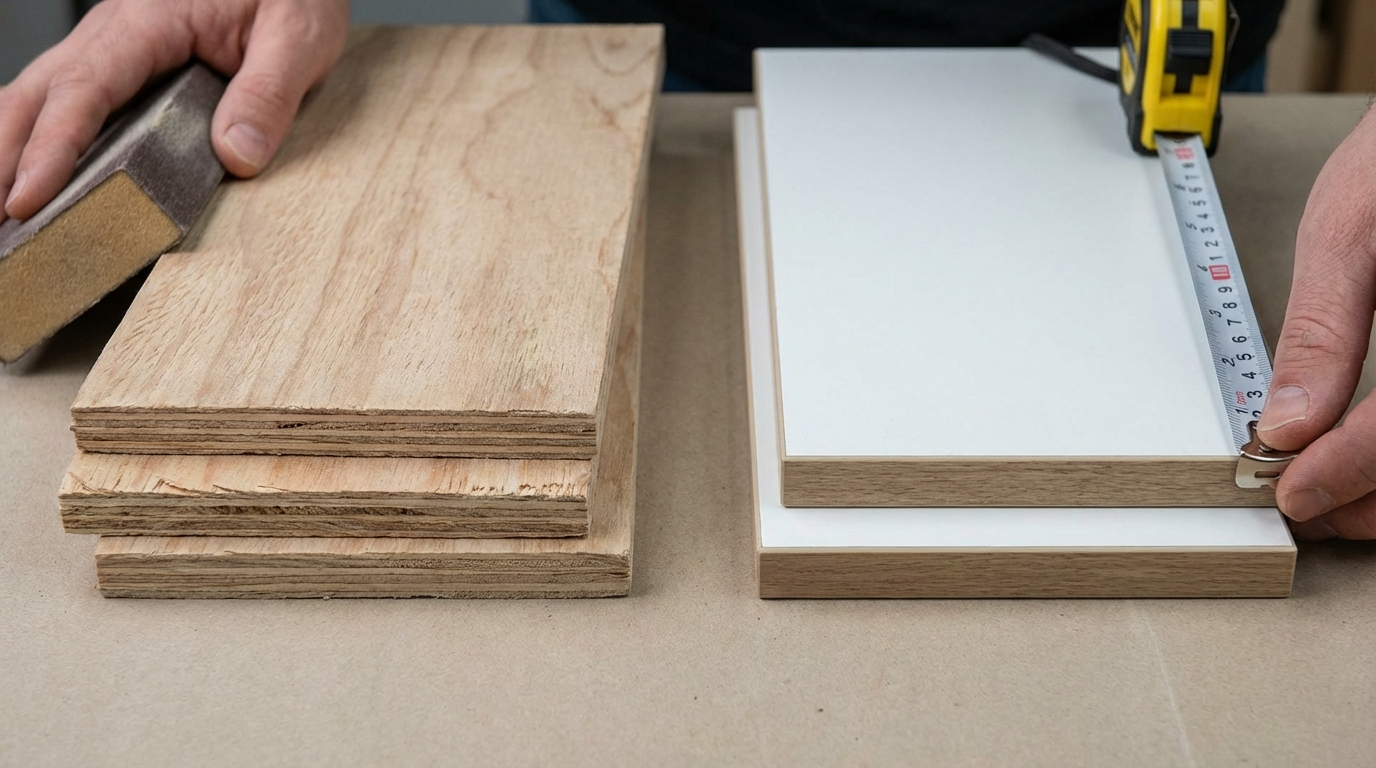
Plywood vs Pinewood: Which Is Better for Furniture Frames?
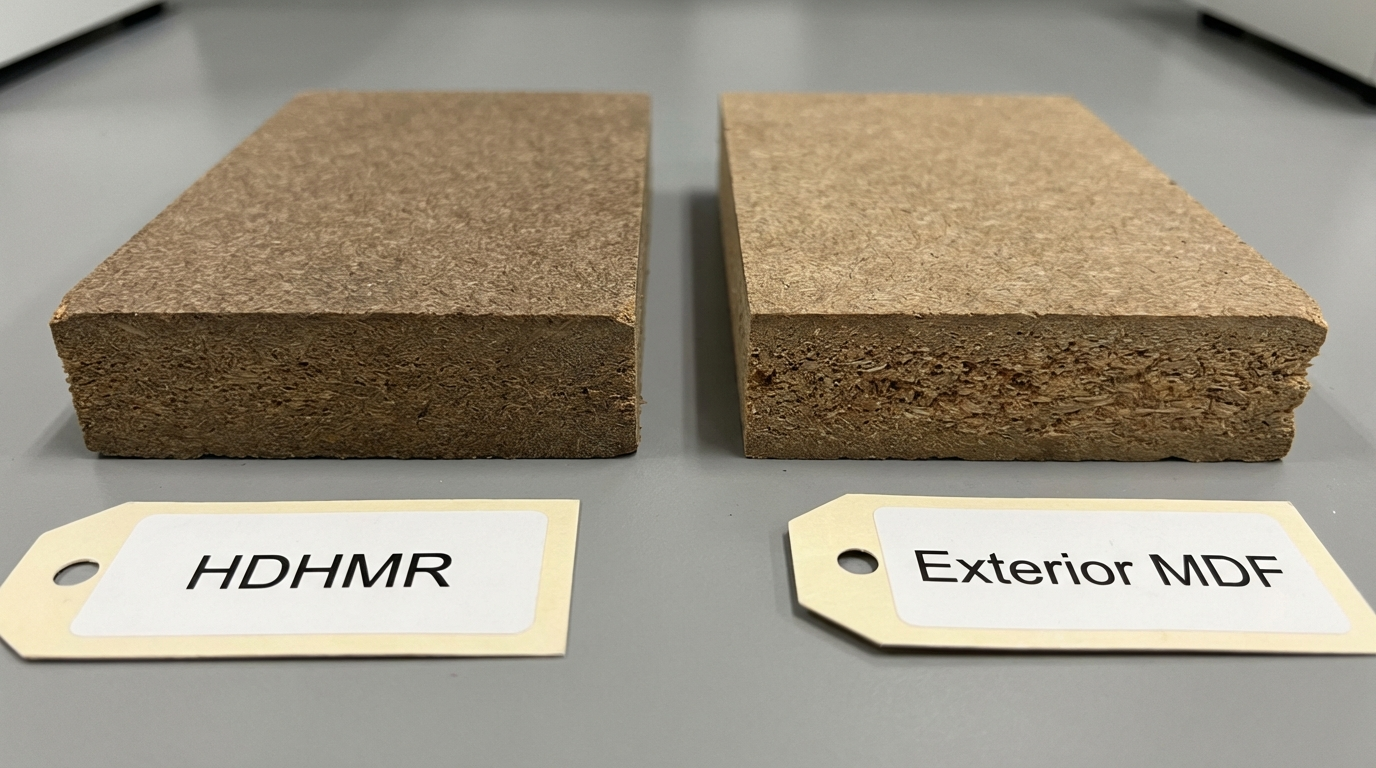
Pinewood is a solid softwood, often imported radiata pine sold as planks or battens, while plywood is an engineered sheet of veneers glued with grains running perpendicular, which keeps it stable. Compare strength, knots, warping in India's climate, termites and cost for DIY frames.
What Is the Difference Between Plywood and Pinewood?
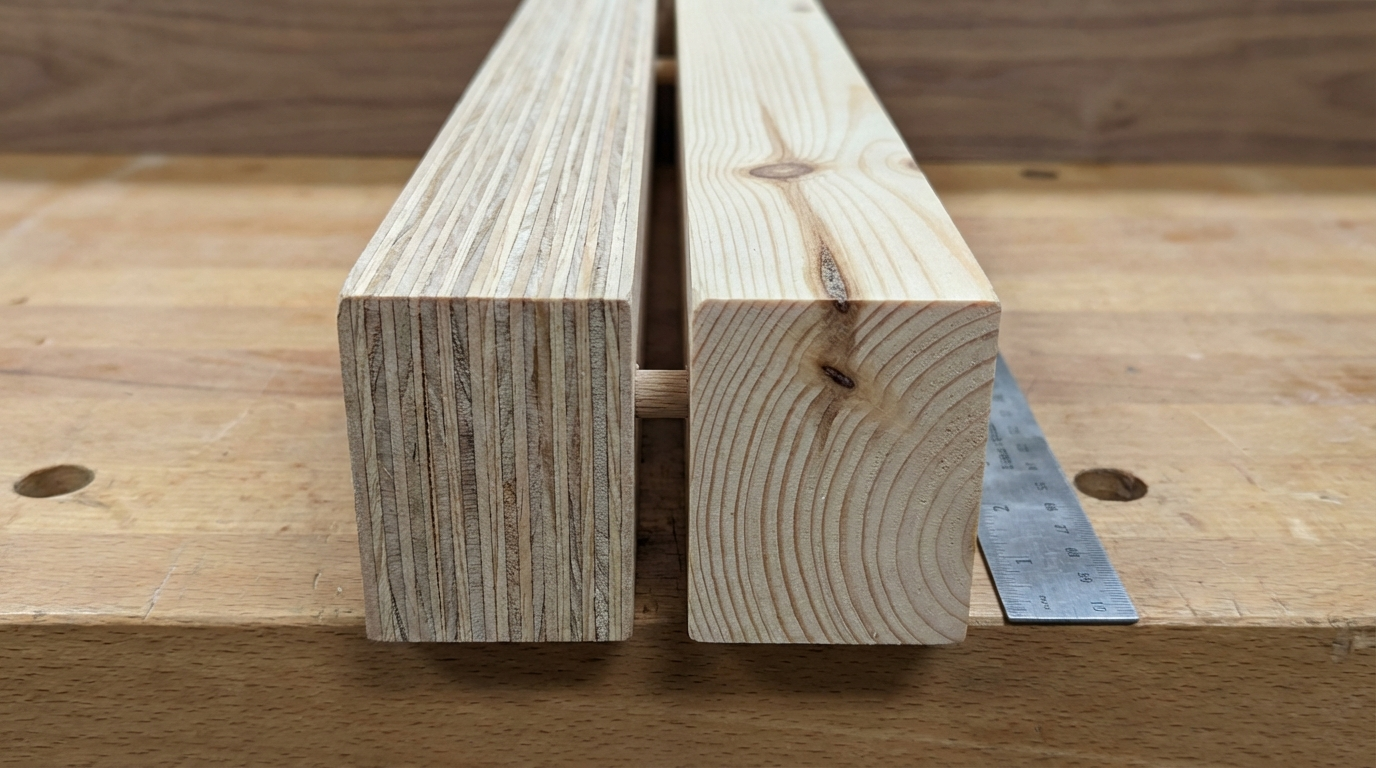
In Indian furniture making, especially for DIY enthusiasts tackling wardrobes, beds, or cabinets, the choice between plywood and pinewood boils down to balancing workability, durability, and environmental resilience. Plywood is an engineered panel made by gluing thin veneers of hardwood or softwood together with grains running perpendicular across layers, creating a stable sheet. Pinewood, a solid softwood lumber often sourced from imported pine species like Pinus radiata or local alternatives, comes as planks or battens used for framing skeletons.
For furniture framing—the internal structure supporting panels and loads—pinewood offers a traditional solid feel, while plywood provides panel-like versatility. Indian DIYers face unique challenges: monsoon humidity causing swelling, termite risks in coastal areas, and fluctuating dealer prices across regions like Mumbai's crowded markets versus Delhi's wholesale yards. This guide dissects their performance head-to-head, focusing on strength, cost, knots, warping, and DIY practicality.
Strength and Structural Integrity: Can They Hold the Weight?
Strength in furniture framing means resisting sagging under loads like stacked clothes in a wardrobe or mattress weight on a bed frame. From first principles, solid pinewood's uniform grain direction gives it high tensile strength along the length but vulnerability to splitting perpendicularly. Typical Indian pine battens (50x100mm) can span 1-1.5m between supports for light furniture, but under sustained loads, they compress over time.
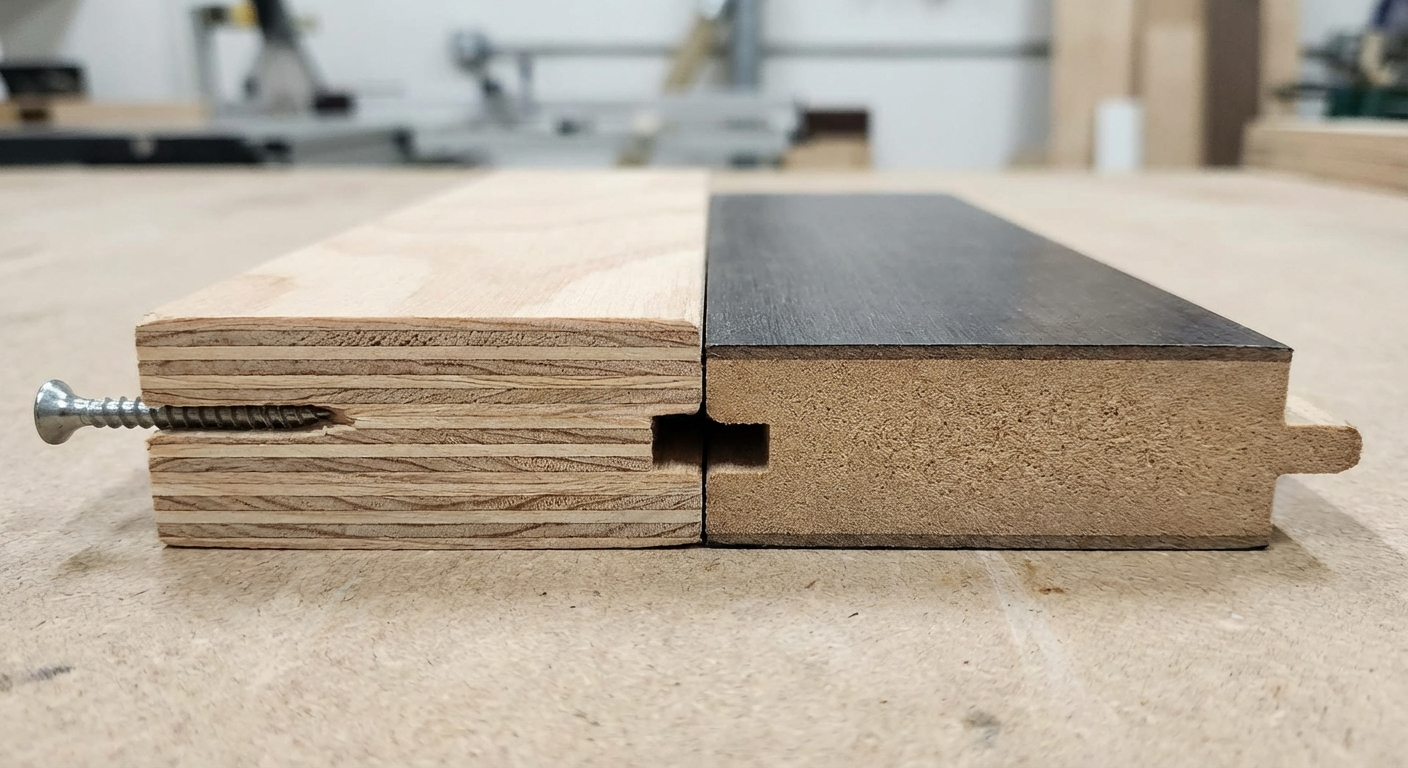
Plywood, with cross-laminated veneers, distributes stress evenly in all directions. A standard 18mm BWR (Boiling Water Resistant) plywood sheet outperforms pine in shear strength, making it ideal for flat frames or gussets. In tests aligned with ISI standards (IS 303 for plywood), plywood shows 20-30% higher modulus of elasticity than soft pine, meaning less deflection under point loads.
For Indian conditions, plywood's edge sealing prevents delamination from humidity, while untreated pine risks cracking in dry winters. Contractors in Kerala or Chennai prefer plywood frames for modular kitchens due to better screw-holding power—up to 2x that of pine without pilot holes.
Load-Bearing Scenarios for Common DIY Furniture
- Bed Frames: Pine suits simple slat supports but warps if not kiln-dried; plywood gussets add rigidity without extra bracing.
- Wardrobe Carcasses: Plywood excels for vertical partitions, handling 50-100kg shelf loads without bowing.
- Cabinets: Pine for lightweight drawer frames; plywood for base platforms resisting moisture from sinks.
Cost Breakdown: Upfront Savings vs Lifecycle Expenses
Pinewood typically edges out on initial cost due to its raw, unprocessed nature. In Indian markets, a cubic foot of pine batten might cost 30-50% less than equivalent-volume 18mm plywood, varying by region—cheaper in northern timber hubs like Yamunanagar, pricier in southern retail outlets. Dealers quote pine based on import duties and knot density, while plywood pricing factors glue grade (MR vs BWP) and core material.
However, lifecycle costs flip the equation. Pine requires more material for bracing to match plywood's stability, plus finishing to seal knots. In humid belts like Mumbai or Kolkata, pine's higher waste from warping adds 15-25% to project overruns. Plywood minimizes cuts and joints, suiting DIY budgets under ₹10,000-20,000 for a basic wardrobe frame.
Key drivers: Pine prices spike with global lumber fluctuations; plywood stabilizes via local production but rises with resin costs during monsoons. Homeowners calculate total ownership: pine cheaper for prototypes, plywood for enduring pieces.
Knot Issues: Aesthetics and Reliability Concerns
Knots are pinewood's Achilles' heel—natural imperfections where branches grew, weakening the grain and causing resin bleed. In Indian pine imports, 20-40% of boards have large knots, depending on grade (clear vs knotty). For framing, small knots are tolerable if oriented downward, but they reduce nail/screw grip by 30-50% and promote cracks under flex.
Plywood hides knots within core layers, surfacing only minor ones on faces of higher grades like BWP. Manufacturing cross-banding eliminates knot-related weaknesses, ensuring uniform density. DIYers in Pune or Bangalore report pine knots popping during assembly, necessitating fillers that crack later—plywood avoids this entirely.
Pro tip: Inspect pine for live knots (loose, resinous); plywood's face veneers are pre-sanded, ready for lamination.
Warping and Dimensional Stability in India's Climate
India's diverse climates—90% humidity in coastal monsoons to 20% in Rajasthan winters—amplify wood movement. Pinewood, with radial and tangential shrinkage rates of 5-8% and 10-15% respectively, twists or cups if moisture content swings beyond 12-14%. Unseasoned pine from dealers warps within weeks, misaligning frames.
Plywood's balanced construction limits expansion to under 2% across the panel, thanks to alternating grain directions canceling stresses. Even MR-grade holds up in moderate humidity, while BWP withstands boiling tests simulating steam exposure. In real-world Tamil Nadu projects, plywood frames retain squareness post-monsoon; pine often needs realignment.
First-principles reason: Solid wood expands isotropically per grain; engineered ply symmetrizes it.
Ease of Use for DIY Furniture Projects
DIYers prioritize tools at hand: a handsaw, drill, and clamps. Pinewood cuts cleanly along grain but splinters on crosscuts without scoring; its lightness (density 400-500kg/m³) eases handling but flexes during joins. Joining requires mortise-tenon or metal brackets for strength—time-intensive for novices.
Plywood saws straight with minimal tear-out using carbide blades, drills without walk, and butts together with screws alone. At 600-700kg/m³ density, 12-18mm sheets span frames unsupported. Indian DIY communities on forums favor plywood for flat-pack assembly, mimicking IKEA styles adapted to local wardrobes.
Tooling edge: Pine needs planer for uniformity; plywood arrives calibrated.
Side-by-Side Comparison Table for Furniture Framing
| Factor | Plywood (18mm BWR/BWP) | Pinewood (50x100mm Batten) |
|---|---|---|
| Strength (Shear/Deflection) | High; even load distribution | Good longitudinally; prone to split |
| Cost per m³ (Relative) | Higher upfront (1.3-1.5x) | Lower initial; more waste |
| Knots/Defects | Minimal surface; core stable | Frequent; weakens holds |
| Warping Risk (Humidity) | Low (<2% change) | High (5-15% shrinkage) |
| DIY Workability | Excellent; precise cuts/joins | Good for length; tricky angles |
| Termite Resistance | Better with treatments | Moderate; needs preservatives |
| Weight per m² | 25-35kg | 15-20kg (per equivalent) |
Termite and Pest Resistance: A Hidden Long-Term Factor
In termite-prone India (90% of homes at risk per surveys), pinewood's soft nature invites quicker infestation unless pressure-treated. Dealers offer H3-treated pine, but penetration varies. Plywood cores, often poplar or eucalyptus, bond with phenolic resins deterring borers; add anti-termite paints for coastal use.
Sustainability and Sourcing in India
Pine relies on imports (New Zealand/Australia), straining forex amid duties. Local plywood mills use farm plantations, aligning with FSC-like certifications. DIYers weigh carbon footprint: plywood's efficiency reduces transport needs.
When to Choose Plywood Over Pinewood for Framing
- Humid regions or load-heavy furniture (almirahs, lofts).
- Time-constrained DIY with minimal tools.
- Budget for quality grades yielding 10+ year life.
When Pinewood Makes Sense Despite Drawbacks
- Prototype builds or exposed rustic aesthetics.
- Dry interiors with custom joinery skills.
- Ultra-budget projects accepting maintenance.
Practical Buying Tips for Indian DIYers
Visit wholesalers pre-monsoon for deals; check plywood for CBWP watermark (IS 710). Test pine moisture (<12%) with meter. Hybrid approach: Pine legs, plywood carcass. Architects recommend 15-18mm ply for frames over 1m spans. Compare 3 dealers—northern pine undercuts southern by 10-20%.
Avoid roadside stalls; opt for ISI-marked from yards like Bhivandi (ply) or Kandla (timber). Factor transport: bulky pine hikes costs for urbanites.
Real-World Case Studies from Indian Projects
In a Bangalore DIY bed: Pine frame sagged post-monsoon; plywood redo lasted 3 years. Mumbai contractor: Plywood saved 20% labor on 50 wardrobes vs pine's rejects.
Final Verdict: Which Wins for Your DIY Furniture Frame?
No universal winner—plywood dominates 70% of modern Indian framing for stability and ease, suiting most DIYers. Pine fits niche traditional or budget plays but demands skill. Assess your climate, load, and patience: plywood for reliability, pine for raw simplicity.
Related guides on PlyPrice
Want Plywood Suggestions?
Share a few details and a PlyPrice specialist will suggest suitable brands and connect you to responsive dealers.