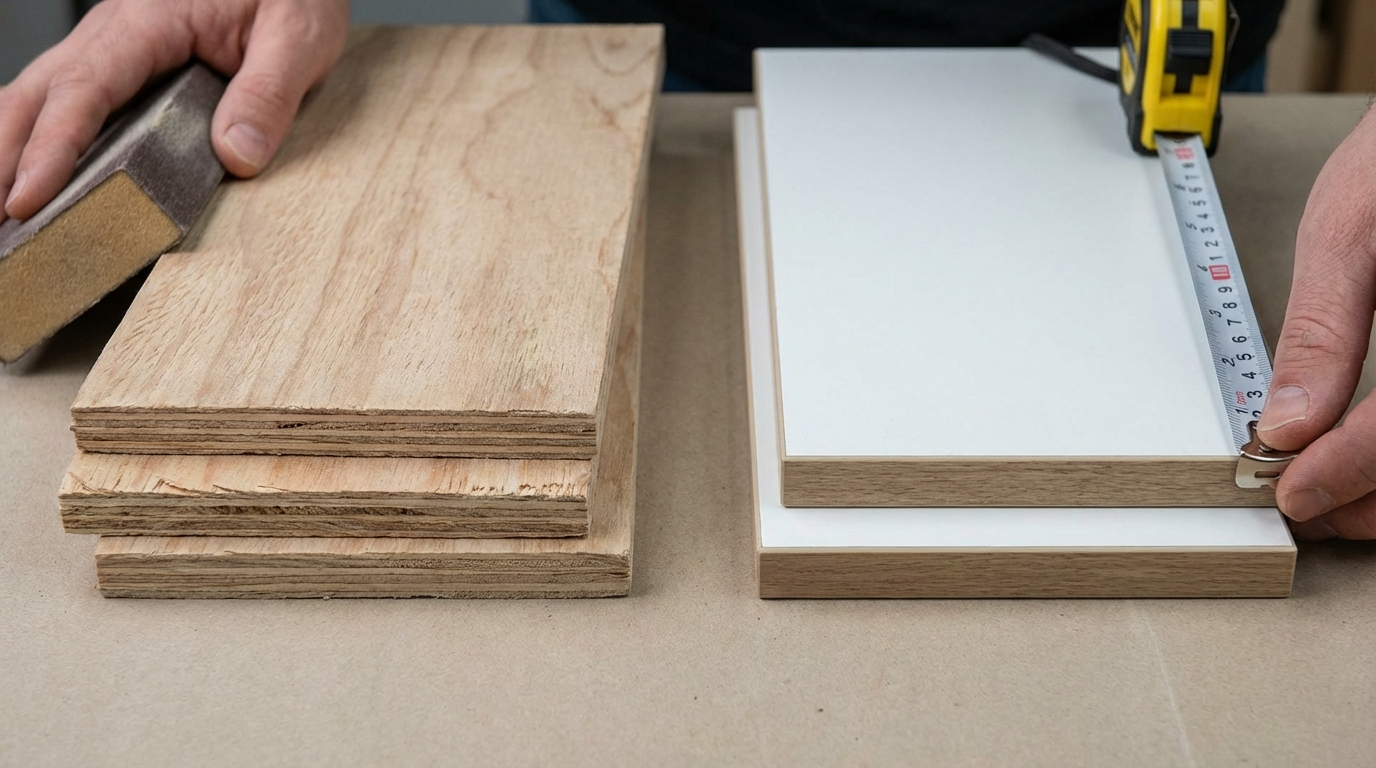
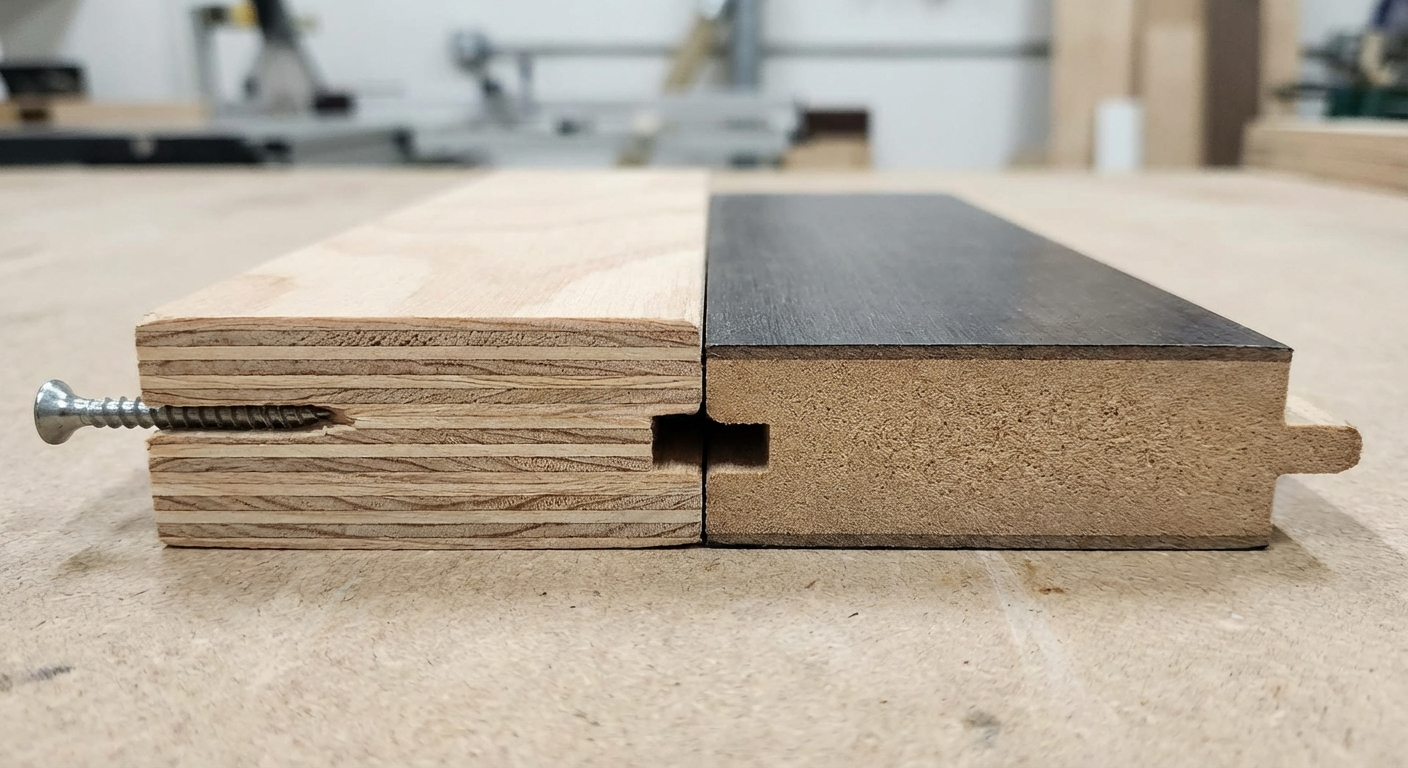
OSB vs Plywood: Strength, Cost and Durability for Indian Builds
OSB vs plywood strength depends on the job: shear resistance for wind loads, bending stiffness across spans and impact tolerance underfoot, with plywood's cross-laminated veneers giving balanced rigidity. Compare roofing, subfloor, wall, monsoon and cost performance for Indian builds.
Which Sheathing Material Delivers Superior Strength: OSB or Plywood?
In Indian construction, where structures face monsoon downpours, seismic shifts in zones like the Northeast, and heavy load demands from multi-story homes, selecting between Oriented Strand Board (OSB) and plywood hinges on real-world performance metrics. Strength isn't a single number—it's about shear resistance for wind loads, bending stiffness for spans, and impact tolerance under foot traffic or debris.
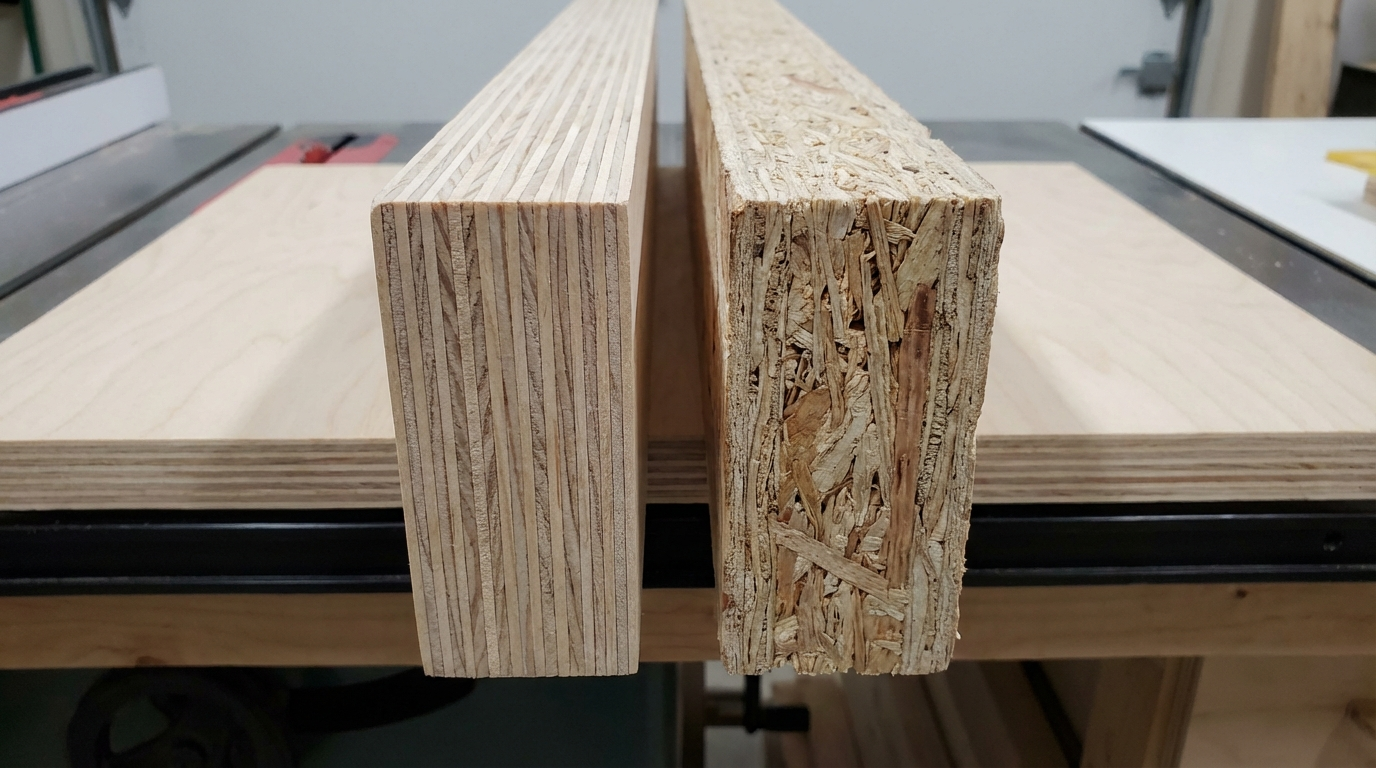
Fundamentally, plywood builds strength through cross-laminated veneers: thin wood sheets glued with grains alternating at 90 degrees, creating balanced rigidity. This mimics natural wood's layered defense against splitting. OSB, by contrast, aligns wood strands in three layers—long exterior strands for face strength, cross strands in the core for stability—pressed under high heat and resin. This yields uniform density without plywood's occasional veneer voids.
Neither dominates universally. Engineering data shows OSB edging in panel-wide shear (racking resistance vital for walls), while plywood leads in localized stiffness and nail pull-through. For Indian buyers, evaluate based on application: dry interiors favor OSB's consistency; exposed coastal or humid sites demand plywood's recovery from wetting.
Core Differences in Material Composition and Indian Availability
Plywood dominates India's market due to local poplar, eucalyptus, and hardwood mills, adhering to ISI IS:303 or IS:710 grades (MR for moisture-resistant interiors, BWR for boiling-water resistant, BWP for boiling-water proof exteriors). OSB, largely imported from Europe or Southeast Asia (e.g., pine-based panels), lacks full ISI certification yet—a draft standard exists—but carries EN 300 ratings like OSB/3 for load-bearing humid conditions.
Availability skews plywood: every dealer stocks 8x4 sheets in 6-25mm thicknesses. OSB appears in metros like Mumbai, Delhi, Chennai via specialists, often 9-18mm, pricier due to import duties. Contractors in Tier-2 cities default to plywood; architects specify OSB for modern prefab or green builds seeking FSC-certified strands over veneers.
Strength Showdown for Roofing Sheathing
Roofing sheathing bears dead loads (tiles, trusses), live loads (workers, rain), and uplift from cyclones in Gujarat or Tamil Nadu. Span ratings (e.g., 24/16 for 24-inch rafter spacing at 16-inch support) govern both, but performance diverges.
Plywood's layered structure provides 10-15% higher bending stiffness, resisting sags over longer spans common in RCC-framed homes. It holds screws/nails tighter during installation, crucial when monsoon halts roofing midway. OSB matches or exceeds in shear—key for racking under wind—but flexes more under point loads like stacked tiles, potentially telegraphing deflections to the surface.
In practice, plywood recovers better from exposure delays: it dries faster post-wetting, minimizing warp. OSB swells at edges if stored poorly, a risk in open godowns. For sloped roofs with Mangalore tiles, plywood suits; flat RCC with lightweight insulation, OSB works if sealed promptly.
| Aspect | Plywood (e.g., BWR 12mm) | OSB (e.g., OSB/3 12mm) |
|---|---|---|
| Bending Stiffness | Higher (less deflection) | Moderate (needs closer spacing) |
| Shear Strength | Good | Superior uniformity |
| Nail Holding (Wet) | Better retention | Prone to loosening |
| Monsoon Exposure Tolerance | Recovers well | Edge swelling risk |
OSB vs Plywood: Flooring and Subfloor Performance
Subfloors underpin ceramic tiles, vitrified floors, or wooden overlays in Indian homes, handling point loads from furniture legs and dynamic traffic in joint-family setups. Joist spacing (400-600mm typical) tests span capability.
Plywood excels here: its rigidity prevents squeaks and bounce, vital under thin-set tiles prone to cracking on flex. Impact tests show plywood absorbing drops (e.g., dropped tools) without denting, unlike OSB's strand separation under repeated hits. For renovations atop old beams, plywood's veneer continuity bridges minor irregularities.
OSB shines in uniformity—no weak knots—offering consistent shear for wide pours in commercial floors. However, in humid kitchens or bathrooms, OSB's slower drying post-spill leads to cupping under vinyl. Indian contractors note plywood's edge in termite-vulnerable South India, where BWP grades incorporate preservatives.
Decision logic: Homeowners prioritizing quiet, durable floors choose plywood (12-18mm); budget builders for dry bedrooms opt OSB (15mm+), ensuring tongue-groove edges for stability.
Wall Sheathing Strength: Resisting Racking and Loads
Wall sheathing stabilizes frames against lateral forces—earthquakes in Maharashtra, winds in Rajasthan. Shear value (pounds per foot) measures racking resistance; both qualify under NBC 2016 if nailed per code.
OSB's oriented strands deliver higher shear panels, ideal for single-story infills or partition bracing. Its uniformity suits factory-cut prefab walls gaining traction in Noida townships. Plywood counters with superior screw-holding for gypsum attachments and impact resistance against doors slamming or kids playing.
In cavity walls with brick nogging (common hybrid practice), plywood's breathability aids drying; OSB requires vapor barriers in AC-cooled villas. For seismic Zone V, plywood's proven track record in retrofits tips the scale.
- OSB Advantage: Cost-effective shear walls in low-rise.
- Plywood Edge: Multi-story bracing with fixtures.
Cost Breakdown: Why Prices Vary Across India
Upfront, OSB undercuts plywood by 10-30% globally, but India's import chain flips this: metro dealers quote OSB at mid-range plywood levels, varying by thickness and origin.
Drivers: Plywood leverages local mills (₹40-80/sqft for 12mm BWR, dealer vs retail markup 20-50%). OSB (₹50-100/sqft imported) spikes in non-metros due to freight. Long-term: OSB's resin efficiency cuts waste; plywood's durability slashes callbacks.
Regional logic: North India (dry) favors cheaper OSB; coastal (Kerala) plywood's moisture edge justifies premium. Contractors buy bulk plywood at mill gates (lower tiers); homeowners pay retail OSB via e-portals.
| Factor | Plywood Cost Influence | OSB Cost Influence |
|---|---|---|
| Thickness (12mm base) | Local scale keeps steady | Import minimums raise entry |
| Grade/Exposure | BWP adds 40% | OSB/3 standard |
| Volume/Location | Dealer discounts 15-25% | Metro availability premium |
| Lifecycle (10 yrs) | Lower maintenance | Replacement risk higher |
Durability in India's Challenging Conditions
Moisture Resistance and Monsoon Realities
India's 80% humidity zones test sheathing: plywood's hydrophobic glues (PF resins in BWP) limit uptake to 8-12%; OSB/3 caps at 15% but swells 20% more on saturation. Post-monsoon, plywood rebounds; OSB risks delamination if not dried fast.
Termite and Pest Resistance
Subterranean termites ravage untreated wood. Plywood requires IS:401 preservatives; OSB's synthetic resins deter boring, some brands claim superior. Yet, coastal audits show plywood's density blocking tunnels better.
Fire and Thermal Performance
Both Class B1; plywood chars slower in firewalls. OSB's uniformity aids insulation layering.
Pros and Cons: Side-by-Side Decision Matrix
| Criteria | Plywood Pros | Plywood Cons | OSB Pros | OSB Cons |
|---|---|---|---|---|
| Strength Uniformity | High stiffness | Veneer variability | Consistent density | Less rigid |
| Moisture Handling | Fast recovery | Costlier grades | Tolerant if sealed | Swells persistently |
| Availability India | Everywhere, graded | Thicker sheets bulky | Modern specs | Import delays |
| Installation | Excellent fastener hold | Gridless marking | Pre-printed grids | Heavier lift |
Buyer Decision Framework for Homeowners, Contractors, and Designers
Homeowners: Prioritize plywood for exposed roofs/floors—longevity over initial savings. Inspect for ISI mark, boil test MR grades.
Contractors: OSB for speed in dry-wall sheathing; hybrid: plywood edges, OSB core. Bulk-test moisture content <12%.
Architects: Spec OSB/3 for sustainable strand sourcing; plywood for heritage blends.
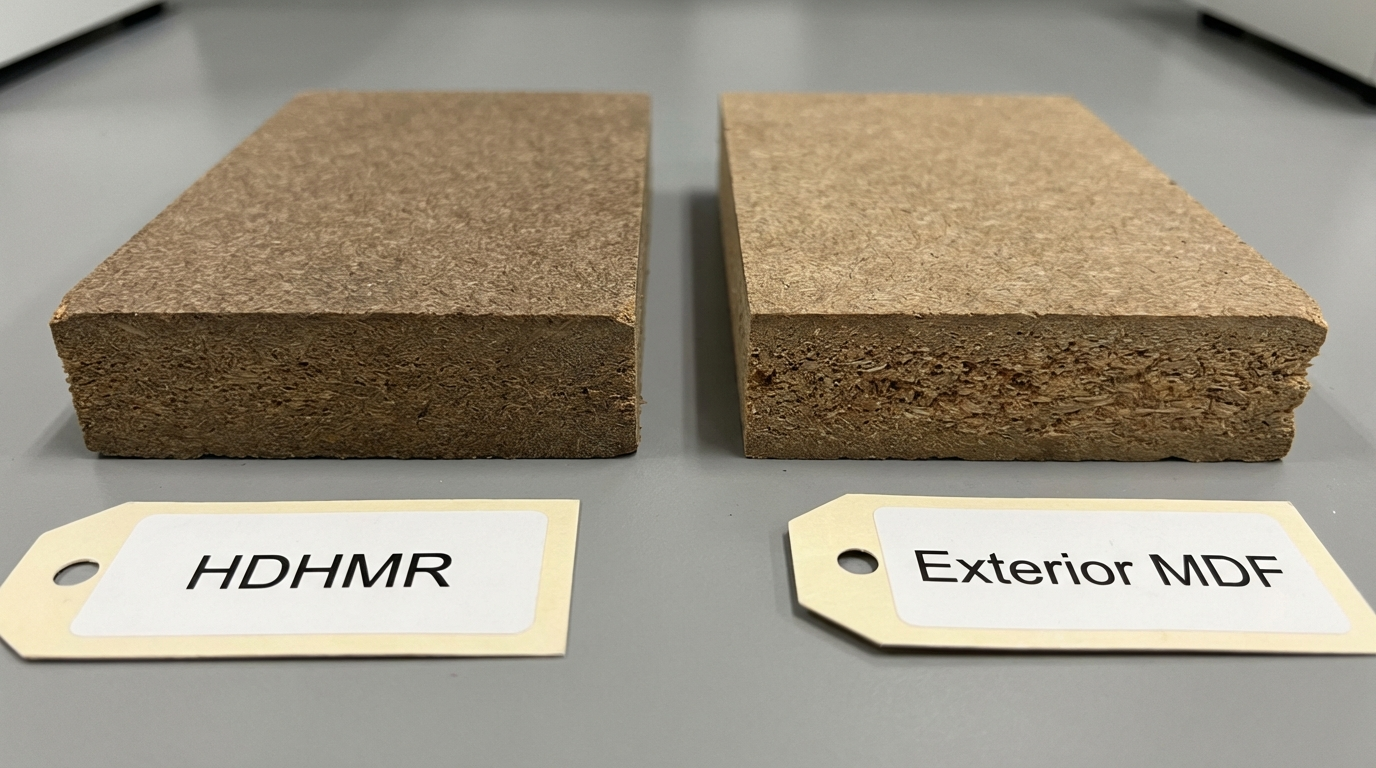
Verify: Load-span charts, site storage under tarps. Alternatives like HDHMR emerge for interiors, but sheathing sticks to these duo.
Ultimately, no outright winner—match to site's humidity, budget, and spans for optimal builds.
Related guides on PlyPrice
Want Plywood Suggestions?
Share a few details and a PlyPrice specialist will suggest suitable brands and connect you to responsive dealers.