Plywood vs MDF Market Trends in India: How Buyer Preferences Are Shifting
Plywood still leads in Indian furniture and interiors because its layered veneers cope with variable, humid climates, but MDF is gaining ground through uniformity and easy machining. Preferences differ by region, buyer segment and budget.
The Battle of the Boards: Plywood vs MDF in India's Evolving Market
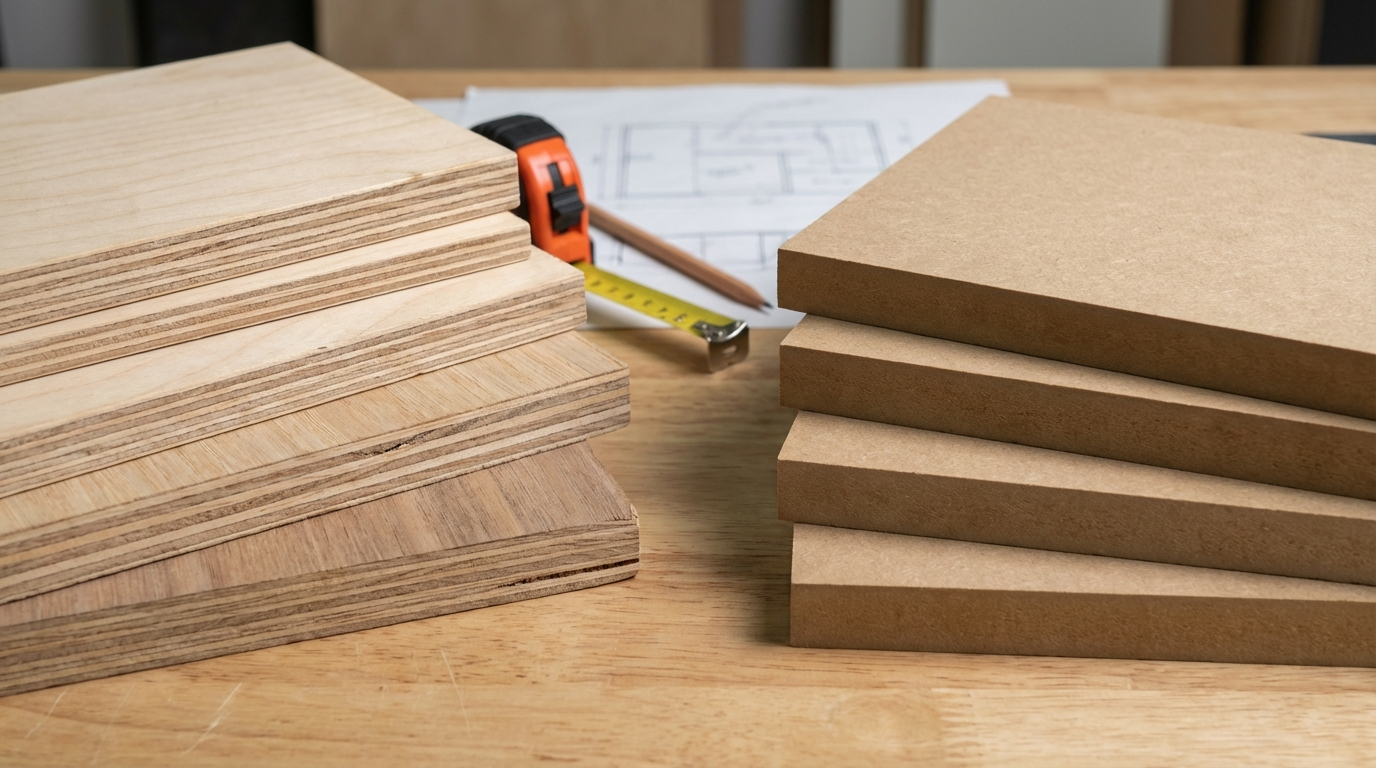
In India's construction and furniture sectors, plywood and medium-density fiberboard (MDF) represent two foundational materials locked in a contest for dominance. Plywood, with its layered veneer construction, has long held sway due to inherent structural integrity suited to the country's variable climates. MDF, engineered from compressed wood fibers, challenges this through uniformity and machinability. This analysis dissects preference shifts among Indian buyers—homeowners balancing budgets against longevity, contractors prioritizing installation speed, and designers chasing aesthetic versatility—in furniture and interior applications. Drawing from first-principles of material science and market dynamics, we examine why MDF is encroaching on plywood's territory without overtaking it entirely.
Decoding Material Fundamentals Driving Usage Patterns
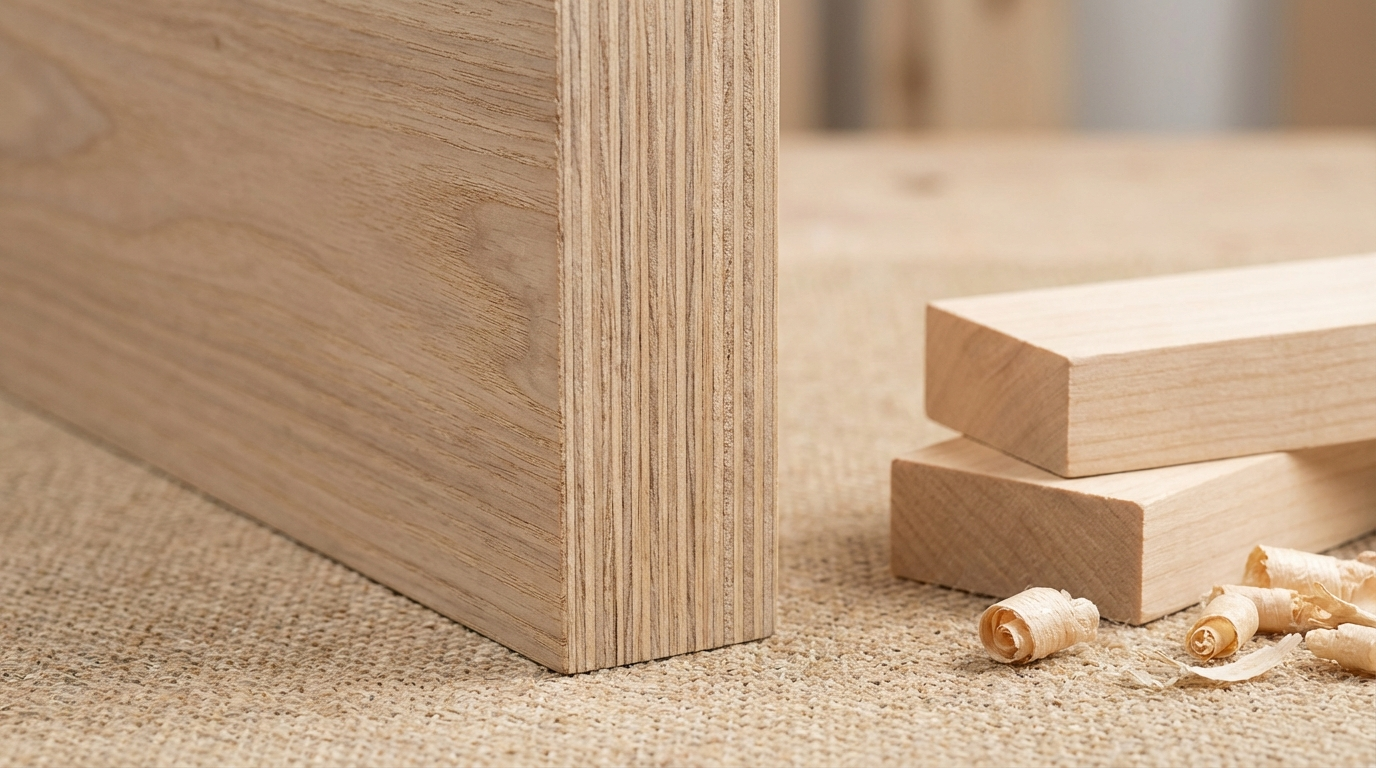
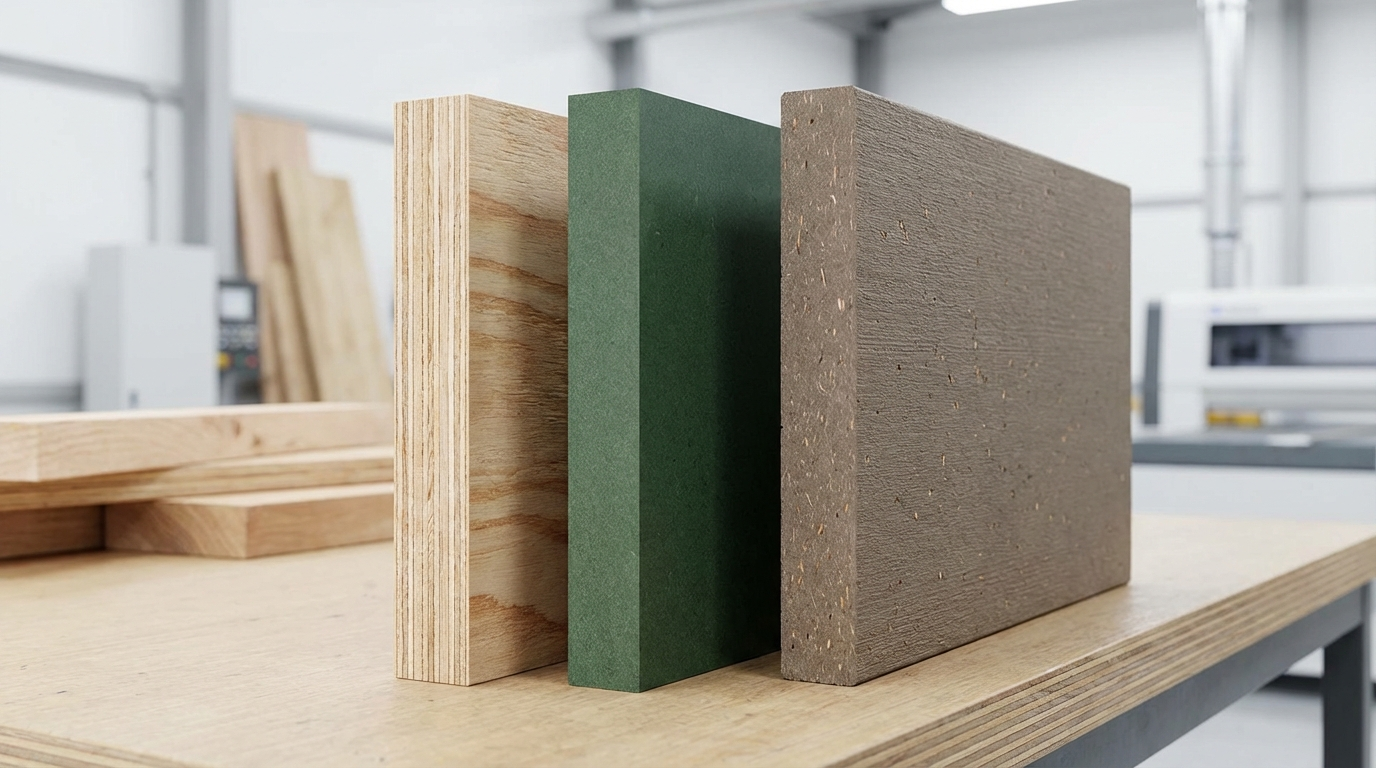
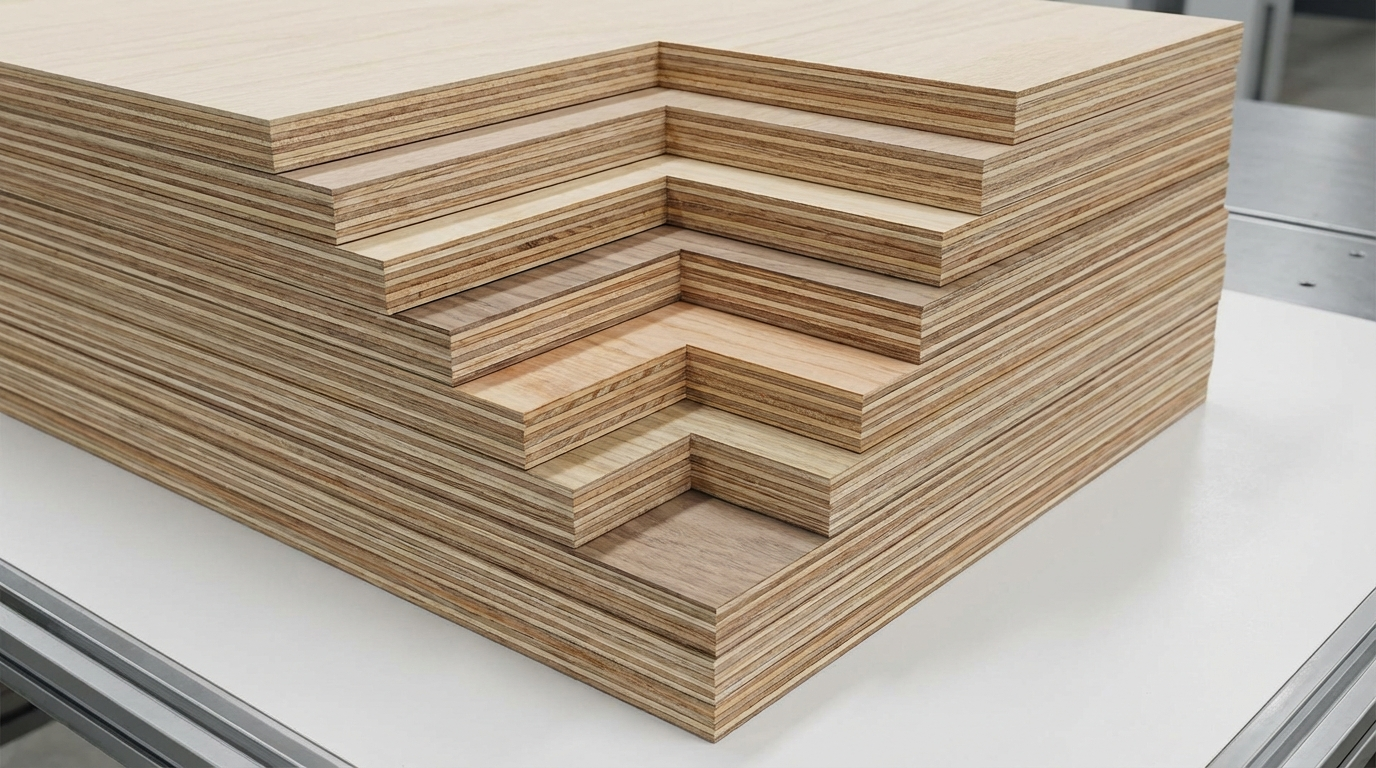
Plywood's cross-laminated veneers distribute loads multidirectionally, resisting warping under India's monsoon humidity or termite pressures common in coastal and tropical regions. This makes it a default for structural elements like wardrobes or kitchen cabinets where shear strength matters. MDF, by contrast, forms a homogeneous matrix from wood fibers bonded under heat and resin, yielding a flaw-free surface ideal for intricate carvings or laminate overlays but vulnerable to edge swelling if moisture penetrates unsealed areas.
These properties underpin buyer logic: A Mumbai contractor might specify BWR-grade plywood for a high-rise project's moisture-prone balconies, while a Delhi interior firm opts for pre-laminated MDF boards in dry-climate office partitions to cut finishing time by 30-40%.
Current Market Snapshot: Plywood's Grip Amid MDF's Advance
Within India's wood-based panels sector, plywood commands the lion's share, often exceeding 80% of volume in recent assessments. This stems from entrenched supply chains, dealer familiarity, and perceptions of reliability for load-bearing uses. MDF, alongside particleboard variants like HDHMR, trails but shows momentum, particularly in non-structural segments.
Growth trajectories reveal the tension: Plywood markets have posted steady expansions around 6-8% annually in recent fiscal years, fueled by residential booms in Tier-2 cities like Pune and Lucknow. MDF follows a comparable pace, sometimes edging higher at 7-8% CAGR projections through the late 2020s, as urban modular furniture demand accelerates. Globally, MDF outpaces plywood in consumption ratios (often 70:30 in furniture), but India's skew remains plywood-heavy at roughly 80:20, signaling untapped shift potential.
| Metric | Plywood | MDF |
|---|---|---|
| Dominant Share in Wood Panels | ~80-83% | ~10-15% (growing) |
| Recent Annual Growth | 6-8% | 7-8% |
| Key Volume Driver | Construction & structural furniture | Modular & decorative interiors |
| Cost Positioning | Higher (due to veneer sourcing) | 30-50% lower baseline |
This table highlights plywood's volume lead but MDF's cost-driven inroads. Note: Shares vary by region; southern markets favor plywood for marine-grade needs, while northern hubs see MDF uptake in budget housing.
Consumer Preference Shifts: From Tradition to Practicality
Indian buyers' choices hinge on real-world trade-offs rather than abstract specs. Homeowners in humid Kolkata often stick with plywood for its delamination resistance, viewing MDF as a "short-term save" prone to sagging under heavy utensil loads. Contractors, however, lean toward MDF in fast-track apartment fits-outs, as its uniformity speeds CNC routing and reduces waste by 20%.
Survey-like insights from industry reports point to a gradual pivot: MDF preference rises in urban furniture segments, where cost sensitivity meets the modular kitchen surge. Architects report 40-50% of new projects blending both—plywood carcasses with MDF shutters—for optimized economics. Yet, plywood retains loyalty where callbacks for repairs signal poor decisions; a warped MDF shelf after one monsoon can sway families back.
Regional and Buyer Segment Variations
- Homeowners (Tier-1/2 cities): Prioritize durability; plywood wins 60-70% of wardrobe/kitchen votes despite higher upfront costs.
- Contractors (Mass housing): MDF edges in for speed; 50%+ adoption in non-wet areas like bedrooms.
- Designers/Institutions: MDF for aesthetics; smooth milling enables veneers mimicking solid wood at fraction of cost.
- Southern vs Northern India: South holds plywood at 85%+ due to plywood mills proximity; North sees MDF at 25%+ from organized retail influx.
Sector-Wise Trends: Furniture and Interiors Under the Microscope
Furniture applications amplify the battle. Traditional wardrobes and beds favor plywood's screw-holding strength, preventing hinge failures over 10-15 years. Modular furniture, however—think IKEA-inspired ready-assembles—boosts MDF, as its paintability and light weight suit flat-pack logistics amid e-commerce growth.
In interiors, the divide sharpens: Kitchen carousels demand plywood's water resistance (BWP grades for coastal homes), while false ceilings and paneling embrace MDF's seamless joints. The rise of HDHMR (high-density HDFMR variants) blurs lines, offering MDF-like finish with improved moisture tolerance, capturing 10-15% hybrid preference in humid belts.
| Application | Plywood Preference (% Est.) | MDF Preference (% Est.) | Key Reason for Leader |
|---|---|---|---|
| Modular Kitchens | 65% | 35% | Plywood: Humidity resistance |
| Wardrobes | 70% | 30% | Plywood: Load-bearing |
| Office Furniture | 40% | 60% | MDF: Cost & finish |
| Wall Panels/Ceilings | 30% | 70% | MDF: Seamless aesthetics |
These estimates reflect buyer feedback patterns; actuals fluctuate with local dealer stocks and project scales.
Core Drivers Fueling Preference Evolution
Cost remains MDF's spearhead: Baseline pricing runs 30-50% below plywood equivalents, amplified by raw material swings—softwood shortages inflate plywood, while MDF leverages agro-waste. Machinability follows: MDF's density enables precision cuts without splintering, slashing labor in designer-heavy markets like Bangalore.
Counterforces preserve plywood: Climate realities—90%+ humidity in Kerala monsoons—expose untreated MDF's water absorption (up to 10% swell), versus plywood's boiling-water resistance in premium grades. Termite prevalence in rural extensions further tilts toward phenolic-treated plywood. Sustainability angles emerge too: Poplar-based plywood faces deforestation scrutiny, nudging eco-aware buyers toward recycled-fiber MDF.
Supply ecosystem matters: Plywood's fragmented dealer networks ensure availability, but MDF benefits from branded players expanding capacity, stabilizing quality perceptions.
Challenges Tempering MDF's Momentum
Despite gains, MDF falters in heavy-use scenarios. Edge banding failures under repeated impacts, coupled with lower screw retention (pull-out strength ~50% of plywood), deter contractors from full swaps. Repair logic favors plywood—localized veneer fixes versus MDF's total replacement.
Where Is the Plywood vs MDF Market Heading?
Projections signal MDF nibbling 5-10% more share by late-decade, propelled by modular housing (e.g., PMAY schemes) and furniture exports targeting cost-competitive designs. Plywood counters via innovations like HDHMR overlays and e0-grade low-emission variants, retaining premium niches.
Scenario-based outlook:
- Base Case: Plywood at 75-80% panels share; MDF climbs to 20% via furniture (CAGR parity).
- Bull for MDF: Urbanization accelerates modulars; share hits 25% if resin costs drop.
- Bull for Plywood: Infrastructure booms demand structural boards; holds 85% amid raw material stabilization.
Buyers should monitor: Regional pricing deltas (North 10-15% MDF premium erosion) and norm evolutions like ISI moisture benchmarks.
Decision Framework for Indian Buyers
To navigate shifts, evaluate via triad: Environment (humidity dictates plywood), Load (heavy = plywood), Budget/Timeline (tight = MDF). Test samples: Drill plywood for grip; soak MDF edges for swell. Consult local dealers on grade transitions—MR plywood to basic MDF, BWP to moisture MDF.
Hybrid strategies prevail: Plywood frames with MDF faces optimize 70% of projects. Track dealer margins (10-20% variance regionally) and bulk discounts, as volume sways final choice.
In this board battle, no outright victor—preferences evolve with informed trade-offs, ensuring plywood's resilience meets MDF's affordability in India's diverse market.
Related guides on PlyPrice
Want Plywood Suggestions?
Share a few details and a PlyPrice specialist will suggest suitable brands and connect you to responsive dealers.