Gypsum Board vs Plywood for Wall Partitions: Sound, Fire and Cost
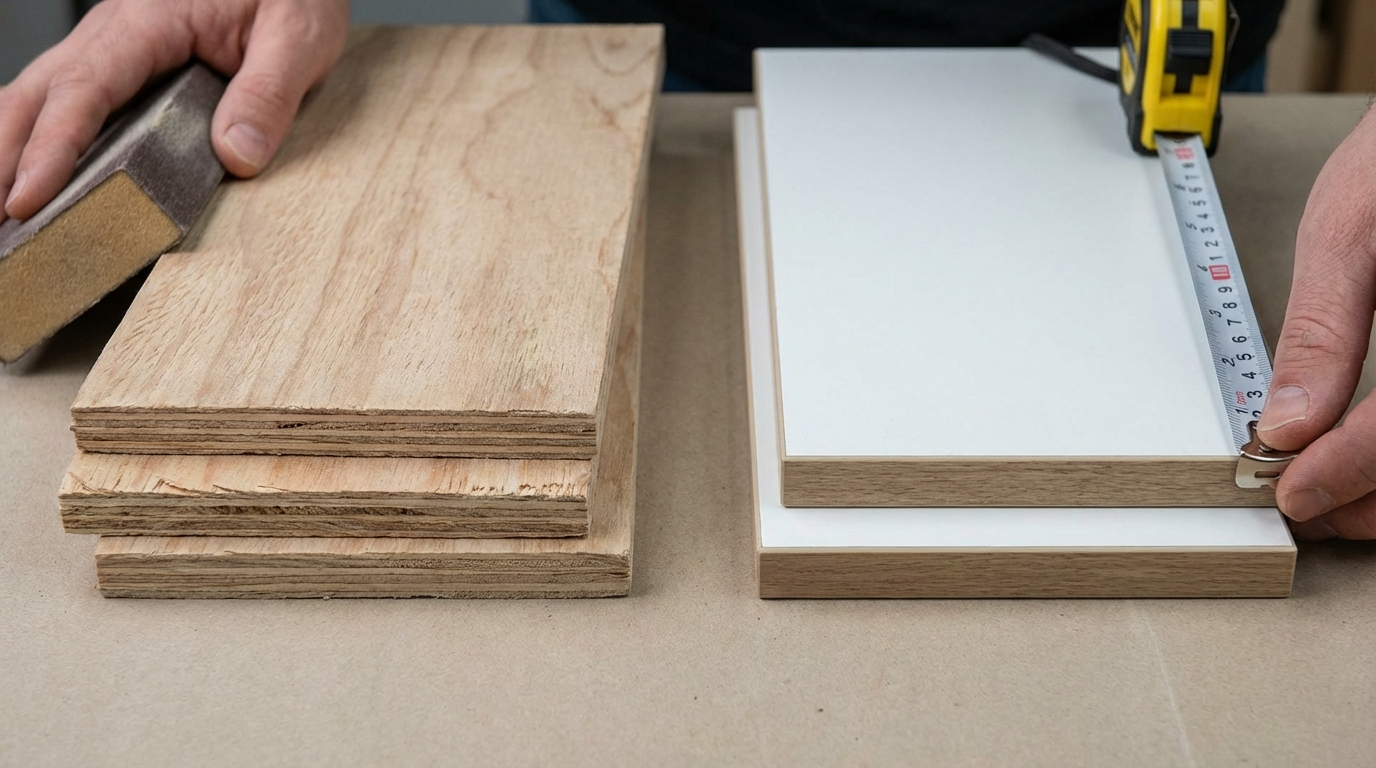
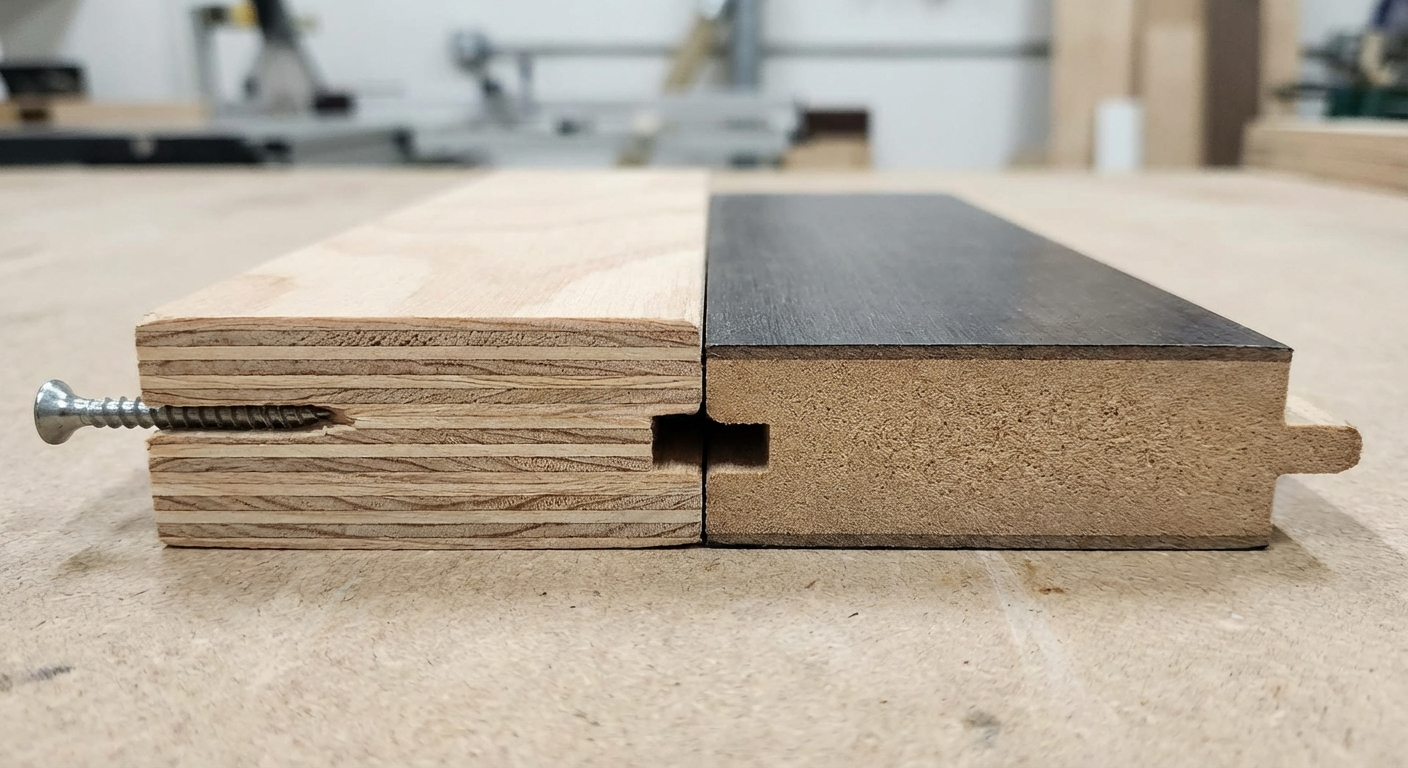
Gypsum board installs faster and resists fire better, so it suits office and false-wall partitions, while plywood carries shelves, TVs and fixtures and copes with damp better when you choose BWR or BWP grade. Compare soundproofing, cost and upkeep before you decide.
Why Choose Between Plywood and Gypsum Board for Wall Partitions?
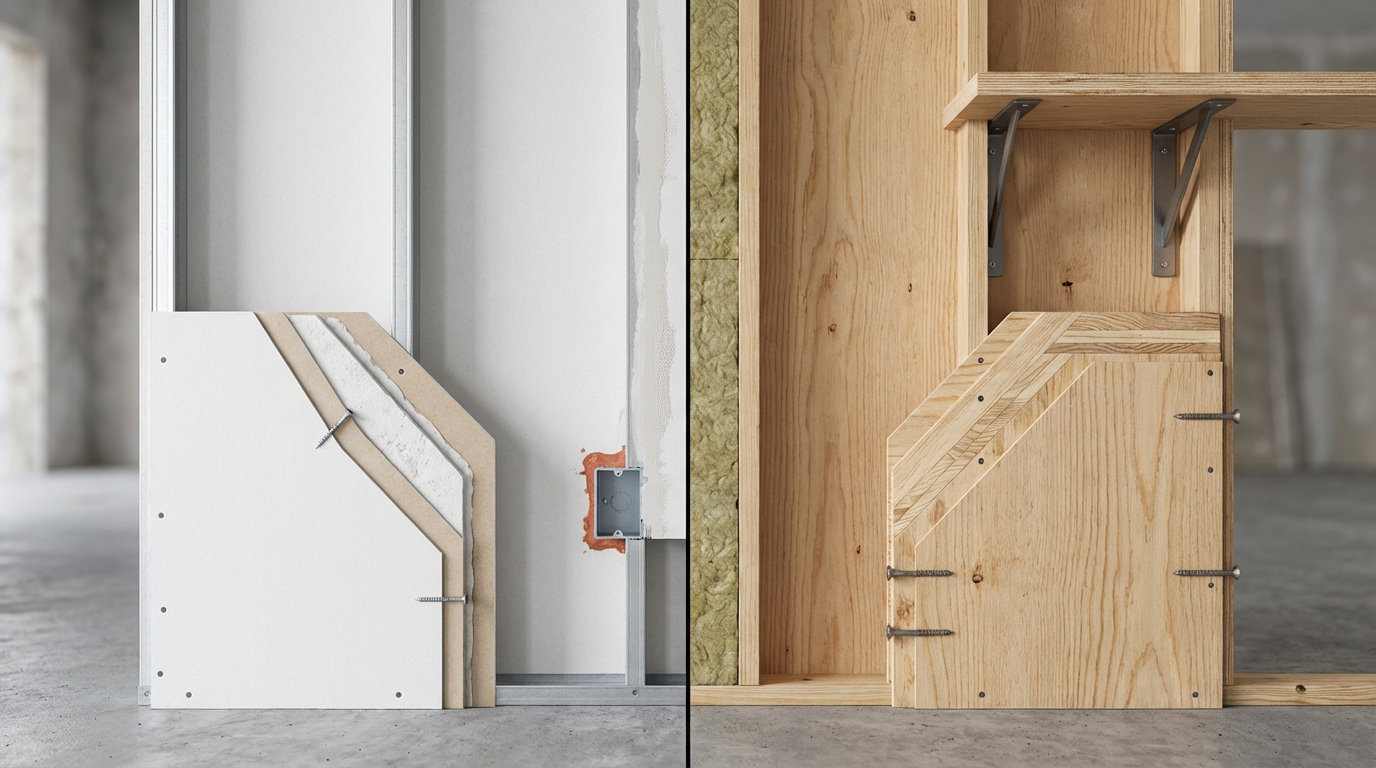
In Indian construction, wall partitions serve as practical dividers in homes, offices, and commercial spaces, balancing space utilization with functionality. Homeowners in humid regions like Mumbai or Chennai often prioritize moisture handling, while contractors in Delhi focus on quick erection amid tight deadlines. Architects weigh structural demands against aesthetic finishes. Plywood, an engineered wood panel, offers robustness from layered veneers glued under pressure, whereas gypsum board—plaster sandwiched between paper liners—relies on lightweight flexibility.
This guide dissects their performance for partitions, drawing from real-world Indian scenarios: monsoons testing water resistance, labor skills varying by region, and dealer networks influencing material choice. Decisions hinge on site conditions—coastal humidity favors certain grades, while fire-prone urban high-rises demand compliance with NBC norms.
Soundproofing Performance: Blocking Noise in Busy Indian Environments
Urban India pulses with traffic horns, neighbor chatter, and construction din. Effective partitions isolate these sounds, measured in decibel reduction (STC ratings). Plywood's dense wood composition naturally dampens vibrations better than gypsum's porous core.
Plywood Soundproofing Mechanics
Plywood partitions, typically 12-18mm thick, achieve STC 35-45 with single layers. Adding mass—like cavity insulation or double sheathing—pushes this to 50+. In apartments above Mumbai local trains, contractors layer MR-grade plywood with acoustic foam, curbing transmission by 40-50% over bare walls. First-principles: Wood's fibrous structure absorbs mid-range frequencies (voices, TV), unlike rigid materials that resonate.
Gypsum Board Soundproofing Realities
Standard 12.5mm gypsum boards yield STC 25-35 standalone. Enhanced with resilient channels or double layers plus insulation, they reach 45-55. In office partitions along Bangalore IT corridors, gypsum excels in multi-layer setups but falters in single-skin applications common for budget home renos. Limitation: Paper facing tears easily, reducing long-term seal integrity in dusty interiors.
Buyer Scenario: For a 2BHK flat partition, plywood suits noise-heavy sites without extras; gypsum needs add-ons, inflating labor by 20-30%.
Installation Speed: Meeting Tight Deadlines in India's Project Ecosystem
Indian projects run on razor-thin margins—homeowners demand occupancy within weeks, contractors juggle multiple sites. Speed ties to cutting ease, fixing methods, and skill dependency.
Plywood Installation Dynamics
Pre-cut plywood sheets (typically 8x4 ft) screw directly to metal/wood frames in 1-2 days for a 100 sq ft partition. Tools: Drill, screws, minimal finishing. In Kerala villas, carpenters frame and clad in one go, leveraging local wood skills. Drawback: Heavier sheets (40-60kg) slow solo handling, but dealer pre-cutting mitigates this.
Gypsum Board Speed Advantages and Caveats
Gypsum shines here—lightweight 20-30kg sheets joint with tape/mud in hours, full partition ready in half a day per 100 sq ft. Pune interior firms praise screw-gun efficiency for grid systems. However, monsoon delays mud drying, and unskilled labor risks cracks. Total time: 30-50% faster than plywood but demands jointing expertise absent in rural builds.
| Factor | Plywood | Gypsum Board |
|---|---|---|
| Time per 100 sq ft | 1-2 days | 0.5-1 day |
| Labor Skill Needed | Medium (carpentry) | Low-Medium (jointing) |
| Monsoon Impact | Minimal (if BWR grade) | High (mud curing) |
Load-Bearing Capacity: Supporting Shelves and Fixtures in Practical Use
Partitions aren't just dividers—Indian homes hang cabinets, TVs, and AC units on them. Load capacity determines screw-holding power and deflection under weight.
Plywood's Structural Strength
ISI IS:303-grade plywood (6-25mm) bears 50-150kg per sq m point load, ideal for modular kitchens. In Gujarat factories, 18mm BWR plywood frames hold heavy partitions with wall-mounted storage. Mechanics: Cross-grain lamination resists shear; screws embed deeply without pull-out. For a 10 sq ft shelf area, it supports 100kg+ indefinitely.
Gypsum Board's Load Limitations
Single-layer gypsum handles 10-20kg point loads; reinforced with timber noggins or double boards, up to 50kg. Hyderabad apartments use plywood backing for gypsum fronts to mount wardrobes. Core fragility means anchors fail over time, especially post-humidity cycles. Not for heavy fixtures without hybrids.
Decision Logic: Contractors calculate: Plywood for standalone strength (saves 15-20% on reinforcements); gypsum for light-duty, veneer-over aesthetics.
Fire Resistance: Critical for Urban Safety Compliance
India's National Building Code mandates fire ratings for partitions (e.g., 1-2 hour resistance). Dense urban fires, like those in high-rises, amplify this need.
Plywood Fire Behavior
Untreated softwood plywood chars slowly, offering 20-45 minutes resistance at 18mm. Fire-retardant grades (FR plywood per IS:5509) extend to 60+ minutes, self-extinguishing. In Chennai commercial spaces, BWP-FR plywood meets NBC for habitable areas. Trade-off: Higher cost, but no toxic smoke like some boards.
Gypsum's Inherent Fire Edge
Gypsum's hydrated core releases water vapor, achieving 60-120 minutes at 15mm thickness (Type X boards). Mumbai hotels standardize it for corridors. Superior in pure fire spread, but paper ignition and collapse under prolonged heat limit standalone use. Indian dealers stock both, advising combos for optimal ratings.
| Aspect | Plywood (Standard/FR) | Gypsum (Regular/Type X) |
|---|---|---|
| Fire Rating (15-18mm) | 20-60 min | 45-120 min |
| Smoke Production | Low-Moderate | Moderate-High |
| Cost Premium for FR | 20-40% higher | 10-20% higher |
Moisture Resistance: Navigating India's Climate Challenges
Beyond the core four, humidity dictates longevity—monsoons swell materials, coastal salt accelerates decay.
Plywood Grades for Wet Conditions
MR (moisture resistant) suits interiors; BWR/BWP for semi-exposed. In Kolkata, BWP plywood partitions endure 24-hour submersion without delam. Urea-formaldehyde bonds fail in MR under cycles, but PF resins in BWP hold.
Gypsum's Vulnerability
Mould-resistant gypsum resists surface damp but crumbles internally post-saturation. Not for bathrooms without tiles/waterproofing. Hybrid: Plywood frame + gypsum skin common in humid Goa projects.
Cost Analysis: Balancing Upfront and Lifecycle Expenses
Pricing varies by region—North India cheaper due to mills, South pricier on transport. Dealers quote per sheet: Plywood 20-50% higher upfront than gypsum, but lasts 15-25 years vs. gypsum's 10-15.
| Cost Driver | Plywood Range | Gypsum Range | Why It Varies |
|---|---|---|---|
| Material per sq m | Higher | Lower | Grade, thickness; BWP vs regular |
| Installation | Medium | Lower | Labor rates (₹200-400/sq m) |
| Lifecycle (10 yrs) | Lower total | Higher (repairs) | Durability in humidity |
Homeowners amortize: Plywood pays off in maintenance savings for permanent partitions.
Aesthetics and Finishing Options
Plywood accepts laminates, veneers directly—ideal for exposed rustic looks in Bangalore cafes. Gypsum demands plaster/PU paint, enabling seamless curves but prone to cracks in seismic zones like Gujarat.
Durability and Maintenance in Indian Contexts
Plywood shrugs off termites with treatments, needs occasional sealing. Gypsum repairs easily but recoats frequently in polluted Delhi air. Longevity: Plywood 2x in high-traffic.
Decision Framework: Which Material Fits Your Project?
Assess priorities:
- Speed + Light Duty: Gypsum (offices, temp partitions).
- Strength + Humidity: Plywood (homes, coastal).
- Fire-Critical: Gypsum or FR plywood hybrids.
- Budget Hybrid: Plywood frame + gypsum face.
Consult local architects—test samples for your site's load/sound needs. Dealers in Tier-2 cities stock both; verify ISI marks.
Common Myths and Practical Tips
- Myth: Gypsum always cheaper long-term. Reality: Humidity repairs negate savings.
- Myth: Plywood warps easily. Reality: BWR/BWP doesn't in controlled installs.
- Tip: For 50% noise cut, add Rockwool insulation regardless.
Plywood or Gypsum Board: Which Partition Should You Choose?
No one-size-fits-all—match to use case. Homeowners: Plywood for kitchens/bedrooms. Contractors: Gypsum for fast flips. Always factor local climate, labor, and NBC. Source from certified mills for traceability.
Related guides on PlyPrice
Want Plywood Suggestions?
Share a few details and a PlyPrice specialist will suggest suitable brands and connect you to responsive dealers.