Plywood vs PVC Foam Board: Weight, Water Resistance and Strength
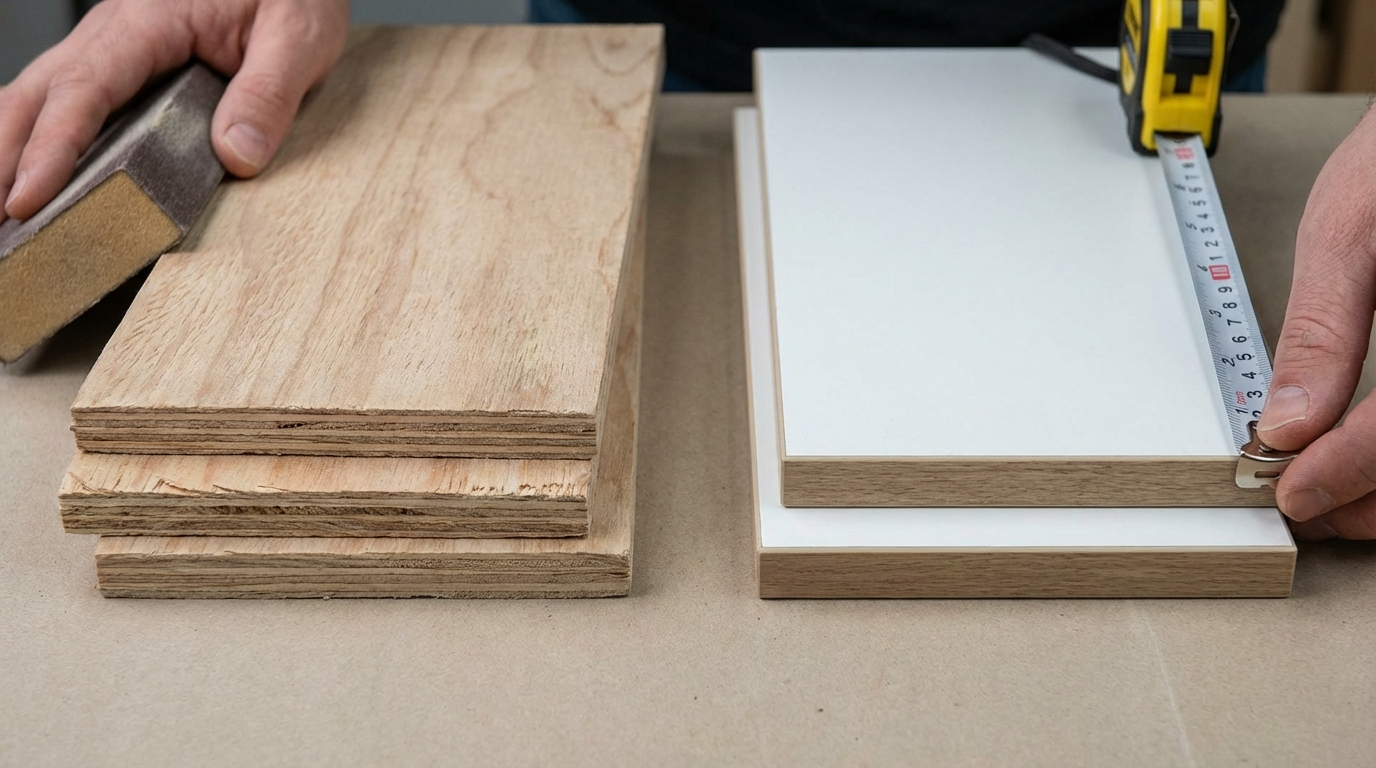
PVC foam board is lighter and non-porous, so it handles water better, while plywood's cross-grained veneers suit load-bearing furniture. Foam board usually fits signage and prototypes; plywood fits builds that must carry weight.
Last updated: . Grades and standards checked against current BIS standards.
Material Composition and Fundamental Properties
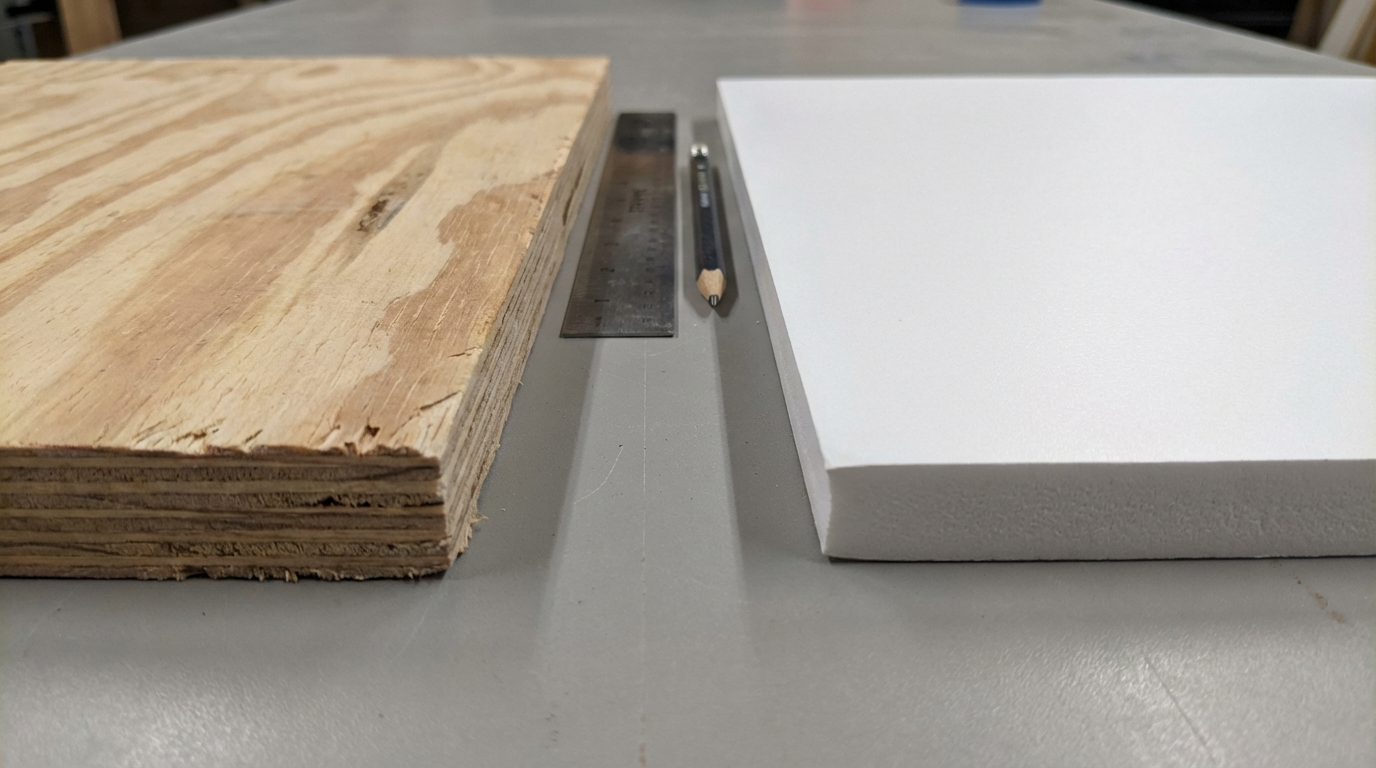
PVC foam board, often simply called foam board in Indian markets, starts as polyvinyl chloride resin extruded with a foaming agent to create a closed-cell structure. This results in a rigid sheet that's uniformly lightweight and non-porous. In contrast, plywood layers thin wood veneers—typically from hardwoods like eucalyptus or poplar in India—cross-grained and bonded with adhesives like urea-formaldehyde (MR grade), phenol-formaldehyde (BWR or BWP). This construction gives plywood inherent anisotropy, where strength varies by direction, suited to load-bearing needs but vulnerable to delamination in moisture.
From a first-principles view, foam board's plastic matrix repels water entirely, while plywood's organic veneers absorb moisture unless sealed with boiling-water-proof (BWP) glues. Indian buyers encounter this daily: contractors in Mumbai's monsoons prioritize foam for temporary signage, while architects in Delhi interiors lean on plywood for cabinets due to its screw-holding grip.
Weight Breakdown: Portability in Indian Logistics
Weight dictates handling, transport costs, and installation ease—critical in India's tier-2 cities where labor hauls materials up stairs without elevators. A standard 8x4 ft sheet of 5mm PVC foam board weighs around 10-15 kg, scaling linearly to 25-35 kg at 19mm thickness. Plywood flips this: an 18mm MR sheet hits 40-55 kg, demanding trolleys or cranes for bulk dealer deliveries.
Why the gap? Foam board's 0.5-0.9 g/cm³ density (air-filled cells) versus plywood's 0.6-0.8 g/cm³ solid wood core. For signage fabricators in Ahmedabad, foam's lightness cuts van trips by half; furniture makers in Jodhpur add plywood reinforcements to avoid sagging tabletops under monsoon humidity-induced warping.
| Aspect | PVC Foam Board | Plywood |
|---|---|---|
| Weight (8x4 ft, 10mm) | 15-20 kg | 25-35 kg |
| Handling Ease (1-5 scale, 5=easiest) | 5 | 3 |
| Transport Cost Impact (relative) | Low | Medium-High |
Homeowners DIY-ing wall panels favor foam for solo cuts with a jigsaw; contractors stacking plywood for formwork budget extra for loaders.
Water Resistance Under Indian Climate Stress
India's 80-90% monsoon humidity and coastal salt spray test materials differently. PVC foam board's hydrophobic PVC skin and sealed cells achieve near-100% water impermeability—even submerged briefly, it neither swells nor delaminates. Plywood grades segment here: MR (moisture-resistant) is tested only with 3-hour soaks in 60°C water, not boiling; BWR handles cyclic wetting; BWP endures continuous immersion, but costs about 35-40% more than MR among branded sheets.
Practical divergence: Outdoor hoardings in Chennai use foam board for 1-2 year lifespans without rot. Interior wardrobes in Kolkata homes risk MR plywood bubbling if unsealed edges meet steam from kitchens. Dealers in Kerala push BWP marine plywood for boat linings, but foam suffices for lightweight boat mockups in creative studios.
- Foam board: Ideal for humid un-AC spaces; no need for edge sealing.
- Plywood: Requires primers/varnishes; termite treatments add layers in bug-prone regions like Tamil Nadu.
Buyers calculate: Foam's upfront water-proofing saves repaints; plywood's glue failures spike callbacks for carpenters.
Structural Strength: Load-Bearing Realities
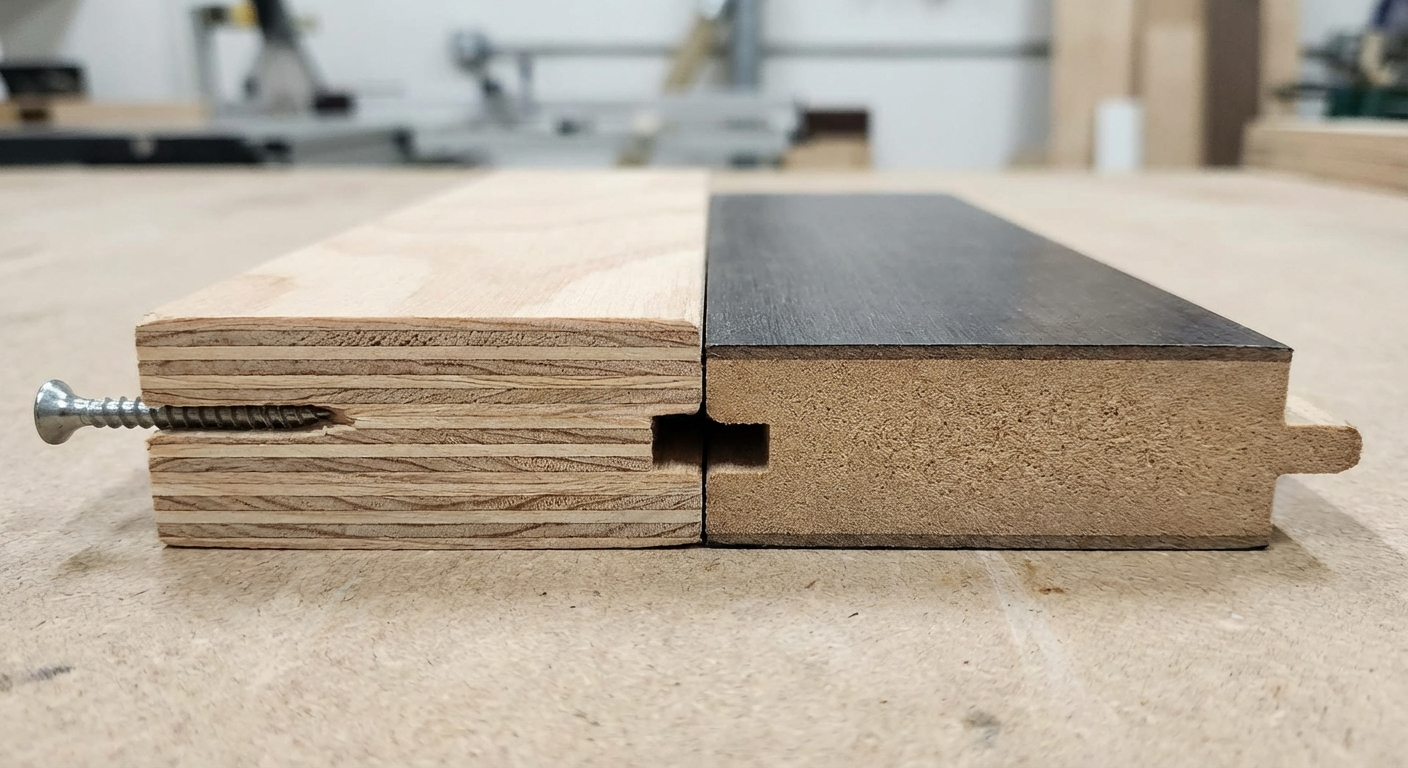
Strength splits into compressive (weight support), tensile (pulling), and shear (side loads). Foam board excels in flat rigidity—19mm sheets span 1m unsupported without flex—but crushes under point loads over 50-100 kg. Plywood's cross-ply design yields 20-50 MPa bending strength in 18mm BWR, holding shelves with 200+ kg distributed loads.
In furniture: A plywood kitchen cabinet frame resists daily slams; foam board doors bow unless honeycombed. Signage mechanics favor foam's vibration resistance on windy highways, but plywood undergirds large billboards. Indian architects test via thumb-pressure: foam dents easily, plywood resists.
| Property | PVC Foam Board (19mm) | Plywood (18mm BWR) |
|---|---|---|
| Bending Strength (MPa) | 10-20 | 30-50 |
| Screw Holding (kg per screw) | 20-40 | 80-120 |
| Max Span Unsupported (m) | 1.0-1.5 | 0.8-1.2 (under load) |
Contractors in Bangalore modular kitchens reinforce foam with plywood battens; pure foam suits pop-up stalls.
Application-Specific Performance: Signage
Outdoor and Indoor Signage Demands
Signage in India—hoardings, shop fronts, event backdrops—prioritizes quick print-and-mount. Foam board's smooth surface takes UV inks without bleed, cuts cleanly with routers, and mounts via double-sided tape. Weight savings slash pole installations in rural fairs. Plywood suits painted or vinyl-wrapped heavy-duty boards, but its grain shows through unless primed, adding labor.
Monsoon test: Foam survives Kerala downpours; untreated plywood warps. Fabricators in Surat choose 5-10mm foam for 70% of jobs, reserving plywood for structural frames.
Furniture Fabrication Insights
Furniture splits by use: Foam board for lightweight partitions, headboards, or RV panels—easy to fabricate with hot knives, no dust. But for load-bearing tables or beds, plywood's stability prevents creaks. In Hyderabad showrooms, foam prototypes slash sample costs; production shifts to plywood for durability.
Edge banding hides foam's foamy cut; plywood veneers offer woodgrain aesthetics matching Indian tastes for teak-like finishes.
Creative Projects and Prototyping
Architects' models, theatre sets, or art installations leverage foam's sculptability—drill, glue, paint without splintering. Plywood demands power tools and sanders, better for scaled mockups needing realism. Mumbai design studios mix: foam for curves, plywood for bases. Cost logic: Foam prototypes iterate faster, plywood finals endure exhibitions.
Cost Factors and Value Comparison
Pricing varies by thickness, grade, region, and dealer margins—10-20% higher in metros vs. industrial belts like Yamunanagar for plywood, or Gujarat for foam. Thin foam (3-5mm) starts lower per sqm than MR plywood, but scales better for bulk signage. Thick BWP plywood premiums 50-100% over foam equivalents due to glue and veneer costs.
Drivers: Foam's extrusion uniformity cuts waste; plywood's natural veneers fluctuate with timber harvests. Lifecycle: Foam's disposability fits short-term projects; plywood amortizes over 10+ years in furniture. Contractors tally: Foam lowers install labor by 30%; plywood reduces replacements.
| Thickness | PVC Foam Board (Rs/sqm, relative) | Plywood (MR/BWR, Rs/sqm, relative) |
|---|---|---|
| 5-6mm | Low | Medium |
| 18-19mm | Medium | High |
| Total Project Cost Impact | Favors light uses | Favors durable builds |
Pros and Cons: Side-by-Side Decision Matrix
| Criteria | PVC Foam Board Pros | PVC Foam Board Cons | Plywood Pros | Plywood Cons |
|---|---|---|---|---|
| Weight & Handling | Ultra-light, easy transport | Lower density limits stacking | Compact strength | Heavy, labor-intensive |
| Water Resistance | Inherent, no treatments | Brittle in impacts | BWP options available | Absorbs if MR grade |
| Strength | Rigid panels | Poor load/impact | High screw/shear hold | Warps untreated |
| Finish & Workability | Smooth, paint-ready | Edge fragility | Wood aesthetic | Dusty cuts |
| Termites/Fire | Immune | Flammable | Treatable | Wood vulnerabilities |
Decision Framework for Indian Buyers
Homeowners and Interior Designers
For modular wardrobes or false ceilings, blend: Foam panels for doors (lightweight aesthetics), plywood carcasses (strength). Check ISI marks on plywood; foam quality via density tests (shake for hollowness).
Contractors and Signage Specialists
Short-term hoardings? Foam. Permanent structures? Plywood frames with foam faces. Source from certified dealers—avoid underdensity foam that yellows in UV.
Architects and Fabricators
Prototype with foam, scale to plywood. Factor regional humidity: Coastal BWP plywood; inland MR with laminates. Test hybrids: Foam core plywood sandwiches for optimal weight-strength.
Practical Buying Tips in India's Dealer Ecosystem
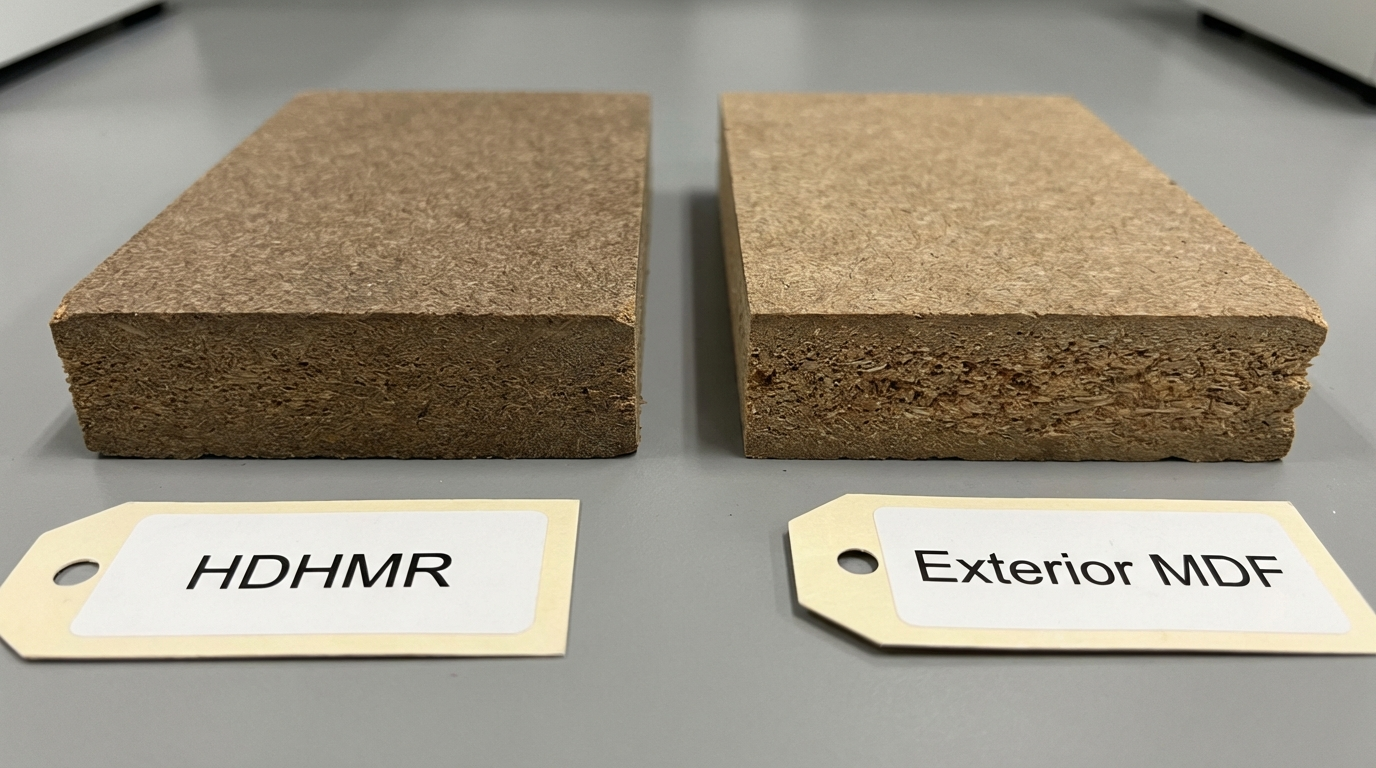
Visit wholesalers in plywood hubs (Kerala, Punjab) or foam clusters (Delhi-NCR). Negotiate bundles: 50-sheet foam lots yield 10-15% off. Inspect: Plywood for voids/delam; foam for uniformity. Alternatives like HDHMR bridge gaps for humid interiors. Lifecycle audit: Foam for 1-3 years; plywood 5-15 with care.
Final logic: Choose foam for transient, light-duty; plywood for enduring loads. Hybrids win 60% of hybrid projects in competitive bids.
Related guides on PlyPrice
Want Plywood Suggestions?
Share a few details and a PlyPrice specialist will suggest suitable brands and connect you to responsive dealers.