Plywood vs ACP Sheet for Facades and Signage: Weather, Fire and Cost
For exterior cladding and facades in India, ACP usually outlasts plywood because its aluminium skins and factory PVDF coating resist monsoon rain and UV. Plywood can work outdoors only as BWP or marine grade with paint or sealant, and it needs more upkeep.
Core Differences in Material Makeup
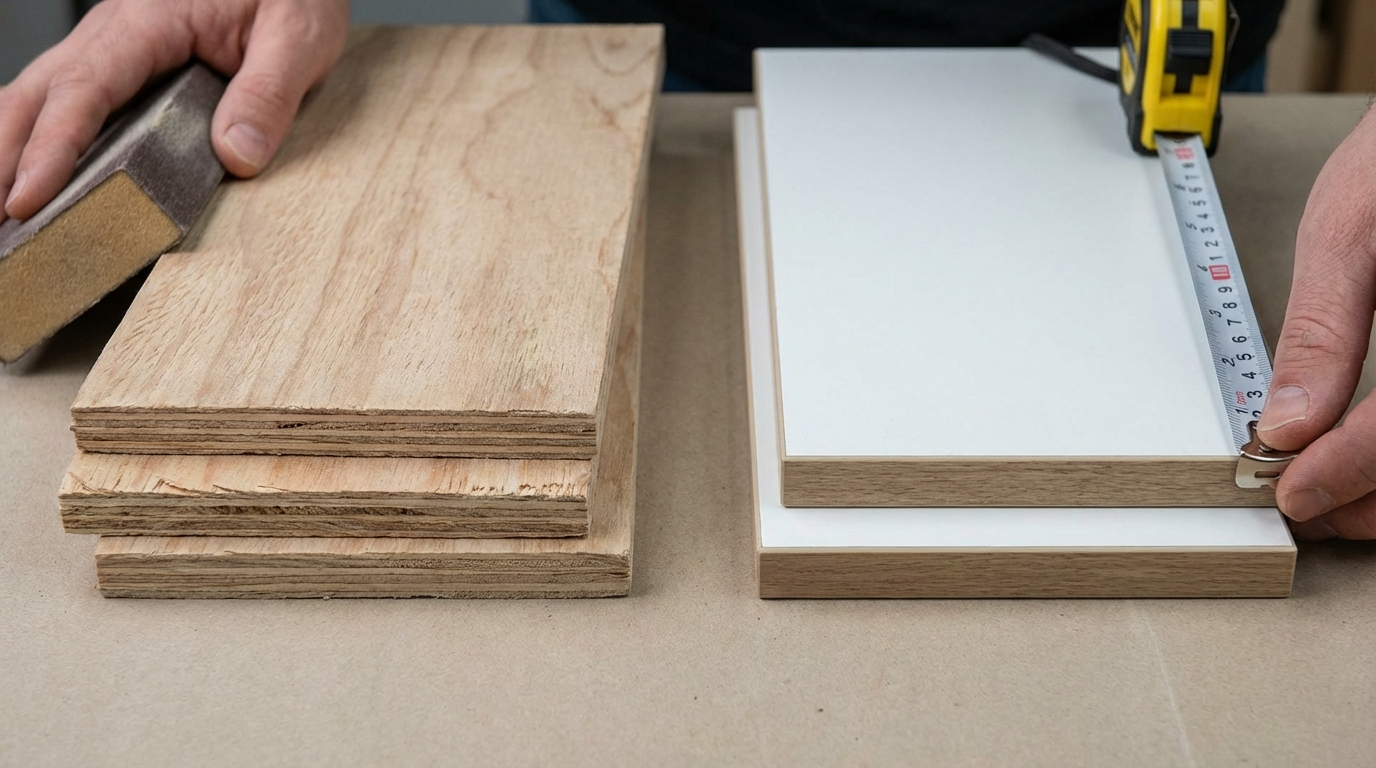
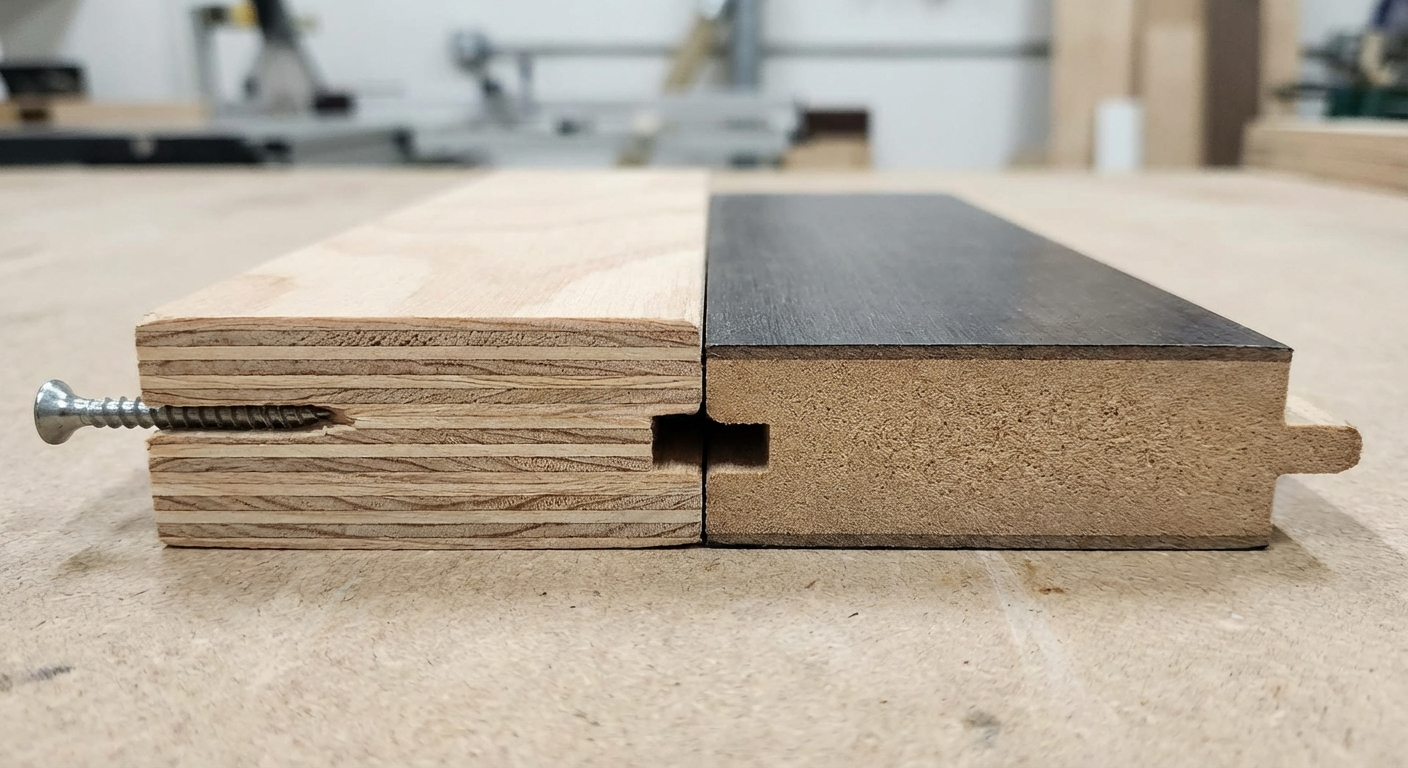
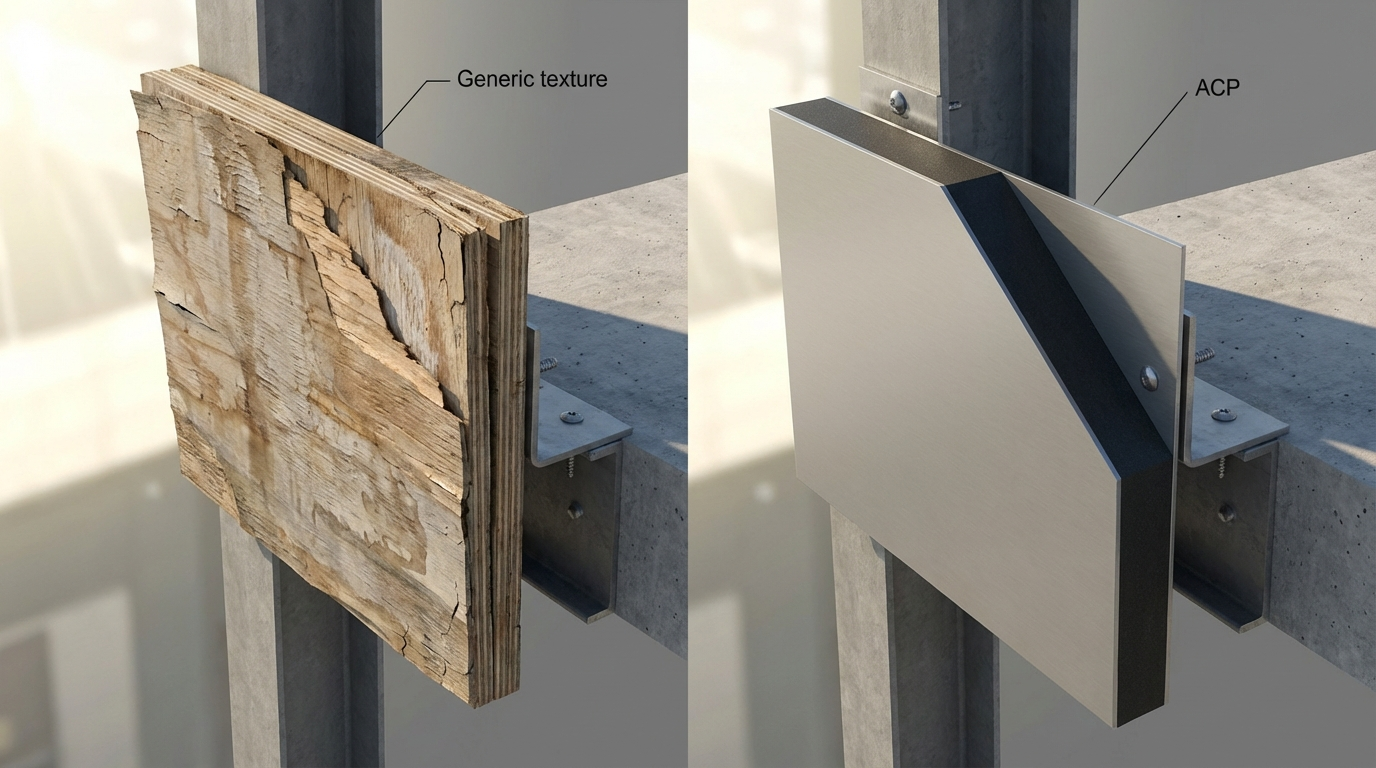
Plywood starts as thin wood veneers glued in cross-grain layers for strength, with grades like BWP (boiling water proof) using phenolic resins to handle moisture better than MR or BWR types. For exterior exposure, only BWP or marine-grade meets basic ISI:710 standards, yet even these rely on surface treatments to fend off India's relentless monsoons and UV rays. ACP sheets, by contrast, sandwich a polyethylene or mineral core between two aluminum skins, creating an impermeable barrier that's factory-finished with PVDF coatings for color retention.
Contractors in humid coastal belts like Kerala or Mumbai often debate these bases: plywood's organic structure invites swelling if glue bonds weaken, while ACP's metallic layers distribute stress evenly without biological decay risks.
Weather Resistance Under Indian Climates
India's diverse weather—prolonged monsoons in the west, scorching summers in the north, saline winds on coasts—tests any exterior material. BWP plywood resists boiling water per lab tests but degrades in real-world cycles of wetting-drying: core delamination occurs after 2-3 heavy seasons without epoxy sealing or cladding overlays. UV exposure fades natural veneers, leading to cracking as resins embrittle.
ACP excels here, with aluminum skins blocking water ingress entirely and coatings rated for 10-15 years of color hold in direct sun. Fire-retardant cores (FR-grade) add value in urban high-rises. In Delhi's dust storms or Chennai's humidity, ACP shows fewer callbacks than sealed plywood facades, per contractor feedback from tier-2 cities.
| Factor | BWP Plywood (Treated) | ACP Sheet |
|---|---|---|
| Monsoon Rain Exposure | Moderate; needs overhangs/sealants | Excellent; fully waterproof |
| UV and Heat Degradation | Fades/paints peel after 3-5 years | Coatings stable 10+ years |
| Humidity/Salinity | Core risks if unsealed | Non-corrosive skins |
Real-World Scenario: Mumbai Facade Project
A typical 5-story apartment block in Mumbai might use 12mm BWP plywood under stucco for semi-protected walls, but direct rain hits prompt warping complaints within monsoons. Switch to 4mm ACP cladding, and panels withstand without intervention, saving rework costs that can exceed 20% of material budget.
Aesthetics and Customization Options
Plywood offers a warm, timber-like texture ideal for blending with traditional Indian architecture—think exposed veneers with oil finishes mimicking teak. However, exterior use demands frequent repainting to combat fading, and curves are impossible without kerfing techniques that weaken structure.
ACP brings sleek modernity: over 200 color options, wood-grain mimics without upkeep, and easy bending for curved facades like shopping mall entrances in Bangalore. Digital printing allows custom graphics for signage, far surpassing plywood's flat, paint-limited surfaces. Architects favor ACP for its seamlessness in large panels, reducing visible joints that plywood fixings expose.
- Plywood: Natural grain appeals to homeowners seeking heritage vibes but weathers to grey patina.
- ACP: Mirror/polished finishes elevate commercial signage, reflecting urban prestige.
Signage-Specific Choices
For hoardings along highways from Delhi to Jaipur, ACP's lightweight rigidity prevents sagging under wind loads, with vibrant prints lasting years. Plywood signs need framing and recoating annually, making ACP the default for advertisers balancing visibility and longevity.
Maintenance Demands Over Time
Plywood exteriors require proactive care: annual inspections for termite entry via cracks, sealant refreshes, and paint jobs every 3-5 years. In polluted metros like Kolkata, soot buildup accelerates deterioration, hiking labor costs for scraping and priming.
ACP maintenance is rinse-and-forget—hosing down quarterly removes dust, with no repainting needed. Scratches buff out easily, unlike plywood gouges needing filler patches. Over 10 years, this gap widens: plywood lifecycle costs can double due to interventions, while ACP stays pristine.
Cost Breakdown and Value Analysis
Upfront, BWP plywood sheets (12-18mm) run lower per square foot than premium ACP (3-6mm), influenced by thickness needs—plywood demands more material for stiffness. Regional swings hit plywood harder: northern mills charge premiums during winter shortages, while southern ports favor imports.
ACP starts higher due to aluminum volatility but evens out via thinner profiles and no paint cycles. Installation labor favors ACP's clip systems over plywood's nailing/bracing. Total ownership: plywood suits budget semi-exposed jobs; ACP pays back in 5-7 years for full exteriors via durability.
| Cost Driver | Plywood Estimate | ACP Estimate | Key Variables |
|---|---|---|---|
| Material (per sqft) | Lower base; rises with grade | Higher; drops for bulk | Thickness, brand, region (e.g., Kerala ACP cheaper) |
| Installation | Heavy framing labor | Quick panel fixing | Site access, height |
| 10-Year Maintenance | High (repairs/paint) | Low (cleaning) | Exposure level |
Durability, Strength, and Lifespan Metrics
Plywood's compressive strength suits load-bearing but flexes under wind if thinly applied—BWP variants handle 72-hour boils but cycle fatigue in temp swings. Impact resistance is fair until moisture softens it.
ACP's sandwich design yields high rigidity-to-weight: 4mm panels span 1-2m unsupported, resisting hail or cyclones better. Lifespan: plywood 10-15 years treated exteriors; ACP 20+ in FR grades. Indian contractors note ACP's edge in seismic zones like Gujarat, where lightness reduces inertial loads.
Fire Performance and Safety Considerations
Standard plywood chars quickly, though fire-retardant treatments (IS:5509) extend escape time. BWP doesn't inherently improve this.
ACP varies: PE-core flammable (post-Grenfell awareness), but India's FR mineral-filled panels comply with BS 476, slowing spread. For high-rises in Pune or Hyderabad, specifiers mandate tested ACP over plywood.
Installation Practicalities for Indian Sites
Plywood demands skilled carpenters for precise cutting, alignment, and weatherproof joints—downtime rises in rainy delays. Weight (50kg/sheet) strains labor in multi-story lifts.
ACP uses rivets or cassettes for rapid clip-on, trainable on mason teams. Lighter (5-7kg/sqm) eases transport from Gujarat hubs to pan-India sites.
Ideal Applications in Facades and Signage
Building Facades
ACP dominates modern commercial shells—malls, offices—for seamless curves and minimal upkeep. Plywood fits rainscreen backers or traditional villas with overhangs, but rarely exposed.
Signage and Hoardings
ACP's printability and flatness win for billboards; plywood for rustic rural boards needing affordability.
Pros and Cons at a Glance
| Plywood Pros | Plywood Cons | ACP Pros | ACP Cons | |
|---|---|---|---|---|
| Exterior Use | Affordable strength | High moisture upkeep | Superior weatherproofing | Higher initial outlay |
| Aesthetics | Natural warmth | Fades, joints show | Versatile modern looks | Less "organic" feel |
| Maintenance | Repairable locally | Frequent interventions | Minimal effort | Professional fixes costlier |
Decision Framework for Buyers
Choose Plywood If: Budget-tight semi-exposed walls (e.g., balcony undersides with painting), traditional aesthetic priority, local carpenter ecosystem strong. Pair with BWP, UV paints, ventilation.
Choose ACP If: Full exterior facades, signage demanding vibrancy, low-maintenance mandate, modern design. Opt FR-grade for safety, PVDF for longevity.
Architects weigh site exposure first: under 30% rain-hit? Plywood viable. Over? ACP default. Contractors factor labor speed—ACP cuts timelines 30-40%.
Dealer tip: Verify ISI marks on plywood, GWPs/DIC certs on ACP. Test samples in local weather before bulk buys.
Plywood vs ACP: Common Questions on Cladding and Signage
Can Plywood Be Used for Exterior Cladding in India?
Yes, BWP/marine grades with protections, but expect more upkeep than ACP in monsoon zones.
Is ACP Fireproof?
FR variants retard spread; avoid standard PE for interiors/high-rises.
Which Lasts Longer for Facades?
ACP typically 20 years vs. plywood's 10-15 with care.
Cost Comparison per Sqm Project?
Plywood lower upfront, ACP better lifecycle in exposed apps.
Best for Curved Signage?
ACP hands-down for flexibility without cracks.
Related guides on PlyPrice
Want Plywood Suggestions?
Share a few details and a PlyPrice specialist will suggest suitable brands and connect you to responsive dealers.