India Plywood Market: Organized vs Unorganized Players After GST and QCO
India's plywood market is shifting from unorganized mills to organized brands, as GST narrows the price gap and the Plywood Quality Control Order makes certification mandatory. Buyers now weigh reliability against initial cost more than before.
Last updated: . Grades and standards checked against current BIS standards.
The Shift to Quality: Reshaping Buyer Expectations in India's Plywood Sector
In India's construction and furniture sectors, where humid climates and termite-prone soils challenge material durability, buyers increasingly prioritize reliability over initial cost savings. This transition reflects a broader market evolution, driven by regulatory changes like GST and the Plywood Quality Control Order (QCO). Homeowners in urban apartments, contractors on tight deadlines, and interior designers specifying modular kitchens now weigh long-term performance against short-term expenses. Organized plywood—produced by branded manufacturers with standardized processes—has gained traction, while unorganized local mills face erosion due to compliance hurdles and quality inconsistencies.
Defining the Organized and Unorganized Plywood Ecosystem
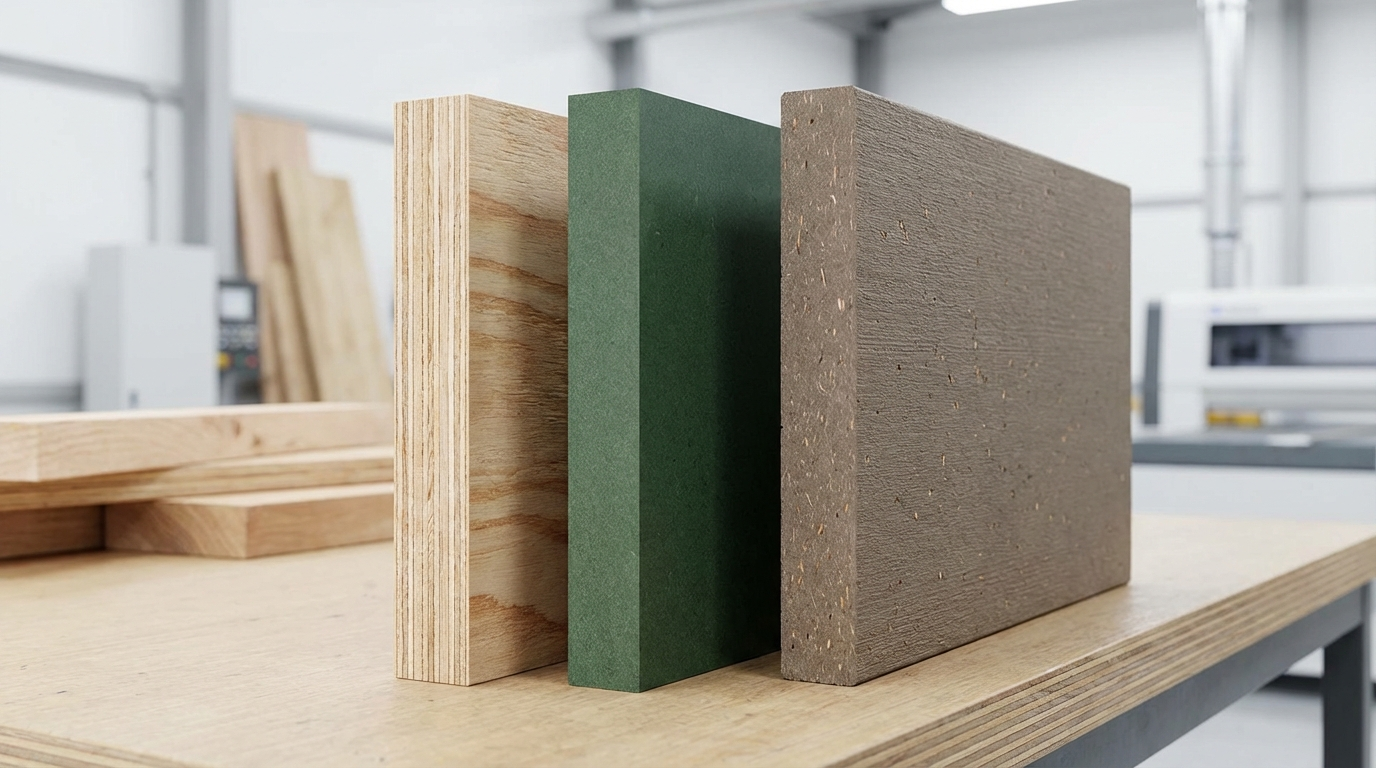
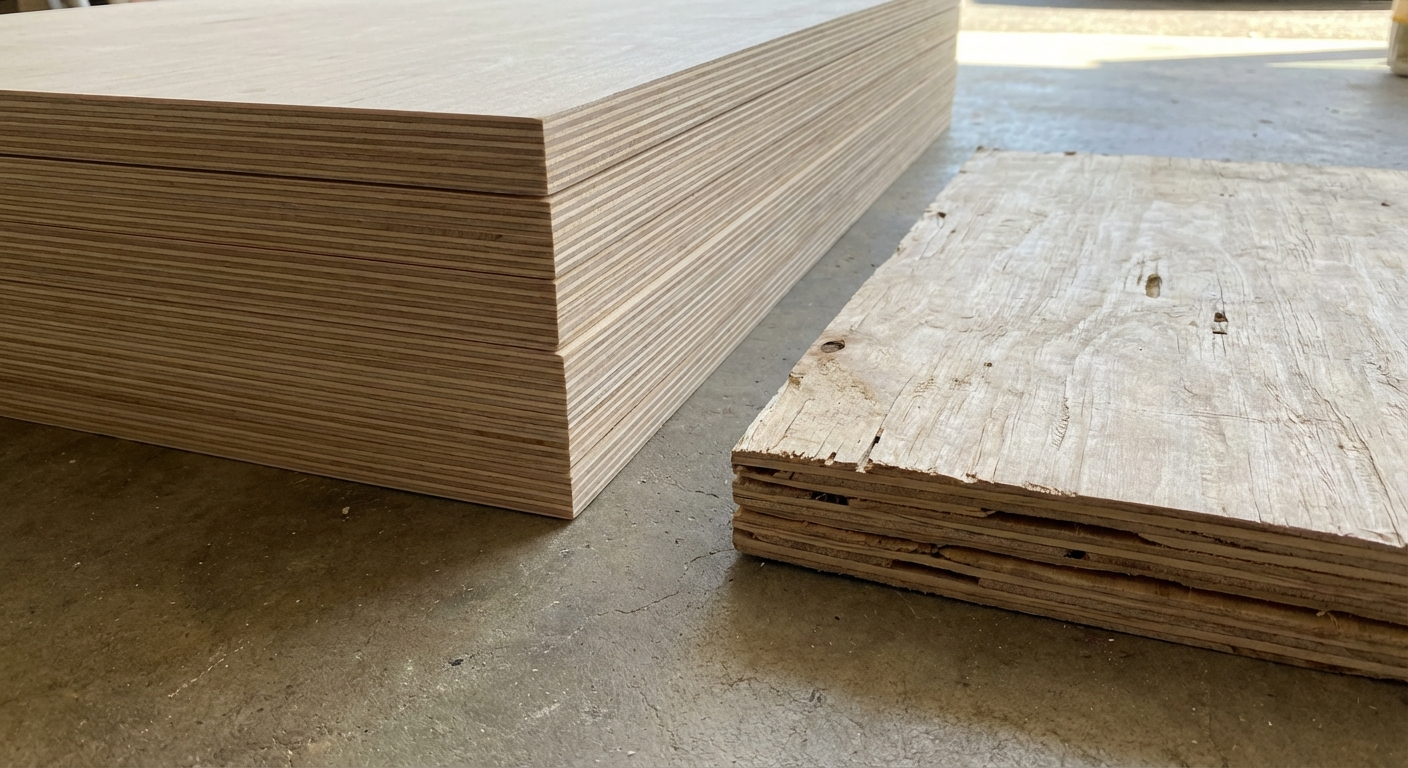
Organized plywood stems from large-scale manufacturers operating multiple facilities, adhering to Bureau of Indian Standards (BIS) norms, and offering graded products like MR (moisture-resistant), BWR (boiling water-resistant), and BWP (boiling water-proof). These players invest in supply chain controls, from poplar plantations in Punjab to eucalyptus sourcing in South India, ensuring consistent core density and glue-line strength.
Unorganized plywood, conversely, arises from small, regional mills—often clustered in Uttar Pradesh, Kerala, or Assam—using variable poplar or mixed hardwoods. Production relies on manual pressing and basic urea-formaldehyde glues, leading to variability in thickness swelling or delamination under monsoons. While these mills serve price-sensitive rural contractors, their lack of testing labs and warranties exposes buyers to risks like warping in humid coastal areas.
India-Specific Production Realities
Northern mills favor fast-growing poplars for shuttering grades, but unorganized units often under-cure veneers, causing borer vulnerabilities. Southern players leverage rubberwood for interiors, yet organized firms calibrate automated lines for precise 18mm thicknesses, unlike the ±1.5mm deviations common in unbranded sheets.
GST Implementation: Narrowing the Price Gap and Boosting Organized Growth
Introduced in 2017, GST unified taxes at 18% for plywood, eliminating cascading duties that once favored unorganized evasion. Pre-GST, unbranded sheets enjoyed a 25-30% price edge through under-invoicing; post-GST, this narrowed to 10-15%, making branded options viable for mid-tier projects. Dealers in Tier-2 cities like Lucknow or Coimbatore report organized sales doubling as input tax credits favor compliant suppliers.
For contractors, this meant fewer callbacks on delaminating shutters during Kerala rains. Homeowners, influenced by online reviews, shifted to warranted boards, propelling organized revenue growth at 10-15% annually versus the overall market's 5-7%.
QCO Enforcement: The Compliance Tipping Point for Unorganized Decline
The 2021 Plywood QCO, fully effective by early 2025 with BIS IS:303 and IS:710 mandates, barred substandard imports and local non-compliant production. Initially resisted by small mills citing job losses, it curbed cheap Indonesian inflows—down significantly in volume despite price hikes—benefiting domestic organized capacity.
Unorganized players, lacking labs for boil tests or formaldehyde emission checks, consolidated or exited, particularly in import-heavy regions like Gujarat. Organized brands expanded greenfield plants in Tamil Nadu and Telangana, certifying emission-compliant glues (E1, the lower-emission BIS class) to meet modular furniture demands. This regulatory push accelerated organized market penetration, as architects specified BIS-marked BWP for high-rise bathrooms.
Side-by-Side Comparison: Organized vs Unorganized Plywood
| Aspect | Organized Plywood | Unorganized Plywood |
|---|---|---|
| Quality Consistency | Automated pressing ensures uniform glue shear strength; boil test pass rates near 100% | Manual processes yield 20-30% failure in moisture tests; regional wood variability |
| Compliance & Certification | BIS IS-marked; QCO-ready with lab reports | Often non-compliant; selling without a valid ISI mark has been illegal since February 2025 |
| Pricing Dynamics | 10-15% premium post-GST; stable due to scale | Lower upfront but hidden costs from failures (e.g., rework) |
| Warranty & Support | 5-25 years against termites/boiling; dealer networks nationwide | Rare; local fixes only |
| Availability & Logistics | Pan-India depots; just-in-time delivery | Regional silos; monsoon delays common |
| Sustainability | Plantation-sourced; lower emissions via PF glues | Mixed hardwoods; higher urea-formaldehyde off-gassing |
This table highlights why contractors in Mumbai high-rises opt for organized despite premiums—reduced site rejections outweigh savings.
Rapid Expansion of Organized Plywood Brands
Organized players have steadily gained market share, per industry analyses, outpacing overall growth amid urbanization. Leaders scaled capacities—e.g., new lines for calibrated 15-layer boards—catering to PMAY housing and office fitouts. Millennial homeowners, via apps like Urban Company, demand pre-laminated options, fueling 6-8% CAGR projections through 2030.
Regional shifts: North India sees poplar-based MR dominance; South favors teak-faced BWR for villas. Organized firms differentiate via innovations like zero-formaldehyde for kids' furniture.
Growth Drivers in Buyer Segments
- Homeowners: Warranty appeals in joint-family homes prone to spills.
- Contractors: Bulk discounts and EMI schemes ease cash flows.
- Architects/Designers: Custom thicknesses for CNC routing.
Patterns of Decline in the Unorganized Sector
Unorganized share, historically 70%+, contracted as QCO weeded out non-viable mills. Small operators merged into cooperatives or pivoted to laminates, but persistent issues—raw material bans from Myanmar, volatile glue prices—eroded margins. In plywood hubs like Moradabad, closures rose after the QCO, shifting dealer inventories to branded alternatives.
Buyers note: While unorganized suits low-end shuttering, failures in load-bearing walls amplify risks in seismic zones like Gujarat.
Practical Decision Guide for Buyers
Assess project needs: For coastal bungalows, prioritize BWP organized; interiors allow MR unorganized if budget-constrained. Verify BIS holograms, demand test certificates. Dealers offer hybrids—branded cores with local faces—for 5-10% savings. Contractors: Factor lifecycle costs; a 20% premium averts 50% rework.
Regional logic: Punjab dealers stock organized for cold storage; Kerala favors imported faces via compliant channels.
Outlook: A Consolidated Market by Decade's End
With market size nearing INR 380 Bn by 2033 at 5-6% CAGR, organized dominance could hit 50%+, propelled by green building norms and e-commerce. Challenges persist (raw wood shortages, resin chemical prices), but scale favors compliant players. Buyers benefit from elevated baselines, though vigilance on fakes remains key in dealer yards.
Related guides on PlyPrice
Want Plywood Suggestions?
Share a few details and a PlyPrice specialist will suggest suitable brands and connect you to responsive dealers.