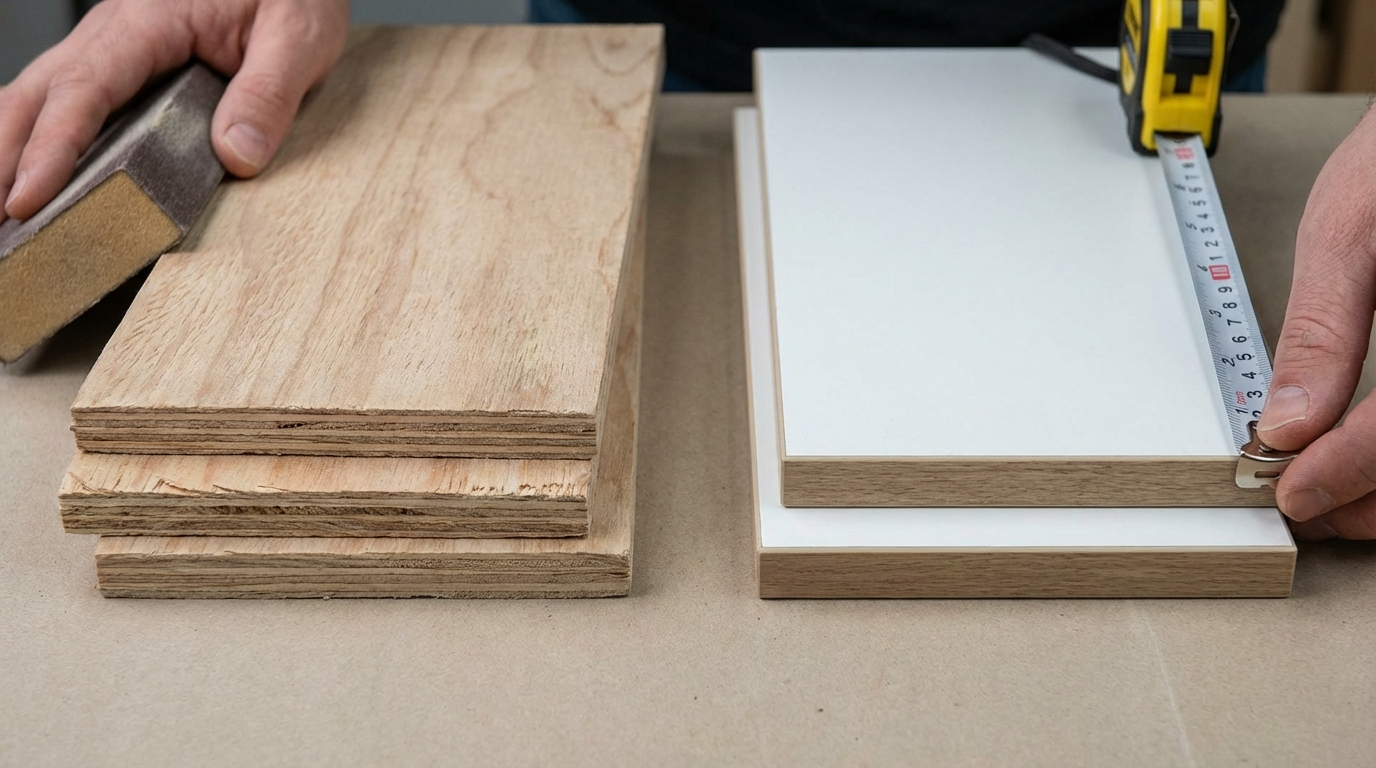
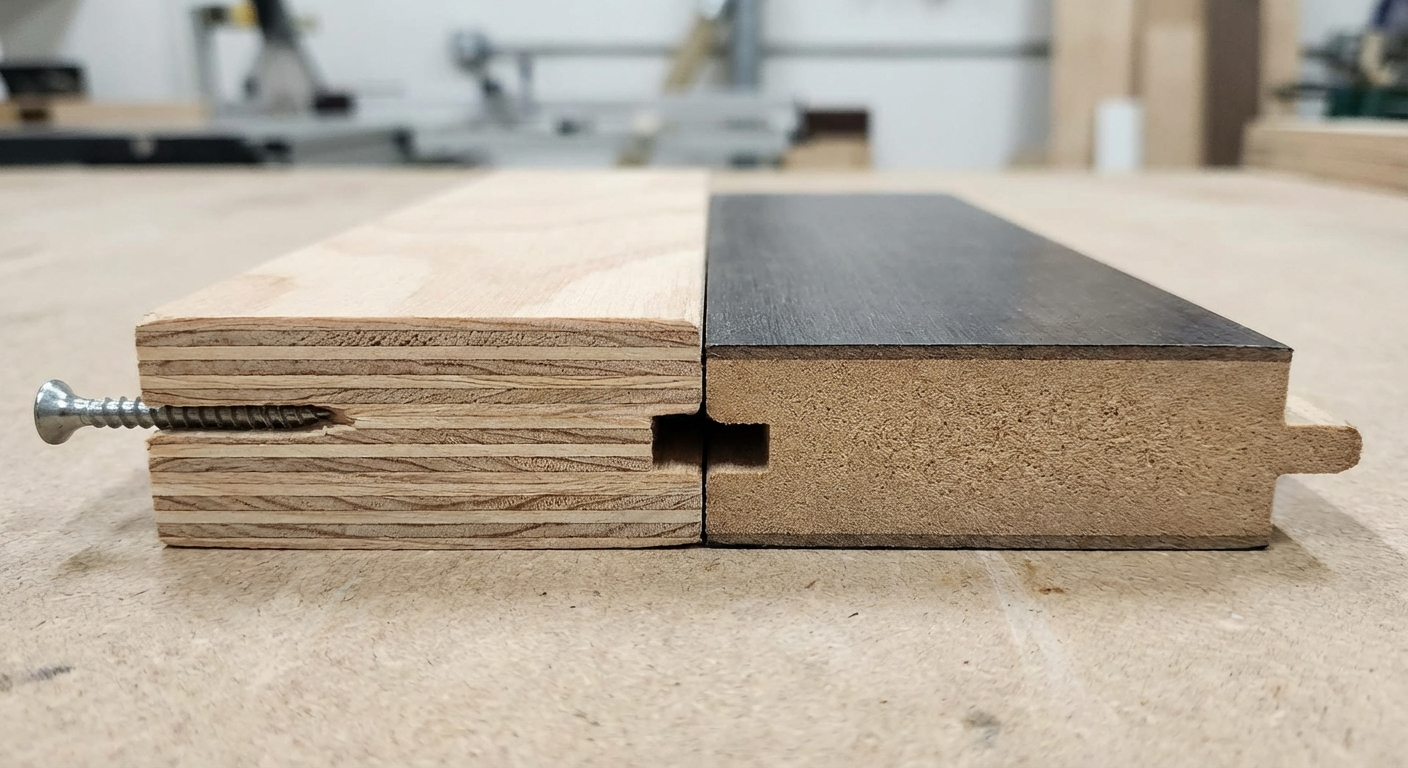
Marine Plywood vs BWP Plywood
Confused between Marine and BWP plywood? We explain the IS:710 standard differences. Know which one is truly waterproof for your needs.
Why Indian Buyers Often Mix Up Marine and BWP Plywood
In India's diverse construction landscape, where monsoons drench coastal cities like Mumbai and Chennai while inland regions battle relentless humidity, selecting the right plywood grade becomes a high-stakes decision. Homeowners renovating kitchens, contractors bidding on coastal projects, and architects specifying for humid interiors frequently encounter sales pitches blurring the lines between "Marine Plywood" and "BWP Plywood." The confusion stems from dealer terminology—many outlets label high-end waterproof sheets as both interchangeably, leading to questions like: Is Marine superior? Does BWP suffice for wet areas? This guide dissects the standards, tests, and real-world performance to clarify what truly matters for durability in Indian conditions.
From first principles, plywood's water resistance hinges on its glue: adhesives must bond veneers without delaminating under moisture cycles mimicking monsoons or steam exposure. Indian buyers prioritize this for bathrooms, laundry zones, and structural elements, where cheaper MR grades fail quickly. Understanding Marine vs. BWP requires peering into the IS:710 specification—the benchmark for boiling water resistance—rather than trusting labels alone.
Defining BWP Plywood: The Boiling Water Proof Baseline
BWP stands for Boiling Water Proof, a grade designed for environments with repeated high-moisture exposure. In technical terms, it uses phenolic resin glues that cure under heat and pressure, forming cross-linked bonds resistant to hydrolysis—the chemical breakdown water causes in weaker urea-based adhesives.
Under Indian standards, BWP plywood undergoes rigorous testing: glue lines must retain strength after prolonged immersion in boiling water, simulating extreme conditions like flooded sites or steam-filled kitchens. This makes it suitable for non-structural wet areas in homes, such as wardrobes in humid Goa apartments or partition walls in Kerala villas. However, not all BWP claims align with certified specs; unregulated dealers often apply the term to BWR (Boiling Water Resistant) sheets, which tolerate shorter exposures but warp under sustained wetness.
For contractors, BWP's appeal lies in its balanced cost for mid-tier projects—think interior fitouts in Tier-2 cities like Pune or Jaipur, where budgets constrain but quality can't. Architects note its edge over MR in mycological tests (fungal resistance), crucial in tropical climates fostering mold.
Unpacking Marine Plywood: Tailored for Harsh Exposures
Marine Plywood emerged from shipbuilding needs, where sheets face saltwater immersion, constant humidity, and mechanical stress. In India, it's positioned for coastal construction—beacheside bungalows in Gokarna, boatyards in Kochi, or flood-prone bridges in Assam. The name evokes ruggedness, but technically, it denotes plywood meeting elevated waterproofing thresholds.
Core construction mirrors BWP: tropical hardwood veneers (like gurjan or mao) glued with synthetic resins, hot-pressed for density. What sets it apart is enhanced testing for cyclic boiling, thickness swelling under soak tests (limited to under 5% in premium variants), and shear strength retention post-exposure. Homeowners in Mumbai high-rises use it for bathroom vanities, trusting its delamination resistance during heavy rains, while marine contractors specify it for hull repairs.
Regional variations play in: Coastal dealers stock thicker 18-25mm Marine sheets for structural roles, while inland markets push thinner variants for furniture, often at inflated markups due to transport costs from Andhra mills.
IS:710 Standard: The Technical Divider
The Indian Standards Institute's IS:710 specification is pivotal—it certifies plywood as "BWP Type for Marine and Other Severe Applications." This isn't a vague label; it's a protocol mandating:
- Glue shear strength: Minimum retention after multiple boiling cycles (e.g., 8 hours boil, dry, repeat), ensuring no separation under prolonged stress.
- Mycological and insect resistance: Critical for India's termite-heavy soils and moldy monsoons.
- Dimensional stability: Low swelling and warping post-immersion, vital for fitted interiors.
- Preservative treatment: Optional but common for exterior or ground-contact uses.
IS:710-compliant sheets carry the BIS hallmark, verifiable via license numbers. Non-certified "Marine" plywood skips these, relying on basic phenolic glue without validated performance—common in unbranded dealer stocks. For buyers, this standard bridges the terminology gap: Genuine Marine Plywood is BWP per IS:710, but generic BWP may fall short if not certified.
In practice, enforcement varies: Reputed mills in Kerala and Telangana adhere strictly, while smaller Punjab units cut corners on glue quality, affecting inland pricing dynamics.
Head-to-Head Comparison: Marine vs. BWP vs. Other Grades
To cut through the noise, here's a side-by-side analysis rooted in standard tests and Indian usage patterns. Note: "Marine" assumes IS:710 compliance; generic BWP may overlap with BWR.
| Parameter | MR Plywood (IS:303) | BWR Plywood | BWP Plywood (Generic) | Marine Plywood (IS:710) |
|---|---|---|---|---|
| Glue Type | Urea Formaldehyde | Phenolic Resin | Phenolic Resin | High-Grade Phenolic (Marine Optimized) |
| Water Resistance | Short-term humidity | Hot water cycles (up to 2 hrs) | Extended boiling (variable) | Prolonged boiling (72+ hrs equivalent) |
| Key Tests Passed | Basic moisture | 72-hr boil (limited cycles) | Mycological, partial boil shear | Full boil shear, low swelling (<5%), cyclic stress |
| Typical Thickness | 3-18mm | 6-19mm | 12-25mm | 12-30mm |
| Indian Applications | Dry furniture | Kitchens, wardrobes | Bathrooms, partitions | Coastal structures, wet exteriors |
| Cost Relative to MR | Baseline | 20-40% higher | 40-70% higher | 50-100%+ higher |
This table highlights convergence: IS:710 Marine plywood exceeds generic BWP in boil-cycle endurance, making it "truly waterproof" for immersion risks. BWR suffices for occasional splashes but delaminates in standing water, a common contractor pitfall in monsoon-delayed sites.
Are Marine and BWP Plywood the Same?
Not exactly, but closely related. In regulated terms, Marine plywood equals BWP certified to IS:710—dealers using "BWP" for non-IS:710 sheets create the illusion of equivalence. Market reality: 60-70% of "Marine" stock in Delhi-NCR passes basic checks but lacks full certification, per anecdotal architect feedback. For precision, demand IS:710 BIS-marked sheets; generic BWP works for semi-wet zones but risks callbacks in high-humidity belts like the Western Ghats.
Buyer logic differs: Homeowners equate them for vanity projects, prioritizing aesthetics; contractors scrutinize test reports for liability in commercial builds.
Which is Truly Waterproof for Your Needs?
True waterproofing means zero delamination after repeated boiling—IS:710 Marine plywood owns this. Generic BWP offers strong resistance but falters in saltwater or perpetual dampness. Decision drivers:
- Interiors (kitchens/bathrooms): Generic BWP or certified equivalents; Marine overkill unless steam-heavy.
- Coastal/Exteriors: IS:710 Marine mandatory—resists saline corrosion better.
- Budget Constraints: BWR for dry-wet transitions, upgrading to BWP saves rework costs long-term.
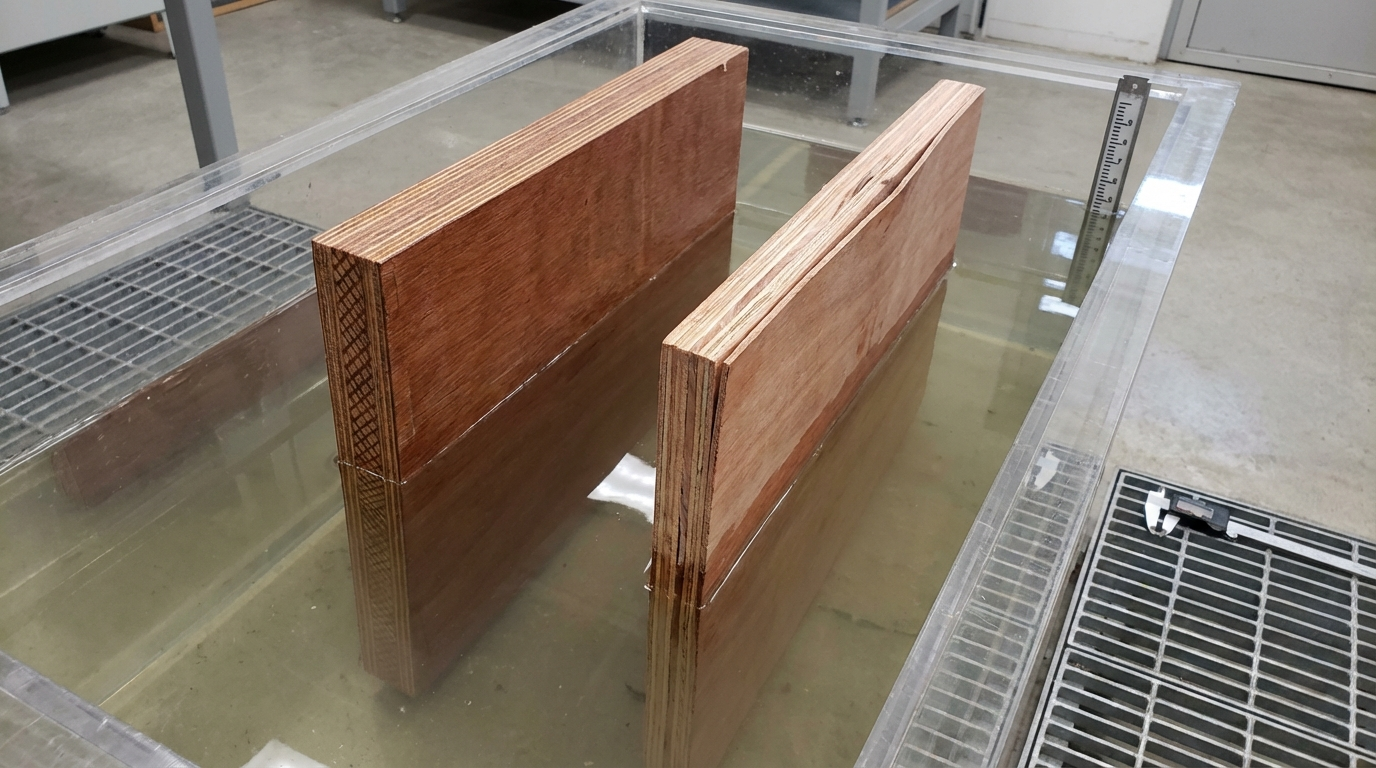
In India's 40-90% humidity zones, "waterproof" claims must withstand real tests: pour water overnight; genuine grades show no edge lifting.
Indian Applications: Matching Grades to Scenarios
Consider a Mumbai homeowner: Marine for bathroom shutters withstands shower steam; BWP for kitchen cabinets handles spills. Contractors in Hyderabad use BWP for partitions, reserving Marine for flood-vulnerable godowns. Architects in Bangalore specify Marine for export-oriented furniture, citing superior screw-holding post-humidity.
Structural notes: Neither replaces concrete formwork (shuttering plywood); both excel in modular housing booms in Tier-3 towns.
Pricing Dynamics: What Drives Costs in India
Expect Marine/IS:710 BWP to command premiums due to imported glues, hardwood cores, and certification overheads—typically 1.5-2x BWR in metros, narrowing to 1.2x inland via bulk dealer buys. Variables:
- Thickness: 18mm+ spikes costs 30-50%.
- Region: Coastal (Vizag) cheaper sourcing; Delhi 20% markup on logistics.
- Dealer Chain: Direct mill > wholesaler > retail; negotiate volumes.
- Quality Markers: BIS adds 10-15%; unbranded saves short-term but risks replacement.
Trend: Post-2023 raw material hikes, relative pricing holds—focus on lifecycle value over upfront savings.
Verification Checklist for Buyers
Avoid fakes with this framework:
- Inspect BIS/IS:710 stamp and license number (verify on BIS site).
- Knock test: Dense thud indicates solid core.
- Edge check: Uniform glue lines, no voids.
- Demand batch test certificates from mills.
- Cross-shop 2-3 dealers; reject pressure sales.
For architects: Bulk-test samples via NABL labs; contractors: Insist on warranties (1-5 years standard).
Decision Framework: Choose Based on Your Project
| Project Type | Recommended Grade | Why? | Alternatives |
|---|---|---|---|
| Home Interiors (Wet Areas) | BWP (Certified) | Cost-effective waterproofing | BWR for dry edges |
| Coastal Homes/Boats | Marine (IS:710) | Salt/moisture endurance | None—risky downgrade |
| Commercial Partitions | BWP | Balanced durability/budget | MR + lamination |
| Structural (Bridges) | Marine Thick (25mm+) | Load + water resistance | Engineered alternatives |
This matrix aligns with Indian buyer mindsets: Homeowners weigh aesthetics vs. longevity; contractors factor rework bids; designers balance specs with client budgets.
Common Pitfalls and Pro Tips
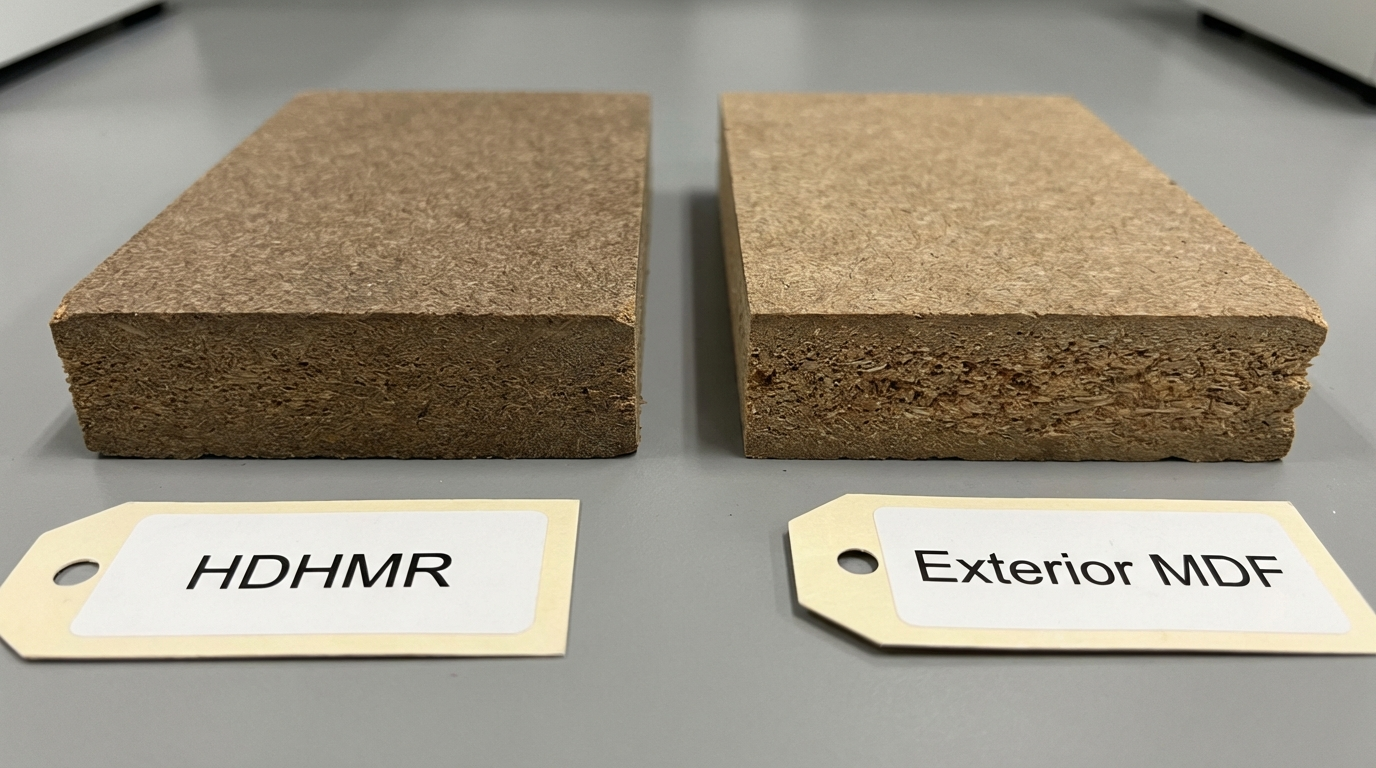
Avoid: Unmarked "Marine" from roadside dealers—often BWR rebranded. Pro tip: Pair with laminates/sealers for hybrid protection in variable climates. Future outlook: Rising HDHMR adoption may challenge both for interiors, but Marine retains niche for exteriors.
Ultimately, IS:710 certification resolves the Marine-BWP debate—prioritize it for confidence in India's unforgiving weather.
Want Plywood Suggestions?
Share a few details and a PlyPrice specialist will suggest suitable brands and connect you to responsive dealers.