Indian Plywood Industry: Market Structure, Key Players and Growth Drivers
India's plywood industry is split between organized brands and a large unorganized sector that still retains an edge, with production concentrated in regional timber clusters. Urbanisation drives demand across construction, furniture and interiors.
Last updated: . Grades and standards checked against current BIS standards.
Decoding the Structure of India's Plywood Sector
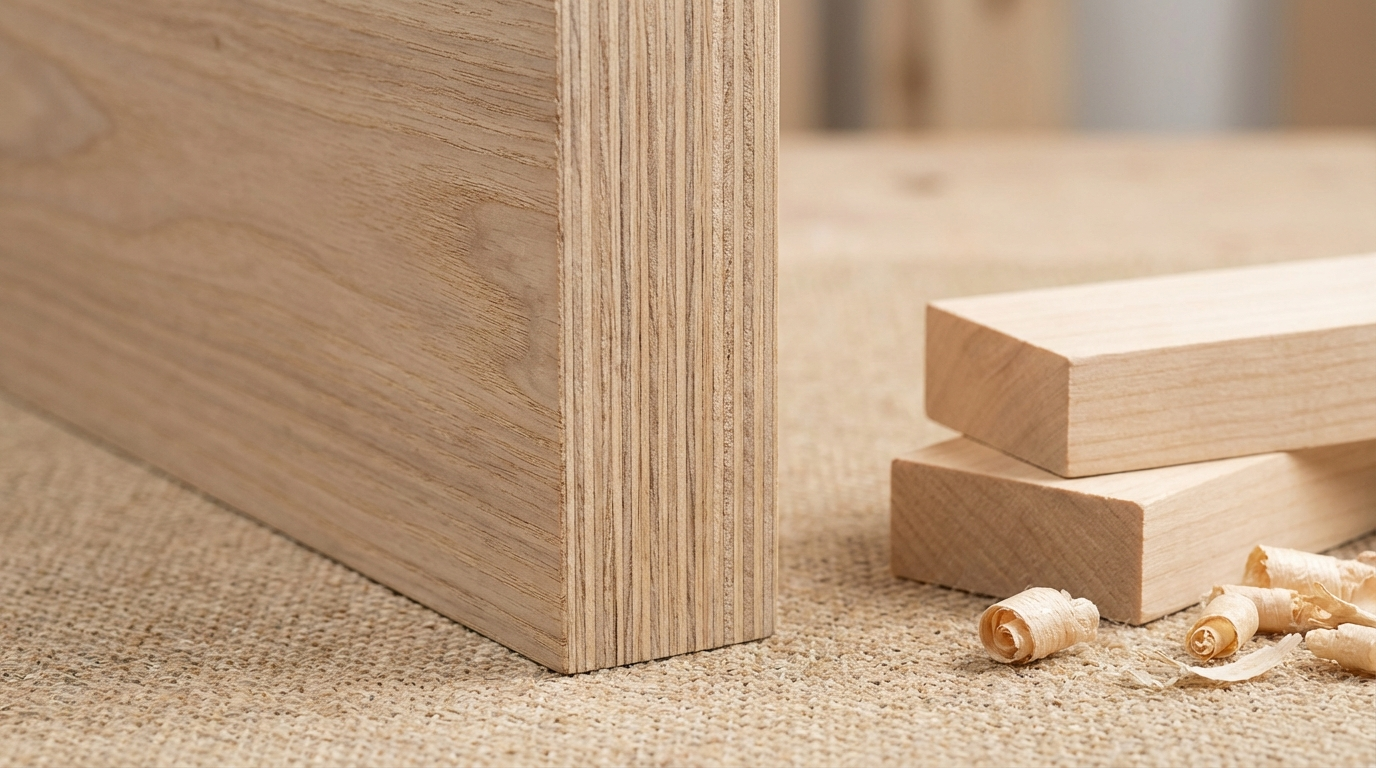
India's plywood industry serves as a cornerstone for construction, furniture, and interior applications, bridging the gap between limited natural timber resources and escalating demand from urbanization. Derived from thin veneers glued under pressure, plywood offers dimensional stability suited to India's variable climates—from humid coastal monsoons to arid interiors. This sector influences decisions for contractors prioritizing shuttering boards, architects specifying moisture-resistant grades for kitchens, and homeowners balancing durability with budgets in modular furniture.
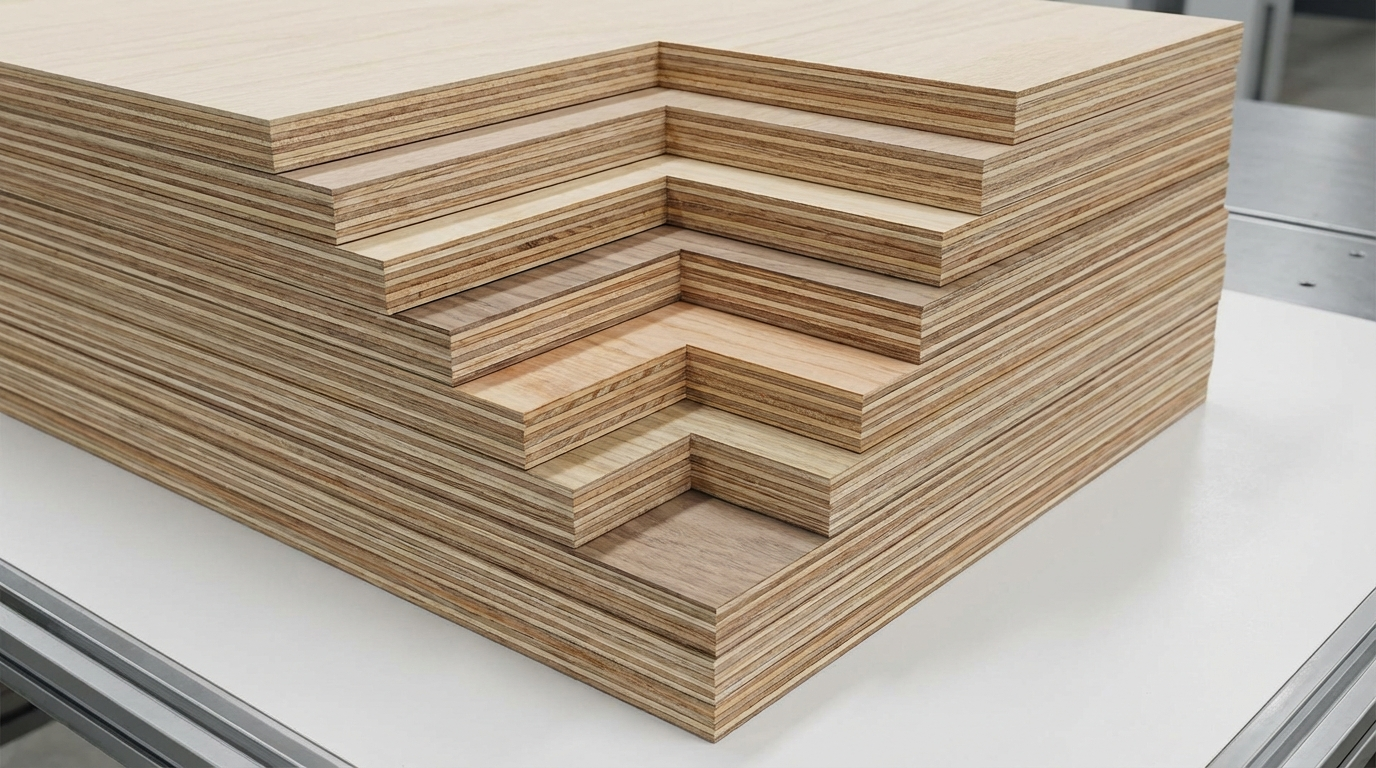
The ecosystem revolves around glue types (MR for interiors, BWR for humid zones, BWP for marine exposure) and core materials like poplar or eucalyptus, sourced amid regulatory curbs on logging. Production logic stems from first principles: layering cross-grained veneers counters wood's natural warping, making plywood 2-3 times stronger than solid timber for load-bearing uses.
Market Scale: Production, Consumption, and Segmentation
Recent fiscal assessments peg the Indian plywood market at around INR 230-265 billion, reflecting steady absorption in a nation building over 10 million housing units annually. Consumption outpaces domestic output due to capacity limits, prompting imports filling roughly 10-15% of needs, primarily from neighbors like Nepal and Vietnam where softer regulations enable cheaper supply.
Segmentation follows end-use logic:
- Commercial/MR Plywood (60-70% share): Dominant for furniture and partitions; lower glue boil resistance suits dry interiors but fails in high-humidity contractor sites.
- BWR Grade (20-25%): Preferred for wardrobes and bathrooms; passes three cycles of 8-hour boiling and 16-hour drying, aligning with Indian rainy seasons.
- BWP/Marine (5-10%): Niche for coastal or submerged applications; highest cost due to phenolic resins.
| Segment | Market Share Estimate | Key Demand Drivers | Regional Preference |
|---|---|---|---|
| Commercial/MR | 60-70% | Furniture, interiors | North & Central India |
| BWR | 20-25% | Wardrobes, kitchens | South & East |
| BWP | 5-10% | Marine, exteriors | Coastal hubs |
Exports remain modest at under USD 80 million yearly, ranking India low globally, as quality perceptions lag behind competitors like Indonesia.
Organized Players vs Unorganized Dominance: A Comparative Analysis
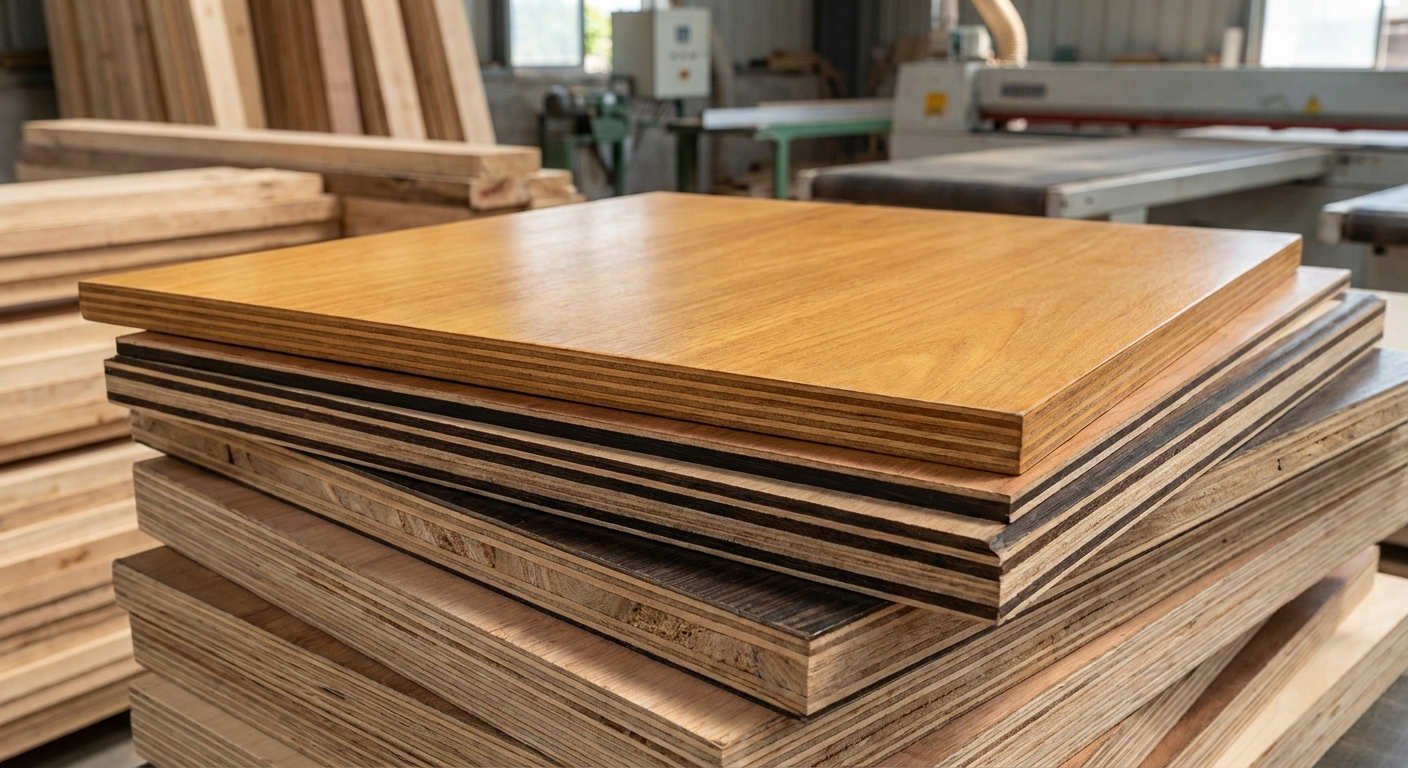
The sector splits into organized firms (25-30% share) emphasizing branded, certified products and unorganized mills (70-75%) thriving on volume in tier-2/3 markets. This duality shapes buyer choices: contractors favor unorganized for 20-30% cost savings on bulk shuttering, while architects opt for organized traceability in premium fits.
| Aspect | Organized Sector (25-30% share) | Unorganized Sector (70-75% share) |
|---|---|---|
| Key Strengths | ISI/BIS certification, consistent quality, R&D for HDHMR hybrids | Low overheads, hyper-local supply, flexible volumes |
| Production Hubs | Andhra Pradesh, Gujarat, pan-India plants | Kerala (softwood), Uttar Pradesh (poplar) |
| Buyer Fit | Urban projects, exports | Rural/low-rise construction |
| Challenges | Higher pricing, scale limits | Quality variability, formal credit access |
Organized leaders like Century Plyboards, Greenply Industries, and Archidply control urban dealer networks with warranties, capturing rising middle-class demand. Unorganized units, often family-run with capacities under 50,000 sheets/month, dominate rural dealer ecosystems where spot pricing trumps specs.
Why Unorganized Retains Edge Despite Shift
Unorganized mills leverage fragmented dealer chains—over 50,000 outlets—offering credit terms absent in branded channels. However, organized share inches up via e-commerce penetration and government pushes for BIS compliance, potentially flipping to 40% by decade-end if enforcement strengthens.
Regional Production Dynamics and Supply Chains
Supply originates from poplar belts in Punjab-Haryana-UP (40-50% output) for lightweight cores, and rubberwood/eucalyptus in Kerala-Tamil Nadu (30-40%) for denser grades. Northeast contributes exotics but faces logistics hurdles. Dealer pricing varies: North sees 10-15% premiums from transport, South benefits from port proximity for imports.
Contractor logic: Northern mills suit fast-turnover projects; southern for moisture grades. Disruptions like monsoon log shortages amplify regional premiums by 15-20%.
Core Growth Drivers Reshaping Demand
Several factors propel expansion:
- Real Estate Surge: PMAY housing and RERA completions boost shuttering/formwork needs by 8-10% yearly.
- Furniture Modularization: Organized retail like IKEA clones demand pre-laminated boards, shifting from solid wood.
- Infrastructure Push: Metro expansions favor durable BWR over alternatives.
- Sustainability Shift: Eucalyptus plantations replace illicit felling, aiding organized compliance.
Urbanization logic: Tier-1 cities consume 2-3x per capita vs rural, driving branded uptake.
Persistent Challenges and Risk Factors
Capacity gaps force import reliance, inflating costs during global price spikes. Raw material volatility—poplar yields fluctuate 20% yearly—hits unorganized hardest. Enforcement of glue emission norms (E1 and E2 classes under IS 303:2024) lags, eroding export potential. Dealer malpractices, like core adulteration, undermine trust, prompting architects to audit sources.
Climate factor: Monsoon failures expose MR-grade limits, favoring BWR premiums.
What Is the Outlook for India's Plywood Industry?
Expect 6-8% growth to INR 260-290 billion by FY2026, outpacing GDP via housing rebound. Organized segment accelerates to 30-35% share as brands expand capacities (e.g., new Karnataka mega-plants). Exports may double if quality certifications align with EU norms.
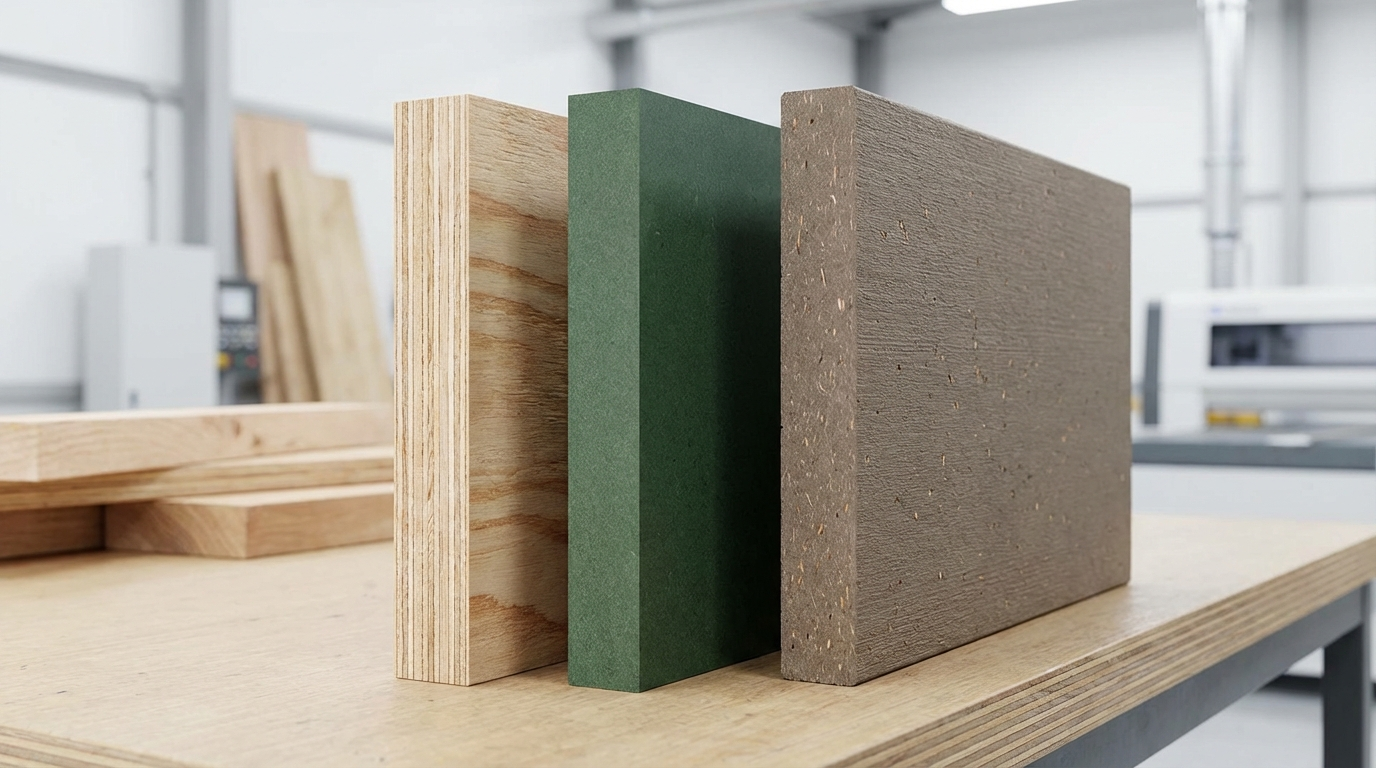
Trend watch: Rise of engineered alternatives like HDHMR erodes 10-15% low-end plywood, but core demand holds. Buyers strategize: Contractors stockpile unorganized pre-monsoon; designers specify organized for warranties.
Decision framework for stakeholders:
- Homeowners: Prioritize BWR from organized for 10-15 year longevity.
- Contractors: Blend segments—unorganized for volume, branded for inspected jobs.
- Dealers: Diversify to capture 20% urban shift.
This trajectory positions plywood as resilient amid wood scarcities, contingent on policy support for sustainable sourcing.
Related guides on PlyPrice
Want Plywood Suggestions?
Share a few details and a PlyPrice specialist will suggest suitable brands and connect you to responsive dealers.