How Timber Imports Affect Plywood Prices in India: Myanmar, Gabon, Malaysia
Imported logs and veneers set a large part of Indian plywood prices because veneers make up 90-95% of a sheet's weight, so supply shocks in Myanmar gurjan, Gabon okoume or Malaysian rubberwood flow through to dealer rates. Buyers can compare cores and time bulk orders to manage swings.
Last updated: . Grades and standards checked against current BIS standards.
How Global Timber Supply Chains Shape Indian Plywood Pricing Dynamics
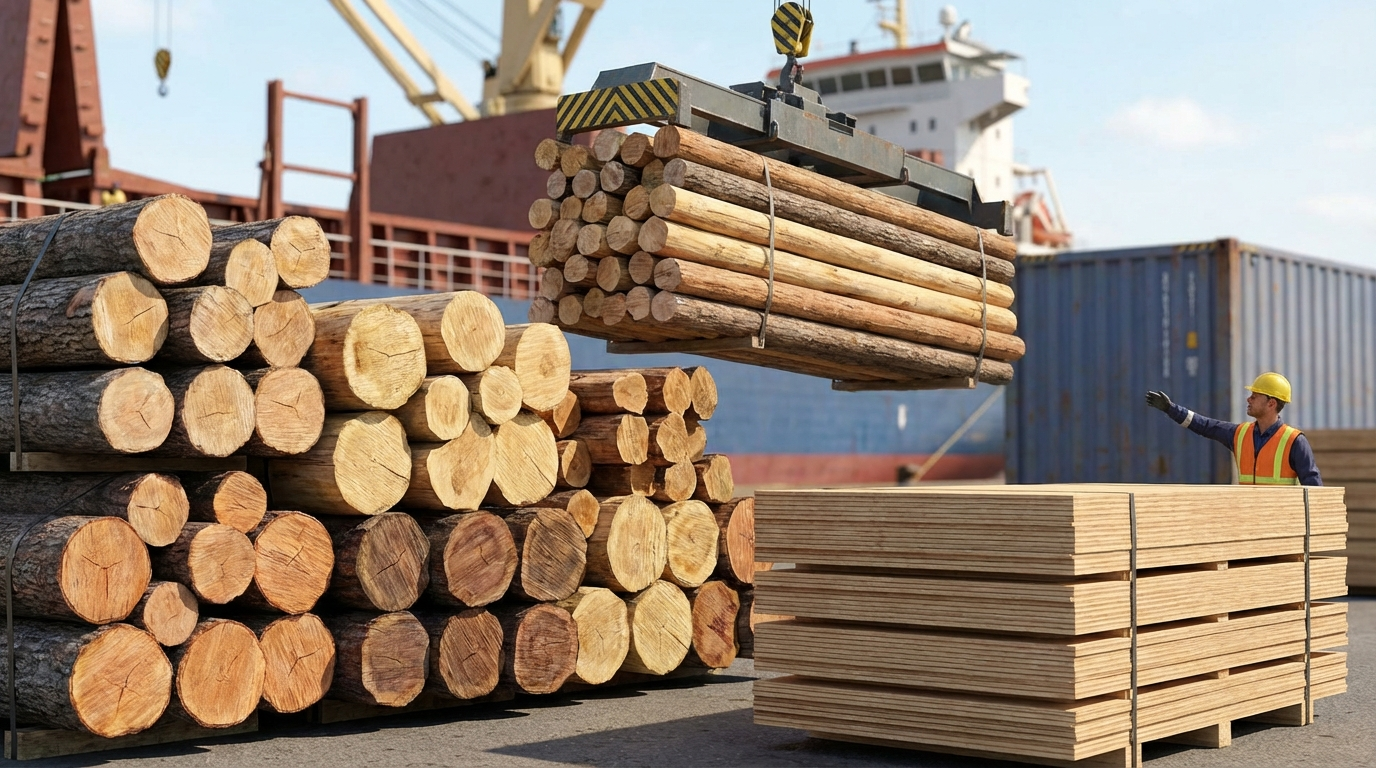
India's plywood sector processes millions of cubic meters of engineered wood annually, serving construction booms in tier-2 cities, modular kitchens, and commercial fit-outs. Yet domestic timber from farm plantations and forests covers only a fraction of needs—roughly 75-80%—leaving the balance to global imports. This reliance creates a direct conduit: fluctuations in overseas log availability ripple through peeling, gluing, and pressing stages to final retail sheets.
Consider the production logic. Plywood starts with hardwood or softwood logs sliced into veneers, which form 90-95% of sheet weight. When supply tightens, mills bid higher for raw material, elevating costs by 40-60% of total production expenses. Freight from ports like Kandla or Tuticorin adds volatility, as monsoon delays or vessel shortages compound issues. For buyers—homeowners budgeting wardrobes or contractors quoting apartment projects—this translates to unpredictable quotes from Yamunanagar or Kerala dealers.
Global factors amplify this. Export bans in supplier nations, currency swings (INR vs USD), and competing demand from China or Vietnam push landed costs upward. In reverse, abundant harvests stabilize rates, allowing mills to hold dealer prices steady for 3-6 months. Import volumes have tended to fall while values climb, which signals pricier logs per cubic meter.
Key Cost Transmission Mechanisms
- Raw Material Share: Logs account for half or more of plywood expenses; a 10% log price hike often leads to 5-8% sheet increases.
- Inventory Hedging: Large mills stockpile 2-4 months' supply, buffering short dips but exposing to prolonged disruptions.
- Grade-Specific Impacts: BWP marine grades, needing tropical hardwoods, feel sharper swings than MR interior plywood using poplar.
Spotlight on Core Suppliers: Myanmar, Gabon, and Malaysia's Role in Plywood Feedstock
These three nations supply distinct species critical for Indian veneers: gurjan from Myanmar for core stability, okoume from Gabon for smooth faces, and rubberwood/acacia from Malaysia for budget grades. Together, they represent a significant slice of India's 2-3 million cubic meter annual log imports, with hardwoods dominating plywood use over softwoods.
Myanmar's Gurjan Dominance and Supply Interruptions
Gurjan (Dipterocarpus spp.), prized for rot resistance in humid Indian climates, flows from Myanmar's coastal ports to Gujarat and Andhra hubs. Pre-2021, it fueled 30-40% of commercial plywood cores. Political instability and export curbs since then slashed volumes by over 50%, forcing mills to blend with pricier alternatives.
Logistics add friction: Overland routes via Moreh-Imphal face border checks, while sea shipments risk delays from Bay of Bengal cyclones. When Myanmar supply tightens, core veneer shortages hike BWR shuttering plywood rates disproportionately, as domestic sal or eucalyptus lacks density.
Gabon's Okoume: Premium Face Veneer Backbone
Africa's Gabon exports okoume (Aucoumea klaineana), ideal for lightweight, paintable faces in MR and BWR grades. Indian mills import peeler logs or pre-sliced veneers, processing them for wardrobes and cabinets. Supply steadied post-2020 logging reforms, but vessel rates from Libreville to Mumbai fluctuate with oil prices.
Gabon's edge lies in consistent quality—low defects suit ISI-compliant production. Disruptions here elevate face costs, pushing premium 18mm BWP sheets higher than core-driven interiors.
Malaysia's Versatile Rubberwood and Acacia Streams
Malaysia bridges hardwood-softwood gaps with rubberwood (Hevea brasiliensis) for furniture plywood and acacia for shuttering. Sarawak and Sabah ports ship kiln-dried logs, minimizing warping in India's monsoons. Steady Malaysian supply helps cushion Myanmar gaps.
However, Malaysia's palm oil boom competes for land, capping expansions. Rising export duties correlate with 5-10% log cost creeps, felt most in South Indian mills near Cochin.
| Country | Key Species | Primary Use in Plywood | Supply Stability | Landed Cost Volatility |
|---|---|---|---|---|
| Myanmar | Gurjan | Cores, shuttering | Low (curbs, politics) | High |
| Gabon | Okoume | Face veneers, MR/BWR | Medium (reforms aiding) | Medium (freight-driven) |
| Malaysia | Rubberwood/Acacia | Multi-grade, furniture | High (diversified) | Low-Medium (duties) |
Analyzing Price Correlations: Import Data Meets Plywood Market Reactions
Empirical patterns link import metrics to plywood rates. When log supply drops, wholesale sheet prices usually follow within a few months, as mills pass on costs amid fixed glue and resin expenses. Rising import values despite falling volumes point to timber inflation.
Imported hardwood, used mainly for face veneers and gurjan cores, affects premium grades most, widening gaps: commercial MR plywood holds steadier than BWP, where tropical reliance bites.
Historical Correlation Snapshots
| Event | Import Volume | Log Cost | Plywood Wholesale Impact | Buyer Effect |
|---|---|---|---|---|
| Myanmar curbs | Sharp fall | Sharp rise | Higher BWR core costs | Contractor margins squeezed |
| Gabon stability | Flat | Small rise (freight) | Small rise on face grades | Designer spec upgrades viable |
| Malaysia duty increase | Lower | Higher | Higher furniture ply prices | Homeowner budgets stretch |
| Overall recent trend | Volumes down, values up | Higher hardwood costs | Modest rise | Dealer promotions rise |
Regional variations emerge: North India (Yamunanagar) tracks Myanmar closely, while South leans Malaysian. Dealers add 20-30% margins, passing importer premiums fully during peaks.
Current Pressures on the Market
Myanmar sanctions and Gabon logging caps signal tighter hardwoods, with Malaysia absorbing some shift. Plywood prices trended 8% higher YTD, driven by raw costs amid steady housing demand. Alternatives like Vietnam or Nepal plywood imports (up sharply in value) offer buffers but introduce quality risks for ISI norms.
Buyer Decision Framework: Navigating Volatility
Contractors prioritize volume buys during dips; architects spec resilient grades; homeowners eye dealer deals. Key tactics:
- Timing Purchases: Lock rates post-harvest seasons (Q4 for tropics).
- Diversify Sources: Blend imported-core with poplar-face sheets for cost balance.
- Monitor Ports: Track Kandla arrivals for early signals.
| Buyer Type | High Import Cost Scenario | Stable Supply Scenario |
|---|---|---|
| Homeowner (Interiors) | Opt poplar MR; defer non-essentials | Upgrade to BWR for longevity |
| Contractor (Shuttering) | Stockpile BWP; negotiate bulk | Switch reusable HDHMR alternatives |
| Architect/Designer | Spec certified imports; value-engineer | Incorporate veneered MDF for faces |
Future Trajectories: Beyond Imports Toward Balanced Supply
India's push for farm forestry and agroforestry aims to lift domestic share to 85% by 2030, easing import dependence. Short-term, diversified sourcing from New Zealand softwoods or African alternatives will moderate swings. For now, global timber remains the plywood price pacemaker—watch supplier quotas closely for 2026 bids.
Dealers in Punjab or Tamil Nadu already quote premiums reflecting this; informed buyers hedge by multi-sourcing, ensuring projects stay on budget amid tropical supply whims.
Related guides on PlyPrice
Want Plywood Suggestions?
Share a few details and a PlyPrice specialist will suggest suitable brands and connect you to responsive dealers.