GST on Plywood in India: 18% Rate, Input Tax Credit and Price Impact
GST on plywood in India is 18% for MR, BWR and BWP grades alike, and the GST 2.0 rate changes of September 2025 left it unchanged. Manufacturers and dealers can offset input tax credit, but most home buyers cannot, so the full 18% shows up in what they pay.
Last updated: . Grades and standards checked against current BIS standards.
What Every Buyer Needs to Know About GST on Plywood
In India's fragmented construction materials market, plywood serves as a foundational element for furniture, interiors, and shuttering. Since the rollout of Goods and Services Tax (GST) in 2017, the taxation landscape for plywood has shifted from a patchwork of state VAT rates (typically 5-15%) plus central excise (around 12.5%) to a unified structure. This change aimed to streamline compliance but introduced new dynamics in costing, especially for moisture-resistant grades like MR, BWR, and BWP used in humid coastal regions or high-moisture interiors.
From a buyer's perspective—whether a homeowner planning wardrobes in Mumbai's monsoon climate or a contractor bidding on Delhi projects—grasping GST's mechanics helps decode why dealer quotes vary and how input efficiencies trickle down (or don't) to retail shelves.
Current GST Tax Slabs for Plywood and Related Products
Plywood falls uniformly under the 18% GST slab (unchanged by the September 2025 GST rate changes), classified primarily under HSN Chapter 44 (Wood and Articles of Wood). This rate applies across commercial varieties without distinction for grades like MR (moisture-resistant for dry interiors), BWR (boiling water-resistant for semi-wet areas), or BWP (boiling water-proof marine grade for coastal or submerged applications). The uniformity simplifies invoicing but overlooks material differences in raw inputs and processing intensity.
| Product Category | HSN Code | GST Rate | Key Notes |
|---|---|---|---|
| Plywood (all grades: MR, BWR, BWP) | 4412 | 18% | Includes veneered panels and similar laminated wood; no slab differentiation by grade. |
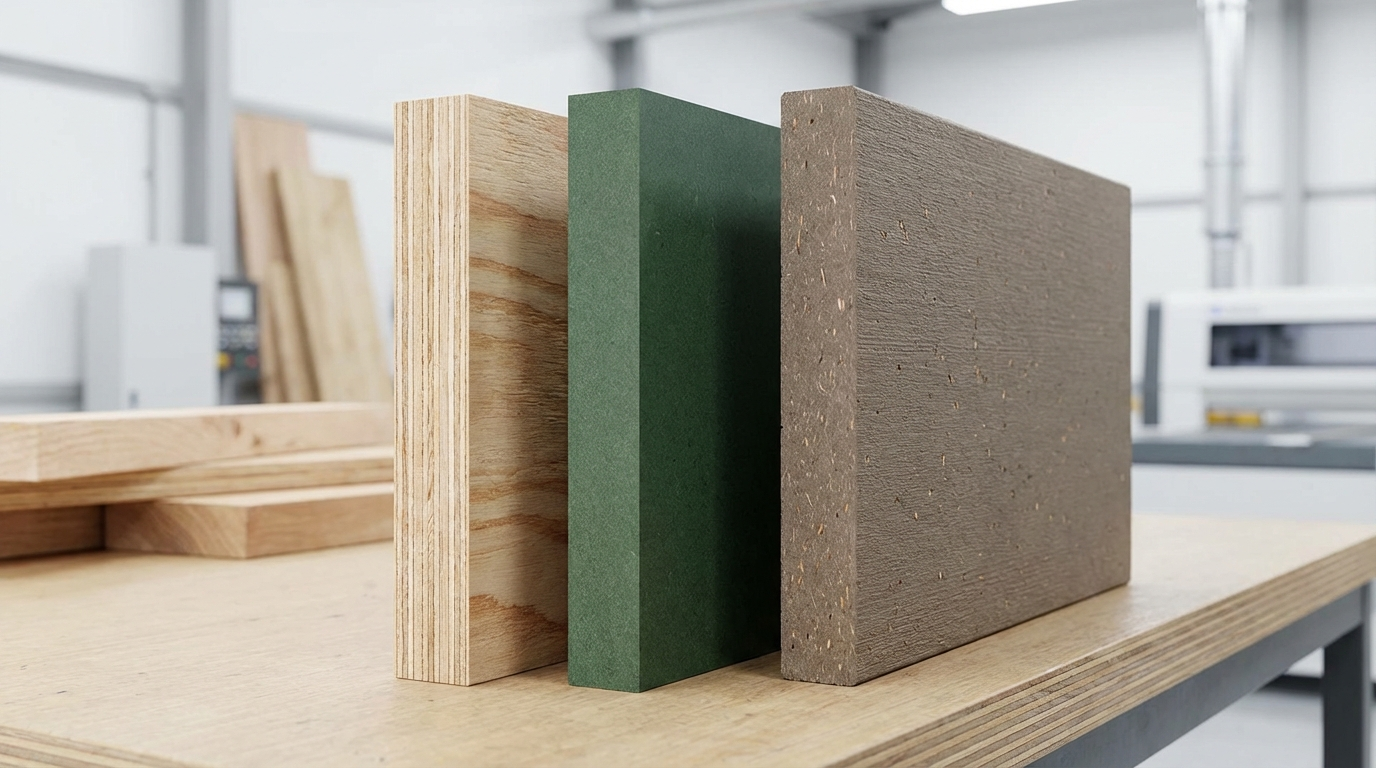
| Particleboard/MDF/HDHMR | 4410 | 18% | Often used as plywood alternatives; same slab despite lower density. |
| Blockboard/Shuttering Plywood | 4412/4418 | 18% | Applies to doors, frames; recent input reductions aid cost pass-through. |
| Raw Timber Inputs (e.g., softwood logs) | 4401-4407 | 5-12% | Lower slabs on unprocessed wood; ITC-eligible for manufacturers. |
Recent GST Council decisions (September 2025) maintained the 18% output slab for plywood while trimming rates on select inputs from 12% to 5%, such as certain resins and adhesives. This doesn't alter the headline rate but eases upstream pressures in plywood hubs like Yamunanagar (Haryana) or Kerala.
Why No Separate Slabs for Waterproof Grades?
Decision logic stems from HSN classification prioritizing end-product form over performance specs. BWP plywood, demanding phenolic resins and tropical hardwoods, incurs higher production costs regardless—GST doesn't adjust for this. Contractors sourcing for marine projects thus face the same tax percentage as interior designers buying MR for cabinets, shifting emphasis to pre-tax negotiations with dealers.
Input Tax Credit (ITC): How It Shields Plywood Manufacturers
ITC represents GST's core efficiency mechanism, allowing registered businesses to offset taxes paid on purchases against output liability. For plywood makers, who juggle high-volume inputs like poplar/eucalyptus veneers, urea-formaldehyde glues, and energy, ITC prevents tax cascading—a pre-GST pain point where excise on inputs compounded VAT.
Mechanics of ITC in Plywood Production
- Eligible Inputs: Raw wood (5%), synthetic resins (18%), machinery maintenance (18%). Full credit if used for taxable supplies.
- Credit Flow: A manufacturer paying ₹10 lakh GST on inputs claims it against ₹18 lakh output GST on sales, netting ₹8 lakh remittance.
- September 2025 GST Changes: Input slab cuts (e.g., 12% to 5% on binders) boost available credit, potentially freeing 7% more cash per cycle for clusters in Punjab or Andhra Pradesh.
Consider a mid-sized factory producing 10,000 sheets monthly: Pre-ITC adjustment, input taxes might exceed 15% of costs; post-credit, effective rate drops below 10%, assuming 90% utilization. However, unregistered small mills (common in rural belts) forfeit this, widening the gap between organized players and unorganized ones.
| Supply Chain Stage | Typical Input Taxes | ITC Benefit | Net Impact |
|---|---|---|---|
| Manufacturer | ₹5-12% on wood/resins | Full offset on 18% output | Effective tax ~6-10%; margins improve |
| Dealer/Wholesaler | 18% on plywood purchase | Claimable if reselling | Passed to next if compliant |
| Contractor (Registered) | 18% on dealer invoice | Offset in project billing | Neutral if GST-registered |
Challenges for Manufacturers Claiming ITC
Conditions include timely invoice matching via GSTR-2B and no blocked credits on exempt goods. In plywood's informal ecosystem—where 40-50% production is unorganized per industry estimates—ITC leakage occurs via cash deals, inflating street prices in tier-2 cities like Indore or Bhubaneswar.
GST's Ripple Effects Across the Plywood Supply Chain
Beyond slabs and credits, GST reshapes logistics and compliance. Unified taxation cut inter-state barriers, benefiting plywood's pan-India flow from northern mills to southern markets. Dealers now invoice seamlessly, but e-way bills for loads over ₹50,000 add paperwork—critical for bulk contractor hauls.
Margins tell the story: Manufacturers pass ~70-80% of input savings downstream, per observed trends. Wholesalers absorb 2-4% for compliance costs, while retailers in competitive hubs like Hyderabad quote inclusive rates to lure homeowners.
Regional Variations in Dealer Pricing Logic
In high-GST-compliant states like Gujarat, cleaner ITC chains yield 5-10% lower quotes vs. evasion-prone areas. Coastal Kerala dealers factor monsoon-driven BWP demand, bundling GST into "all-inclusive" rates; northern contractors negotiate ex-works to claim ITC themselves.
Impact on Final Consumer Prices: What Homeowners and Contractors Pay
End prices reflect GST's net effect: Initial 2017 hikes (from ~14% effective pre-GST to 18%) stabilized by 2020 via ITC efficiencies. In 2026, GST held at 18% while resin chemical costs rose sharply in March and April; CenturyPly raised plywood prices by about 7% and Greenply by about 4-5%.
Consumer Scenarios and Price Drivers
Homeowners: For a 8x4 ft MR sheet in dry interiors, inclusive quotes range wider in metros due to transport; check for ITC-proof invoices if reselling fixtures.
Contractors: Bulk BWR for kitchens—register for ITC to neutralize 18%; unregistered pay full, eroding 10-15% bid margins.
Interior Designers: Modular projects favor HDHMR over plywood; same slab, but lighter weight cuts logistics-embedded taxes.
| Buyer Type | GST Incidence | Price Sensitivity Factors | Trend |
|---|---|---|---|
| Homeowner (Unregistered) | Bears full 18% | Retail markup + local demand | Stable; input cuts offset inflation |
| Contractor (Registered) | Net zero via ITC | Volume discounts, e-way compliance | 1-3% down; better negotiations |
| Dealer | Pass-through | Inventory holding, regional freight | Margins squeezed; competitive pricing |
Why variations persist: Freight (5-10% of costs in distant markets), unclaimed ITC in cash trades, and ISI compliance premiums. Always demand GST bills—evasion saves short-term but risks quality substandards.
Strategic Buying Advice Amid GST Dynamics
Opt for organized suppliers with transparent invoicing; verify HSN 4412 on bills. Contractors: Time purchases post-GST filings for max credit. Homeowners: Compare inclusive vs exclusive quotes, factoring regional humidity needs (BWP in Goa > MR in Rajasthan).
Monitor council updates—calls for 5% slab on eco-panels gain traction, potentially reshaping 2026 costs.
Frequently Asked Questions on GST and Plywood
Is GST on BWP plywood different from MR?
No, both at 18%; classification ignores grade specifics.
Can end-consumers claim ITC on plywood buys?
Only if GST-registered; homeowners typically cannot.
How has GST changed plywood prices since 2017?
Unified but stabilized; effective burden lower for chains via ITC, holding retail steady amid input volatility.
Are there exemptions for shuttering plywood?
None; full 18%, though works contracts may blend rates.
What if plywood is imported?
18% IGST + customs; importers claim ITC if registered.
Related guides on PlyPrice
Want Plywood Suggestions?
Share a few details and a PlyPrice specialist will suggest suitable brands and connect you to responsive dealers.