Flush Door vs Plywood Door: Which Is Better for Bedrooms and Bathrooms?
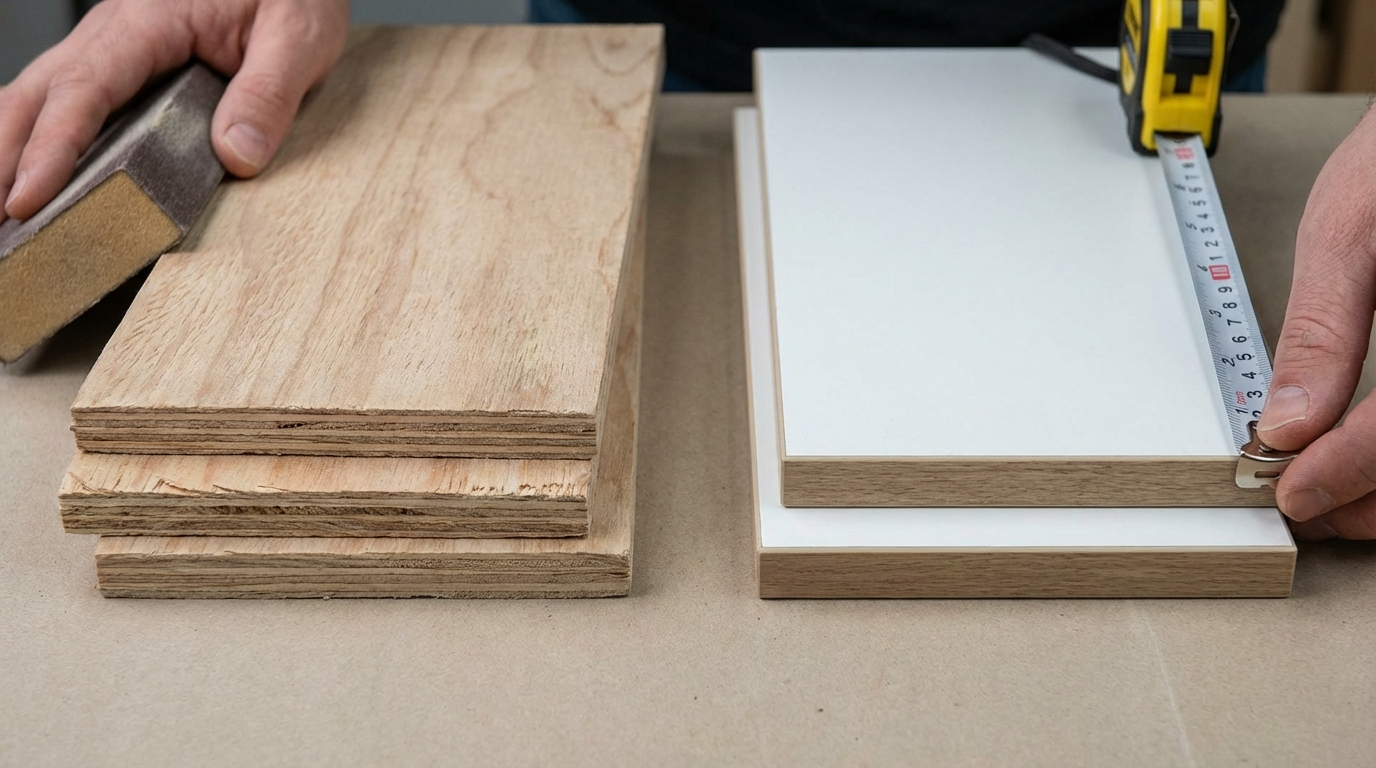
Flush doors have a smooth, flat face over a core, while plywood doors are built from layered wood sheets; for Indian bathrooms the choice turns on water resistance, and for bedrooms on finish, weight and cost.
Flush Door vs Plywood Door: Which is Better for Bedrooms and Bathrooms?
In Indian homes, selecting doors for bedrooms and bathrooms involves balancing everyday practicalities like humidity from monsoons, daily wear from family use, and budget constraints shaped by local dealers. Flush doors, with their smooth flat surfaces, and plywood doors, built from layered wood sheets, serve these spaces differently. This comparison evaluates weight, aesthetics, cost, and water resistance head-on, drawing from construction realities across regions like Mumbai's coastal dampness or Delhi's dry heat fluctuations. Homeowners prioritize longevity and looks, while contractors weigh installation speed and material handling—both perspectives guide the choice here.
Core Materials and Construction Differences
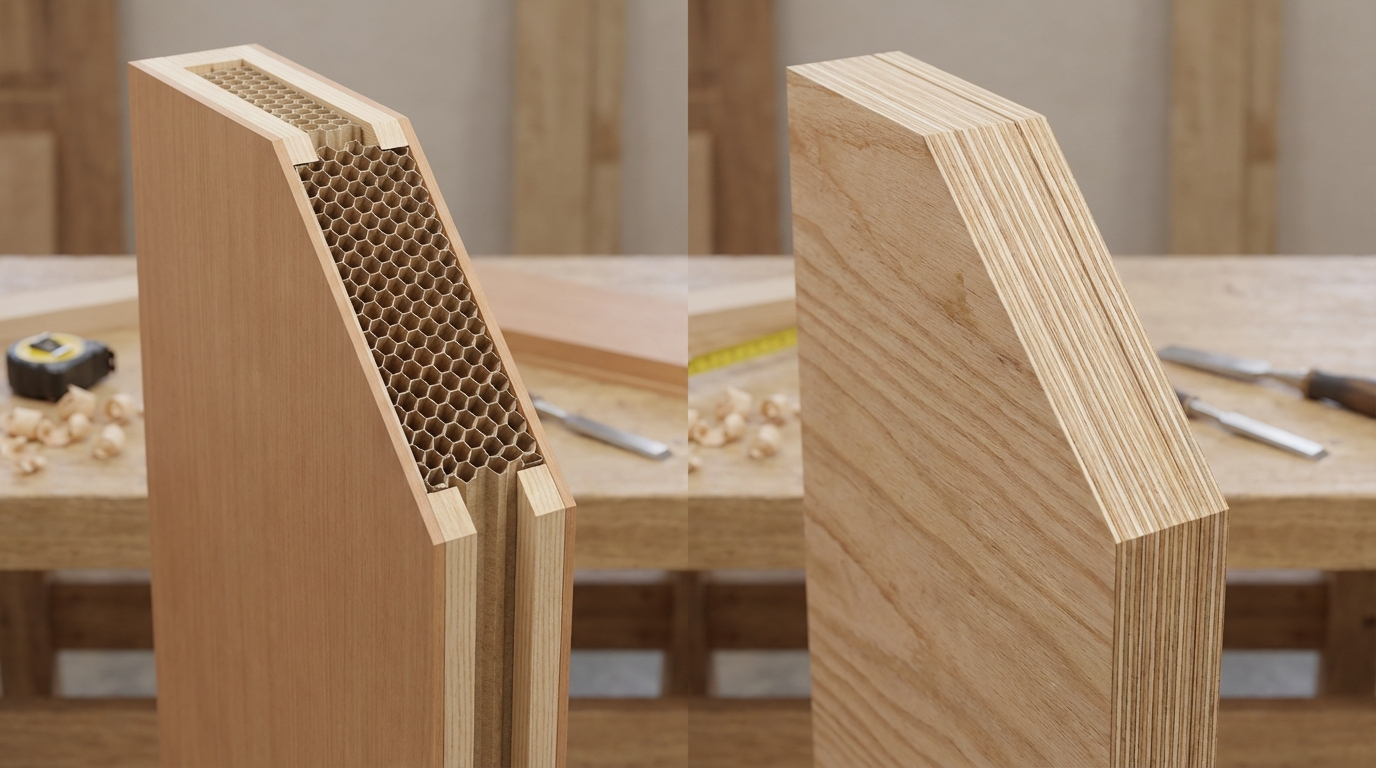
Flush doors start with an engineered core—often high-density fiberboard (HDF), particleboard, or sometimes a mix with softwood frames—covered by thin laminate, veneer, or membrane skins. Indian manufacturers adhere loosely to IS 2202 standards for these, focusing on factory assembly for uniformity. Plywood doors, conversely, assemble full plywood panels (IS 3039 or IS 710 grades) into frames, sometimes with hardwood edges, resulting in a more rigid structure.
This foundational difference affects performance: flush doors prioritize lightness and affordability through pressed composites, while plywood relies on cross-laminated veneers for inherent strength. In humid Indian climates, the core choice dictates swelling risks—particleboard cores in cheaper flush doors absorb moisture faster than plywood's denser glue lines.
Weight: Handling and Structural Implications
Weight influences everything from transport costs at plywood dealers to ease of hanging on standard hinges during renovations. A typical interior flush door (2150mm x 900mm x 35mm) weighs 20-30 kg, thanks to lightweight cores like HDF. Plywood doors in the same size range 35-50 kg, stemming from solid wood density.
For bedrooms, lighter flush doors mean simpler DIY adjustments or contractor swaps without straining walls. In multi-story apartments common in Bengaluru or Pune, reduced weight eases elevator logistics. Bathrooms benefit less from lightness—plywood's heft provides better resistance to warping under steam, though it demands sturdier frames.
| Factor | Flush Door | Plywood Door | India-Specific Note |
|---|---|---|---|
| Average Weight (35mm thick, standard size) | 20-30 kg | 35-50 kg | Lighter flush suits urban lifts; heavier plywood needs two-person handling |
| Installation Ease | High (single worker) | Medium (bracing required) | Contractors favor flush for 20-30% faster fits |
| Door Frame Stress | Low | Medium-High | Critical in RCC structures with thin walls |
Aesthetics: Finish, Customization, and Long-Term Appeal
Aesthetics drive bedroom door choices, where visual harmony with modular furniture matters. Flush doors excel in modern minimalist designs—pre-laminated surfaces mimic wood grains or solids without painting hassles. Options range from PVC membranes for glossy bathroom looks to PU-finished veneers for subtle textures.
Plywood doors offer natural wood aesthetics via teak or sheesham veneers, appealing to traditional Indian interiors in Kerala villas or Rajasthan havelis. However, they demand skilled polishing to avoid glue bleed in humid areas, and plain plywood faces show dents more readily.
Over 5-10 years, flush laminates chip at edges from daily knocks, while plywood veneers hold grain patterns better if oiled periodically. For bathrooms, flush doors' sealed skins resist mildew stains; plywood needs extra waterproofing layers.
Cost Breakdown: Initial Outlay vs Lifecycle Value
Pricing in India varies by region—coastal dealers charge 10-20% more for moisture grades—driven by raw material sourcing (Eucalyptus for plywood vs imported resins for flush cores) and labor. Entry-level flush doors start lower due to mass production, while plywood scales with grade (MR vs BWP).
Expect flush doors to cost relatively 30-50% less upfront for standard interiors. Plywood doors command premiums for density but depreciate slower in high-use areas. Factor in maintenance: flush replacements every 7-10 years vs plywood's 15+ with care.
| Cost Driver | Flush Door Range | Plywood Door Range | Key Variables |
|---|---|---|---|
| Basic Interior Grade | Lower tier | Mid-tier | Dealer margins higher in Tier-2 cities |
| Moisture-Resistant Grade | Mid-tier | Higher tier | BWP plywood adds 40-60% for marine use |
| Installation + Finishing | Lower (plug-and-play) | Higher (custom framing) | Monsoon-season labor surges 15-25% |
| 10-Year Ownership | Higher due to replacements | Lower if maintained | Homeowners recoup via resale value |
Contractors often push flush for margins on volume, but architects specify plywood for premium projects where buyers value substantiated durability claims.
Water Resistance: Critical for Indian Bathrooms and Monsoon Exposure
Bathrooms expose doors to steam, splashes, and 80-90% humidity spikes during monsoons. Flush doors with HDF or phenolic resin cores (BWR-equivalent) handle intermittent wetting better than basic particleboard, but prolonged exposure delaminates skins.
Plywood doors shine with BWP (boiling water proof) grades using phenolic resins—ideal for coastal Tamil Nadu homes. MR-grade plywood suits bedrooms but swells 10-15% in bathroom tests per ISI simulations. First-principles: plywood's layered glue bonds resist delamination via orthogonal grain strength, unlike flush cores' uniform fibers that wick moisture evenly.
Real-world test: A Kerala bathroom door sees 2-3 years of flush viability vs plywood's 8-12, assuming ventilation. Add silicone seals for either, but plywood forgives poor sealing more.
Durability and Performance Metrics
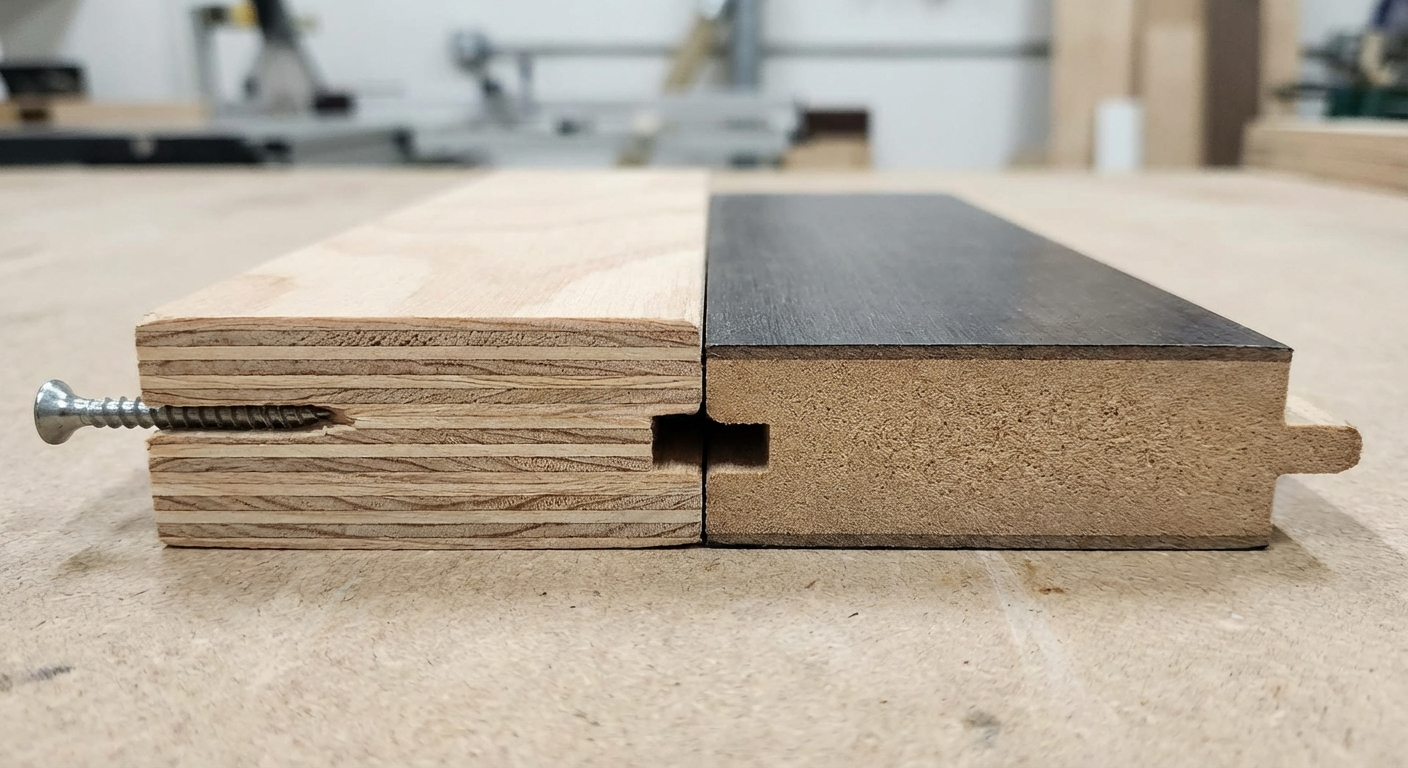
Beyond water, durability covers impact, termite resistance, and sound insulation. Plywood doors score higher on screw-holding (up to 2x flush) for repeated hinge adjustments, vital in rented apartments. Flush doors dent easier from toy impacts in kids' bedrooms.
Soundproofing favors plywood's density—reducing neighbor noise by 25-30 dB vs flush's 18-22 dB. Termites target both, but boron-treated plywood edges out untreated flush cores. Fire ratings are comparable (IS 3614), but neither excels without additives.
- Bedroom Durability: Plywood for heavy use; flush for light traffic.
- Bathroom Durability: BWP plywood dominates; sealed flush as budget alternative.
Suitability for Bedrooms: Comfort and Everyday Use
Bedrooms demand quiet, lightweight doors that blend with wardrobes. Flush doors fit modular aesthetics seamlessly, with magnetic catches aligning perfectly. Their lower swing inertia suits small spaces in 2BHK flats.
Plywood adds premium feel and better privacy, muffling AC hums or street noise in urban high-rises. Homeowners upgrading from builder-grade flush often switch to plywood for resale appeal, as veneer warmth signals quality to buyers.
Suitability for Bathrooms: Humidity and Hygiene Focus
Bathroom logic flips: water resistance trumps weight. Flush doors with PVC wraps clean easily, resisting soap scum, but cores bloat behind skins after leaks. Plywood with epoxy paints or laminates withstands direct hosing, crucial in Indian joint-family homes with high occupancy.
Ventilation gaps matter—plywood warps less around them. Architects recommend plywood for attached baths in humid belts like Hyderabad, reserving flush for powder rooms.
Installation Considerations in Indian Builds
Flush doors slot into standard 75mm frames with minimal planing. Plywood requires precise rebates and hardwood stops, extending install by 1-2 hours per door. In contractor-led projects, flush speeds timelines by 15-20%, cutting labor bills.
Maintenance diverges: wipe flush laminates; oil plywood yearly against termites. Regional masons in Gujarat prefer flush for paint compatibility, while South Indian carpenters favor plywood craftsmanship.
Environmental and Health Angles
Both use urea-formaldehyde glues emitting VOCs initially—opt for E1-grade certified options. Plywood from sustainable Eucalyptus plantations edges flush in recyclability, though particle cores repurpose waste wood. In formaldehyde-sensitive homes, low-emission laminates on flush balance this.
Decision Framework: Which to Choose?
No universal winner—context rules. Use this matrix for your scenario:
| Scenario | Recommended Choice | Reasoning |
|---|---|---|
| Budget bedroom refresh | Flush Door | Cost, ease, modern look |
| High-humidity bathroom | Plywood (BWP) | Superior water resistance |
| Contractor flip project | Flush Door | Speed, low weight |
| Premium long-term home | Plywood Door | Durability, aesthetics |
Inspect dealer samples: tap for solidity, check edge seals. Consult local architects for hybrid frames blending both strengths. In India's diverse climates, test moisture grades via pour tests before bulk buys.
Common Buyer Pitfalls and Pro Tips
Avoid undersized flush for wide openings—they bow. Don't skimp on plywood grades for baths—MR fails fast. Dealers inflate "waterproof" claims; verify BIS marks. For mixed use, pair flush bedrooms with plywood baths.
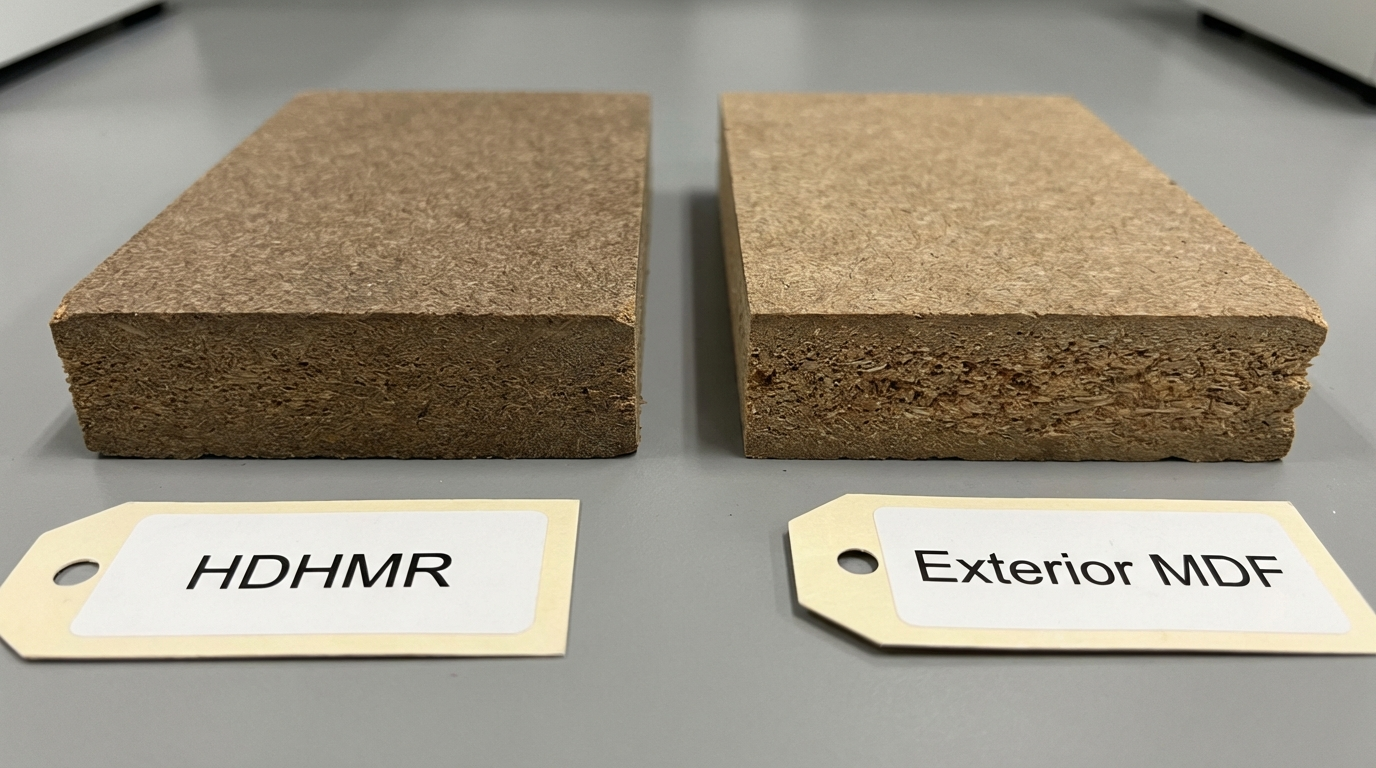
Trend: HDHMR flush hybrids gaining traction for mid-range durability, bridging gaps at 20% plywood premium.
Flush Door or Plywood Door: Which Should You Buy?
Bedrooms lean flush for practicality; bathrooms demand plywood resilience. Total project math—weight savings vs longevity—tips scales per budget and exposure. Engage neutral inspectors pre-purchase; India's dealer ecosystem rewards informed buyers with better negotiations and fewer regrets.
Related guides on PlyPrice
Want Plywood Suggestions?
Share a few details and a PlyPrice specialist will suggest suitable brands and connect you to responsive dealers.