Shuttering Plywood Price in India: Rates by Thickness, Grade and Reuse
Shuttering plywood is formwork ply used to cast concrete slabs, beams and columns, and most 8x4 ft sheets cost about ₹1,200-2,200 depending on thickness and grade. A good sheet lasts 10-25 reuse cycles, which drives the real cost per pour.
Last updated: . Grades and standards checked against current BIS standards.
What Defines Shuttering Plywood and Its Pricing Dynamics
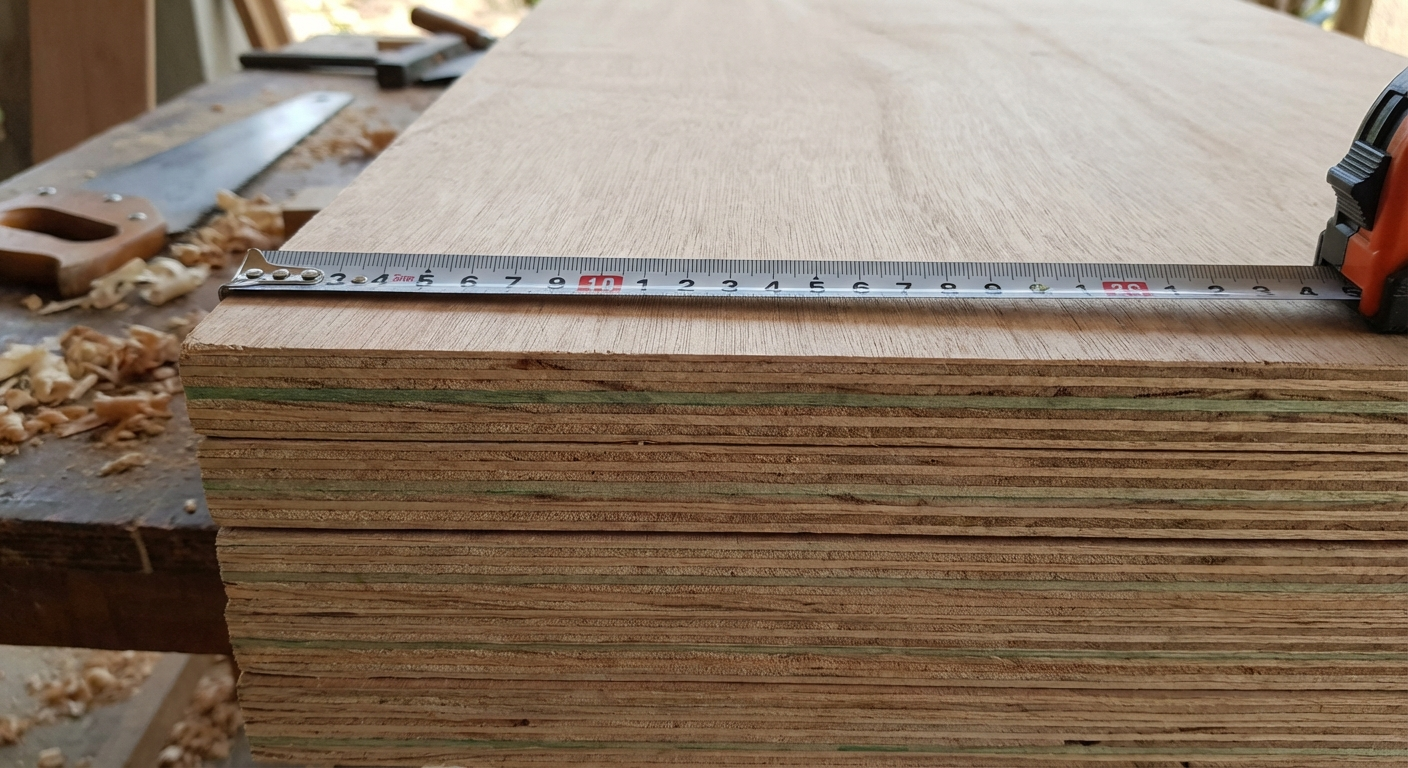
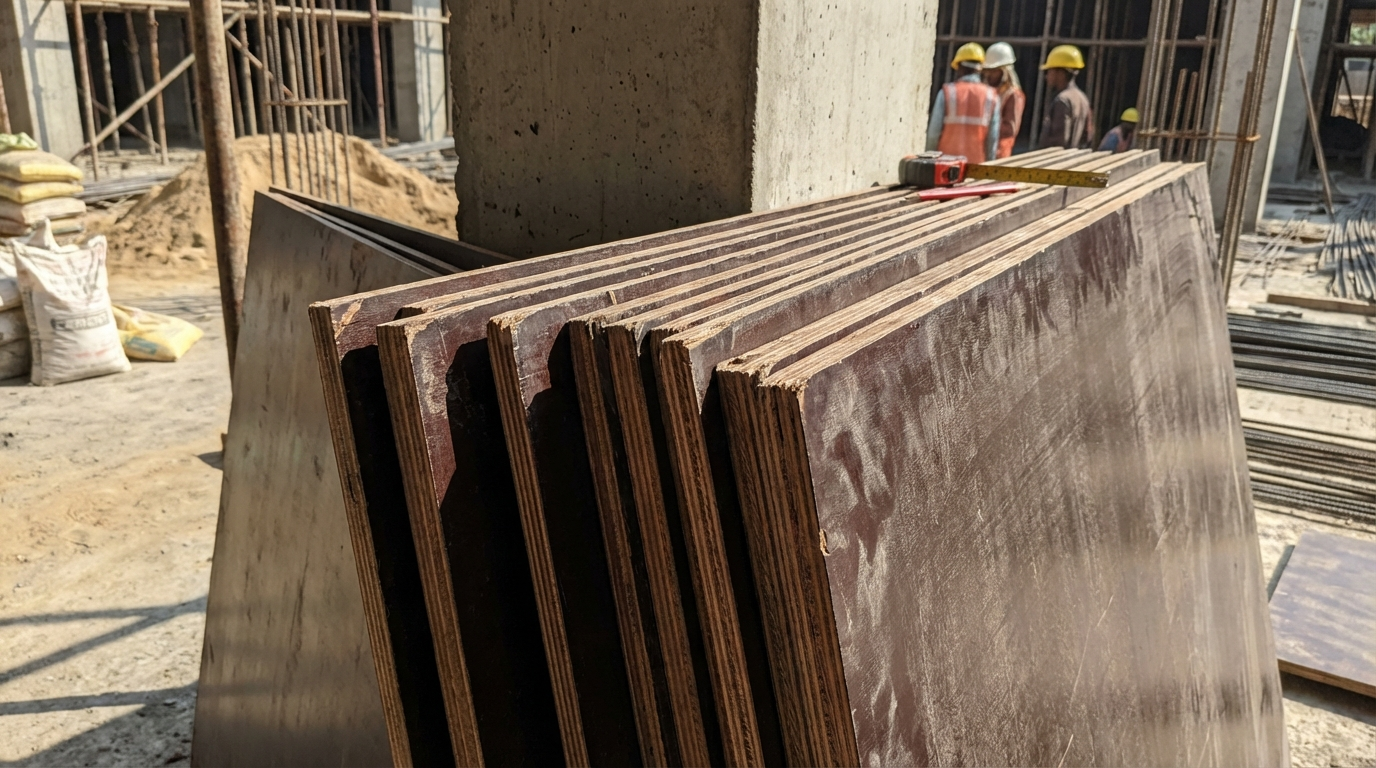
Shuttering plywood, also known as formwork plywood, serves as a critical component in concrete casting for construction projects across India. Unlike interior-grade panels, it endures repeated wetting, pressure from wet concrete, and mechanical stresses during slab, beam, and column forming. Buyers—primarily contractors and builders—prioritize durability for 10-25 reuse cycles, which directly ties into per-sheet economics over project lifecycles.
Pricing stems from core materials: hardwood cores (poplar or eucalyptus veneers) bonded with phenolic or urea-formaldehyde resins. In India's decentralized manufacturing hubs like Punjab, Uttar Pradesh, and Gujarat, costs fluctuate with timber harvests, resin imports, and labor in unorganized mills. A 18mm sheet might range from Rs. 1,200 to Rs. 2,200 depending on glue type and surface treatment, but per-square-foot metrics (typically Rs. 45-90) better reflect buying decisions amid varying sheet sizes (8x4 ft standard).
Core Cost Drivers Behind Shuttering Plywood Prices
Understanding price variations requires dissecting supply chain realities. Timber is the largest single cost, and seasonal shortages in North India during the monsoon push prices up. Glue grades dictate moisture resistance: boiling water resistant (BWR) suits moderate exposure, while boiling water proof (BWP) handles immersion, adding 20-30% premium.
ISI certification (IS:303 or IS:710) signals compliance but doesn't guarantee field performance—many substandard sheets flood Tier-2 markets. Thickness impacts load-bearing: 12mm for lightweight partitions, 15-18mm for heavy pours. Additional factors include:
- Face finish: Phenol-impregnated films (film-faced) resist concrete adhesion, justifying 10-15% uplift.
- Core quality: Full hardwood vs mixed softwood; voids reduce reuse, inflating effective costs.
- Transport logistics: From northern mills to southern sites, freight doubles landed costs in Kerala or Tamil Nadu.
Market cycles amplify this: Infra pushes (e.g., highways, metro expansions) spike demand 20-30% quarterly, while post-monsoon slumps offer 10% dips.
Latest Price Ranges by Thickness and Grade
As of recent market scans, shuttering plywood prices cluster around these indicative ranges (per 8x4 ft sheet, ex-factory North India basis). Actual quotes vary by negotiation, volume, and testing reports. Use these as benchmarks for dealer bids.
| Thickness | MR Grade (Interior/Short Use) | BWR Grade (Moderate Exposure) | BWP Grade (Heavy Duty) | Film-Faced BWP (Premium) |
|---|---|---|---|---|
| 12mm | Rs. 850-1,100 | Rs. 950-1,250 | Rs. 1,100-1,400 | Rs. 1,300-1,600 |
| 15mm | Rs. 1,000-1,300 | Rs. 1,150-1,500 | Rs. 1,350-1,750 | Rs. 1,550-1,950 |
| 18mm | Rs. 1,200-1,550 | Rs. 1,400-1,800 | Rs. 1,650-2,150 | Rs. 1,850-2,400 |
| 21mm | Rs. 1,450-1,850 | Rs. 1,650-2,100 | Rs> 1,950-2,500 | Rs. 2,200-2,800 |
Note: Prices exclude GST (18%), transport, and loading. Per sq ft: Multiply by 0.0267 (for 8x4 sheet). Southern dealers add Rs. 200-400/sheet for logistics.
Trend observation: BWP grades hold steady premiums due to PF resin costs, while MR dips during off-seasons. Track plywood association portals or apps for weekly dealer quotes.
Regional Price Variations: North vs South vs East India
India's plywood ecosystem fragments prices geographically. Northern belts (Punjab-Haryana-UP) dominate 60% production, offering 10-15% lower base rates due to proximity to poplar farms. A Delhi contractor pays Rs. 1,600 for 18mm BWP vs Rs. 1,900 in Mumbai, factoring freight.
Southern markets (Kerala-TN-KA) import northern stock or local eucalyptus variants, inflating by 20-25% amid port duties and humidity-driven quality premiums. Eastern regions (West Bengal-Bihar) see volatility from flood-disrupted supplies, often 15% above national averages.
| Region | 18mm BWR Baseline | Key Influences | Dealer Margin |
|---|---|---|---|
| North (Delhi, Ludhiana) | Rs. 1,400-1,700 | Mill proximity, high volume | 8-12% |
| West (Mumbai, Ahmedabad) | Rs. 1,550-1,900 | Urban demand, import resins | 10-15% |
| South (Chennai, Bangalore) | Rs. 1,650-2,050 | Transport, local teak mixes | 12-18% |
| East (Kolkata, Patna) | Rs. 1,500-1,950 | Monsoon risks, scattered mills | 10-16% |
Contractors optimize by bulk-sourcing from source states, negotiating 5-10% off via transport pooling.
Grade Breakdown: Selecting MR, BWR, or BWP for Shuttering
Grades reflect glue and cycle life, not just labels. MR (moisture resistant) suits dry climates or single-use formwork like temporary partitions—cheapest but delaminates post-wetting. BWR handles 5-10 cycles in semi-covered sites, balancing cost for mid-tier builders.
BWP, with cross-linked PF glues, dominates high-rises for 15+ cycles, resisting boil tests per IS norms. Film-faced variants add grooves or logos for easy stripping. Decision logic: Project scale dictates—small RCC works favor BWR (20% savings), metros demand BWP (reduces total formwork costs 30% via reuse).
Common pitfall: Unmarked "shuttering grade" sheets often MR with film overlay; test an offcut in boiling water for delamination.
Thickness Guide: Matching to Load and Reuse Needs
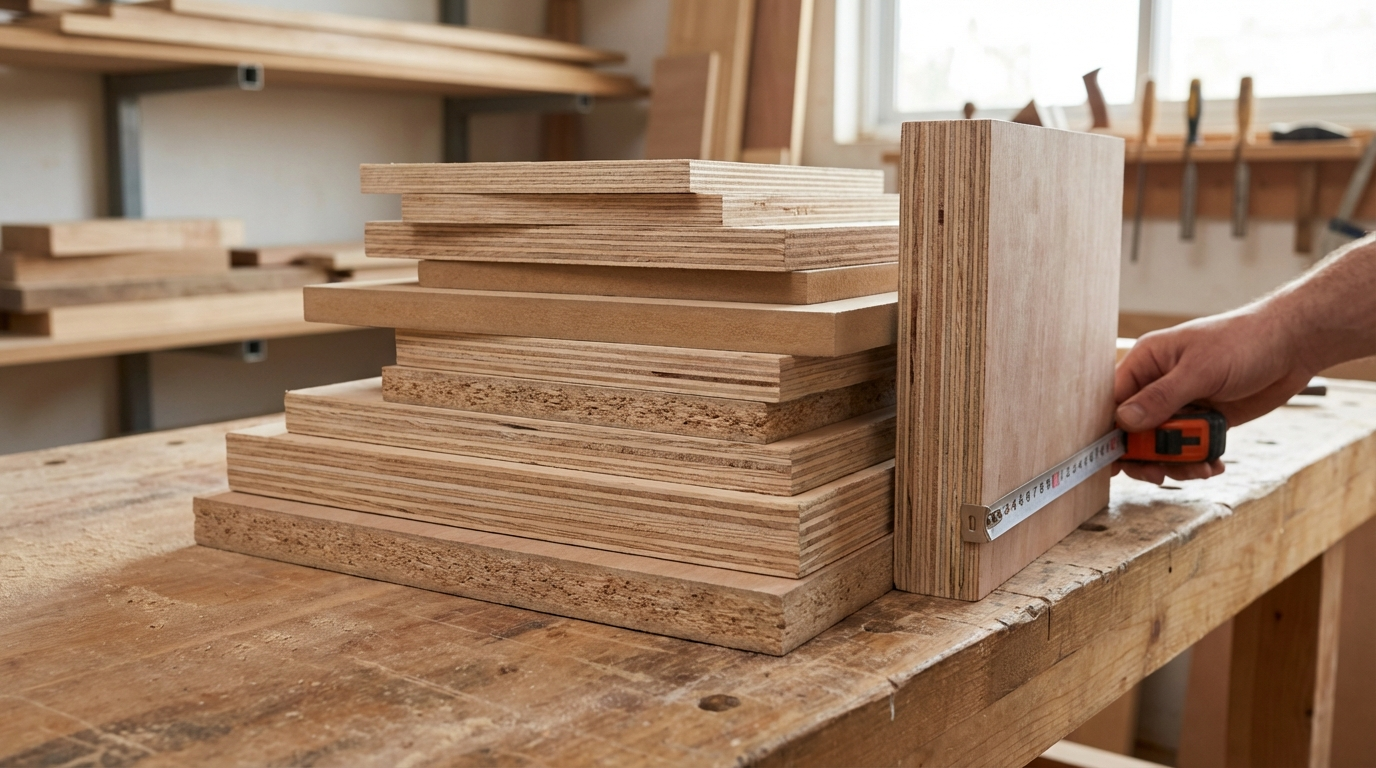
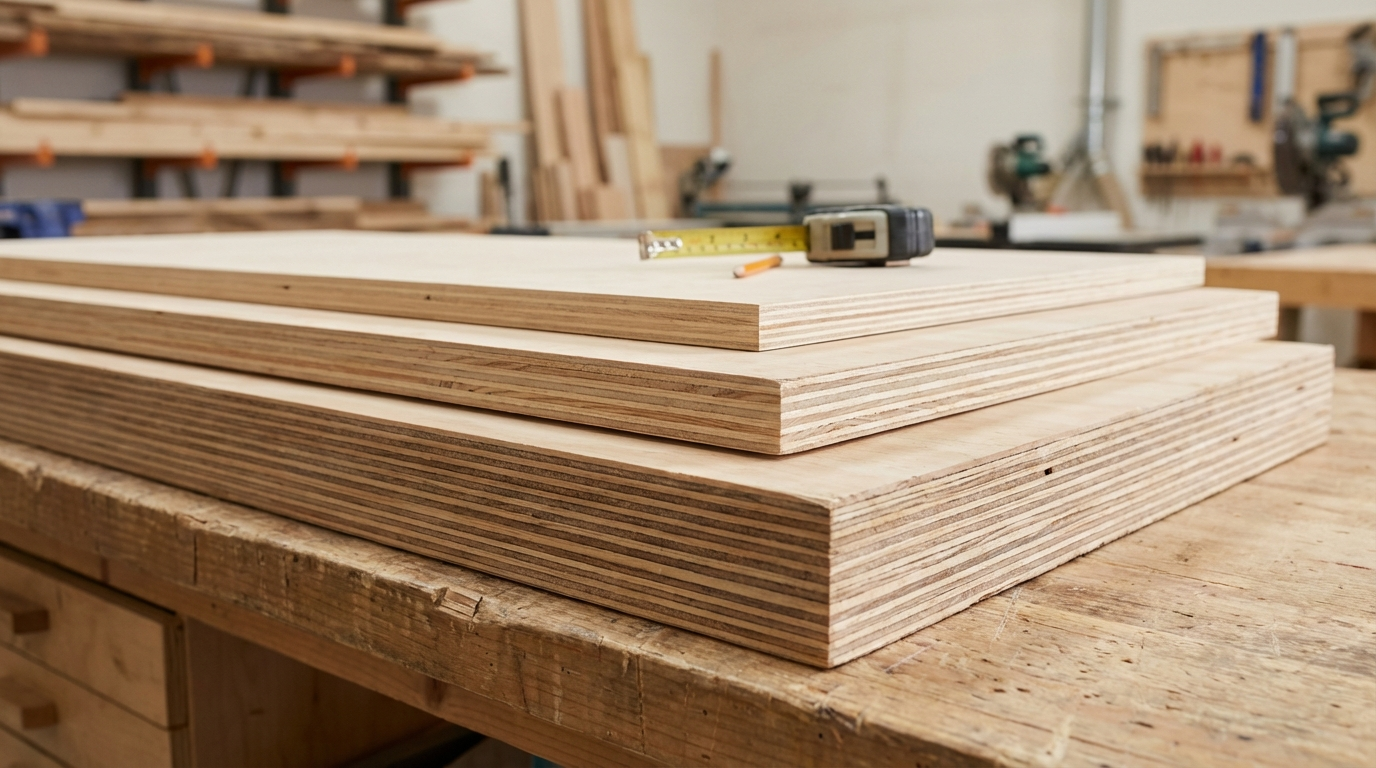
Thickness governs deflection under concrete hydrostatic pressure (up to 25 kN/sq m for slabs). 12mm works for low-rise beams (<200mm thick pours), but 15mm minimum for spans over 1m. 18mm standardizes 80% of Indian sites for optimal strength-to-weight.
Heavier 21-25mm for bridge girders or seismic zones, adding 25-40% cost but extending cycles. Reuse math: 18mm BWP at 20 cycles yields Rs. 80-100 effective per use vs MR's Rs. 150 single-shot.
- Low-budget housing: 12-15mm BWR.
- Commercial slabs: 18mm BWP film-faced.
- Heavy infra: 21mm+ with gussets.
Strategic Buying: Negotiating and Cost Optimization
Dealers quote 15-25% above mill rates; contractors counter with volume (50+ sheets) for 8-12% off. Inspect pre-purchase: Hammer test for voids, edge straightness, glue lines. Demand BIS mark, batch numbers for traceability.
Alternatives like recycled plastic forms or steel shutters cut plywood needs 50% in repeats, but initial capex higher. Hybrid: Plywood cores with steel edges for mega-projects.
Timing: Buy post-Diwali (supply glut) or pre-monsoon. Apps like IndiaMART or local mandis provide real-time bids—cross-verify three quotes.
Quality Checks to Ensure Value for Money
Beyond labels, field tests predict performance. Screw retention after 5 cycles flags weak cores. Water immersion (24 hours) reveals swelling >10%. Prefer mills with in-house testing labs over fly-by-night operations.
Warranties? Rare for shuttering—focus on empirical reuse data from prior projects. Regional associations (e.g., EPMA) list vetted suppliers.
Alternatives and Long-Term Trends
While plywood leads 90% formwork, MIVAN aluminum systems gain in urban high-rises (Rs. 1,000/sq m rental, 500 cycles). Plastic honeycomb panels emerge for green builds, but plywood's low entry (Rs. 50/sq ft) persists.
Trends: Eucalyptus shift cuts costs 10%, nano-coatings boost waterproofing. Buyers watch timber policy changes for 5-10% swings.
Decision Framework for Contractors and Builders
Weigh total ownership: (Sheet price / expected cycles) + labor stripping. For a 10,000 sq m slab, 18mm BWP saves Rs. 5-8 lakh vs MR. Document specs in BOQs to enforce quality amid site pressures.
Final takeaway: Prioritize grade-thickness combo over lowest bid—poor shuttering delays pours, inflating project timelines 15-20%.
Related guides on PlyPrice
Want Plywood Suggestions?
Share a few details and a PlyPrice specialist will suggest suitable brands and connect you to responsive dealers.