Marine Plywood Price in India: Grades, Thickness and IS 710 Checks
Marine plywood is a boiling water proof (BWP) grade made to IS 710 that survives repeated boiling cycles without delamination, and gurjan or other tropical hardwood cores push its price above MR and BWR. Compare prices by thickness, grading, regional and dealer rates, and alternatives.
Last updated: . Grades and standards checked against current BIS standards.
What Defines Marine Plywood and Its Pricing Foundation
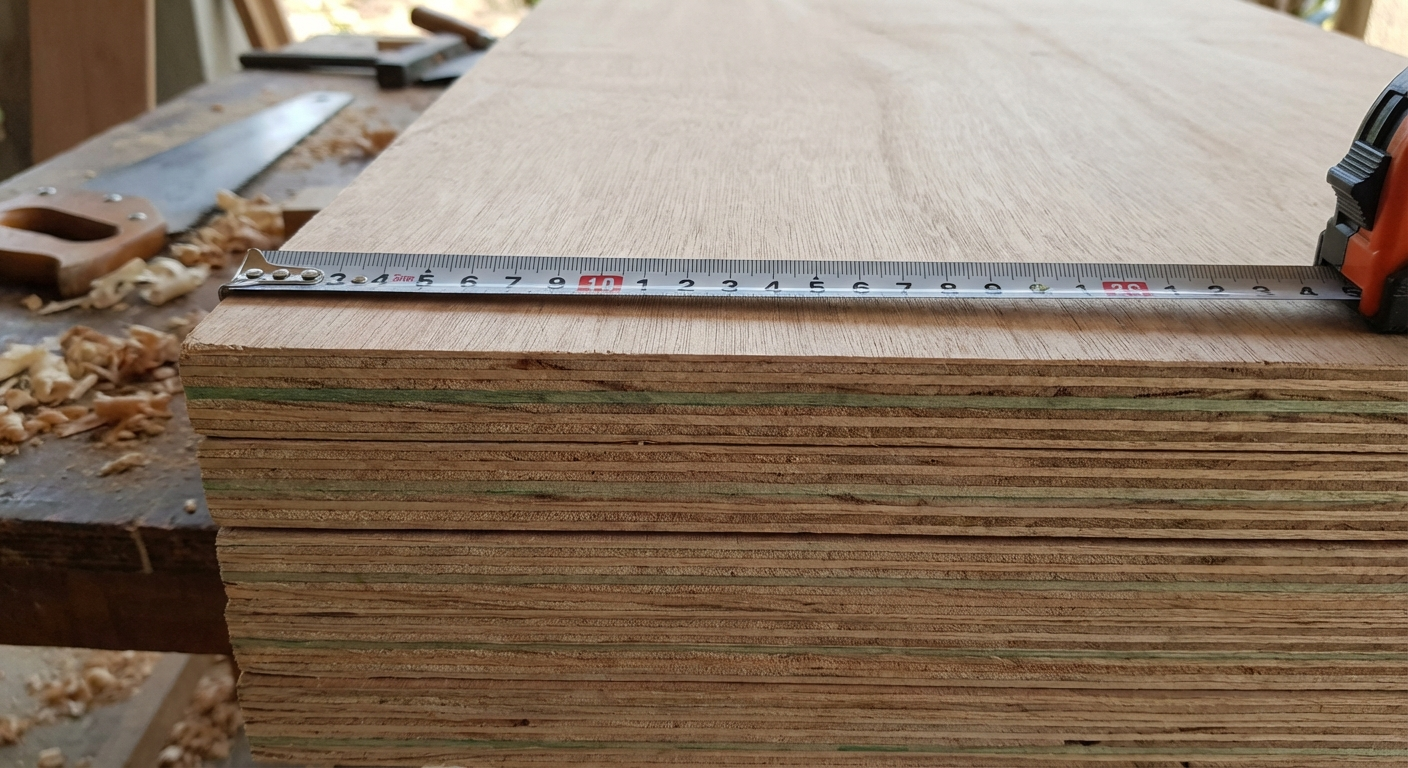
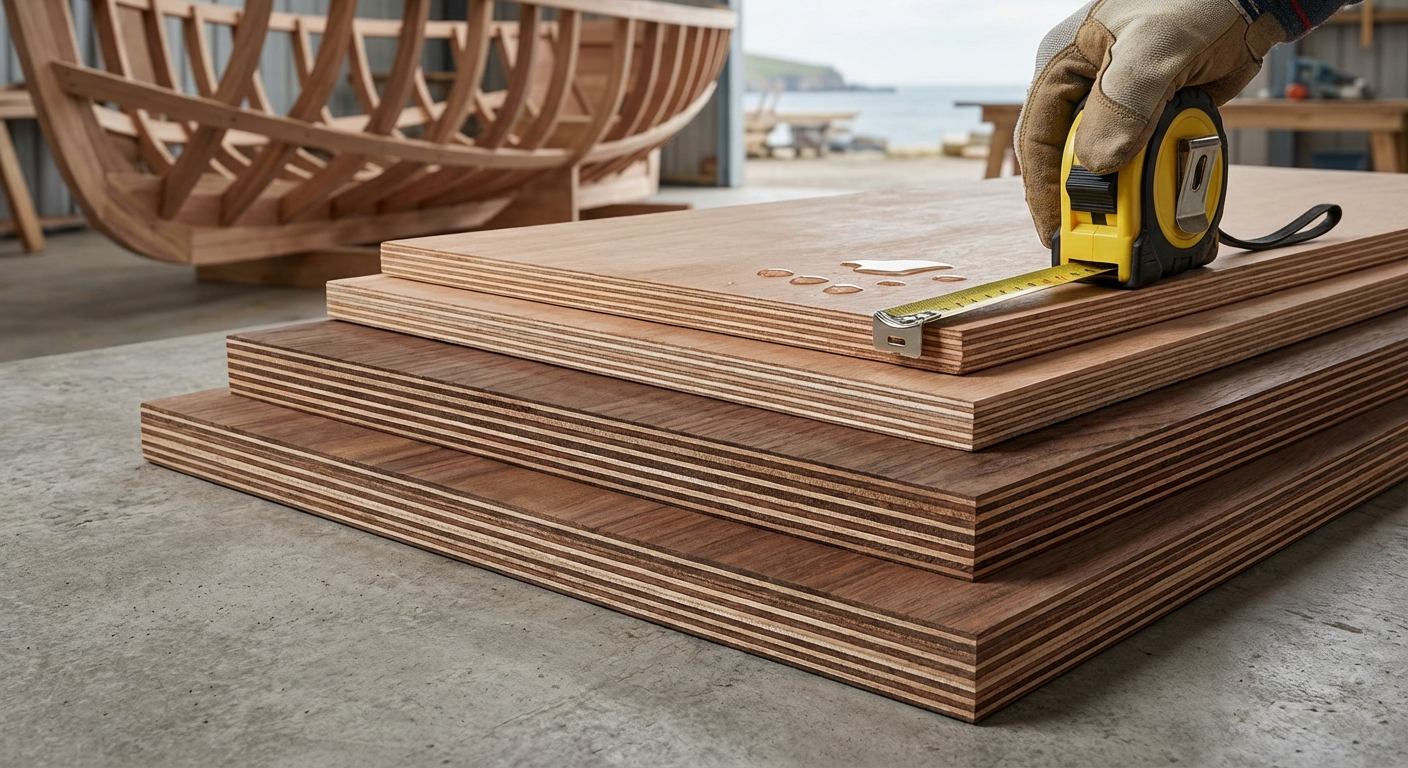
Marine plywood stands out in India's construction landscape due to its engineered resilience against prolonged water exposure, a critical need in monsoon-prone regions, coastal projects, and high-humidity interiors. Unlike standard moisture-resistant (MR) or boiling water-resistant (BWR) grades, marine plywood adheres to the IS 710 marine standard, with boiling water-proof (BWP) bonds that withstand a 72-hour boil test without delamination: a first-principles test of glue-line integrity under extreme moisture stress.
Pricing begins with raw material choices: tropical hardwoods like gurjan or sheesham provide dimensional stability, while phenolic resins in the glue elevate costs over urea-formaldehyde used in cheaper grades. In India, where 70% of plywood demand ties to humid climates, these attributes justify premiums, but buyers must weigh them against project specifics—permanent submersion (e.g., boat building) demands true BWP, while intermittent exposure (bathrooms) might suffice with BWR at lower cost.
Core Factors Influencing Marine Plywood Prices
Prices fluctuate based on interconnected variables rooted in supply chain realities and regional demands. Timber sourcing dominates: imported hardwoods from Southeast Asia add duties and logistics premiums, pushing costs higher than domestic softwood alternatives. Thickness correlates directly—thicker sheets require more volume of expensive veneers and glue, scaling linearly with material input.
Brand positioning plays a role: established mills with consistent ISI certification command 20-40% markups for quality assurance, while unbranded options from smaller mills cost less but vary more from batch to batch. Market dynamics like monsoon-season shortages or plywood export curbs inflate spot prices by 10-25% temporarily.
- Glue and Resin Quality: BWP-grade phenolic binders cost 2-3 times more than MR glues, forming the bulk of the premium.
- Veneer Thickness Uniformity: Consistent 1.0-1.5mm face veneers prevent warping, adding processing expenses.
- Certifications: ISI-marked sheets verify density (above 700 kg/m³) and strength, influencing dealer confidence and pricing.
- Volume and Negotiation: Contractors buying truckloads negotiate 10-20% off retail, unlike homeowners facing list prices.
Marine Plywood Price Ranges by Thickness
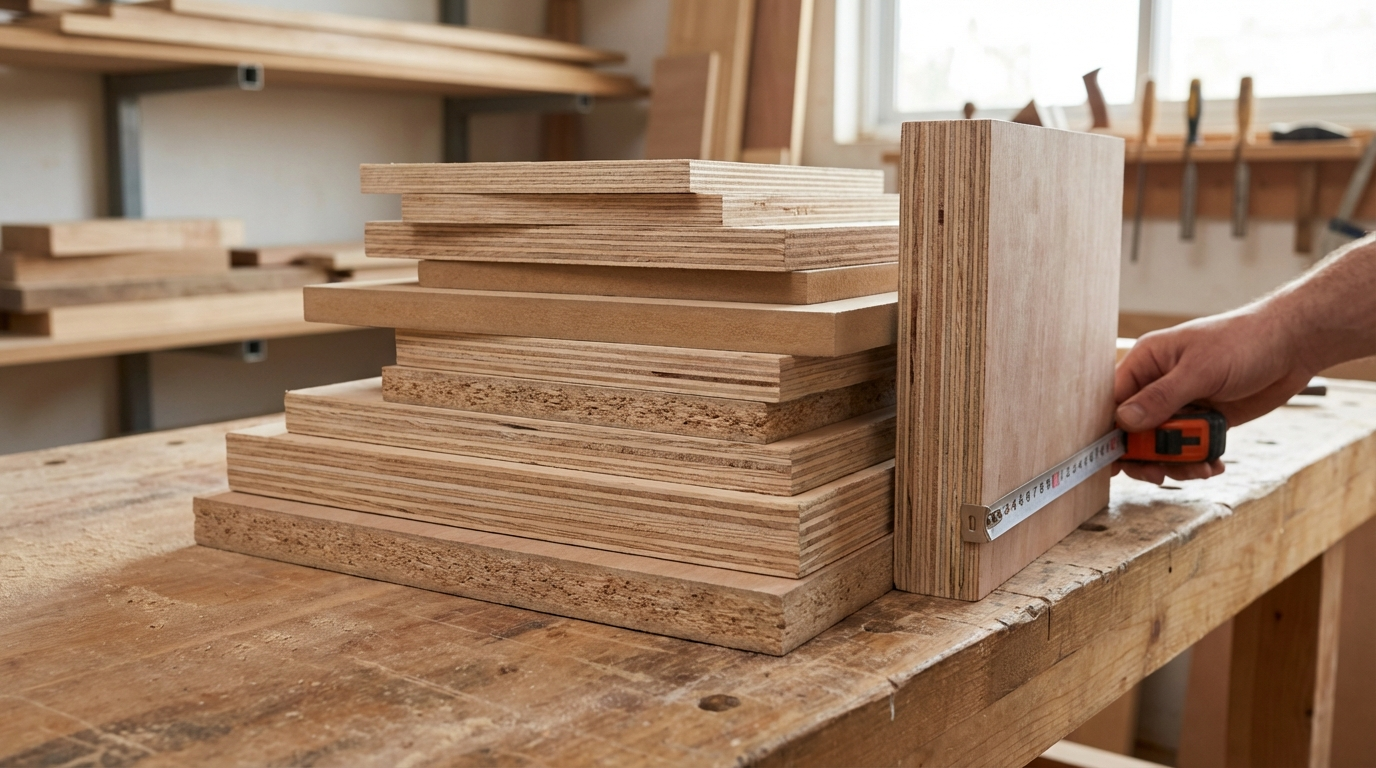
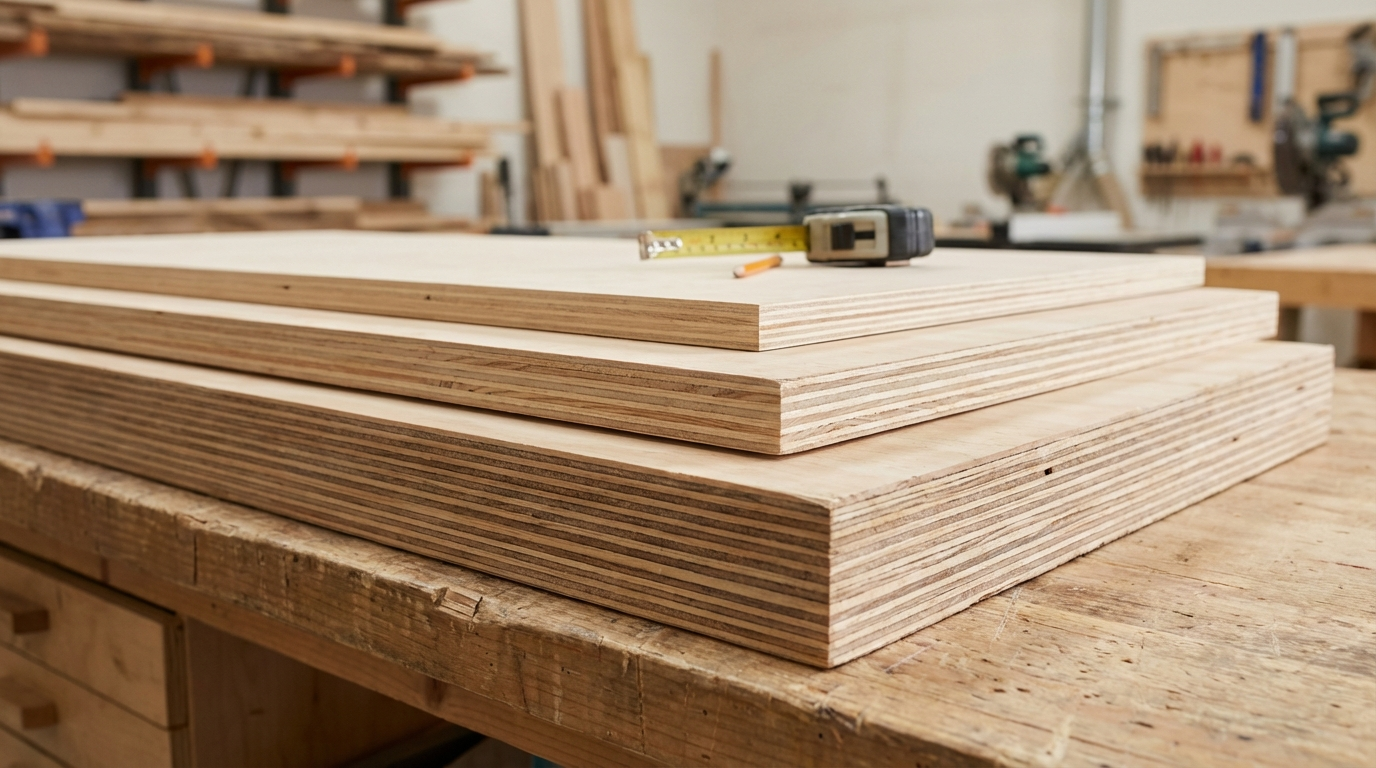
Thickness drives the primary cost gradient, as structural demands escalate from partitions (4-6mm) to flooring/beams (25mm+). Below is a indicative range table for standard 8x4 ft sheets, reflecting mid-2023 dealer quotes across major markets—always verify locally as timber volatility shifts these by 15-30% quarterly.
| Thickness | Typical Use Case | Mid-Range Price (Rs per sheet) | Premium/ISI-BWP Range (Rs per sheet) | Cost Driver Insight |
|---|---|---|---|---|
| 4-6 mm | Partitions, false ceilings | 1,200 - 2,000 | 1,800 - 2,800 | Low volume; suitable for non-load bearing |
| 9-12 mm | Cupboards, shelves | 2,000 - 3,200 | 2,800 - 4,200 | Balanced strength-moisture needs |
| 15-18 mm | Kitchen cabinets, furniture | 3,000 - 4,500 | 4,200 - 6,000 | High demand; optimal for Indian humidity |
| 21-25 mm | Flooring, marine applications | 4,500 - 6,500 | 6,000 - 8,500 | Heavy veneers; structural premium |
These ranges assume standard sizing; custom cuts or oversize (e.g., 9x4 ft) add 5-15%. Contractors note that 18mm emerges as the sweet spot for cost-per-square-foot in most builds, balancing durability without excess thickness.
Why Thickness Choices Matter for Indian Buyers
Homeowners often default to 12mm for interiors, overlooking load calculations—IS 710 recommends minimum 15mm for moisture-exposed cabinets to avoid sagging. Architects factor span lengths: longer unsupported shelves demand thicker sheets, inflating budgets by 40-60% over thin alternatives.
Grading Standards and Their Pricing Impact
Indian marine plywood grades span from basic to export-quality, each tied to veneer defects, sanded finish, and glue penetration. BWP remains the baseline for "marine," but sub-grades like A, AA, or S Grade dictate visuals and premiums.
| Grade | Surface Quality | Price Premium Over Base BWP | Best For |
|---|---|---|---|
| Standard BWP | Minor knots/plugs | Base (0%) | Shuttering, hidden framing |
| A Grade | Few defects, filled knots | 10-20% | Exposed furniture edges |
| AA Grade | Smooth, minimal patches | 20-35% | High-end kitchens, visible panels |
| Export/Special | Defect-free, polished | 35-60% | Boating, luxury interiors |
Dealers in Mumbai or Chennai push AA for urban projects, but rural contractors opt for standard BWP savings. First-principles: higher grades reduce post-installation sanding labor, amortizing the premium over time.
Regional Price Variations in India
India's plywood market fragments geographically due to production hubs, transport, and local demand. Southern states like Kerala and Andhra Pradesh, home to 60% of mills, offer 10-20% lower base prices from proximity, but coastal surcharges apply for true marine stock. Rates also move with freight: markets far from plywood clusters such as Yamunanagar in Haryana pay more to bring sheets in.
- South India (Kerala, TN): Lowest entry ranges; abundant gurjan access.
- West (Mumbai, Gujarat): Mid-high; freight adds to landed costs.
- North (Delhi, UP): Highest; freight from south dominates.
- East/Coastal: Volatile; humidity demand spikes premiums.
Online platforms narrow gaps via bulk shipping, but inspect for transit warping—common in unacclimatized northern deliveries.
Dealer vs Retail vs Wholesale Pricing Breakdown
Buyers navigate a tiered ecosystem: wholesalers (mill-direct) offer 20-35% below retail for 50+ sheets, ideal for contractors. Dealers add 10-15% for cutting/stock variety, suiting mid-scale interiors. Retail yards charge full list for singles, targeting homeowners but negotiable via trade references.
Cost-saving logic: Join local contractor networks for bulk proxies; compare 3 quotes factoring delivery (Rs 50-100/sheet metro). GST at 18% applies uniformly, but input credits benefit registered firms.
Marine Plywood vs Alternatives: Cost-Benefit Analysis
Marine isn't always optimal—compare against BWR (20-40% cheaper, suitable for semi-exposed) or HDHMR (particleboard hybrid, 30-50% less for dry interiors). Use this table for decision logic:
| Type | Moisture Resistance | Relative Cost (18mm base) | Indian Scenario Fit |
|---|---|---|---|
| Marine BWP | Boiling-proof | 100% (baseline) | Coastal homes, kitchens |
| BWR | Hot-water resistant | 60-80% | Monsoon interiors |
| MR | Basic humidity | 40-60% | Dry bedrooms only |
| HDHMR | High-density humid | 50-70% | Modular furniture |
Switch to BWR for 25% savings if no submersion risk; marine shines in Kerala backwaters or Mumbai sea-facing builds.
Practical Guide: How to Buy Marine Plywood Wisely
Step-by-step for Indian stakeholders:
- Assess Exposure: Boil-test sample (IS 710 method) or check density stamp.
- Thickness Calc: Span/span² rule—e.g., 1m shelf needs 18mm min.
- Source Verify: Demand ISI hologram; avoid "marine" labels sans BWP.
- Negotiate Volume: Quote multiple dealers; factor 5% buffer for rejects.
- Storage Tip: Acclimatize 48hrs pre-install; elevate off ground.
- Longevity ROI: Premium pays back in 3-5 years via no repairs.
Architects prioritize certified stock for liability; homeowners test small batches first.
Common Pitfalls and Cost Overruns to Avoid
Fake "marine" floods markets—unbonded edges delaminate in first monsoon. Over-specifying thickness bloats budgets 30%; under-spec leads to callbacks. Ignore dealer "discounts" without weight checks (aim 50-60kg for 18mm sheet). Track timber advisories for sustainable sourcing, as bans spike prices unpredictably.
Trends Shaping Future Marine Plywood Pricing
Eco-regulations favor engineered alternatives, but marine demand grows 8-10% yearly with urbanization. Digital dealer apps compress margins, benefiting buyers. Expect 10-15% rises from resin costs, offset by larger sheets reducing seams.
Frequently Asked Questions on Marine Plywood Prices
Is marine plywood worth the extra cost?
Yes for water-direct contact; no for dry zones—ROI hinges on exposure duration.
How much more expensive is 18mm marine plywood?
Typically 40-60% above MR equivalent, scaling with grade and region.
Where to get the best marine plywood prices in India?
Southern wholesale yards for bulk; compare online aggregators for metro delivery.
Does thickness affect marine plywood price linearly?
Nearly so, with 10-15% premiums per mm jump due to material scaling.
Are there cheaper alternatives to marine plywood?
BWR for most homes; film-faced for shuttering at similar durability.
Related guides on PlyPrice
Want Plywood Suggestions?
Share a few details and a PlyPrice specialist will suggest suitable brands and connect you to responsive dealers.