HDHMR Board Price in India: Rates by Thickness, Grade and City
HDHMR board sheets typically cost around ₹2,000 to ₹3,000 in India, with thickness, density (often 800-900 kg/m³) and brand setting the final rate. It resists humidity better than standard MDF, which is why it is used for wardrobes, kitchen cabinets and vanities.
Last updated: . Grades and standards checked against current BIS standards.
What Determines HDHMR Board Prices in India?
HDHMR, or High-Density High-Moisture Resistant board, stands out in India's engineered wood market for its ability to withstand humid conditions common in coastal regions like Mumbai, Chennai, and Kolkata. Unlike standard MDF, HDHMR incorporates denser fiber composition and specialized resins, making it suitable for wardrobes, kitchen cabinets, and bathroom vanities where moisture exposure is a daily reality.
Pricing for HDHMR doesn't follow a fixed formula due to fluctuating inputs like imported resins, eucalyptus fiber costs, and energy expenses in manufacturing. Key drivers include:
- Density levels: Higher density (typically 800-900 kg/m³) adds resistance but increases material use.
- Moisture resistance treatments: Additives like melamine or phenolic resins elevate costs by 15-25% over basic boards.
- Thickness: Thinner sheets demand precision pressing, while thicker ones require more raw fiber.
- Grade certifications: Boards meeting IS:1659 or similar norms command premiums for verified performance.
- Supply chain logistics: Transport from major hubs like Gujarat or Punjab to distant markets like Kerala inflates landed costs.
Buyers—homeowners seeking modular furniture, contractors quoting bulk projects, or architects specifying for humid climates—must weigh these against project needs. Prices can swing from month to month with resin chemical prices and monsoon-related fibre shortages.
HDHMR Board Price Ranges by Thickness
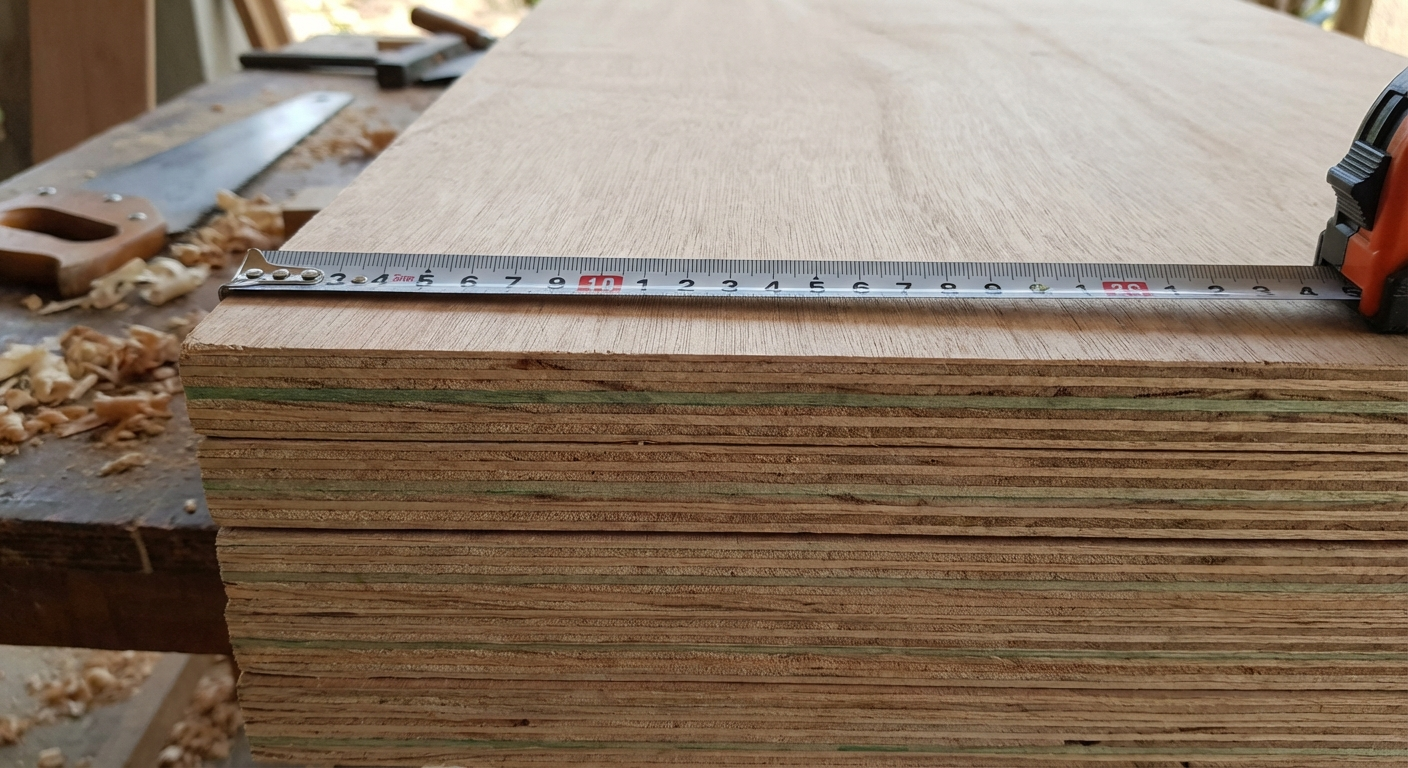
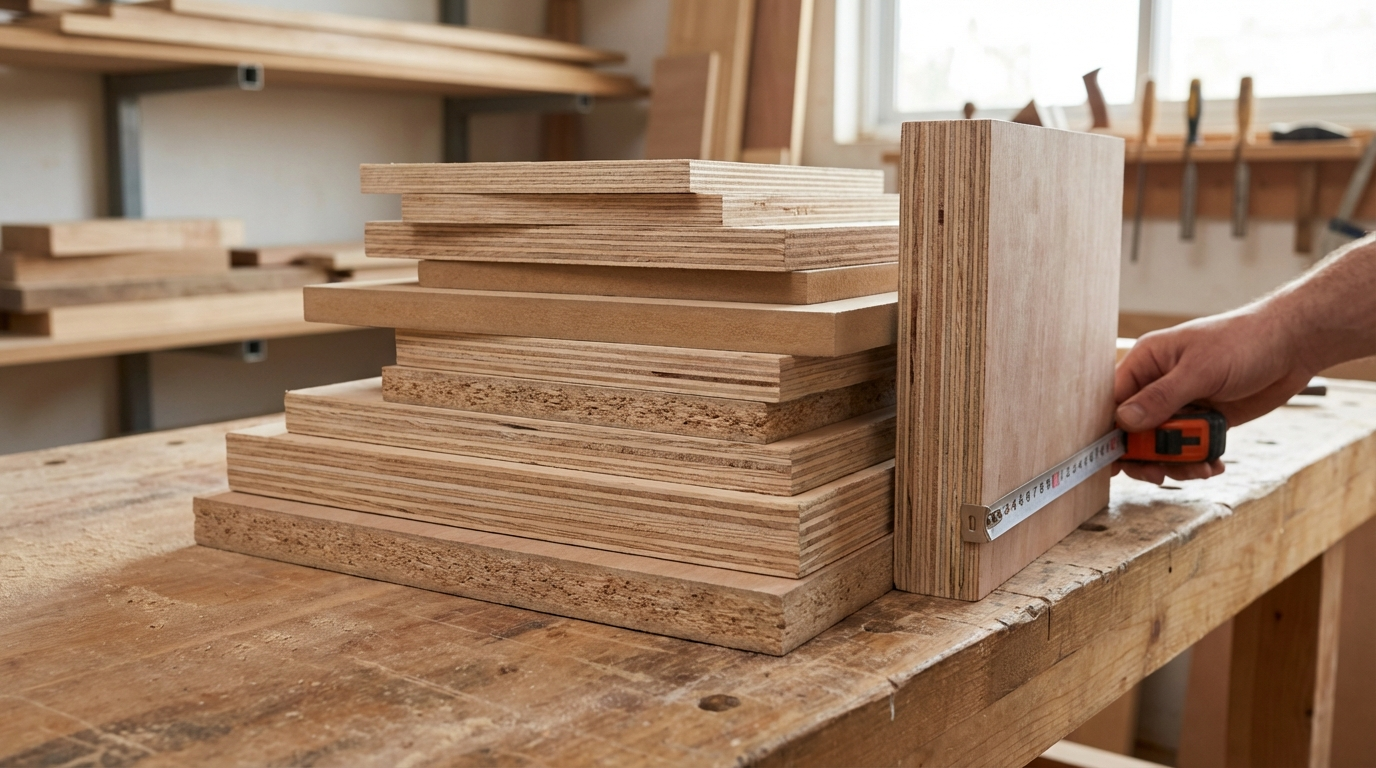
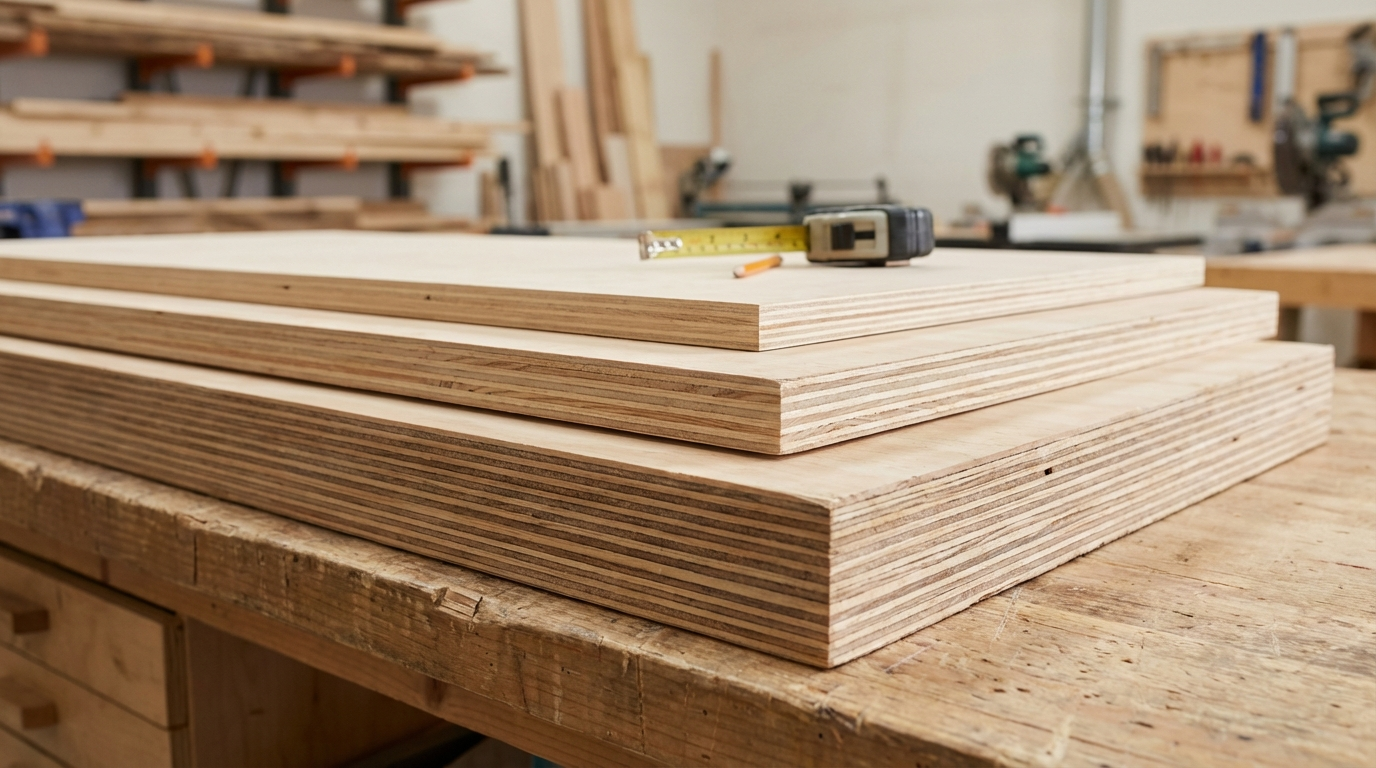
Thickness dictates both structural use and cost, with 18mm being the workhorse for furniture carcasses in Indian homes, while 6-8mm suits laminates or partitions. Prices are typically quoted per square foot (sq ft) at dealer yards or per full sheet (8x4 ft) for bulk buys. Expect retail markups of 10-20% over dealer rates.
| Thickness (mm) | Common Applications | Dealer Price Range (Rs./sq ft) | Retail Price Range (Rs./sq ft) | Sheet Size Impact (8x4 ft) |
|---|---|---|---|---|
| 6 | Back panels, shelves, laminates | 35-50 | 45-65 | Lower volume, economical for light-duty |
| 8 | Door panels, drawer bottoms | 40-55 | 50-70 | Balanced for modular kitchens |
| 12 | Cabinet shutters, partitions | 50-70 | 60-85 | Mid-range bulk favorite |
| 16 | Wardrobe sides, heavy shelves | 60-85 | 75-105 | Structural strength justifies premium |
| 18 | Furniture frames, counter bases | 65-90 | 80-110 | Standard for contractors |
| 25+ | Table tops, heavy furniture | 80-120 | 100-150 | Custom orders, higher logistics |
These ranges reflect 2023-2024 market observations in tier-1 and tier-2 cities. For a standard 18mm x 8x4 ft sheet, dealer costs might start at Rs. 2,000-3,000, scaling with quality. Homeowners often overlook that cutting losses (10-15% waste) effectively raise per-sq-ft expenses.
Why Thickness Choices Matter for Cost Control
In humid Indian interiors, opting for 12mm over 18mm can trim project budgets by 20-30% without sacrificing integrity if properly edged and laminated. Contractors in Rajasthan's dry heat prioritize density over thickness, while Kerala builders favor thicker variants for termite-prone coastal builds.
Grade-Wise HDHMR Pricing Breakdown
HDHMR grades range from basic commercial to premium moisture-resistant types, differentiated by resin content, surface smoothness, and emission standards (E1/E0 for low formaldehyde). Indian buyers reference IS:12406 for particle boards or equivalent for consistency.
| Grade | Moisture Resistance Level | Price Premium Over Base (%) | Ideal Buyer Scenario | Price Range (18mm, Rs./sq ft, Dealer) |
|---|---|---|---|---|
| Commercial | Basic (MR-grade equivalent) | Baseline | Interior dry areas, budget projects | 65-75 |
| Moisture Resistant (MR HDHMR) | Medium (12-18% swelling limit) | +15-20% | Modular kitchens in metros | 75-85 |
| High Moisture Resistant (BWR-like) | High (8-12% swelling) | +25-35% | Coastal bathrooms, humid wardrobes | 85-100 |
| Premium/Boiling Water Resistant (BWP-equivalent) | Very High (<8% swelling) | +40-50% | High-end resorts, export specs | 100-120+ |
Grade selection hinges on exposure: A Pune homeowner might suffice with MR for a guest room, but a Goa villa demands BWP-grade to combat 80%+ humidity. Uncertified boards undercut prices by 20% but risk delamination within 1-2 years.
Regional Price Variations in India
India's plywood ecosystem clusters production in North (Punjab, Haryana) and West (Gujarat), leading to zonal disparities. Southern markets pay 10-20% more due to freight, while Eastern dealers benefit from proximity to bamboo sources.
- North India (Delhi-NCR, Punjab): Lowest base prices (5-10% below national avg) from local mills; ideal for bulk contractors.
- West (Mumbai, Ahmedabad): Balanced, with 8-12% premiums for quick delivery.
- South (Bengaluru, Chennai): 15-25% higher due to import-dependent resins and logistics.
- East/Northeast (Kolkata, Assam): Volatile, swinging 10-30% on monsoon fiber supply.
A 18mm MR sheet might cost Rs. 75/sq ft in Delhi yards but Rs. 95 in Kochi, prompting savvy architects to source from Gujarat hubs via rail for large orders.
Dealer vs Retail Pricing: Negotiation Insights
Dealers operate on 5-8% margins, passing wholesale rates to contractors (volume discounts at 1,000+ sqm). Retail outlets in markets like Bhagirath Palace (Delhi) or Lamington Road (Mumbai) add 15-25% for storage, cutting, and advice.
| Buyer Type | Typical Discount Level | Price Access Point | Additional Costs |
|---|---|---|---|
| Homeowner (small qty) | 0-5% | Retail showrooms | Transport, edging (Rs. 10-20/sq ft extra) |
| Contractor (500-2000 sq ft) | 8-15% | Dealer yards | Minimal, bulk delivery free over threshold |
| Architect/Bulk (2000+ sq ft) | 15-25% | Direct mill or distributor | Custom sizing negotiable |
Tip for interior designers: Quote during off-peak (post-monsoon) for 10% dips; verify lab tests on-site to avoid sub-grade stock.
Key Cost Drivers and Market Trends
Beyond basics, prices respond to:
- Raw material volatility: Eucalyptus prices rise 10-15% yearly; recycled fiber cuts costs but compromises density.
- Energy and labor: Pressing at 180-200°C hikes bills in power-scarce regions.
- Resin and freight costs: 10-18% on resins amplifies during forex fluctuations.
- Sustainability push: E0-grade (ultra-low emissions) adds 20% but appeals to green-certified projects.
Recent trends show 8-12% YoY increases tied to construction booms in Tier-2 cities like Indore and Jaipur, where HDHMR adoption for affordable housing surges.
HDHMR vs Alternatives: Value Comparison
Is HDHMR worth it over MDF or plywood? Consider trade-offs:
| Material | Moisture Performance | Relative Price (18mm base=100) | Best For |
|---|---|---|---|
| Standard MDF | Poor (swells >25%) | 70-80 | Dry interiors only |
| HDHMR | Good (8-18% swelling) | 100 | Humid kitchens/bathrooms |
| Marine Plywood | Excellent (<5%) | 140-180 | Wet areas, heavy load |
| Blockboard | Moderate | 110-130 | Framing, less finishing |
For a Mumbai flat's kitchen, HDHMR at parity cost offers better screw-holding than MDF without plywood's warping risks. Architects note 20-30% lifecycle savings via reduced callbacks.
Buyer Decision Guide: When and How to Buy HDHMR
Homeowners: Prioritize certified MR-grade 18mm; budget Rs. 80-100/sq ft installed. Check for smooth edges to minimize laminate bubbling.
Contractors: Bulk-buy 12-16mm from North mills; negotiate free delivery. Test samples in 24-hour water soak for project specs.
Architects/Designers: Spec BWR-grade for client pitches in humid zones; factor 15% waste in BOQs.
Steps for any buyer:
- Assess exposure: Dry (<60% RH) vs humid (>70%).
- Match thickness to load: <50kg/sq m = 12mm.
- Verify with gauge: Density >850 kg/m³ ideal.
- Haggle seasonally: Winter dips common.
- Pair with quality laminates (0.8mm+) for longevity.
Avoid pitfalls like unbranded "HDHMR" from roadside yards—often rebadged MDF prone to early failure in India's variable climate.
Monitoring Price Changes and Future Outlook
Track via dealer apps or associations like the Indian Plywood Industries Association. Expect moderated rises (5-8%) if domestic resin production scales. For humid frontiers like Andaman projects, HDHMR's edge over imports will sustain demand, stabilizing mid-range pricing.
Related guides on PlyPrice
Want Plywood Suggestions?
Share a few details and a PlyPrice specialist will suggest suitable brands and connect you to responsive dealers.