Fire Retardant Plywood Price in India: Cost Drivers, Grades and Specs
Fire retardant plywood costs more than regular plywood because its chemical treatment makes it form a protective char layer that slows flame spread and cuts smoke. Price depends on thickness, glue grade, certification and region.
Last updated: . Grades and standards checked against current BIS standards.
What Makes Fire Retardant Plywood Essential for Indian Construction?
In India's diverse construction landscape, where high-rise apartments, commercial complexes, and hospitality projects dominate urban growth, fire safety emerges as a non-negotiable priority. Fire retardant plywood addresses this by undergoing chemical treatments that slow flame spread and reduce smoke emission during exposure to fire. Unlike regular plywood, which chars rapidly under heat, FR variants form a protective char layer, buying critical evacuation time.
From a first-principles view, plywood's layered veneer structure—thin wood plies glued cross-grain—makes it vulnerable to fire propagation along adhesives. FR treatments infuse intumescent chemicals or impregnate resins that expand under heat, insulating the core. This aligns with India's building codes, particularly for public buildings under the National Building Code (NBC) Part 4, emphasizing fire-resistant materials in escape routes and partitions.
Buyers—be they contractors bidding on multi-story projects or architects specifying for hotels—prioritize FR plywood not just for compliance but for liability reduction. In humid coastal regions like Mumbai or Chennai, where moisture accelerates material degradation, FR grades also offer incidental water resistance when combined with boiling water-proof (BWP) glues.
Core Specifications Defining Fire Retardant Plywood Quality
IS Standards and Certification Essentials
Indian Standards Institute (ISI) certification under IS 5509 governs fire retardant plywood, classifying it into Type I (flame retardant) and Type II (fire retardant). Type I limits flame spread to under 25 on the flame spread index, while Type II withstands higher temperatures. Look for BIS-marked sheets with lab test reports from accredited bodies like CFRI (Central Fire Research Institute).
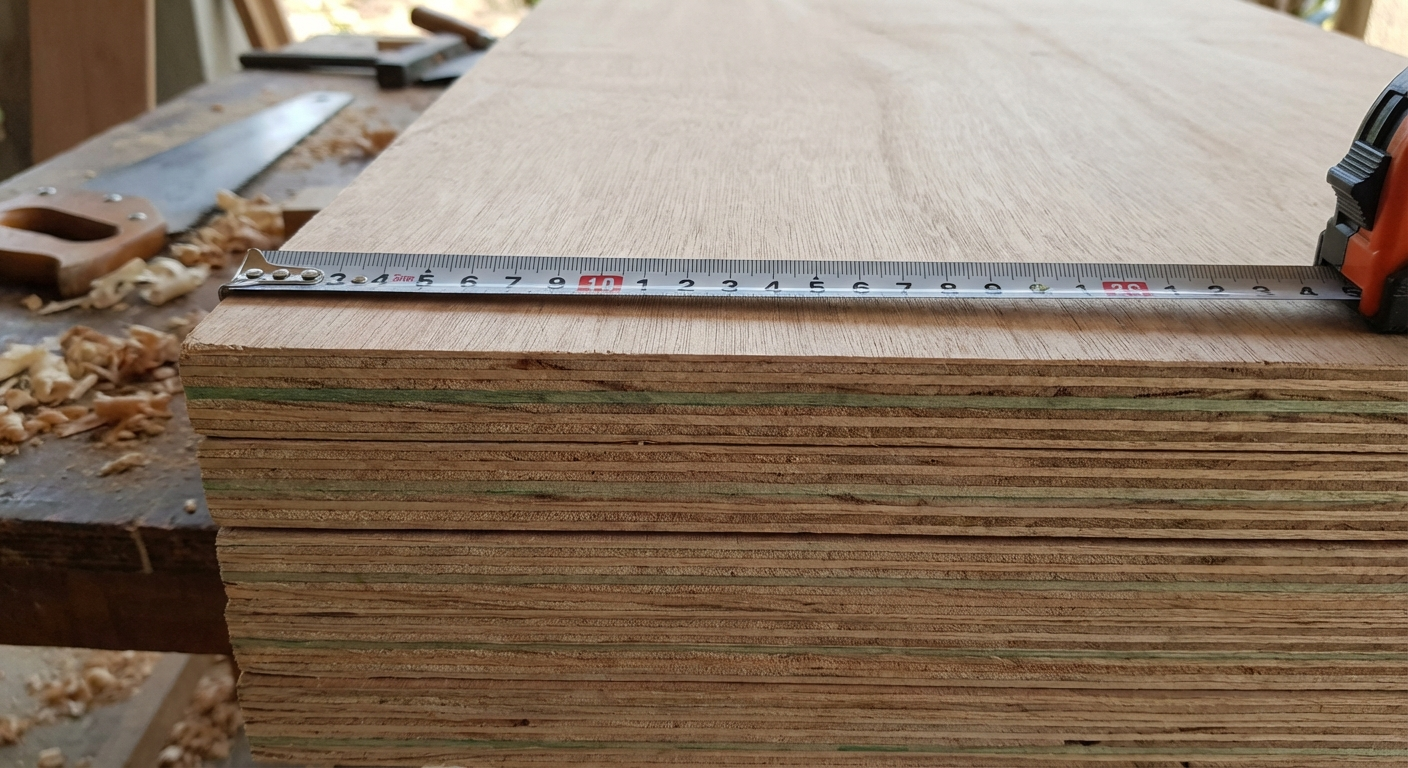
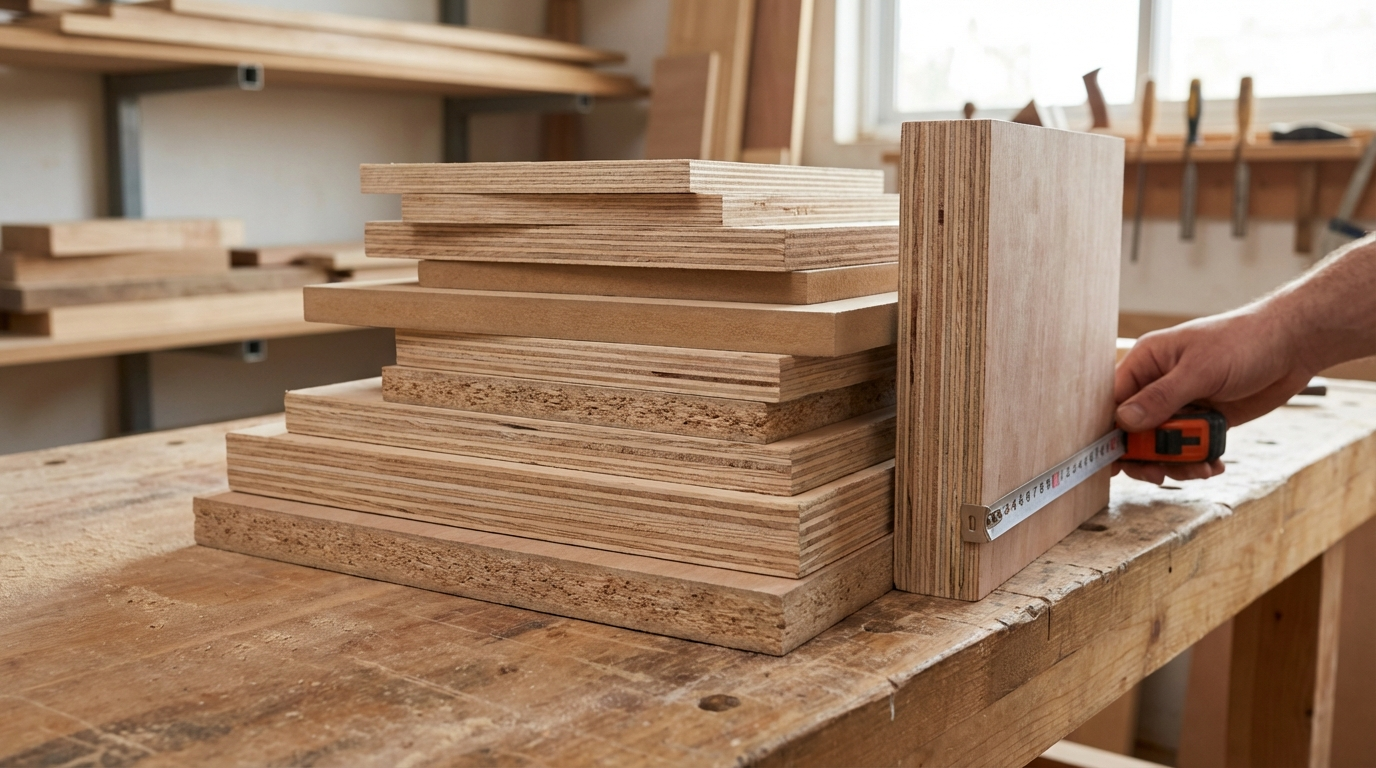
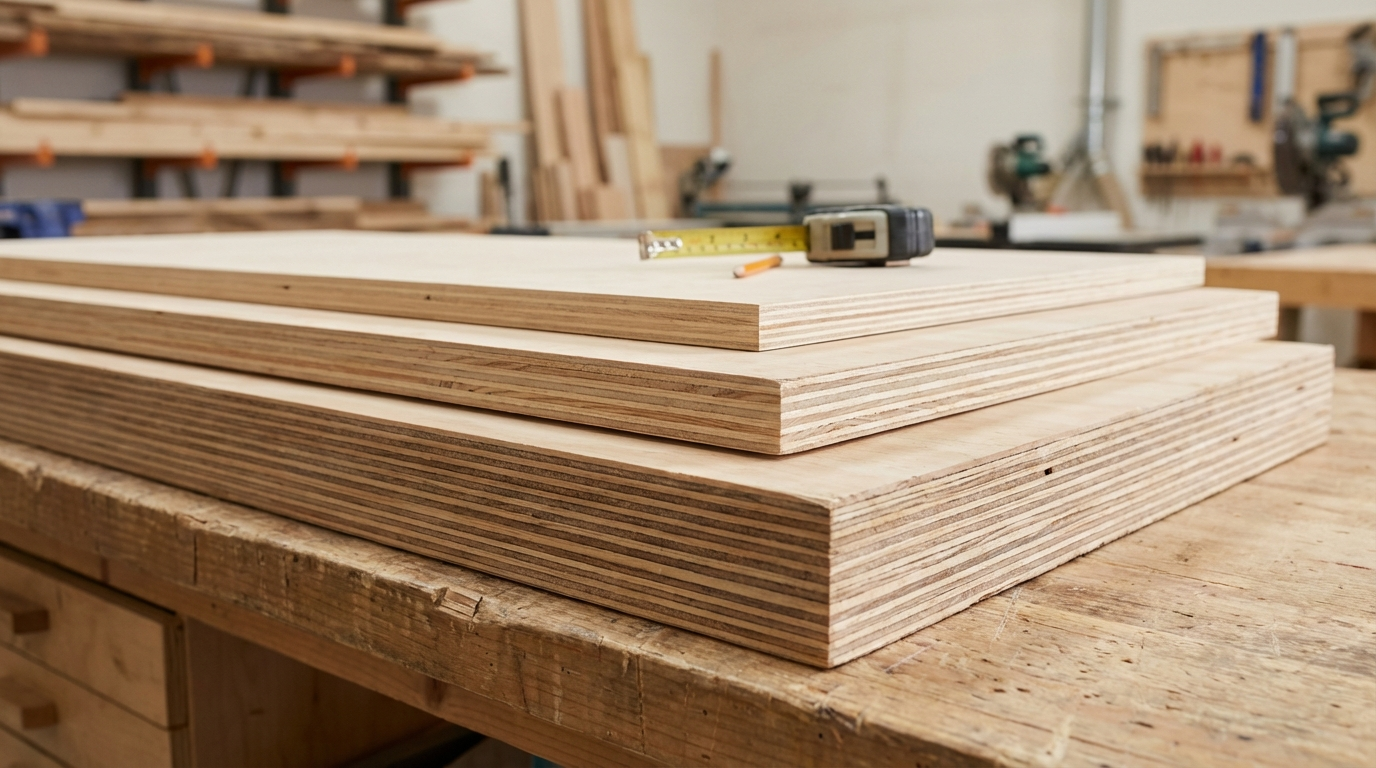
Thickness typically ranges from 4mm to 25mm, with 18mm being standard for structural use. Common sizes are 8x4 feet, though custom cuts affect pricing logic.
Glue Grades and Treatment Compatibility
FR plywood pairs best with BWP or boiling water resistant (BWR) urea-formaldehyde glues, as moisture-retaining MR grades compromise retardancy. High-density hardwood plywood (HDHMR) substrates enhance performance, offering denser cores that resist warping under heat.
Primary Cost Drivers for Fire Retardant Plywood
Prices stem from material inputs, processing complexity, and market dynamics rather than fixed retail tags. Here's the breakdown:
- Raw Material Base: Poplar or eucalyptus cores cost less than hardwood like teak alternatives, pushing entry-level FR plywood lower.
- Chemical Treatment Depth: Surface coatings add 10-20% premium; full impregnation (pressure-vacuum process) doubles it for superior Class 1 ratings.
- Thickness and Density: Each mm increment raises costs exponentially due to veneer volume; 12mm might baseline at mid-range, while 19mm suits load-bearing.
- Certifications and Testing: ISI/BIS compliance involves recurring lab fees, inflating verified sheets by 15-30% over uncertified.
- Brand and Scale: Larger mills amortize treatment lines, undercutting smaller producers; dealer margins add 10-15% in retail.
Supply chain disruptions, like adhesive resin imports or monsoon logging halts, cause 5-15% quarterly swings. Resin chemical costs rose sharply in March and April 2026, and imported FR chemicals tie prices to forex fluctuations.
Price Range Benchmarks Across Thicknesses and Grades
Expect ranges varying by 20-40% regionally and by dealer tier. These reflect dealer-to-consumer logic, where wholesalers offer volume discounts and retailers bundle delivery.
| Thickness (mm) | Standard Size (8x4 ft) | Entry-Level Range (per sheet) | Mid-Range (ISI Certified) | Premium (Full Impregnated) |
|---|---|---|---|---|
| 6-9 | Partitions/False Ceilings | Lower quartile | Mid-quartile | Upper mid-range |
| 12 | Wardrobes/Cabinetry | Mid-lower | Baseline mid | Higher mid-range |
| 18 | Structural/Doors | Mid-range | Upper mid | Premium entry |
| 21-25 | Shuttering/Heavy Duty | Upper mid | Premium | Top premium |
Note: Entry-level suits budget commercial retrofits; premium fits high-compliance luxury projects. Always factor GST (18%) and transport—urban metro adds 5-10%.
Regional Price Dynamics in Key Indian Markets
India's plywood ecosystem fragments prices by logistics and local sourcing. Northern hubs like Delhi-NCR leverage proximity to Punjab/Haryana mills, keeping FR variants 10-15% below southern ports.
- North India (Delhi, UP, Punjab): Abundant poplar drives affordability; expect tighter ranges due to competitive dealer networks.
- West (Mumbai, Gujarat): High demand from skyscrapers inflates premiums, but port access stabilizes chemical imports.
- South (Kerala, Tamil Nadu): Rubberwood bases add density but monsoon logistics widen spreads by 15-20%.
- East (Kolkata, Odisha): Smaller mills mean higher variability; volume buyers negotiate best.
Contractors in Tier-2 cities like Lucknow or Coimbatore often source from nearby wholesalers, bypassing metro markups.
Head-to-Head: Fire Retardant vs. Regular and Marine Plywood Costs
FR plywood commands a 25-50% uplift over MR-grade standards due to treatment overheads. Compare logically:
| Attribute | Regular MR Plywood | Fire Retardant (BWR/BWP) | Marine (BWP Non-FR) |
|---|---|---|---|
| Core Cost Driver | Basic glue/venneers | Chemical infusion | Phenolic resins |
| Price Premium | Baseline | 25-50% higher | 30-60% higher |
| Best Use Case | Interiors/low-risk | Commercial/fire zones | High moisture exteriors |
| Fire Performance | Poor spread | Class 1 retardant | Moderate (glue-dependent) |
Hybrid buyers might layer FR laminates over marine bases for dual protection, balancing costs.
When FR Plywood Outperforms Alternatives
For hotels or hospitals, FR's smoke reduction justifies premiums—regular plywood fails BS 476 tests quickly. Architects weigh lifecycle: FR extends usability in fire-prone zones, offsetting upfront costs via insurance savings.
Practical Buying Guide for Contractors and Homeowners
Step 1: Match Specs to Project Needs
Assess load, exposure, and code—18mm BWP-FR for doors; 12mm for panels. Request flame spread certificates.
Step 2: Verify Authenticity on Site
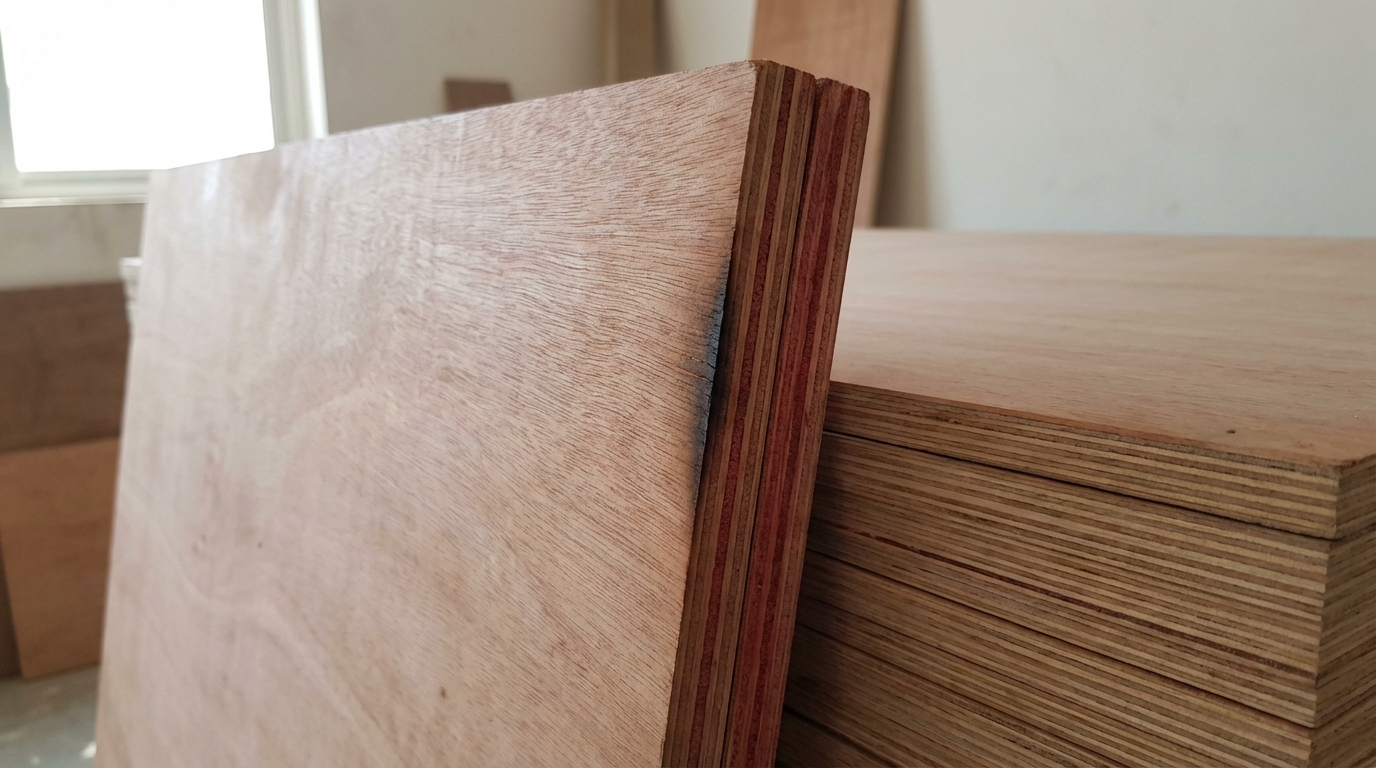
Check for uniform caramel hue (treatment indicator), ISI hologram, and edge moisture test—no delamination.
Step 3: Negotiate Smartly
- Volume: 50+ sheets unlock 10-20% off.
- Dealer vs Retail: Wholesalers shave 15%; compare 3 quotes.
- Delivery Bundles: Pair with fittings for logistics savings.
Step 4: Factor Hidden Costs
Edge sealing adds 5%; professional installation 10-15% for precision cuts.
Installation and Maintenance Considerations Impacting Value
FR plywood demands sealed edges to preserve chemicals—use silicone tapes in humid installs. Avoid direct water; periodic inspections catch adhesive creep. In India's variable climates, ventilate storage to prevent pre-mature degradation, preserving 20-30 year lifespans.
Debunking Common Pricing and Performance Myths
Myth 1: All FR plywood is identical—reality: Treatment depth varies; surface-only fails under sustained fire.
Myth 2: Premium prices guarantee quality—no, dealer sourcing matters; cross-verify BIS.
Myth 3: FR eliminates fire risk—false; it delays, complementing sprinklers/smoke detectors.
Buyers err by chasing lowest bids, overlooking re-work from subpar retardancy.
Market Trends Shaping Future FR Plywood Pricing
Fire safety audits in commercial buildings boost demand, stabilizing prices via scale. Eco-FR variants using bio-resins emerge, which may trim chemical costs. HDHMR-FR hybrids gain traction for density-fire synergy, appealing to green-certified projects under IGBC.
Monitor resin volatility and eucalyptus cycles: resin chemical costs rose sharply in March and April 2026.
Decision Framework for Your Next Purchase
Weigh project risk vs. budget: Low-stakes interiors skip FR; public/high-rise mandates it. Use this matrix:
| Risk Level | Recommended Grade | Budget Allocation Tip |
|---|---|---|
| Low (Residential interiors) | BWR-FR optional | 20% of material spend |
| Medium (Offices/hotels) | BWP-FR standard | 30-40% uplift |
| High (Hospitals/public) | Full impregnated ISI | 50%+ premium justified |
This analytical approach empowers informed choices amid India's evolving safety standards.
Related guides on PlyPrice
Want Plywood Suggestions?
Share a few details and a PlyPrice specialist will suggest suitable brands and connect you to responsive dealers.