Cheapest Plywood in India: MR Grade Prices, Risks and Safer Picks
The cheapest plywood in India is usually MR (commercial) grade, because its urea-formaldehyde glue costs far less than the phenolic resins in BWR or BWP and its cores use lower-density woods. See where it sells cheapest, wholesale vs retail gaps and when the low price backfires.
Last updated: . Grades and standards checked against current BIS standards.
What Determines the Cheapest Plywood Prices in India?
Plywood pricing in India hinges on several interconnected factors rooted in raw material availability, manufacturing processes, and market dynamics. Entry-level options prioritize cost reduction through basic adhesives, lower-density core woods, and minimal processing, making them accessible for budget-driven projects like temporary partitions or basic furniture frames. Moisture-resistant (MR) grade dominates the low-price segment because it uses urea-formaldehyde glue, which is inexpensive compared to phenolic resins in boiling water-resistant (BWR) or boiling water-proof (BWP) variants.
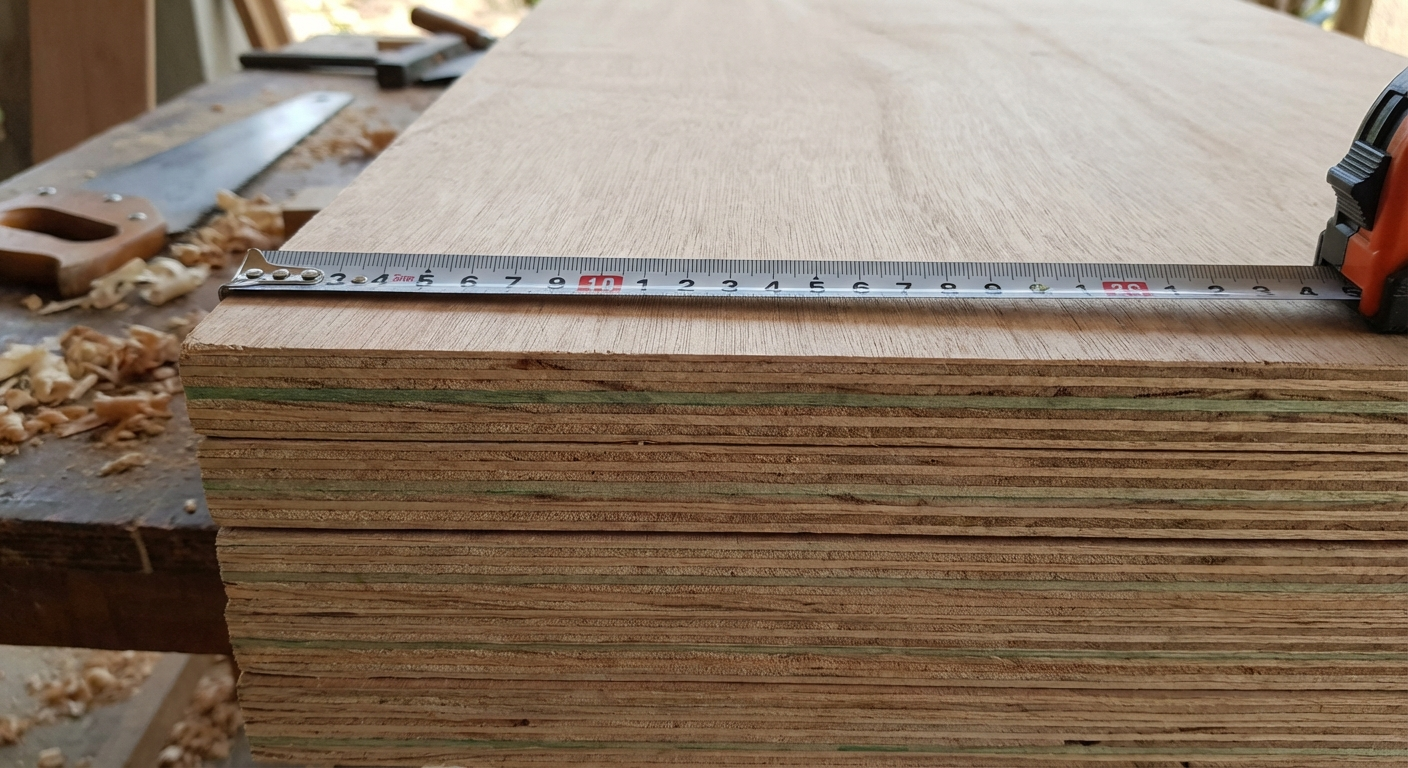
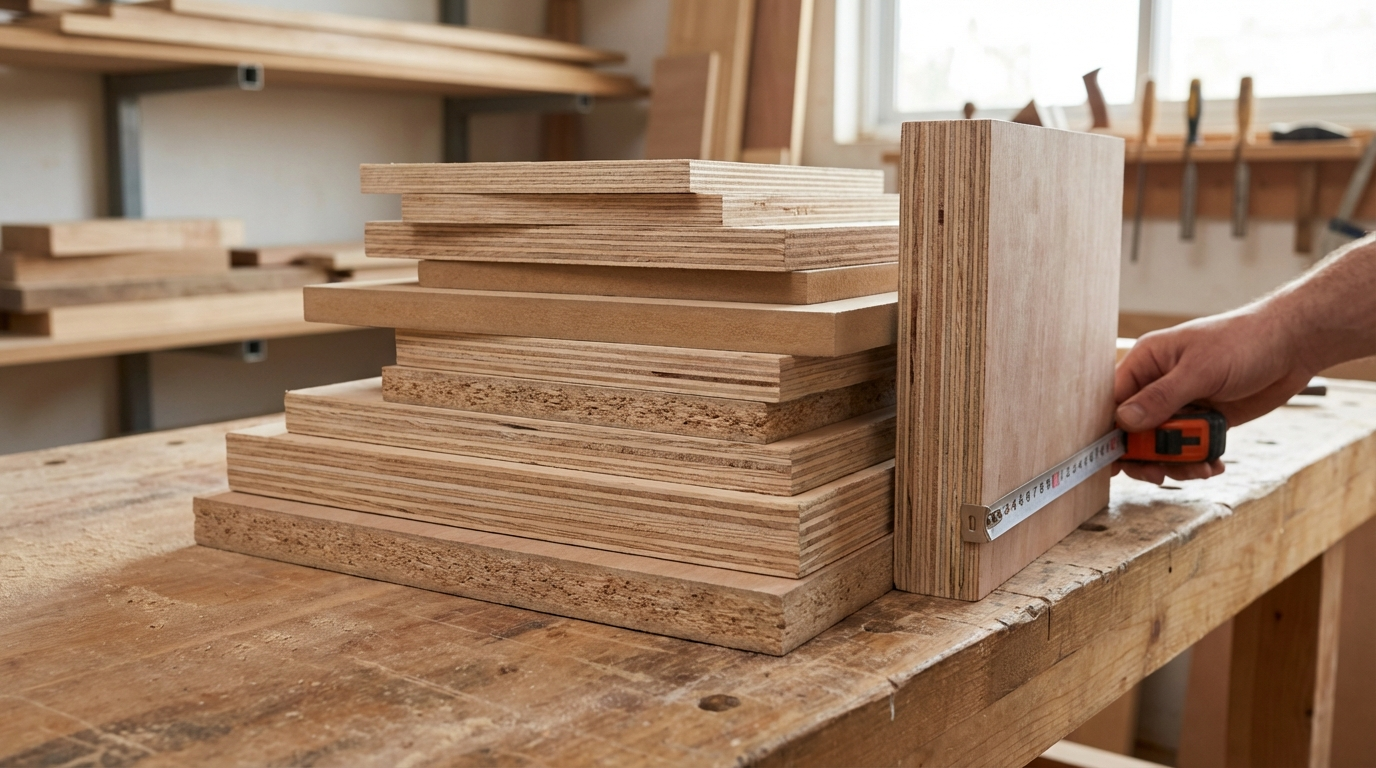
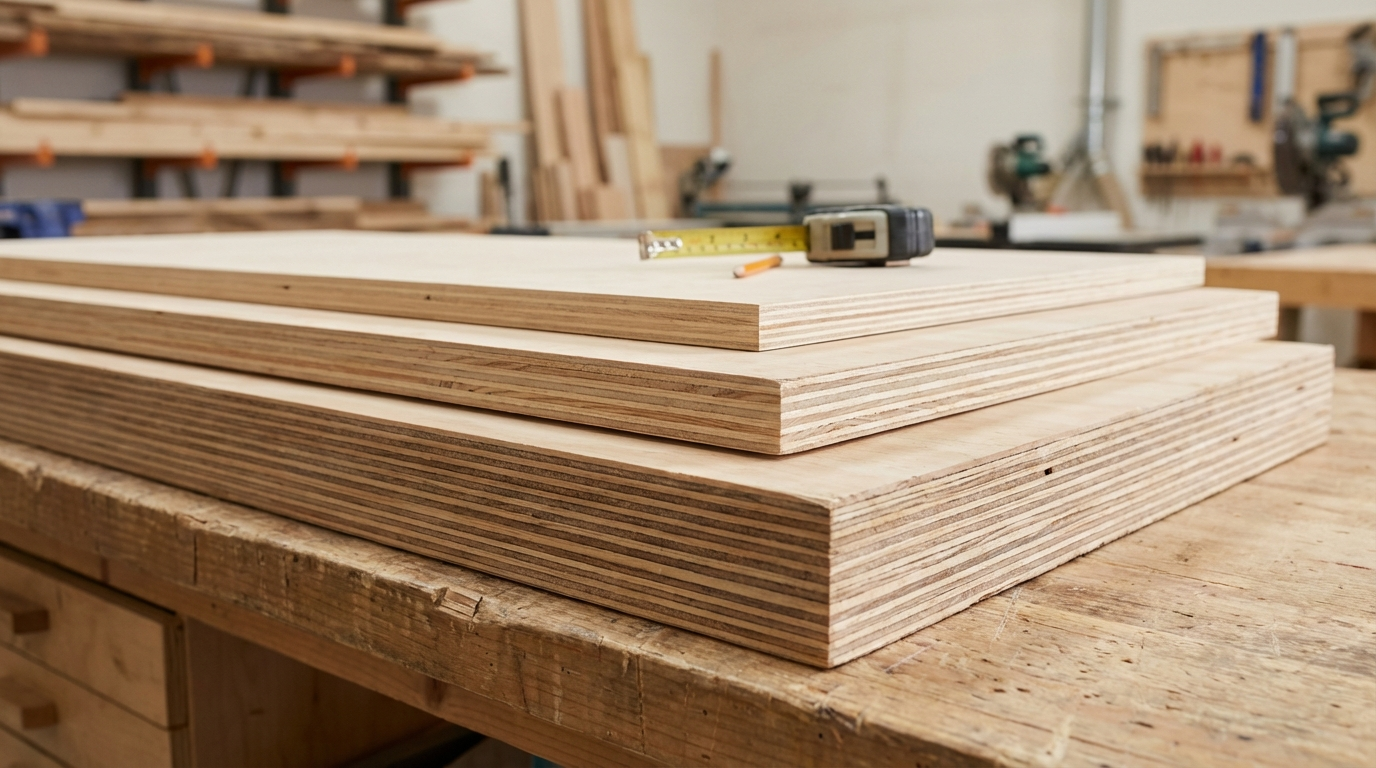
Core composition plays a pivotal role: softwoods like poplar or eucalyptus yield thinner, lighter sheets at lower costs, while hardwood cores inflate prices. Thickness matters—6mm or 9mm sheets often represent the sweet spot for affordability, as thicker 18mm or 19mm boards require more veneer layers. Regional sourcing affects baselines; northern states like Haryana and Punjab benefit from abundant poplar farms, compressing prices by 10-20% versus southern markets reliant on imported or plantation teak alternatives.
Supply chain length influences final costs: direct-from-mill purchases bypass dealer markups, which can add 15-25% in retail settings. Unbranded or local mill products undercut established names by skipping quality certifications and marketing overheads. However, seasonal fluctuations—such as monsoon-driven glue price hikes or post-harvest wood gluts—can swing low-end quotes by 5-15% within months.
Breakdown of Low-End Plywood Types and Their Price Drivers
India's plywood market segments into grades based on glue and performance, with the cheapest tiers suited for dry indoor use. MR plywood leads as the entry point, followed by basic blockboard or particleboard alternatives for specific applications.
- MR Plywood: Urea-formaldehyde bonded, ideal for interiors away from humidity. Cost drivers include veneer quality—short-grain poplar cores keep it minimal.
- Basic Shuttering Plywood: Reusable formwork sheets with recycled cores; cheaper per cycle but wears faster.
- Film-Faced for Budget Projects: Thin phenolic overlay on MR base for concrete formwork, edging out plain options in construction.
- Softwood Blockboard: Strips of low-grade wood glued into boards; rivals plywood for shelves but flexes more.
These options appeal to contractors prioritizing volume over longevity, such as in urban rental renovations or rural housing where replacement cycles are short.
Typical Price Ranges for Cheapest Variants
| Thickness (mm) | MR Plywood (Rs./sq ft) | Shuttering Plywood (Rs./sq ft) | Blockboard (Rs./sq ft) | Key Cost Notes |
|---|---|---|---|---|
| 3-6 | 20-35 | 25-40 | 22-38 | Thinnest for partitions; poplar core dominant |
| 9-12 | 30-50 | 35-55 | 32-52 | Common for furniture bases; wholesale dips lower |
| 15-18 | 45-65 | 50-70 | 48-68 | Structural use; film-faced adds 10-15% |
These ranges reflect dealer wholesale quotes in high-volume northern hubs as of recent market scans; retail adds 20-30%, and southern outlets skew 10-15% higher due to logistics. Always verify current quotes, as wood fiber costs tie to agricultural cycles.
Regional Price Variations: Where India Gets the Lowest Rates
Plywood affordability maps to India's wood-producing belts. Northern clusters around Yamunanagar (Haryana) and Saharanpur (UP) offer the baseline due to poplar monocultures, yielding MR sheets at the lower end of ranges. Dealers here cater to Delhi-NCR contractors, enabling bulk buys under standard rates.
Western markets like Bhayandar (near Mumbai) and Kandla (Gujarat) focus on shuttering variants, with port access trimming freight on imported inputs. Southern hubs—Perambur (Chennai) or Hosur (Tamil Nadu)—face premiums from eucalyptus dependency and humidity testing overheads, though local mills compete via scale.
Eastern regions (Kolkata, Guwahati) lag slightly due to bamboo integration, which softens costs for blockboard but not pure plywood. Tier-2 cities like Indore or Jaipur often match northern lows through unregulated local production, ideal for regional builders avoiding metro transport fees.
- North: Lowest absolute (poplar surplus)
- West: Competitive for shuttering (logistics edge)
- South: Moderate, humidity-adjusted
- East: Bamboo hybrids undercut plywood
Sourcing Strategies for Hitting Rock-Bottom Prices
Buyers chasing minimal costs navigate beyond retail showrooms to wholesale ecosystems. Mill-direct visits in plywood capitals like Yamunanagar yield 15-25% savings via negotiation on rejects or seconds—sheets with minor veneer gaps but functional strength.
Online platforms aggregate dealer quotes, but verify physical inspections to dodge misrepresentation. Mandi networks in Delhi's Bhagirath Palace or Mumbai's Crawford Market consolidate regional lows, with contractors leveraging truckload discounts. Government e-procurement portals occasionally list surplus stock at bid prices, though quality varies.
For homeowners, aggregator apps connect to local unbranded suppliers, but pair with site visits. Architects specify "economy MR" in bills of quantities to guide contractors toward vetted low-bid options without compromising basics.
Wholesale vs Retail Price Gap Analysis
| Channel | Typical Markup | Best For | Minimum Order |
|---|---|---|---|
| Mill Gate | Base (0-5%) | Contractors (bulk) | 50+ sheets |
| Wholesale Mandi | 10-15% | Small builders | 10-20 sheets |
| Dealer Yard | 20-30% | Homeowners | 1-5 sheets |
| Retail Showroom | 30-50% | Premium finishes | No minimum |
Risks of Opting for the Absolute Cheapest Plywood
Low-price plywood trades durability for savings, exposing users to failures in India's variable climate. Inferior glues delaminate post-monsoon, with MR grades absorbing up to 20% moisture before warping. Thin veneers crack under load, unsuitable for tabletops or cabinets bearing weight.
Unbranded sheets often skip termite treatments, accelerating decay in humid coastal areas. Core voids—air pockets from poor gluing—cause sagging in spans over 60cm. Contractors report 20-30% rework on budget stock versus mid-tier, eroding initial savings.
ISI Mark (IS 303 for MR) signals basic compliance, but absence doesn't guarantee failure—test via water soak (no separation after 6 hours) or screw hold (no pull-out). Homeowners in high-humidity zones like Kerala rethink "cheapest" for BWR upgrades, balancing lifecycle costs.
Decision Framework: Is Cheapest Plywood Right for Your Project?
Evaluate based on use case, exposure, and budget horizon. For dry interiors like false ceilings or wardrobe backs, basic MR suffices with minimal risk. Structural elements (beams, flooring underlay) demand thicker cores despite premiums.
- Assess Environment: Dry urban apartments favor lows; coastal or basement projects need resistance buffers.
- Calculate Total Ownership: Factor replacement frequency—cheapest lasts 2-4 years vs. 7-10 for mid-range.
- Negotiate Volume: Bundle with fittings for 10% rebates from dealers.
- Hybrid Approach: Visible faces mid-grade, hidden cores budget.
Contractors prioritize per-sqft metrics; homeowners weigh aesthetics and hassle. Architects layer specs: "MR ISI, min 8mm, poplar core" to anchor bids without over-specifying.
Quick Comparison: Cheapest vs Value Alternatives
| Option | Price Tier (Rs./sq ft, 12mm) | Durability (Years) | Best Use | India Climate Fit |
|---|---|---|---|---|
| Basic MR Unbranded | 30-50 | 2-5 | Partitions, backs | Dry interiors only |
| Branded MR Economy | 45-65 | 4-7 | Furniture frames | Moderate humidity |
| Entry BWR | 55-80 | 5-10 | Kitchens, bathrooms | Monsoon zones |
Practical Buying Checklist for Lowest Viable Prices
Arm yourself to secure deals without pitfalls:
- Request veneer count (odd plies for stability) and glue samples.
- Knock test: Solid thud indicates void-free core.
- Haggle on transport-included quotes for local hauls.
- Compare 3-5 suppliers via phone audits.
- Document with photos pre-install; retain invoices for claims.
In dealer ecosystems, loyalty yields informal discounts on overstock. For scale, join contractor networks sharing mill contacts.
Evolving Trends in India's Budget Plywood Market
Engineered alternatives like HDHMR erode pure plywood's low-end share, offering humidity resistance at comparable costs via high-density fibers. Recycled content mandates push mills toward cheaper composites. Post-2023 import curbs on softwood stabilize northern lows, while southern solar-dried processes trim energy costs.
Buyers increasingly demand eco-labels, nudging even budget lines toward FSC-sourced veneers without price spikes. Digital quoting tools democratize wholesale access, compressing traditional markups.
Related guides on PlyPrice
Want Plywood Suggestions?
Share a few details and a PlyPrice specialist will suggest suitable brands and connect you to responsive dealers.