Block Board Price in India: Thickness and Grade-Wise Rates
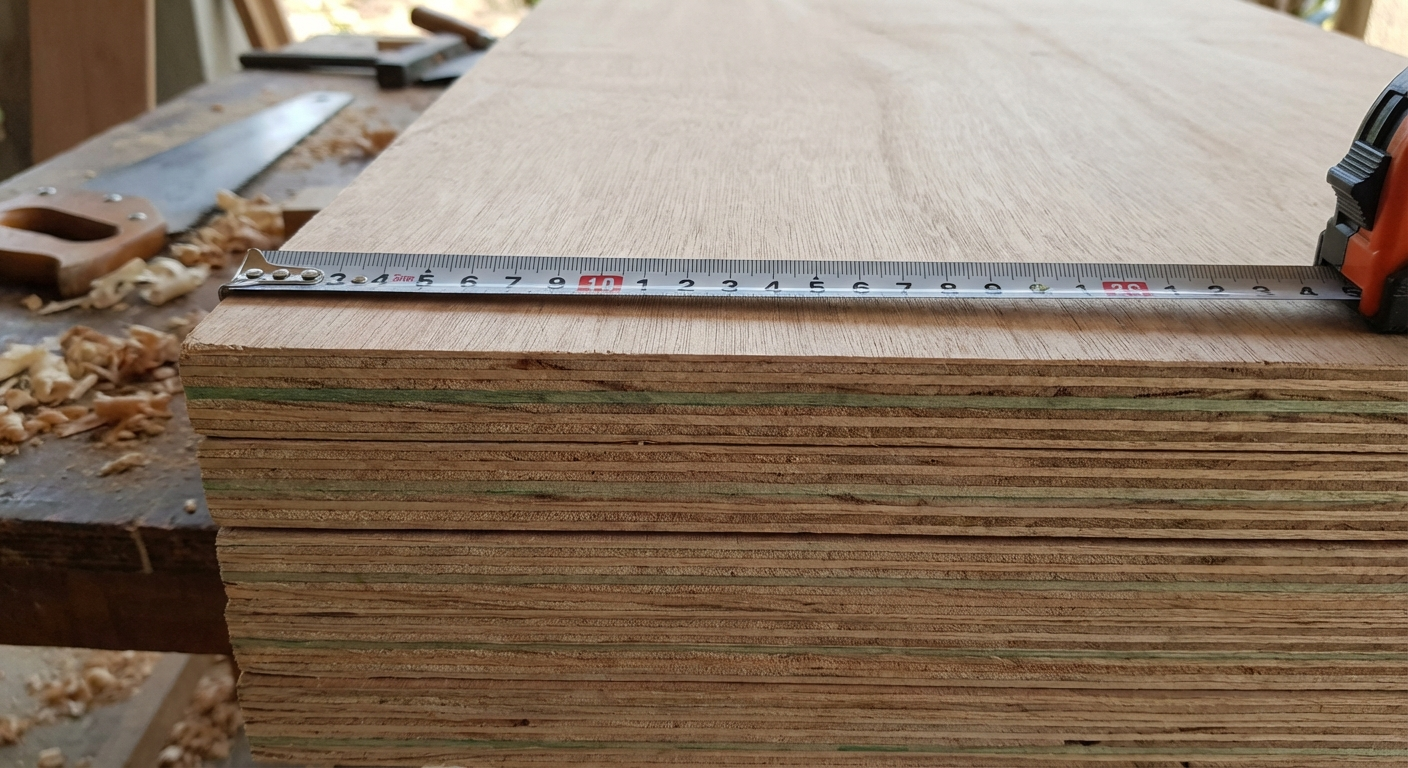
Block board price in India depends mainly on thickness, glue grade (MR, BWR or BWP) and face veneer, since every sheet is built on a core of eucalyptus or poplar strips glued edge to edge. Long hauls from northern mills also lift prices in the south.
Last updated: . Grades and standards checked against current BIS standards.
What Influences Blockboard Prices in India?
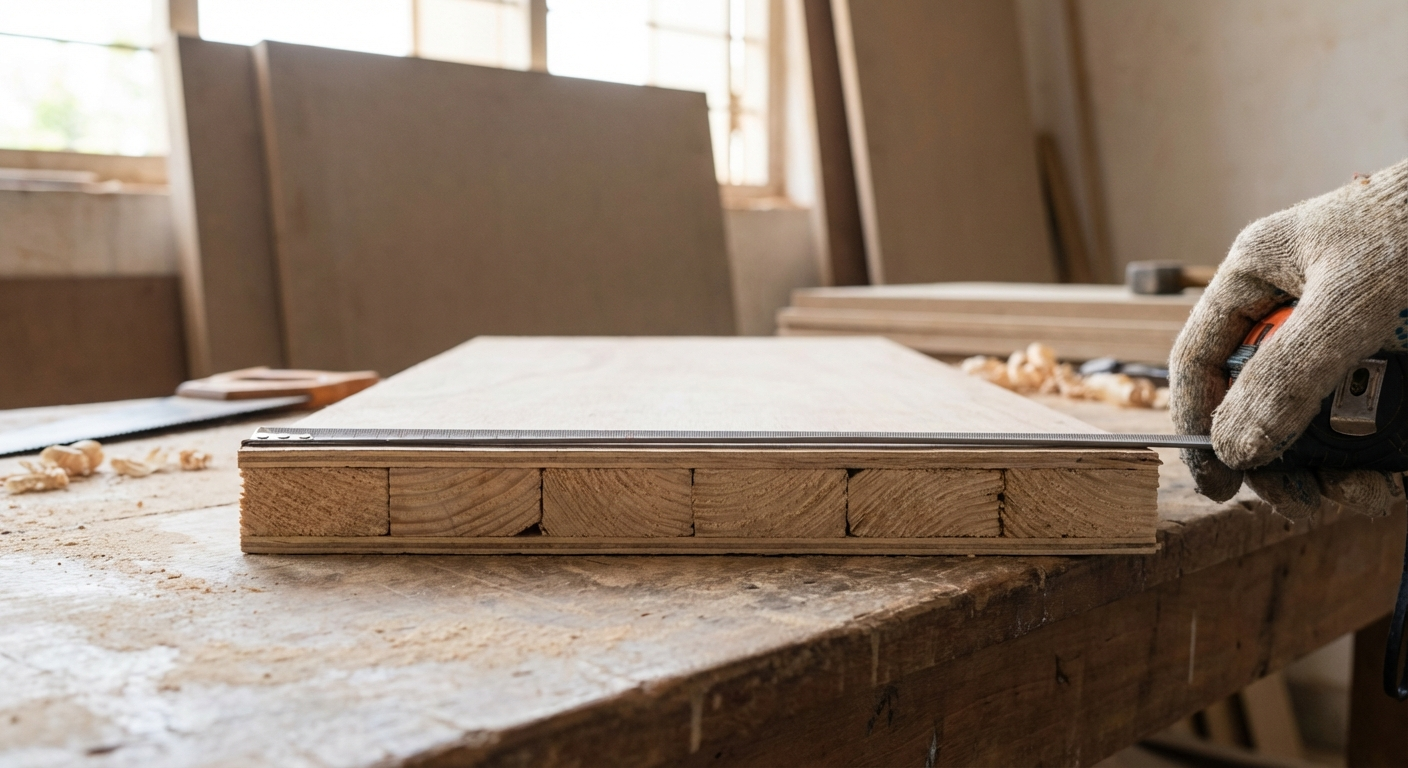
Blockboard pricing in India hinges on its construction: a core of softwood strips like eucalyptus or poplar, glued edge-to-edge and sandwiched between thin veneers. This design prioritizes screw-holding strength for furniture and partitioning, unlike plywood's layered plies or MDF's uniform density. Costs escalate with denser cores, better glues, and premium face veneers, reflecting raw material sourcing from regions like Punjab or Andhra Pradesh.
Buyers face variability due to India's decentralized supply chain—mills in northern states ship south, inflating logistics. Monsoon-season glue quality demands push MR (moisture-resistant) grades higher, while contractors negotiate bulk from wholesalers in Delhi or Mumbai hubs. Homeowners weigh per-square-foot rates against durability in humid climates like Kerala, where inferior boards warp post-installation.
Blockboard Price Ranges by Thickness: A Detailed Breakdown
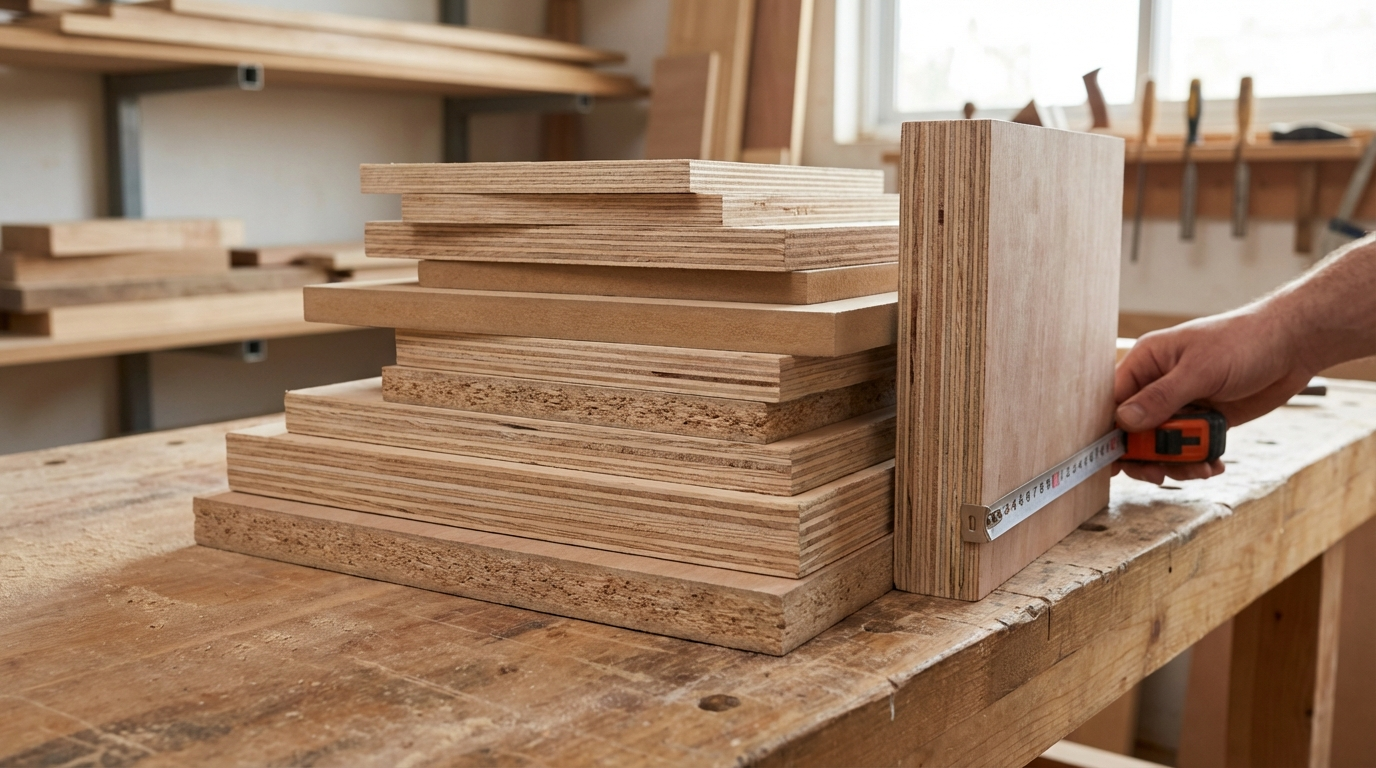
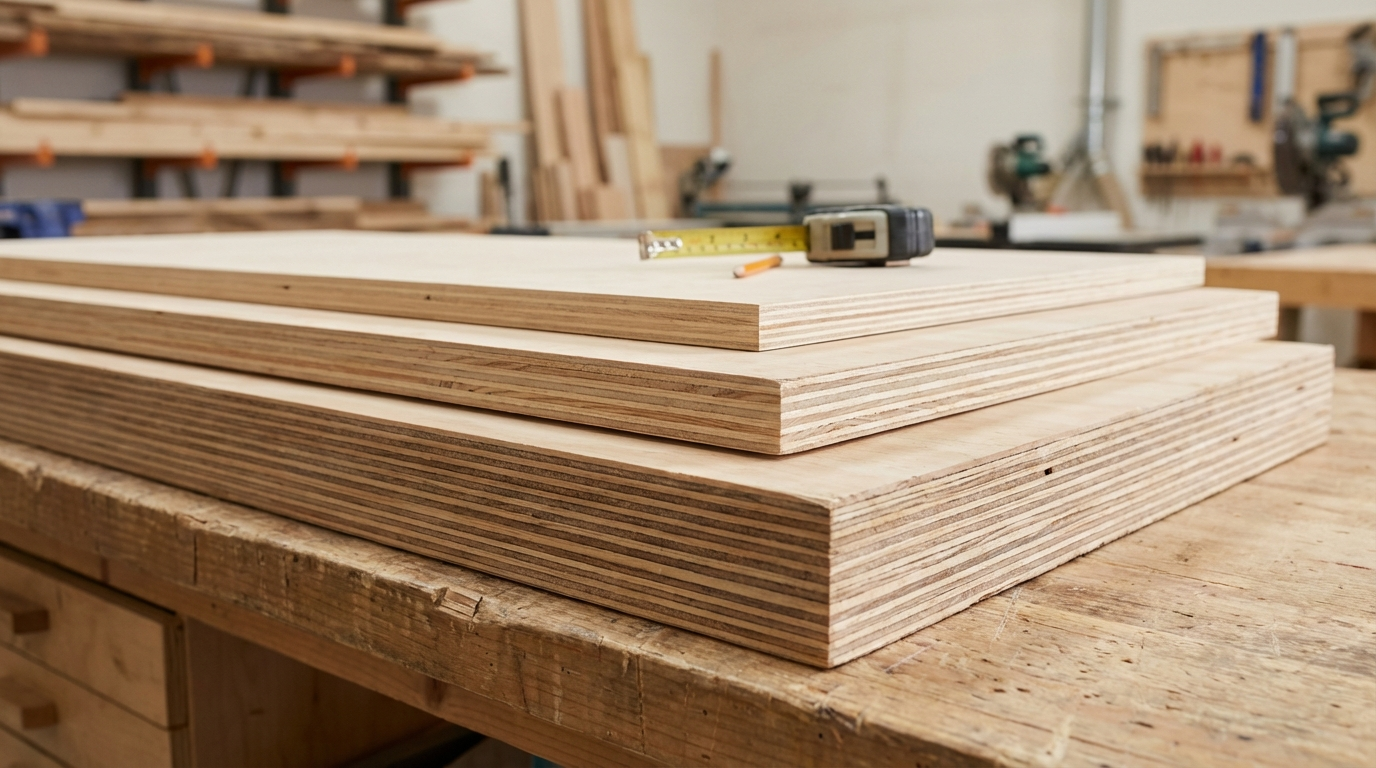
Thickness dictates 40-50% of the price variance, as thicker boards require more core wood volume. Standard sizes (8x4 feet) benchmark rates, but custom cuts add 10-20%. Here's how prices typically range across common thicknesses, assuming commercial-grade options prevalent in Indian markets.
| Thickness (mm) | MR Grade Range (Rs./sq ft) | BWR Grade Range (Rs./sq ft) | BWP Grade Range (Rs./sq ft) | Typical Use Case |
|---|---|---|---|---|
| 12 | 45-65 | 55-75 | 70-95 | Cabinets, lightweight partitions |
| 15 | 50-70 | 60-85 | 80-110 | Door frames, wardrobe backs |
| 18 | 55-80 | 70-100 | 90-130 | Standard furniture, tabletops |
| 19/21 | 60-85 | 75-105 | 100-140 | Heavy-duty shelves, commercial fittings |
| 25 | 75-110 | 90-130 | 120-170 | Workbenches, structural panels |
These ranges are indicative dealer quotes and move with timber and resin costs; resin chemical prices rose sharply in March and April 2026, so confirm current rates locally. MR suits dry interiors, BWR handles moderate humidity (e.g., Bangalore apartments), and BWP endures coastal exposure. Contractors spot-check core density—loose strips signal subpar glue, justifying lower bids.
Why Thickness Matters for Cost and Performance
From first principles, thicker cores amplify material input: a 25mm board uses nearly double the wood strips of 12mm, directly scaling costs. Yet performance jumps—18mm holds screws 30% better than 15mm, vital for modular kitchens in urban homes. Architects specify 18-19mm for load-bearing furniture, balancing budget against callbacks from sagging shelves.
Grade-Wise Pricing: MR, BWR, BWP Explained
Grades denote glue and treatment levels, not face quality alone. MR (moisture-resistant) uses urea-formaldehyde for interiors; BWR (boiling water-resistant) employs phenolic resins for semi-exposed areas; BWP (boiling water-proof) adds marine-grade boiling tests per IS:1659 standards. Premium grades cost 25-50% more due to resin imports and testing.
| Grade | Key Glue Property | Price Premium Over MR (%) | Ideal Indian Scenario |
|---|---|---|---|
| MR | Basic moisture resistance | Baseline | Air-conditioned bedrooms, Pune flats |
| BWR | 2-hour boil resistance | 20-30 | Bathroom vanities, Hyderabad row houses |
| BWP | Full boil-proof | 40-60 | Coastal doors, Mumbai sea-facing projects |
Interior designers favor BWR for versatility—its edge over MR prevents delamination in 60-70% humidity. Verify ISI marks; unbranded "commercial" boards undercut by 15-25% but fail post-monsoon.
Regional Price Variations Across Indian Markets
India's federal wood economy creates stark differentials. Northern hubs (Moradabad, Yamunanagar) produce cheaply from local poplar, undercutting southern retail by 15-20%. Transport adds Rs. 5-10/sq ft per 1000km.
- North India (Delhi-NCR, Punjab): Lowest base rates (45-70/sq ft for 18mm MR) due to mill proximity; dealers bundle with fittings.
- West India (Mumbai, Gujarat): 10-15% uplift from logistics; premium for imported faces in high-rises.
- South India (Chennai, Kerala): Highest (65-100/sq ft) from eucalyptus scarcity, teak-veneer demand.
- East India (Kolkata, Odisha): Volatile, 5-20% swings with bamboo alternatives.
Homeowners in Tier-2 cities like Jaipur save via direct mill visits; contractors leverage apps for pan-India quotes, dodging 20% retail markups.
Key Cost Drivers Beyond Thickness and Grade
Several underappreciated factors compound base pricing:
- Face Veneer: Plain eucalyptus adds nothing; teak/oak hikes 30-50% for aesthetics in luxury villas.
- Core Wood Quality: Seasoned hardwood strips resist warping, justifying 15-25% premium vs. greenwood.
- Certifications: CARB Phase 2 or E0 emission compliance signals low-formaldehyde, appealing to health-conscious buyers in Delhi, adding 10-20%.
- Market Cycles: Post-COVID wood shortages inflated 25-40%; expect softening with new plantations.
- Volume Discounts: Dealers drop 15-30% for 100+ sheets; retail singles pay full.
Hidden Costs in Installation and Longevity
Cheaper boards invite extras: edge banding (Rs. 10-15/linear ft) or polishing to mask voids. A Rs. 60/sq ft board lasting 10 years outperforms Rs. 80 one failing in 5, per lifecycle math favored by architects.
Blockboard vs. Alternatives: Comparative Pricing
Blockboard slots mid-range for furniture strength. Compare per sq ft (18mm equivalent):
| Board Type | MR Grade Range (Rs./sq ft) | Strength Edge | Drawback |
|---|---|---|---|
| Blockboard | 55-80 | Superior screw hold | Prone to core gaps if low-grade |
| Commercial Plywood | 45-70 | Better flatness | Weaker edges |
| MDF/HDHMR | 40-65 | Smooth machining | Low moisture tolerance |
| Flush Door Blockboard | 70-100 | Pre-finished | Limited customization |
Opt blockboard when screw retention trumps surface finish—MDF suits painted panels, plywood wet areas.
Practical Buying Guide for Indian Buyers
Navigate pricing pitfalls with this decision framework:
- Assess Environment: Humidity >70%? Mandate BWR+.
- Tap Density: Hammer-test core; voids = reject.
- Negotiate Smart: Quote 3 dealers, cite mill rates for 10-15% off.
- Verify Standards: IS:1659 compliance over logos; check glue lines.
- Budget Allocation: Allocate 20% extra for veneer/transport.
Contractors bulk from Yamunanagar for 20% savings; homeowners inspect samples in Ahmedabad showrooms. Avoid festive-season spikes (Diwali: +15%).
Dealer vs. Retail: Pricing Realities
Dealers offer 15-25% below retail via cash trades, no GST evasion risks. Retail chains inflate for warranties rarely claimed. Hybrid: Online aggregators bridge gaps, but inspect offline.
Trends Shaping Future Blockboard Pricing
Sustainable sourcing (FSC-certified poplar) nudges premiums 10-15%; HDHMR hybrids erode share in wardrobes. Expect 5-10% annual rise from regulations curbing unregulated mills. Savvy buyers stockpile pre-hike.
Common Buyer Queries on Blockboard Costs
Is 18mm blockboard worth the extra over 15mm?
Yes for furniture; deflection halves, extending life in loaded applications like almirahs.
How much for teak-faced blockboard?
Baseline +40-60%, viable only for visible luxury fits.
Best price cities for bulk buys?
Yamunanagar/Delhi nexus; transport offsets elsewhere.
This analysis equips decisions with causal logic, sidestepping outdated quotes. Track local mills for real-time edges.
Related guides on PlyPrice
Want Plywood Suggestions?
Share a few details and a PlyPrice specialist will suggest suitable brands and connect you to responsive dealers.