9mm BWR Plywood Price in India: 8x4 Sheet Rates, Uses and Checks
9mm BWR plywood is a phenolic-bonded, IS 303 grade sheet that balances rigidity, weight and cost, which makes it a common pick for furniture framing and paneling in humid Indian homes. Its price varies by brand, core and city, so compare quotes per 8x4 sheet.
Last updated: . Grades and standards checked against current BIS standards.
What Makes 9mm BWR Plywood a Practical Choice for Indian Projects
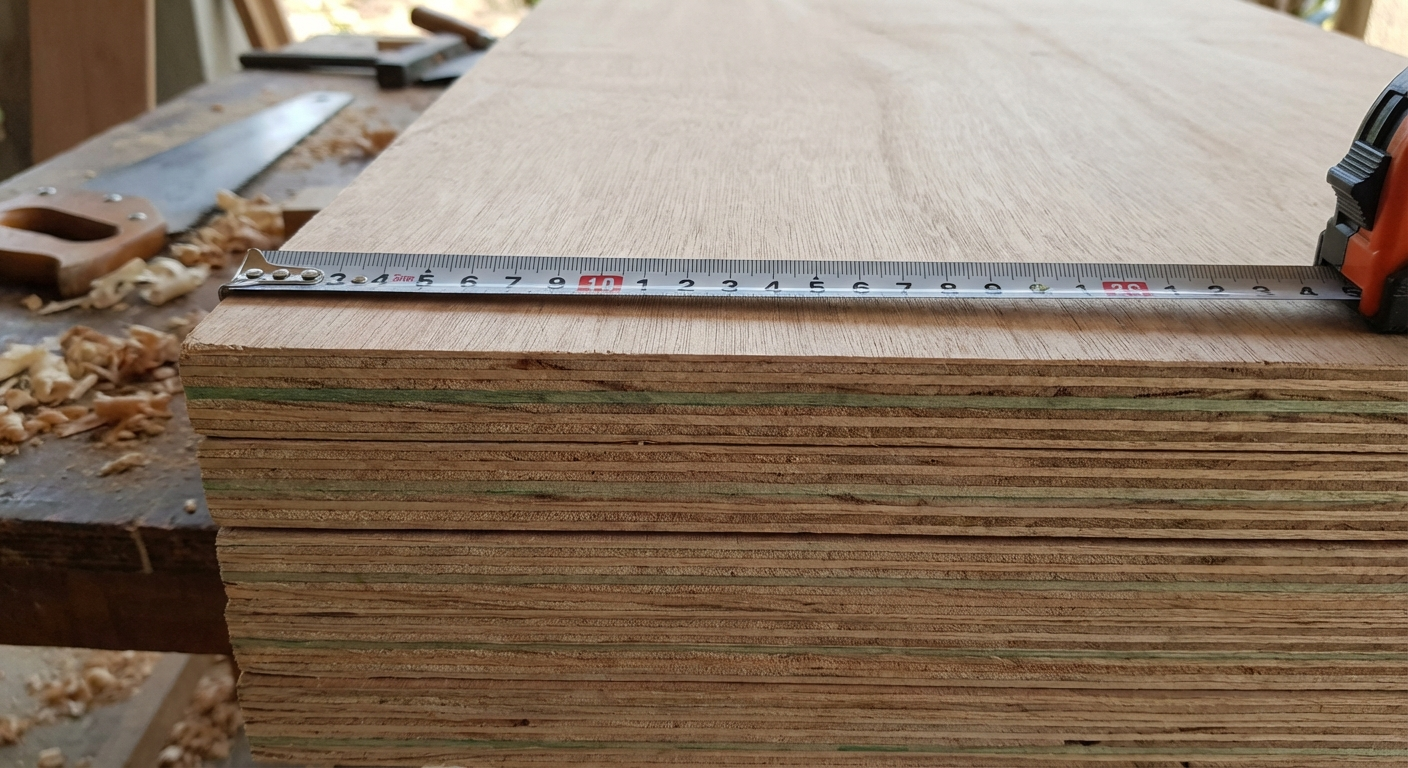
Boiling Water Resistant (BWR) plywood in 9mm thickness strikes a balance between structural integrity and cost efficiency, particularly suited to India's variable climate. Constructed from multiple layers of hardwood veneers bonded with phenolic resins under high pressure, BWR plywood withstands boiling water exposure for short durations without delaminating. This grade adheres to IS:303 standards, emphasizing its reliability for semi-exposed interiors where humidity from monsoons or kitchens poses risks.
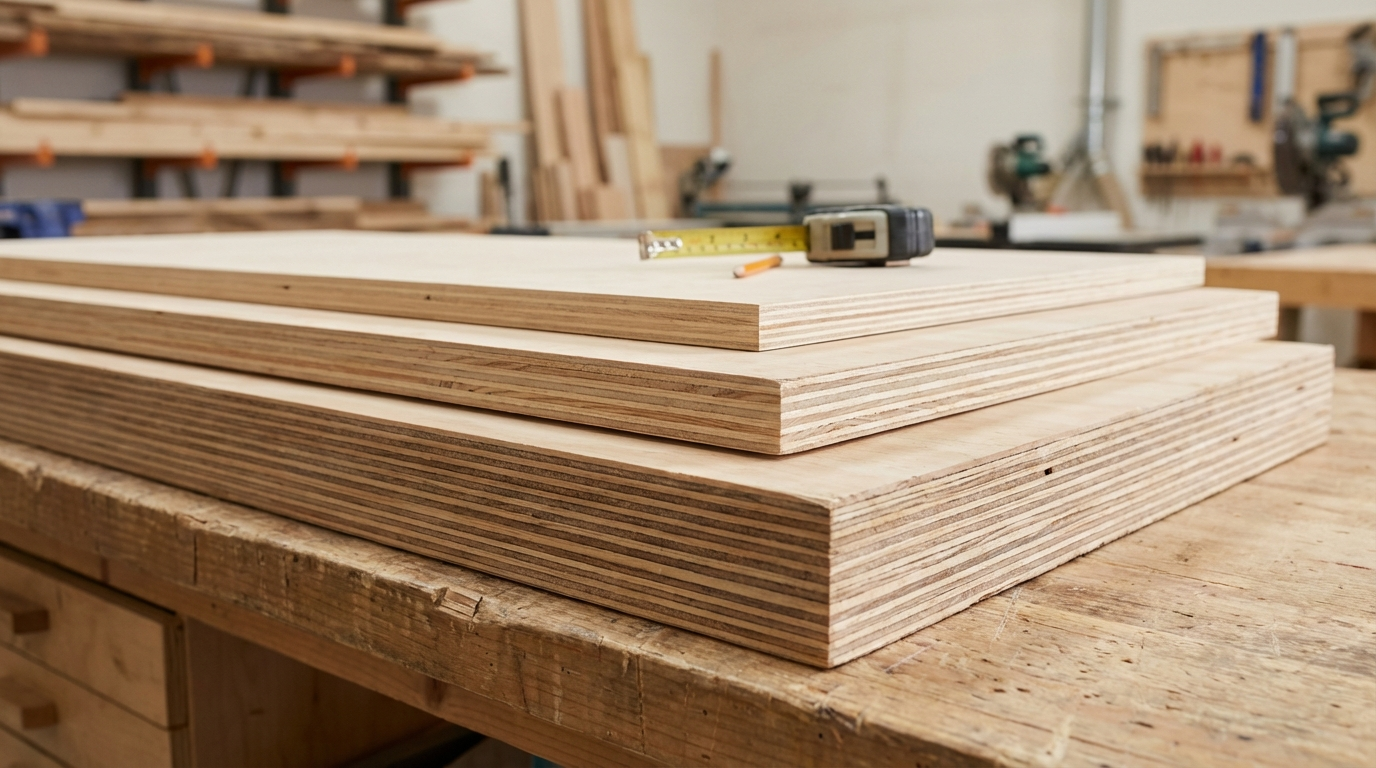
For contractors and homeowners, 9mm offers sufficient rigidity for furniture framing and paneling without excessive weight, unlike thicker 12mm or 18mm options that add unnecessary bulk and expense. Its density—typically 500-650 kg/m³—ensures strong screw-holding capacity, critical in modular furniture assembly common in urban Indian homes.
Indicative Price Ranges for 9mm BWR Plywood Sheets (8x4 ft)
Prices for standard 8x4 ft sheets fluctuate based on market dynamics. Expect economy-grade BWR at lower ends during stable supply periods, while premium variants command higher rates due to superior glue lines and veneer quality. Per square foot pricing simplifies comparisons, as sheets cover approximately 32 sq ft.
| Quality Tier | Price Range per Sq Ft (₹) | Per Sheet Estimate (₹) | Typical Brands/Characteristics |
|---|---|---|---|
| Economy | 45-60 | 1,450-1,950 | Local mills, 5-7 plies, basic Gurjan core |
| Mid-Range | 60-75 | 1,950-2,450 | Established players, calibrated edges, termite-resistant |
| Premium | 75-95 | 2,450-3,100 | ISI-certified, 9+ plies, enhanced moisture barrier |
These ranges reflect dealer quotes inclusive of GST but exclude transport. Retail markups can add 10-20%, pushing homeowner costs higher. Always verify with local wholesalers for real-time quotes, as raw material surges have driven 8-10% hikes in recent quarters.
Key Factors Driving Variations in 9mm BWR Plywood Pricing
Plywood pricing stems from foundational production elements rather than arbitrary markups. Timber sourcing dominates costs: Gurjan or Eucalyptus cores from Northeast India or imports face supply chain disruptions, elevating base prices during shortages. Resin adhesives, vital for BWR bonding, rise with petrochemical fluctuations, often 20-30% of total expense.
- Number of Plies: 9mm BWR typically uses 7-9 layers; more plies enhance stability but increase costs by 10-15%.
- Face Veneer Quality: Uniform BWR faces (BB grade or better) for painting add premiums over knotted surfaces.
- Certifications: ISI IS:303 compliance signals tested boiling resistance, justifying 15-25% uplift over uncertified sheets.
- Market Dynamics: Peak construction seasons (post-monsoon) tighten supply, while off-peak dealer discounts emerge.
Contractors benefit from bulk negotiations, shaving 5-15% off list prices, whereas homeowners face retail premiums in branded stores.
Regional Price Differences Across Major Indian Markets
India's plywood ecosystem varies by proximity to manufacturing hubs like Kerala, Andhra Pradesh, and Assam. Northern markets endure higher logistics costs, while southern dealers leverage local production.
| Region/City | Avg. Price per Sq Ft (₹) Mid-Range | Influencing Factors |
|---|---|---|
| Delhi-NCR | 65-80 | High transport from South, urban demand |
| Mumbai/Pune | 60-75 | Import competition, coastal humidity premiums |
| Bangalore | 55-70 | Proximity to factories, IT-driven interiors boom |
| Chennai | 50-65 | Local mills, competitive dealer networks |
| Kolkata | 60-75 | Eastern supply chains, monsoon impacts |
Southern tiers often undercut North by 10-15% due to shorter hauls. Cross-check via platforms like IndiaMART or local timber markets for spot rates.
Practical Usage Guidance for 9mm BWR Plywood
Deploy 9mm BWR where moderate moisture meets structural demands, aligning with Indian homeowner priorities for durable yet affordable interiors. Its 400-500 N/mm² bending strength supports spans up to 600mm in furniture, but pair with proper sealing for longevity.
Strengths in Humid Conditions
Resists delamination through three cycles of 8-hour boiling and 16-hour drying per IS tests, outperforming MR grades in kitchen splashes or bathroom vanities. In monsoon-prone areas, it maintains flatness better than thinner sheets, reducing warping callbacks for carpenters.
Installation Best Practices
- Acclimatize sheets 48 hours in site conditions to prevent expansion.
- Use 45mm screws at 150mm centers for edges, pre-drill to avoid splits.
- Apply 2-3 coats of PU polish or laminate promptly to seal edges.
- Avoid direct floor contact; elevate 10-15cm for ventilation.
For architects, specify calibrated 9mm for precise joinery in modular systems, minimizing onsite trimming losses.
Common Applications in Indian Residential and Commercial Builds
9mm BWR fits scenarios balancing load-bearing and aesthetics.
- Modular Kitchens: Overhead cabinets and shutters; withstands steam without swelling.
- Wardrobes: Partitions and lofts; screw retention prevents sagging shelves.
- Partitions: Office or home dividers; lightweight for easy handling.
- Ceiling Panels: False ceilings with laminates; spans joists economically.
- Furniture Prototyping: Contractors favor for quick-turn projects.
Not ideal for heavy-load flooring or fully submerged areas—opt for BWP there.
Comparing 9mm BWR with Alternatives: Thickness and Grade Options
Evaluate against peers for informed decisions.
| Option | Price Premium vs 9mm BWR | Use Case Edge | Drawbacks |
|---|---|---|---|
| 9mm MR Grade | 20-30% lower | Dry interiors like bedrooms | Swells in humidity |
| 12mm BWR | 25-40% higher | Door frames, heavy shelves | Heavier, costlier cuts |
| 9mm BWP | 20-35% higher | Bathrooms, exteriors | Overkill for indoors |
| 6mm BWR | 15-25% lower | Back panels | Lower rigidity |
BWR at 9mm optimizes for 70% of interior uses, avoiding MR's vulnerabilities and BWP's expense.
How to Verify and Negotiate 9mm BWR Plywood Prices Effectively
Buyers—homeowners scouting for renovations or contractors bidding projects—gain leverage through diligence.
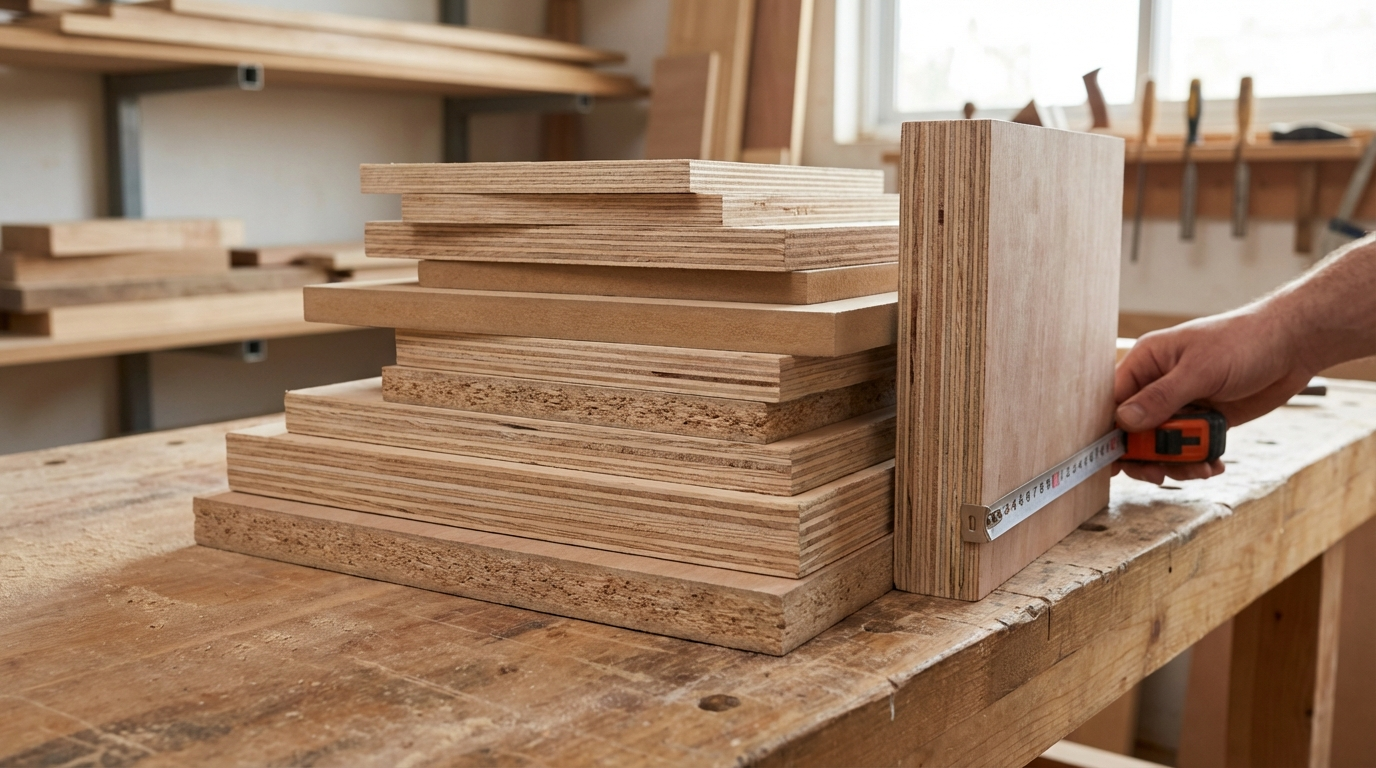
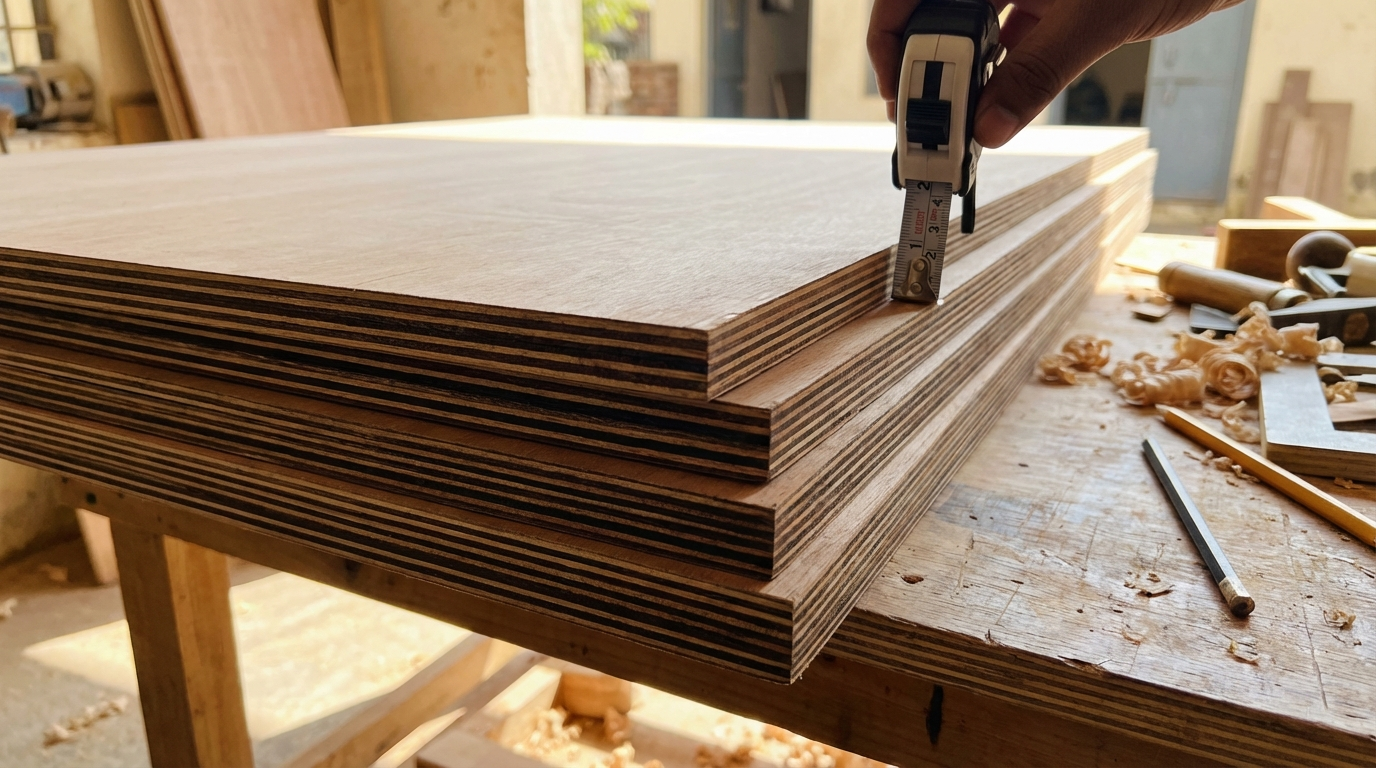
- Inspect Physically: Check for uniform thickness (caliper test), glue squeeze-out on edges, and no voids via hammer tap.
- Demand Test Reports: Boiling test proof and formaldehyde emission (E1 grade) from manufacturers.
- Compare Quotes: Approach 3-5 dealers; bulk over 50 sheets unlocks discounts.
- Time Purchases: Post-festive lulls or pre-monsoon for softer pricing.
- Ask for Ancillaries: Free edge sealing or transport in deals.
Avoid roadside stalls lacking storage; opt for covered godowns to prevent pre-damage.
Decision Framework for Homeowners, Contractors, and Designers
Homeowners prioritize value: 9mm BWR suits 2-3 BHK interiors under ₹5-10 lakh budgets. Contractors scale for volume, favoring mid-range for margins. Designers specify for aesthetics, insisting on face grades.
Upgrade Triggers: High-humidity zones (coastal) or premium laminates warrant premium tiers. Downgrade to MR only in arid, dry climates.
Track input costs like timber indices and resin chemical prices via industry portals for proactive budgeting; resin costs rose sharply in March and April 2026.
Related guides on PlyPrice
Want Plywood Suggestions?
Share a few details and a PlyPrice specialist will suggest suitable brands and connect you to responsive dealers.