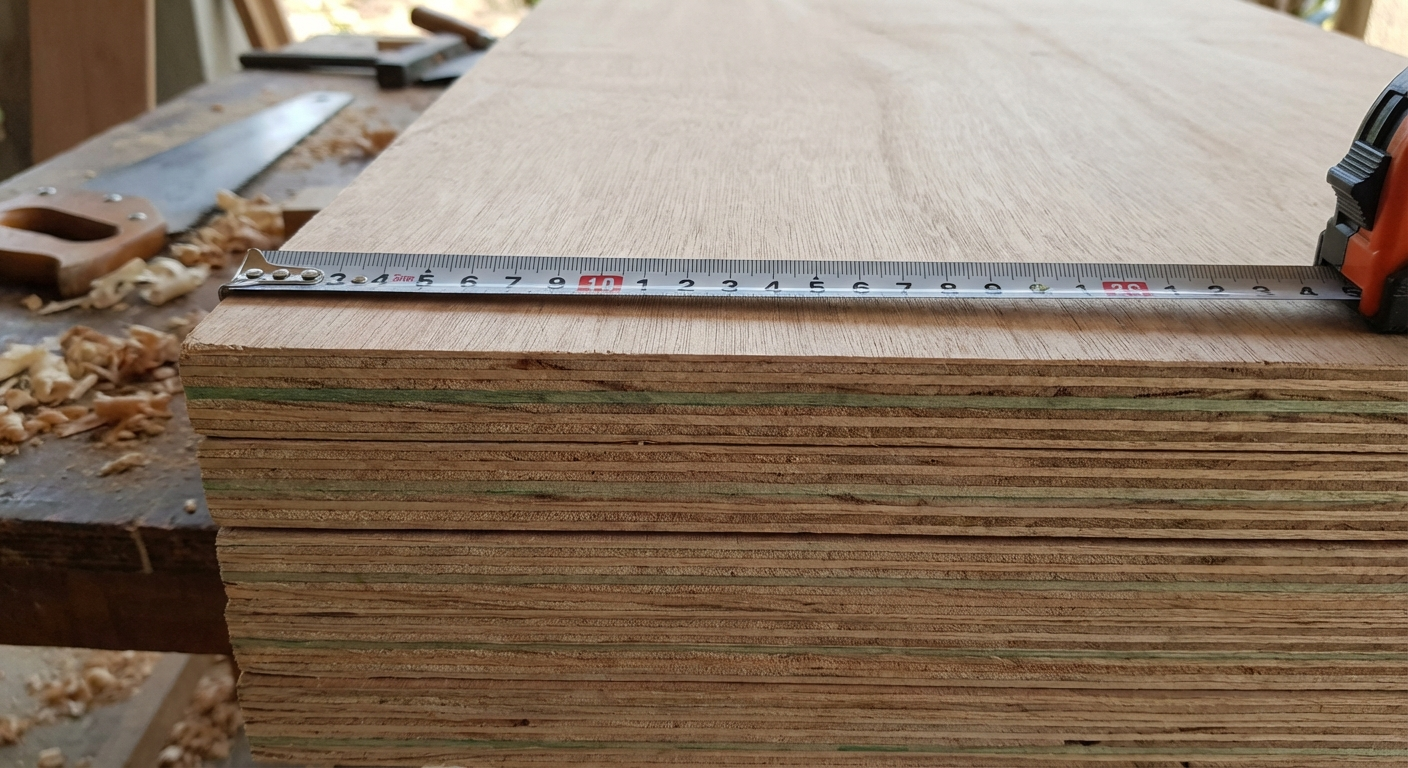
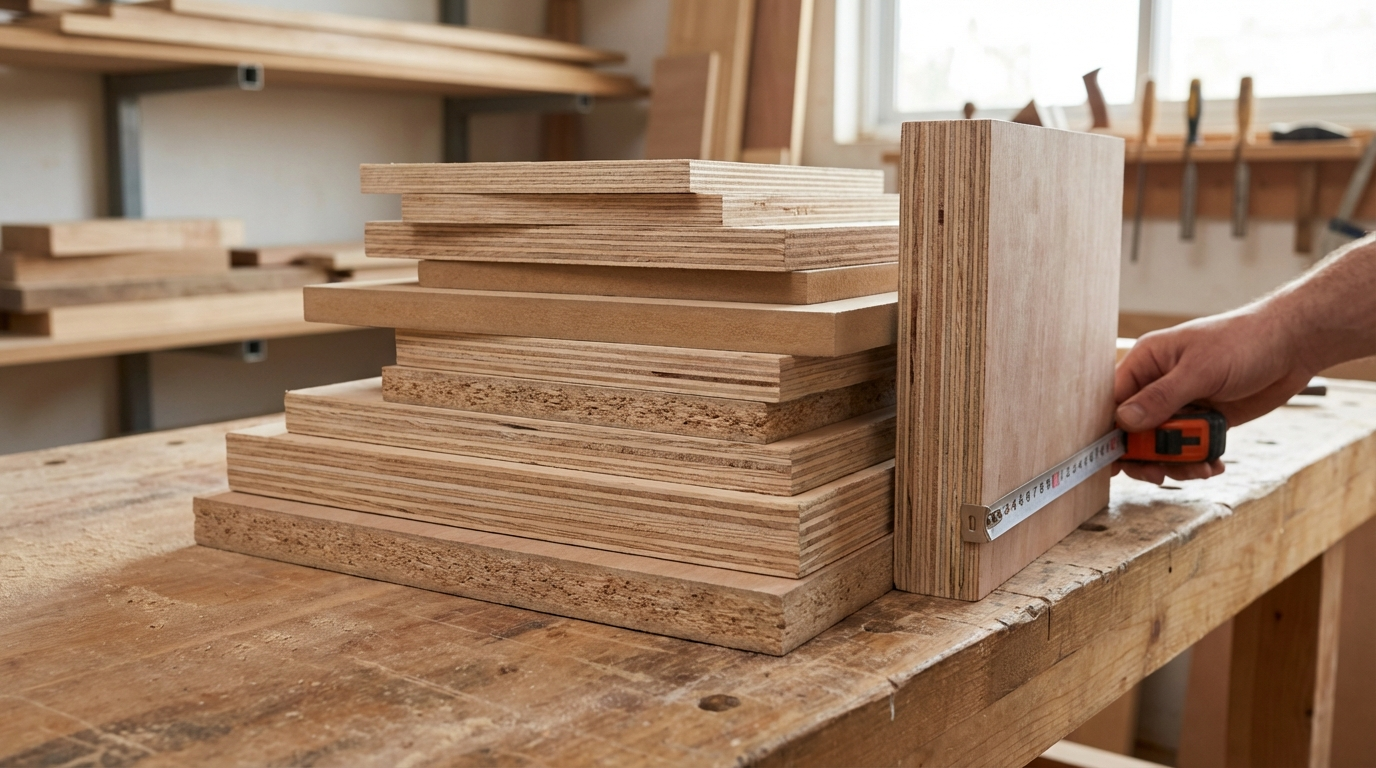
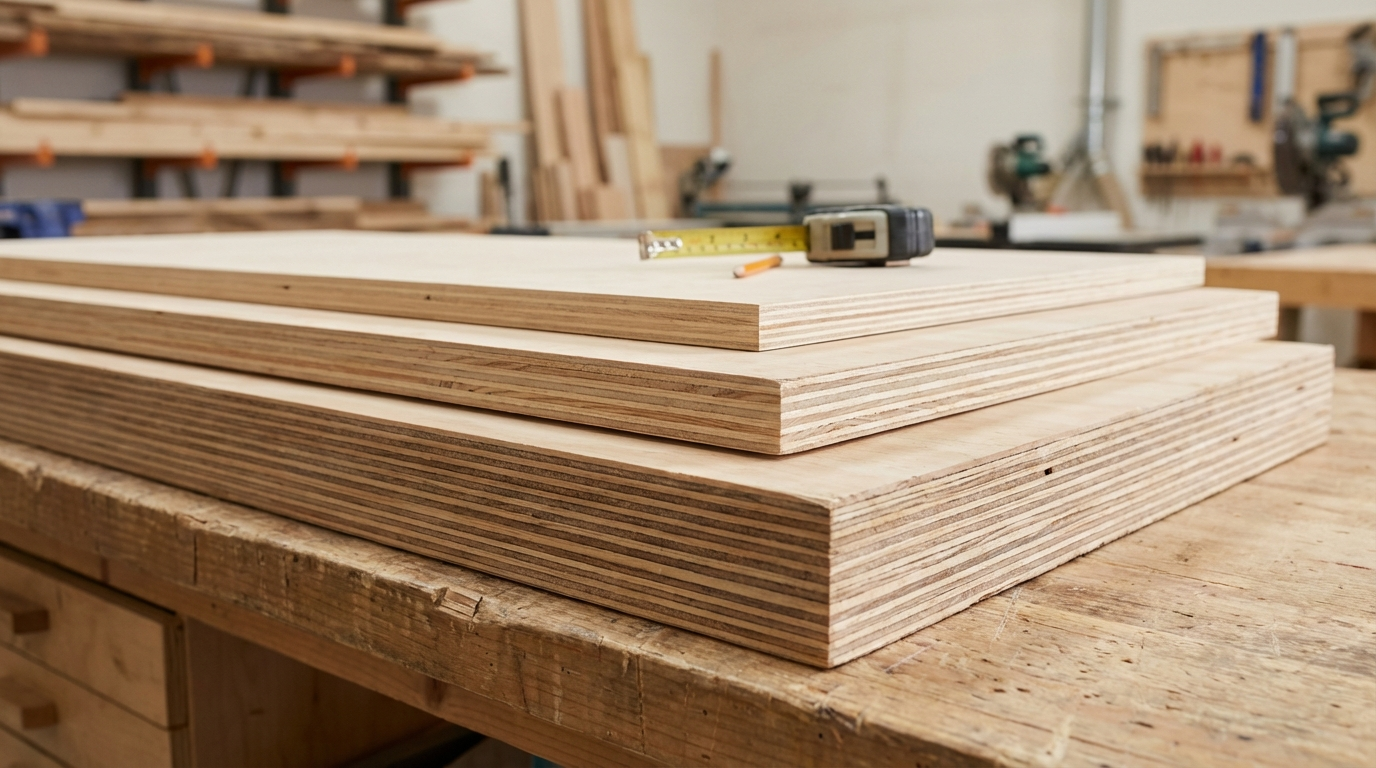
9mm BWP Plywood Price in India: Rates, Uses and ISI Checks
9mm BWP plywood is an 8x4 ft boiling water proof sheet made with phenolic glue to IS 303 (BWP grade) or IS 710 (marine), so it passes a 72-hour boil test. See what drives its price across India, the best uses, installation tips and how to spot fake BWP.
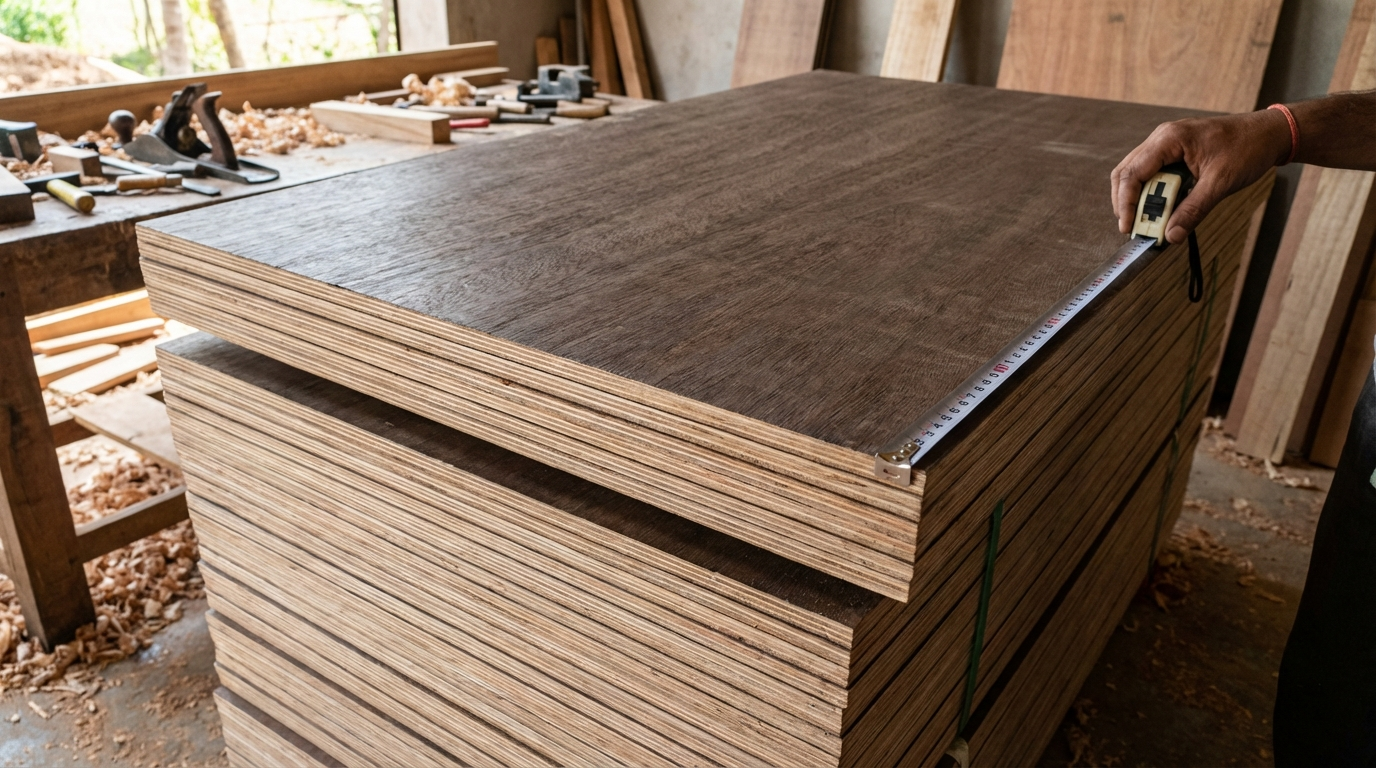
Last updated: . Grades and standards checked against current BIS standards.
What Makes 9mm BWP Plywood a Key Choice in Indian Construction?
In India's diverse climate, where humidity spikes during monsoons and coastal regions face constant moisture exposure, selecting the right plywood thickness and grade becomes critical for structural integrity and longevity. 9mm BWP (Boiling Water Proof) plywood stands out as a versatile engineered wood panel, typically measuring 8 feet by 4 feet, designed to withstand repeated boiling water tests as per IS:710 standards. This grade uses phenolic resins in its glue line, ensuring bonds remain intact even under extreme wet conditions, unlike lower grades that delaminate quickly.
From a first-principles perspective, BWP plywood's durability stems from its cross-banded veneer construction—thin wood layers glued at right angles for balanced strength. At 9mm thickness, it strikes a balance between rigidity for load-bearing and lightness for easier handling, making it suitable for both interior and semi-exterior applications. Homeowners renovating kitchens in Mumbai apartments or contractors building wardrobes in Delhi bungalows often prioritize this spec for its resistance to warping in India's variable humidity levels, which can range from 20% in dry winters to over 90% during rains.
Understanding Price Ranges for 9mm BWP Plywood Across India
Prices for 9mm BWP plywood fluctuate based on raw material sourcing, manufacturing location, and market dynamics, typically falling into broad tiers rather than fixed figures. Entry-level options from northern mills might start in the lower range for basic compliance, while premium southern variants command higher premiums due to better hardwood cores like poplar or eucalyptus.
| Quality Tier | Typical Price Range (per 8x4 sheet) | Regional Variation Examples | Key Influences |
|---|---|---|---|
| Standard Grade | Lower mid-range | North India (Delhi, UP): Slightly lower due to proximity to mills South India (Kerala, TN): Mid due to export-grade sourcing |
Basic IS:710 compliance, softwood core |
| Mid-Premium | Mid-range | West India (Mumbai, Gujarat): Higher from urban transport costs East India (Kolkata): Balanced with local bamboo blends |
Hardwood core, consistent glue spread |
| High-End | Upper mid-range to higher | Coastal areas (Chennai, Goa): Elevated for marine-grade extras Central India (MP, Chhattisgarh): Lower from raw material abundance |
100% hardwood, enhanced surface treatments |
These ranges reflect dealer-reported trends, influenced by timber, resin and fuel costs. For instance, a contractor in Hyderabad might pay 10-15% less than one in Bangalore due to shorter supply chains from Andhra Pradesh mills. Always verify with local dealers, as festive seasons or raw wood shortages can push prices up by 20% temporarily.
Key Factors Driving Variations in 9mm BWP Plywood Costs
Buyers often overlook how production inputs dictate pricing. Timber core quality is paramount: poplar-dominant cores from northern India keep costs down but may absorb more moisture if not fully sealed, while gurjan or eucalyptus from the south offers superior density at a relative premium.
- Raw Material Sourcing: Imported hardwoods inflate costs by 25-30% compared to domestic alternatives, especially post-2023 timber regulations favoring sustainable plantations.
- Manufacturing Standards: Factories adhering strictly to IS:710 (e.g., 72-hour boil test) charge more than those with minimal certification, as testing equipment and quality control add overhead.
- Regional Logistics: Transport from Punjab mills to Kerala can add 15% due to distance and tolls, explaining why coastal buyers prefer local producers.
- Volume and Negotiation: Contractors buying 50+ sheets negotiate 10-20% discounts from wholesalers, unavailable to individual homeowners.
- Add-ons like Laminates: Pre-laminated 9mm BWP variants cost 20-40% more, appealing to interior designers skipping separate finishing.
In buyer decision logic, architects weigh these against project timelines—opting for mid-tier to avoid delays from stockouts of cheaper grades during peak construction seasons like post-monsoon.
Ideal Applications for 9mm BWP Plywood in Indian Homes and Projects
9mm thickness provides sufficient stiffness for spans up to 24-30 inches without excessive deflection, ideal for non-structural elements exposed to moisture. Unlike thinner 6mm sheets prone to sagging, 9mm handles moderate loads like wall-mounted cabinets.
Common uses include:
- Kitchen Shutters and Cabinets: Resists steam and spills in humid Indian kitchens; pair with SS hardware for longevity.
- Wardrobes and Almiraahs: In bedrooms with poor ventilation, BWP prevents fungal growth better than MR grades.
- Bathroom Partitions: Semi-wet areas where full marine might be overkill; seal edges with epoxy for extra protection.
- False Ceilings and Partitions: Lightweight yet rigid for gypsum-alternatives in apartments.
- Furniture like Beds and Tables: Contractors in tier-2 cities use it for cost-effective, durable frames.
For contractors, it's a go-to for multi-unit housing where budget constraints meet monsoon deadlines. Homeowners in coastal Gujarat, however, might upgrade to 12mm for heavier furniture to minimize long-term callbacks.
Practical Usage Guidance: Installation Best Practices
Proper installation maximizes 9mm BWP's lifespan, which can exceed 15-20 years in moderate conditions. Start with acclimatization: store sheets flat in site conditions for 48 hours to match ambient humidity, preventing cupping post-fixing.
- Surface Prep: Sand edges lightly; apply two coats of synthetic enamel on cut ends to block moisture ingress.
- Fixing Methods: Use 1.5-inch counter-sunk screws at 6-8 inch centers along edges, spaced 12 inches in the field. For partitions, add wooden battens every 16 inches.
- Finishing: Laminate or polish within 7 days; avoid oil-based paints that trap heat in tropical climates.
- Load Considerations: Safe for 50-75 kg distributed load on 24-inch spans; reinforce with ply clips for shelves.
In practice, interior designers in Pune recommend vertical grain orientation for shutters to enhance screw-holding strength. Neglect these, and delamination risks rise in unventilated spaces like Indian wardrobes stuffed with clothes.
Maintenance Tips to Extend 9mm BWP Plywood Durability
Post-installation care is straightforward but often ignored by homeowners. Wipe spills immediately with damp cloth—no soaking. In high-humidity zones like Kolkata, apply annual sealant on joints. Avoid direct water jets during cleaning; for pest-prone areas, integrate termite powder in fixings rather than drilling later.
Common pitfalls: Overloading shelves leads to bowing, fixable by adding supports. In monsoons, ensure room dehumidifiers run to keep RH below 70%.
Comparing 9mm BWP with Other Plywood Options
Buyers must contextualize BWP against alternatives based on exposure levels and budgets.
| Grade/Thickness | Moisture Resistance | Price Relative to 9mm BWP | Best For | Not Ideal For |
|---|---|---|---|---|
| 9mm MR | Low (interior dry only) | 30-40% lower | Dry false ceilings | Wet kitchens |
| 9mm BWR | Medium (hot water resistant) | 10-20% lower | General furniture | Boiling exposure |
| 12mm BWP | High (same as 9mm) | 25-35% higher | Floors, heavy shelves | Lightweight partitions |
| 6mm BWP | High | 20-25% lower | Curtain pelmets | Load-bearing |
BWP's edge lies in boil-proofing, justifying the premium over BWR for architects specifying in coastal tenders. HDHMR alternatives match moisture resistance at similar costs but lack plywood's screw-holding for hardware-heavy designs.
Strategic Buying Guide for 9mm BWP Plywood
Navigate India's dealer ecosystem wisely: wholesalers in industrial hubs like Moradabad offer bulk deals, while retail chains in metros provide cut-to-size but at markups.
- For Homeowners: Visit 2-3 local dealers; demand ISI mark and test report. Buy 10% extra for wastage.
- For Contractors: Source from mills via platforms like IndiaMART; negotiate on 50-sheet lots for 15% off.
- Architects/Designers: Specify core wood type in BOQs to control variance; prefer southern brands for consistency.
Red flags: Unsealed edges, glue smell (formaldehyde excess), or inconsistent thickness. Test by tapping—hollow sounds indicate voids.
Regional Price Nuances and Sourcing Strategies
North India benefits from UP/Bihar mills, keeping ranges tighter; South leverages Kerala plantations for denser cores at slight premiums. Mumbai's market sees urban surcharges, but proximity to Gujarat ports aids imports. East and Central regions balance with bamboo hybrids, lowering costs amid rising hardwood tariffs.
Trend insight: Post-2024 sustainability pushes, FSC-certified variants add 10-15%, appealing to green-building projects under IGBC norms.
FAQs on 9mm BWP Plywood Pricing and Usage
Is 9mm BWP suitable for outdoor use?
Not directly; seal all sides and avoid prolonged rain. For verandas, opt for 12mm or dedicated exterior grades.
How much does 9mm BWP plywood cost per square foot?
Roughly 15-25% of sheet ranges divided by 32 sq ft, varying by tier—calculate based on local quotes for accuracy.
What's the difference between BWP and marine plywood?
Marine is a subset of BWP with stricter hardwood specs; both pass boil tests, but marine suits shipbuilding extremes.
Can 9mm BWP be used for flooring?
Over subfloors yes, but underlay with insulation; prefers 12-18mm for direct traffic.
How to spot fake BWP plywood?
Boil test sample edge: genuine holds; check BIS license number etched on sheet.
This guide equips buyers with reasoning to match 9mm BWP plywood to needs, balancing cost against India's real-world demands.
Related guides on PlyPrice
Want Plywood Suggestions?
Share a few details and a PlyPrice specialist will suggest suitable brands and connect you to responsive dealers.