6mm BWR Plywood Price in India: Cost Drivers, Uses and Buying Tips
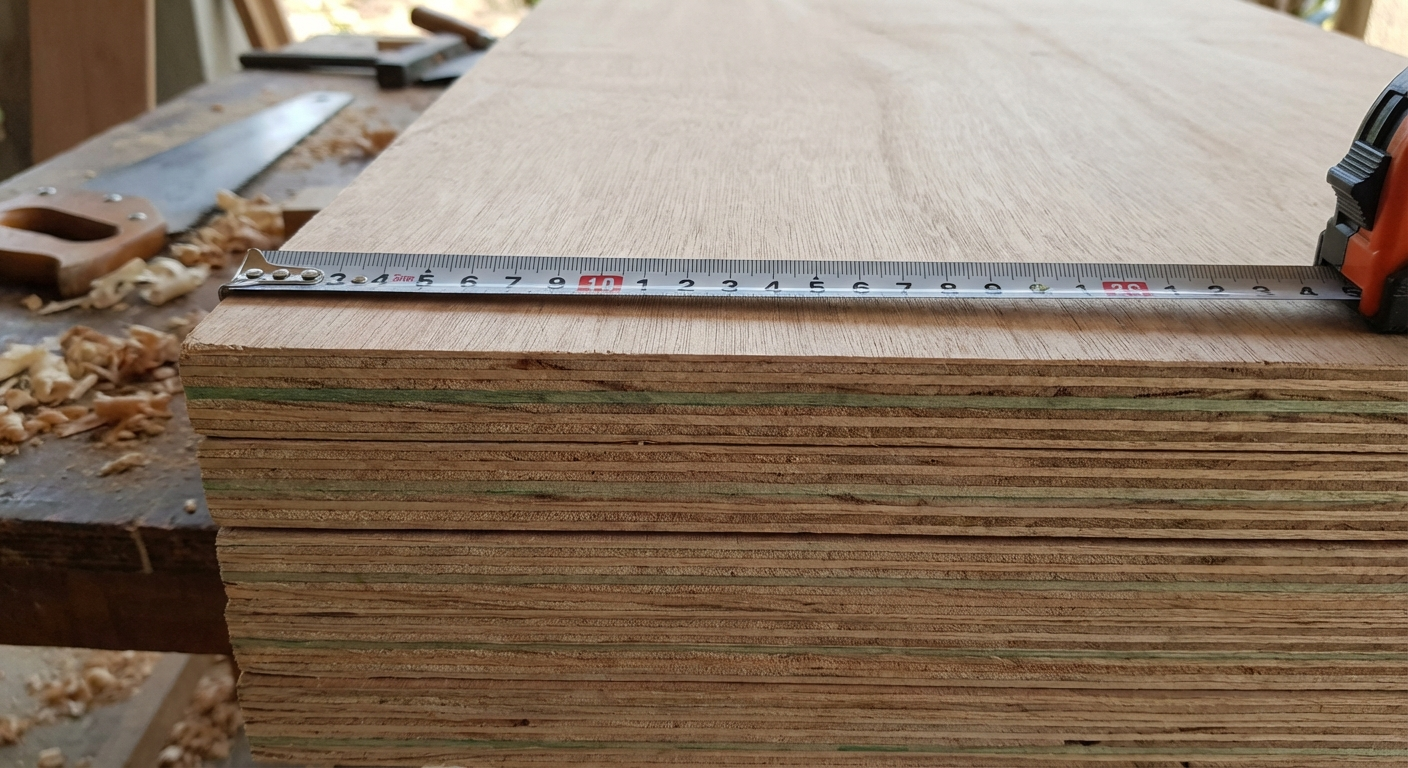
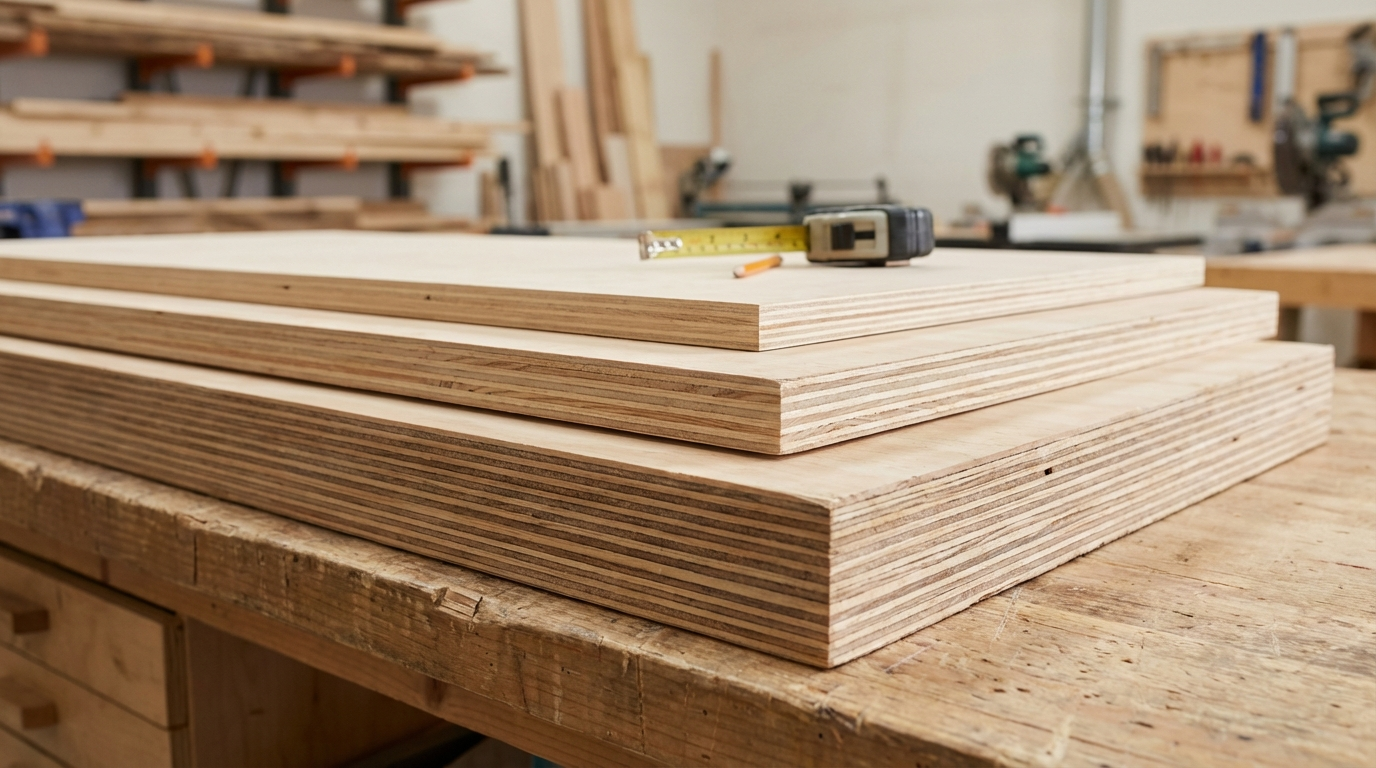
6mm BWR plywood is boiling water resistant ply tested to survive up to 8 hours of boiling without delaminating, sold in 8 ft x 4 ft sheets that actually measure about 5.2-5.8mm. Prices vary by brand and core, so compare per sq ft rates with MR and HDHMR.
What Defines 6mm BWR Plywood in the Indian Market
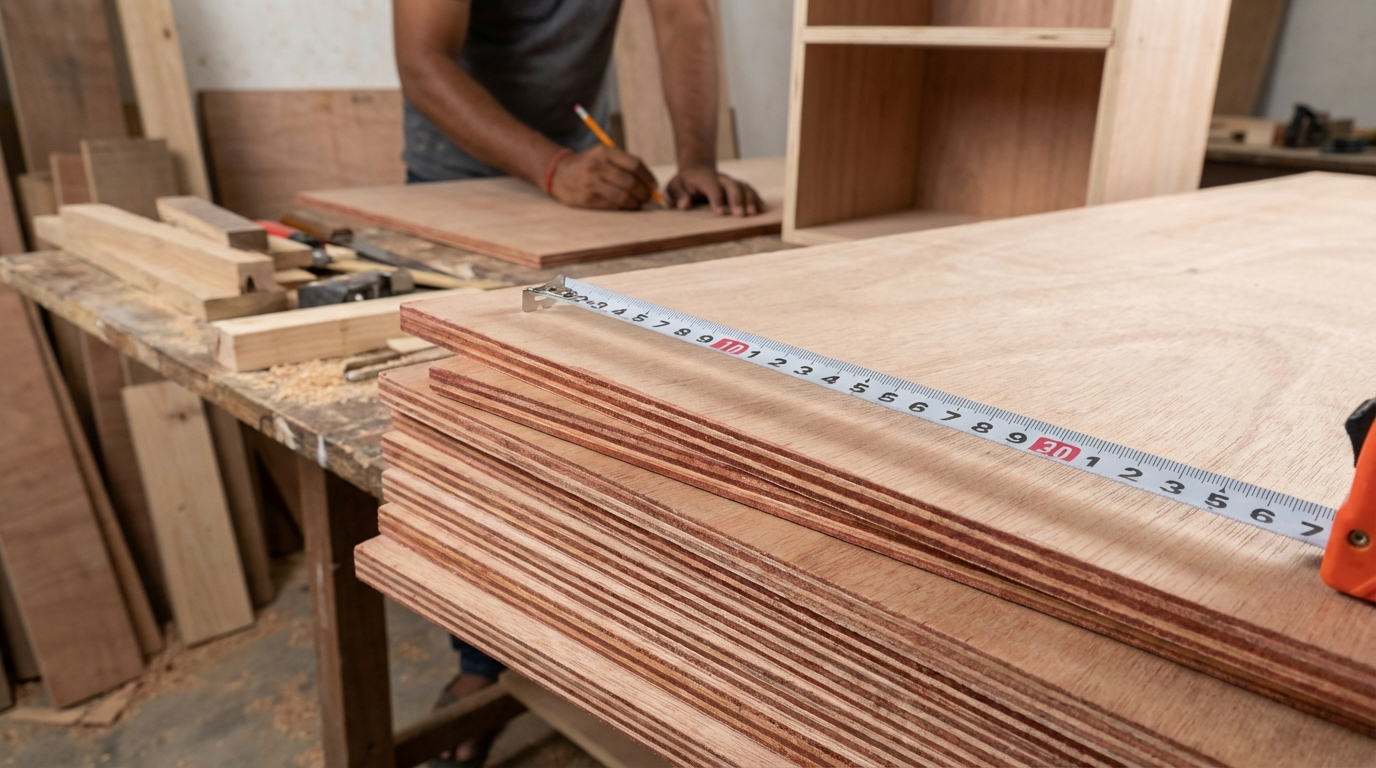
Boiling Water Resistant (BWR) plywood at 6mm thickness serves as a staple in India's interior construction and furniture sectors. This grade undergoes testing where assembled panels withstand boiling in water for up to 8 hours without delaminating, per relevant Indian standards. Unlike MR (Moisture Resistant) plywood suited only for dry indoor use, BWR handles humid conditions common in coastal or monsoon-prone regions like Mumbai, Chennai, or Kolkata.
The standard dimension remains 8 feet by 4 feet (2440mm x 1220mm), with thickness precisely at 5.2-5.8mm in commercial practice to account for manufacturing tolerances. Core composition varies—softwood like poplar for lighter weight and cost, or hardwood mixes for density. Face and back veneers, typically 1.0-1.2mm thick, determine finish quality, influencing both aesthetics and price positioning.
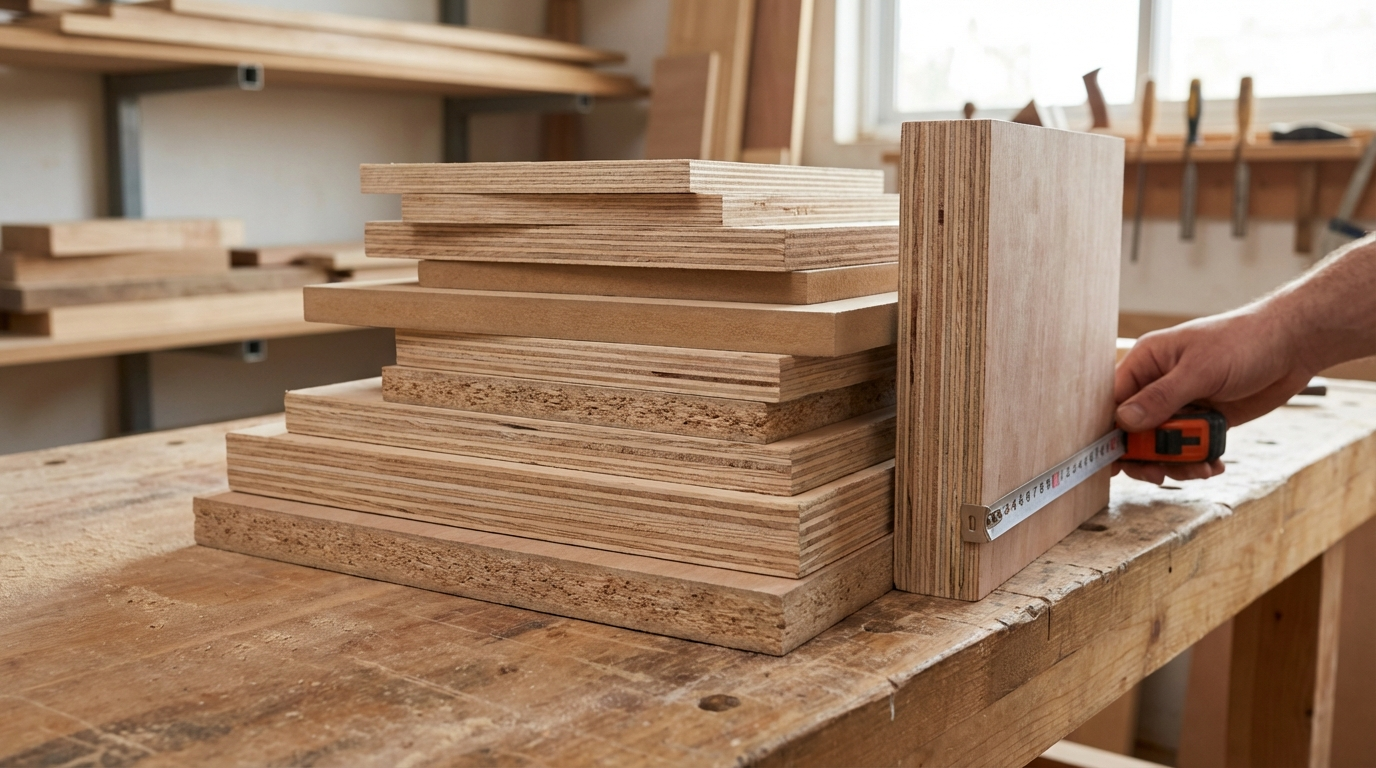
Buyers differentiate BWR via glue type (PF-based resins for superior bonding), number of plies (usually 5-7 for 6mm), and grading like ISI IS:303, which mandates minimum strength thresholds. In practice, contractors prioritize edge sealing and screw-holding capacity for modular kitchens, while homeowners focus on smooth sanding for painting.
Factors Driving Price Variations for 6mm BWR Plywood
Prices fluctuate based on inherent material properties and supply chain dynamics. Raw wood costs, dominated by imported poplar from Southeast Asia or domestic eucalyptus, rise during timber shortages or export duties. Resin pricing ties to petrochemical fluctuations, adding 10-15% volatility annually.
Manufacturing location matters: Northern mills near Punjab's poplar belts produce lower-cost sheets compared to southern facilities relying on teak or rubberwood. Brand positioning elevates costs—established names invest in consistent quality control, justifying premiums through warranties against warping.
| Factor | Low-End Impact | Mid-Range Impact | High-End Impact |
|---|---|---|---|
| Core Material | Poplar/eucalyptus (lighter, cheaper) | Mixed softwood | Hardwood blends (denser, stronger) |
| Face Veneer | Basic commercial grade | Quarter-cut for uniformity | Rotary-cut premium with fine grain |
| Certifications | None or basic | ISI-marked | ISI + CARB-E0 emission compliant |
| Processing | Standard pressing | Hot pressing | Vacuum pressing + pre-pressing |
| Market Tier | Dealer bulk (10-20% discount) | Retail shelf | Architect-spec premium |
These elements create a spectrum: basic 6mm BWR might align with entry-level budgets, while feature-rich variants cater to durability-focused projects. Seasonal monsoons spike demand in repair works, pushing prices upward by 5-10% in Q2-Q3.
Raw Material and Production Cost Breakdown
From first principles, plywood pricing decomposes into veneers (40-50%), adhesives (20-25%), labor/energy (15-20%), and overheads (10-15%). A 6mm sheet requires thinner plies, reducing glue volume but demanding precise alignment to avoid telegraphing—visible core impressions post-finishing.
In India, kiln-drying efficiency separates mills: under-dried sheets prone to shrinkage in Delhi's dry winters versus Hyderabad's humidity. Emission norms increasingly favor urea-melamine-formaldehyde glues with lower formaldehyde, nudging costs higher for compliant products.
Typical Price Ranges for 6mm BWR Plywood Across India
Expect entry-level 6mm BWR plywood to start from lower ranges in wholesale hubs like Delhi's Bhagirath Palace or Indore markets, scaling up in branded retail. Mid-tier options, balancing ISI compliance and decent veneer, occupy the central band, while top-grade sheets with enhanced moisture metrics command peaks.
- Northern India (Delhi, Punjab, UP): Proximity to poplar sources keeps base ranges competitive; dealer quotes often undercut retail by 15-20% for bulk.
- Western India (Mumbai, Gujarat): Higher logistics and humidity demand add premiums; marine-influenced specs inflate high-end quotes.
- Southern India (Bengaluru, Kerala, Chennai): Hardwood availability supports denser cores, but transport from ports elevates mid-ranges.
- Eastern India (Kolkata, Odisha): Monsoon resilience drives volume sales, stabilizing ranges but with spikes during cyclone seasons.
Per-sheet pricing (8x4 size) generally spans broad brackets influenced by the above. Compare against 6mm MR plywood, which trails by 20-30% due to inferior glue, or 6mm BWP (Boiling Water Proof), which exceeds by 40-60% for exterior use. Track dealer vs. end-user: contractors negotiate volume discounts, homeowners pay retail markups of 10-15%.
Price Comparison Table: 6mm BWR vs Alternatives
| Product | Price Band (Relative) | Strength Relative to BWR | Typical Use Case |
|---|---|---|---|
| 6mm MR Plywood | Lower (base -20-30%) | Weaker moisture resistance | Dry interiors only |
| 6mm BWR Plywood | Baseline | Standard for humid indoors | Wardrobes, partitions |
| 6mm BWP Plywood | Higher (+40-60%) | Superior boiling resistance | Exteriors, kitchens |
| 6mm HDHMR | Similar to mid-BWR | Better density, termite resistance | Modular furniture |
Relative positioning helps: if budget constrains, opt for MR where dryness prevails; escalate to BWP only if direct water exposure looms.
Practical Usage Guidance for 6mm BWR Plywood
At 6mm, this plywood suits non-structural applications demanding lightness and workability. Screw retention proves adequate for cabinets up to 300kg load when fixed at 150mm centers, but avoid spanning over 400mm without noggins in partitions.
Climate logic dictates fit: in Rajasthan's arid zones, BWR overperforms MR without excess cost; in Kerala backwaters, it resists 70-80% RH swings better than untreated alternatives. Finishing protocols—PU sealing on edges—extend life by mitigating glue-line moisture ingress.
Recommended Applications by Buyer Type
- Homeowners (DIY/Interiors): Wardrobe backs, false ceilings, bed headboards. Pair with laminate for aesthetics; budget 1.5-2 sheets per 10 sqm wardrobe.
- Contractors (Commercial Fitouts): Office partitions, retail counters. Use with melamine polish for quick turnaround; factor 10% wastage in cutting layouts.
- Architects/Designers: Modular kitchens (non-load bearing panels), TV units. Specify quarter-grain faces for paint adhesion; test samples for curl under site humidity.
- Furniture Makers: Drawer sides, shelves under 600mm span. Advantage over blockboard: smoother milling, less weight for transport.
Installation and Maintenance Best Practices
Acclimatize sheets 48-72 hours pre-installation to site RH. Fix with 1.5-inch screws, pre-drilling to prevent splitting. Post-install, apply edge tapes before painting. Maintenance: Wipe with damp cloth (no soaking); inspect annually for termite trails in high-risk areas like coastal Tamil Nadu.
Avoid pitfalls: Never use in bathrooms without waterproofing overcoat, as BWR isn't fully waterproof. For heavy traffic, reinforce with 9mm over 6mm sandwiching.
Strategic Buying Tips for 6mm BWR Plywood
Inspect visually: Reject sheets with gaps, knots over 20mm, or uneven thickness via caliper. Tap test for delam checks—hollow sounds signal voids. Demand vendor test certificates for bond strength.
Source wisely: Dealers in plywood markets (e.g., Mumbai's Grant Road) offer bulk at 10-15% below retail chains. Online aggregators suit small quantities but add 5-10% logistics. Negotiate: Cite competitor quotes, bundle with fittings for discounts.
Decision matrix for buyers:
| Priority | Choose Low-End BWR If... | Choose Mid/High-End If... |
|---|---|---|
| Budget | Short-term dry project | Long-term humid exposure |
| Durability | Light use, removable | Fixed installations |
| Aesthetics | Hidden panels | Exposed/painted surfaces |
Forecast trends: Rising eco-regulations may lift prices 5-8% yearly for low-formaldehyde variants. Stock during off-monsoon for savings.
Common Queries on 6mm BWR Plywood Pricing and Use
Is 6mm BWR strong enough for kitchen cabinets?
Yes for side panels and shutters under moderate loads; reinforce shelves with battens. Superior to MR in steam-prone Indian kitchens.
How much does 6mm BWR plywood cost per square foot?
Divide sheet price by 32 sq ft (8x4), then adjust for tier—ranges reflect this efficiently for quoting.
Which is better: 6mm BWR or HDHMR for wardrobes?
BWR edges in moisture handling; HDHMR in density and machinability. Match to humidity profile.
Does ISI mark guarantee quality on 6mm BWR?
It sets minimums for testing, but verify via third-party labs for consistency, as enforcement varies regionally.
Can 6mm BWR be used outdoors?
No—upgrade to BWP. BWR suits covered balconies at best, with sealants.
This guidance equips decisions across India's diverse building contexts, from metro apartments to tier-2 renovations.
Related guides on PlyPrice
Want Plywood Suggestions?
Share a few details and a PlyPrice specialist will suggest suitable brands and connect you to responsive dealers.