6mm BWP Plywood Price in India: Rates, Weight and Best Uses
6mm BWP plywood starts at around ₹55-85 per sq ft, with premium segments costing more. Made to IS 710 with phenolic resin, it survives boiling water tests yet weighs only about 20-25 kg per 8x4 ft sheet, balancing lightness with rigidity.
Last updated: . Grades and standards checked against current BIS standards.
Decoding 6mm BWP Plywood: Core Properties and Suitability
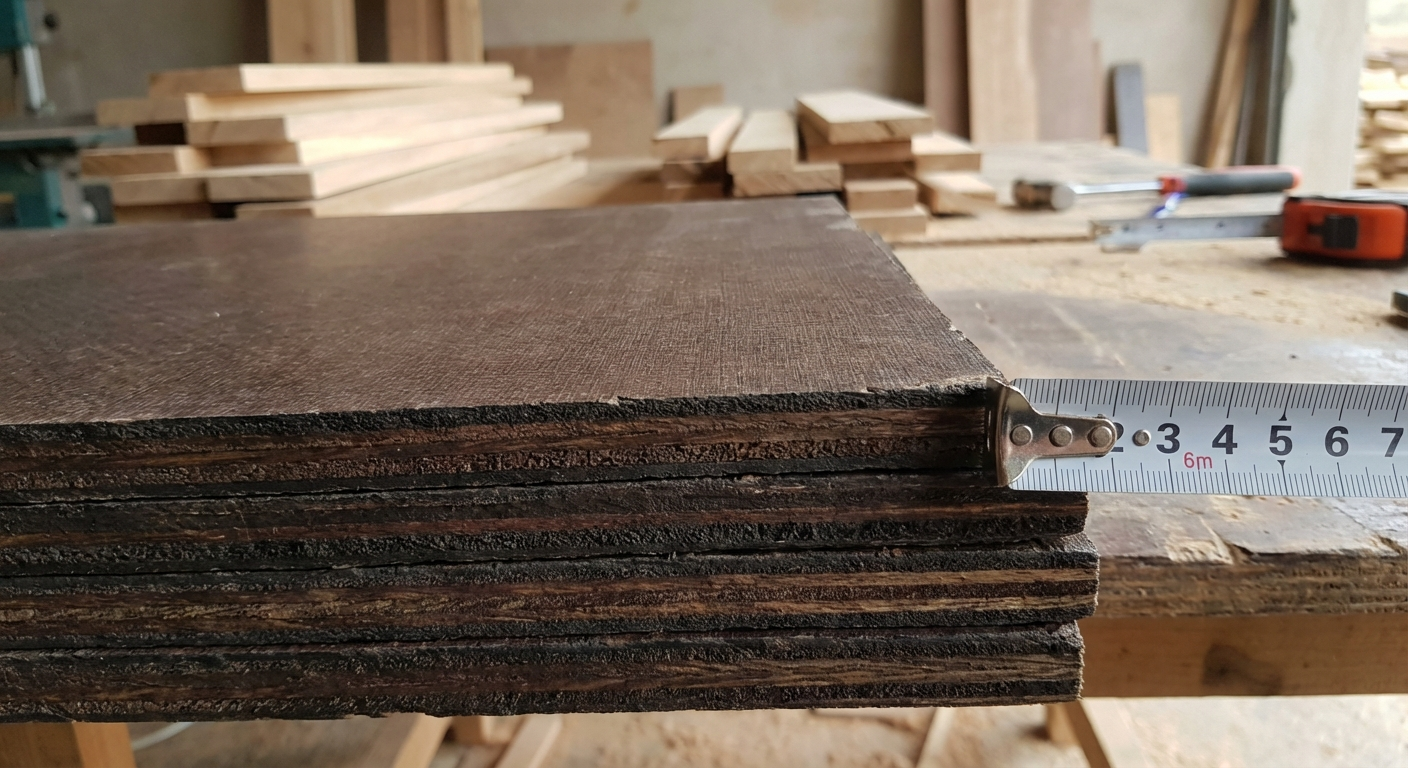
Boiling Water Proof (BWP) plywood represents the highest durability tier under Indian standards (IS:710), engineered to endure prolonged exposure to boiling water without delaminating. This grade starts from basic veneers—thin wood slices from species like poplar, eucalyptus, or gurjan—cross-laminated and bonded with phenolic resins under high pressure and heat. The "boiling" test simulates extreme moisture cycles, relevant to India's variable climates where monsoon humidity spikes above 90% and coastal areas face salt-laden air.
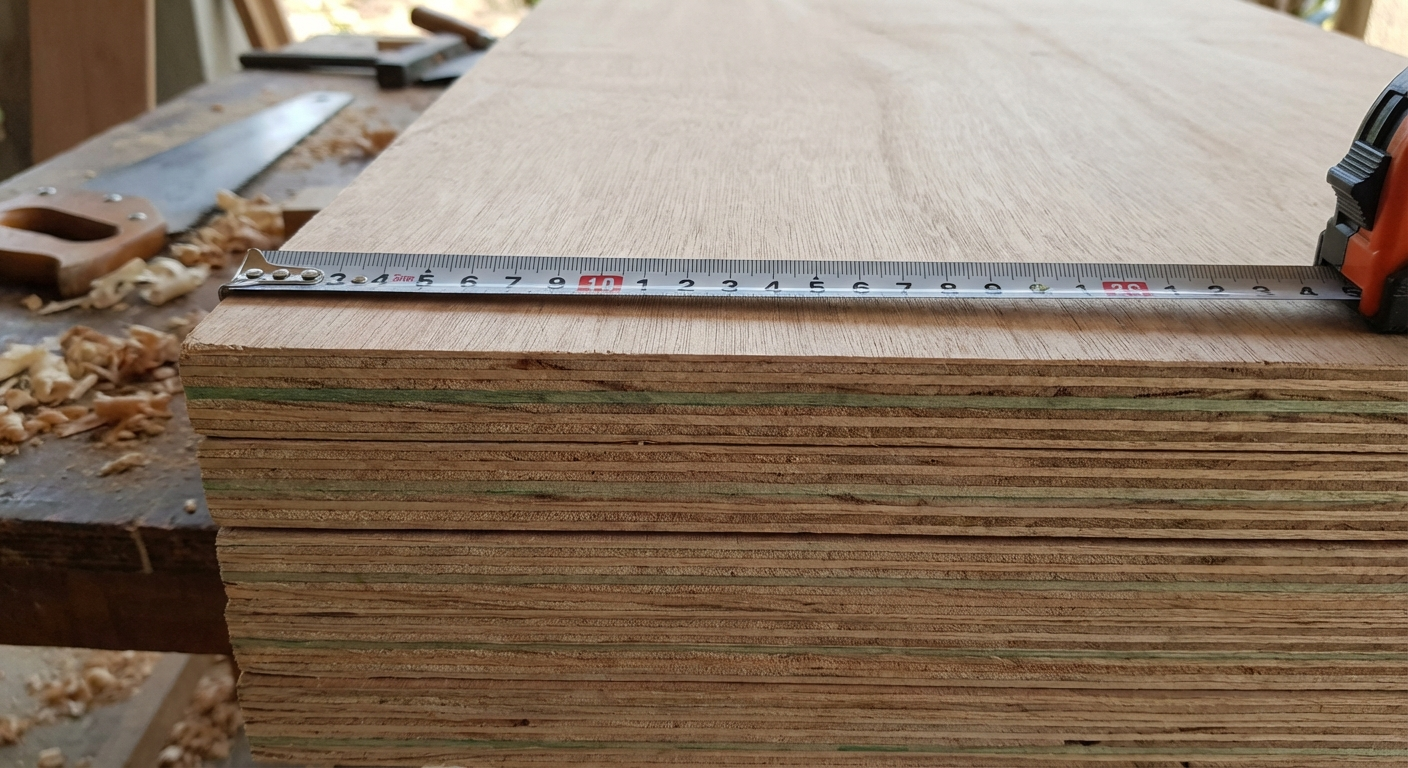
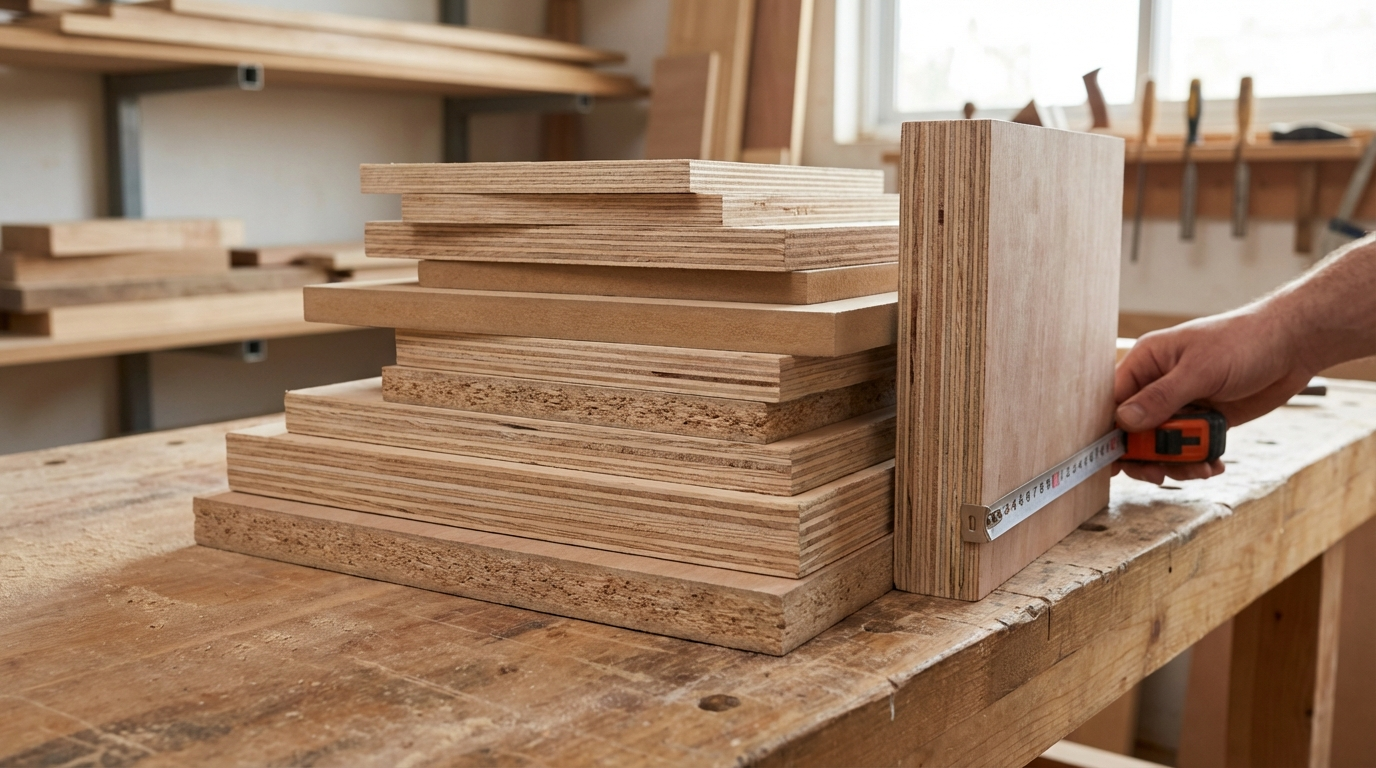
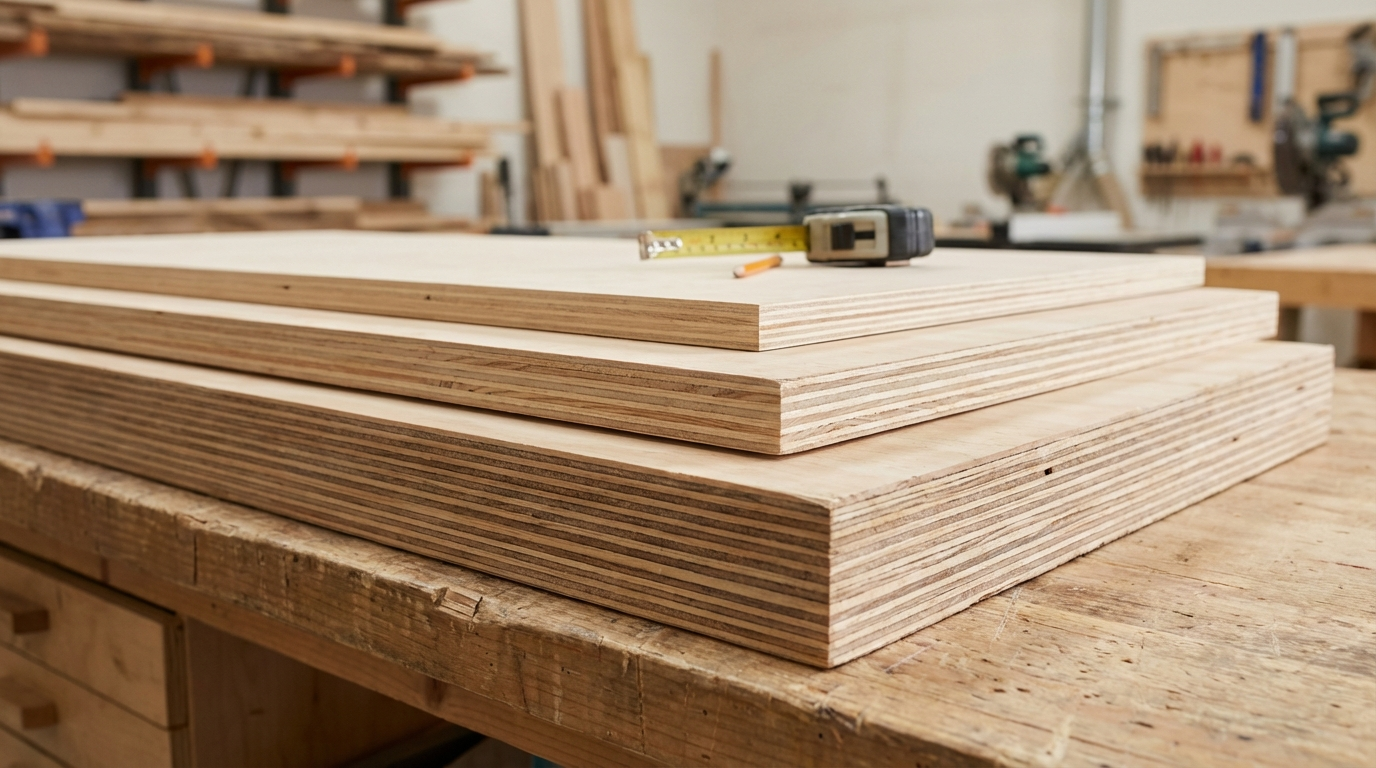
At 6mm thickness, this plywood balances lightness (around 20-25 kg per 8x4 sheet) with rigidity, using roughly 5-7 plies. Thinner than structural 12-18mm options, it avoids excessive weight for non-load-bearing roles. Homeowners favor it for modular furniture in humid zones like Mumbai kitchens, while contractors specify it for partitions in budget high-rises. However, its premium glue elevates costs over MR (moisture-resistant) grades, which fail boiling tests.
Primary Cost Drivers for 6mm BWP Plywood in Indian Markets
Prices stem from raw inputs and processing, not fixed retail tags. Timber cores dictate 40-50% of costs: poplar-based sheets (common in North India) cost less than gurjan-faced southern variants due to higher tropical hardwood prices. Glue quality—pure phenolic vs. blended—adds 20-30%, as BWP demands 100% waterproof bonds.
Manufacturing variances amplify this: Factories near timber hubs (Uttar Pradesh, Andhra Pradesh) shave logistics fees, while branded mills invest in calibration (uniform thickness ±0.3mm) and termite treatments (IS:12090 compliant). Certifications like ISI marks signal tested boil resistance, justifying 15-25% premiums. Market dynamics—seasonal timber shortages post-monsoon or GST at 18%—push fluctuations.
- Volume impact: Bulk dealer buys (10+ sheets) drop 20-30% via negotiations; single-sheet retail adds handling fees.
- Regional logistics: Inland transport from Gujarat mills to Northeast adds 10-15% surcharges.
- Brand positioning: National players charge for warranties (10-25 years), locals undercut on volume.
Indicative Price Ranges for 6mm BWP Plywood Across Segments
Dealer-level pricing typically clusters around Rs. 55-85 per square foot for standard 8x4 sheets (32 sq ft coverage), escalating to Rs. 75-120 at retail outlets. These reflect wholesale efficiencies vs. end-user markups, excluding site delivery (Rs. 200-500/truckload). Branded options like those from established mills hover at the upper end due to quality assurances.
| Segment | North India (Delhi, UP) | West India (Mumbai, Gujarat) | South India (Bangalore, Chennai) | East/Northeast |
|---|---|---|---|---|
| Wholesale/Dealer (per sq ft) | Rs. 55-75 | Rs. 60-80 | Rs. 50-70 | Rs. 65-90 |
| Retail (per sq ft) | Rs. 80-110 | Rs. 85-120 | Rs. 75-105 | Rs. 90-130 |
| Typical 8x4 Sheet (Dealer) | Rs. 1,800-2,400 | Rs. 1,900-2,600 | Rs. 1,600-2,250 | Rs. 2,100-2,900 |
Note: Ranges exclude GST (18%) and delivery; actual quotes vary with timber availability and negotiations. Southern hubs benefit from local eucalyptus, keeping bases lower.
Regional Price Nuances and Buyer Scenarios
India's decentralized supply chains create pockets of value. In Delhi-NCR, proximity to poplar belts yields competitive wholesale, ideal for contractors stocking for apartment partitions amid Yamuna humidity. Mumbai's coastal demand inflates retail by 10-20%, as architects specify BWP for sea-facing wardrobes resisting salt corrosion.
Bangalore's tech-driven interiors market sees aggressive pricing from Karnataka mills, suiting homeowners retrofitting compact homes. Chennai's shipyard proximity boosts marine-grade supply, but cyclone risks demand verified IS:710. Eastern cities like Kolkata face timber transit premiums from Assam, pushing costs up for bulk buys.
Contractors logic: Prioritize dealer yards for 15-25% savings on 100-sheet orders, factoring monsoon stockpiling. Homeowners: Opt retail for small quantities (5-10 sheets), verifying face veneers against warping.
6mm BWP vs Alternatives: Value Comparison Table
Not all "waterproof" claims hold; compare via real-world tests. MR suits dry interiors at half the cost but swells in spills. BWR handles short boils, fitting semi-exposed shelves.
| Grade (6mm) | Boil Resistance | Typical Price (Rs./sq ft, Dealer) | Best For | Limitations |
|---|---|---|---|---|
| MR (IS:303) | Low (delams in hours) | 30-50 | Dry furniture | Humidity failure |
| BWR | Medium (4-8 hrs boil) | 45-65 | Protected kitchens | Cyclic moisture weak |
| BWP (IS:303) or marine (IS:710) | High (72+ hrs boil) | 55-85 | Humid/exposed areas | Higher upfront cost |
BWP justifies premiums where delamination risks rework costs (Rs. 5,000+ per kitchen redo). For 6mm, skip if load exceeds 50kg/sq m—escalate to 9mm.
Practical Usage Guidance for 6mm BWP Plywood
Limit to non-structural roles: back panels, shelves under 40kg load, wardrobe sides, or false ceilings. In kitchens, pair with laminates (1-1.5mm) for spill barriers; avoids direct water jets unlike marine extremes.
Installation basics: Acclimatize sheets 48 hours on-site (India's 30-40°C swings cause expansion). Fix with 40-50mm screws at 150mm centers, sealing edges with putty to block moisture wicking. For partitions, frame with salwood studs (50x75mm) every 400mm.
| Application | Span/Spacing | Finishing Needs | India-Specific Tip |
|---|---|---|---|
| Wardrobe Back/Sides | Up to 900mm wide | Laminate/Veneer | Termite oil edges (coastal) |
| Shelves (light storage) | 600-800mm span | Edge banding | Support brackets q 300mm |
| Partitions (non-load) | Studs @400mm | Paint/Gypsum overlay | Ventilate vs. monsoon mold |
| Ceiling Panels | Joists @450mm | False ceiling grid | Fire-retardant coat (urban) |
Avoid flooring or doors—insufficient shear strength. Lifespan: 15-25 years in humid interiors with maintenance (annual edge sealing).
Strategic Buying Advice for Optimal Value
Verify via hammer test (clear ring, no dull thuds) and edge inspection (no voids). Demand BIS labels and batch numbers for traceability. Contractors: Source from mill depots (e.g., Moradabad hubs) for 20% undercuts; negotiate credit (30 days) on 50+ sheets.
Homeowners/Designers: Cross-check 3 quotes, prioritizing calibrated sheets for flush laminates. Bulk via platforms cuts retail premiums, but inspect deliveries. Watch for fakes—BWP should resist 72-hour submersion sans bubbles.
Decision matrix: Humid site? BWP essential. Dry interiors? Downgrade saves 40%. Quantity >20? Dealer route. Always factor total project: BWP's durability offsets 2x cost via zero callbacks.
Addressing Common Buyer Concerns and Oversights
Myth: Thicker always better—6mm suffices for 80% furniture, halving weight/cost vs. 12mm. Oversight: Ignoring core density (500+ kg/cum ideal) leads to sagging. In termite-prone Bihar/Kerala, pair with preservatives despite BWP's natural resistance.
Trend watch: resin chemical costs rose sharply in March and April 2026; stock pre-monsoon. Architects: Specify "IS:710 compliant, gurjan face" for bids, ensuring apples-to-apples pricing.
Related guides on PlyPrice
Want Plywood Suggestions?
Share a few details and a PlyPrice specialist will suggest suitable brands and connect you to responsive dealers.