18mm BWP Plywood Price in India: Sheet Rates and Where It Pays Off
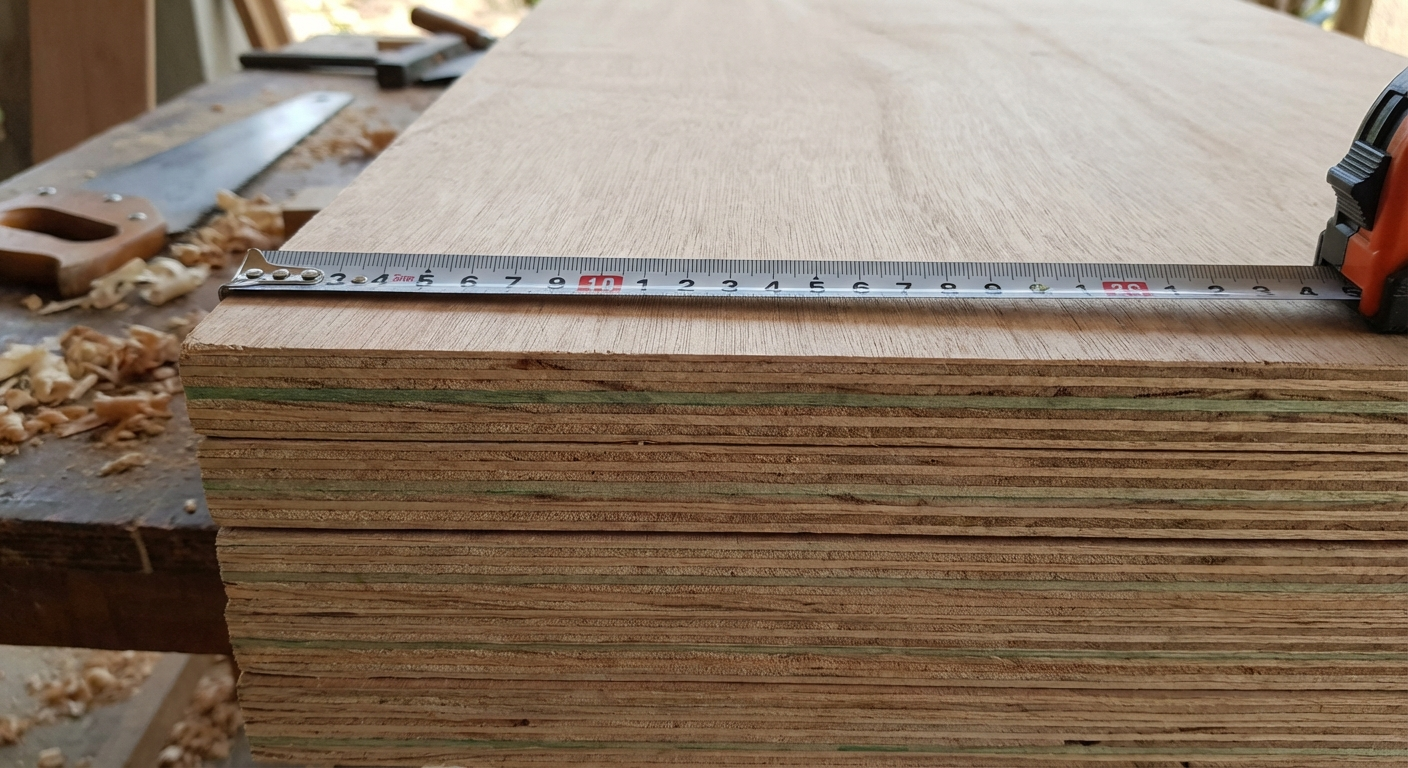
18mm BWP plywood costs about ₹100 to ₹220 per sq ft in India, roughly ₹3,200 to ₹7,000 per sheet, depending on core species, brand and city. Its phenolic glue survives boiling water tests to IS:710, which makes it the pick for kitchens and wet-area furniture.
Last updated: . Grades and standards checked against current BIS standards.
Understanding 18mm BWP Plywood Basics
Boiling Water Proof (BWP) plywood stands out in India's construction landscape for its superior moisture resistance, adhering to IS:710 standards when certified. The 18mm thickness provides substantial structural integrity, making it a go-to choice for load-bearing elements in humid climates prevalent across coastal and monsoon-heavy regions. Unlike thinner variants used for paneling, 18mm BWP derives strength from multiple layers of hardwood veneers—often gurjan or poplar—bonded with phenolic resins that endure boiling water tests without delamination.
Buyers in India weigh this thickness for applications demanding rigidity without excessive weight. Contractors favor it for formwork in high-rise builds, while interior designers specify it for wet-area carpentry. However, its density around 700-800 kg/m³ influences transport costs, a key consideration in logistics-heavy markets like Mumbai or Chennai.
Factors Driving Price Variations in 18mm BWP Plywood
Prices fluctuate due to raw material sourcing, manufacturing processes, and market dynamics. Core composition plays a pivotal role: gurjan-faced sheets command premiums over mixed hardwood due to better screw-holding and termite resistance. Certifications like ISI marks add 10-20% to costs, verifying glue shear strength above 1,350 N/cm² under boiling conditions.
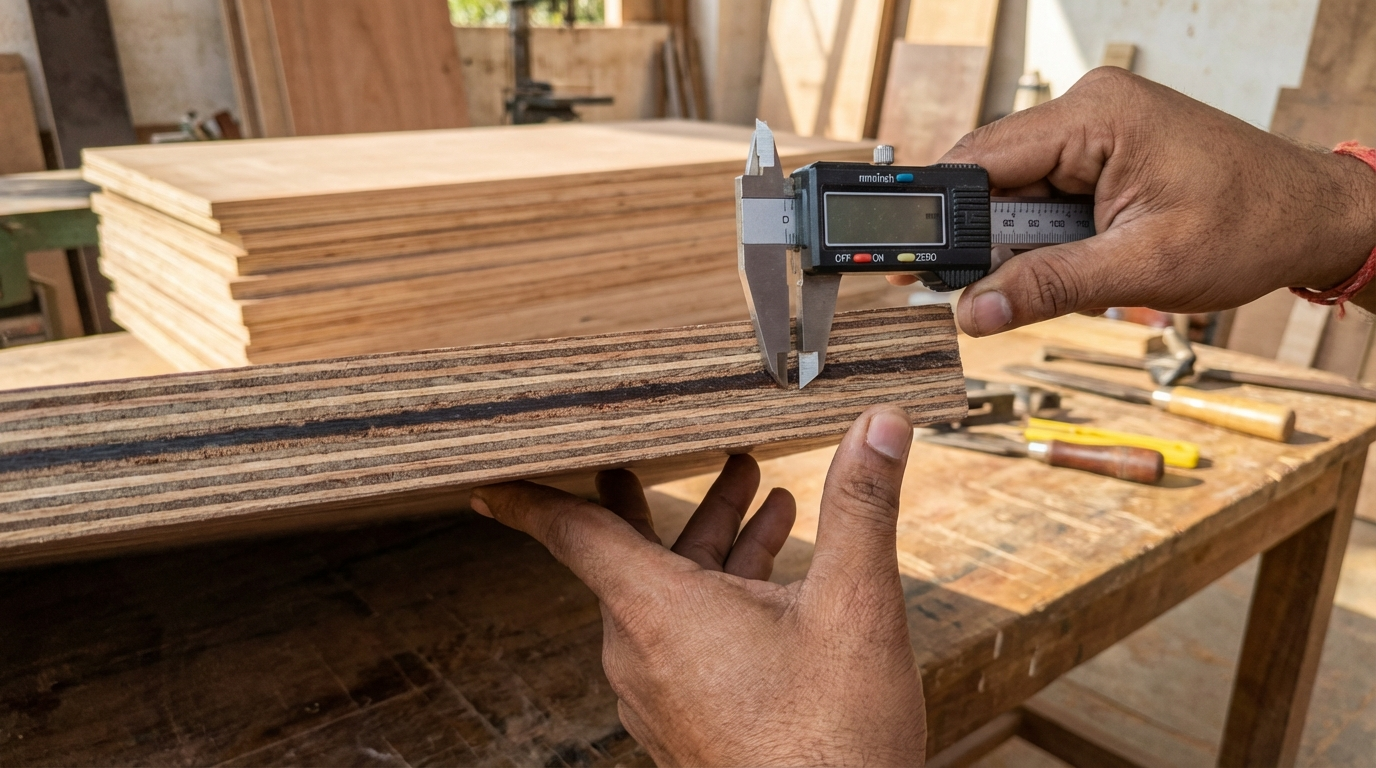
Supply chain disruptions from timber imports—India relies heavily on Southeast Asia—affect availability, pushing prices up during monsoons. Brand positioning matters: established names invest in quality control, reflected in higher dealer margins, while regional mills offer economical options with shorter warranties. Thickness precision (true 18mm vs. under-gauge) and surface treatments like sanding further differentiate costs.
| Factor | Impact on Price | Example Scenario |
|---|---|---|
| Core Material | Low to High | Gurjan core: 15-25% higher than poplar |
| ISI Certification (IS:710) | Medium | Adds verification for marine use |
| Brand & Warranty | High | 10-15 year warranty elevates by 20% |
| Regional Freight | Medium | North India 10% above South due to import routes |
| Volume Purchase | Lowers | Contractor bulk: 10-15% discount |
Current Indicative Price Ranges for 18mm BWP Plywood
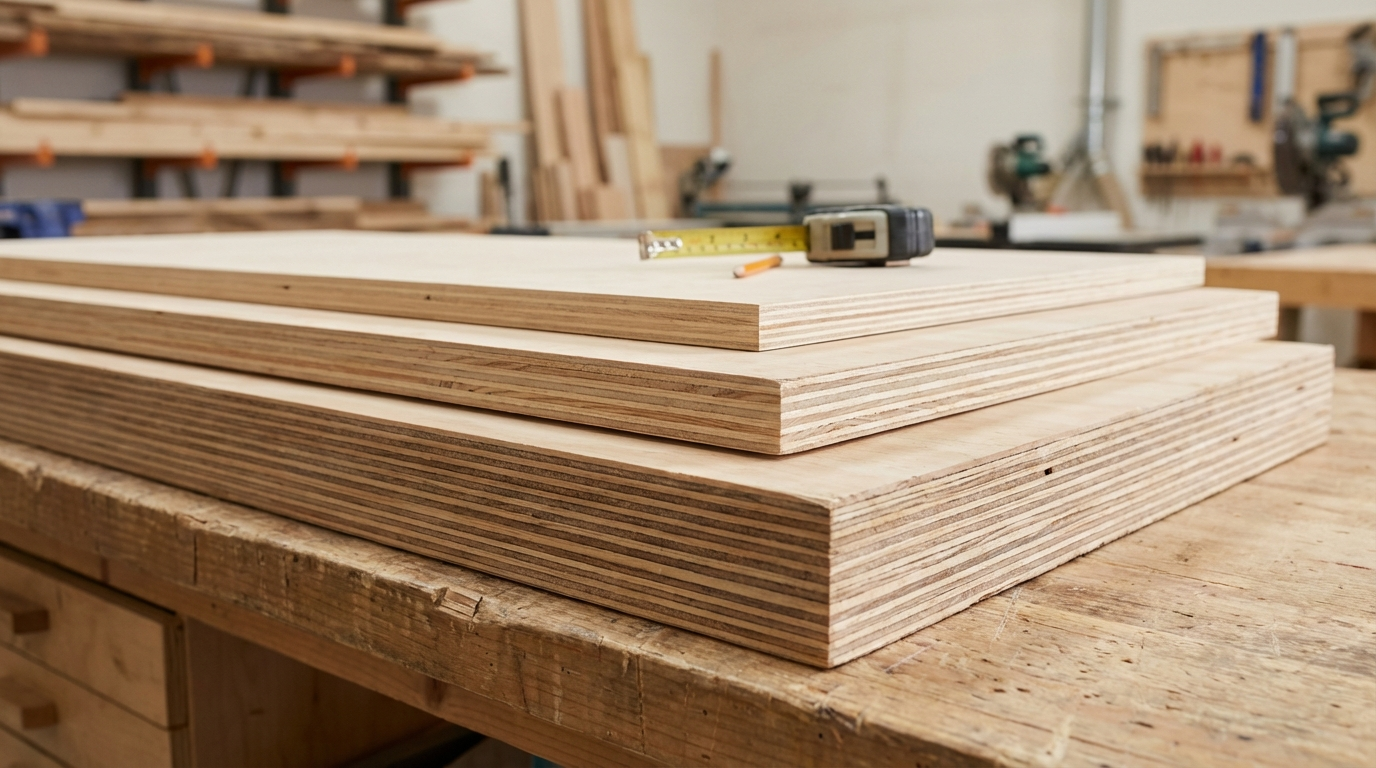
18mm BWP plywood typically spans ₹100 to ₹220 per square foot at retail, with dealer quotes 10-15% lower for bulk. An 8x4 ft sheet (32 sq ft) thus falls between ₹3,200 and ₹7,000, inclusive of basic taxes but excluding transport. Economy grades hover at the lower end for standard hardwood cores, while premium gurjan or extended BWP variants reach upper limits.
These ranges stem from market surveys across platforms and dealers, accounting for GST fluctuations. Homeowners pay retail premiums; contractors negotiate via local wholesalers. Always cross-verify, as seasonal timber shortages can shift baselines by 10-20%.
| Quality Tier | Price Range (₹/sq ft) | Sheet Price Range (8x4 ft, ₹) | Typical Features |
|---|---|---|---|
| Economy | 100-140 | 3,200-4,500 | Mixed core, 5-7 year warranty |
| Standard | 140-180 | 4,500-5,800 | Hardwood, ISI certified, 10 years |
| Premium | 180-220 | 5,800-7,000 | Gurjan face/back, 15+ years |
Regional Price Variations in Key Indian Markets
India's diverse geography creates price gradients: southern hubs like Bangalore and Chennai benefit from proximity to ports, keeping costs 5-10% below northern metros. Delhi faces higher inbound freight from Assam or imports, while Mumbai's dealer density fosters competitive quoting. Eastern cities like Kolkata see affordability from local mills but volatility from humidity-affected storage.
Contractors in Tier-2 cities often source 10-15% cheaper via unbranded mills, trading off on consistency. Urban premiums stem from demand in luxury housing booms.
| City/Region | Price Range (₹/sq ft) | Key Influences |
|---|---|---|
| Delhi-NCR | 130-200 | High demand, import logistics |
| Mumbai | 120-190 | Competitive dealers, coastal access |
| Bangalore | 120-180 | Tech boom projects, local supply |
| Chennai | 115-170 | Port proximity, industrial use |
| Kolkata | 110-160 | Regional mills, humidity challenges |
Steps to Check and Verify 18mm BWP Plywood Prices
Start with local dealer networks—platforms like IndiaMART or Material Depot list indicative rates, but negotiate in-person. Cross-reference three quotes: branded showrooms for benchmarks, wholesalers for volume deals, and online aggregators for transparency. Inspect samples for glue lines and edge swelling post-water test.
Factor in add-ons: polishing (₹10-20/sq ft extra) or delivery (₹50-100/sheet). Use apps from plywood associations for real-time alerts on shortages. For architects, request BIS test reports; homeowners should prioritize warranty deeds over verbal claims.
Usage Guidance: Where and How to Use 18mm BWP Plywood
Primary Applications in Indian Construction
This thickness excels in moisture-prone zones: modular kitchen platforms resisting spills, bathroom vanities enduring steam, and balcony partitions in humid cities. Structurally, it supports shuttering for concrete pours in multi-story apartments, where 18mm prevents warping under wet cement weight. In furniture, it's ideal for heavy lofts or study tables in coastal homes, outperforming MR grades in 80% humidity.
Avoid dry interiors like bedrooms unless budget allows—thinner BWR suffices there, saving 20-30%.
Installation Best Practices
Acclimatize sheets 48 hours in site conditions to match ambient moisture (10-12%). Use stainless steel screws (4-5mm dia) at 150mm centers for cabinets, pre-drilling to avoid splits. Seal cut edges with two coats of synthetic enamel to block moisture ingress. For kitchens, elevate platforms 50mm above flooring for drainage. Professionals space joints 3-5mm, filling with marine-grade putty.
Maintenance and Longevity Tips
Wipe spills immediately; annual silicone sealant on joints extends life by 30%. In marine-adjacent homes (e.g., Goa), UV-protective laminates prevent surface degradation. Expect 15-20 years in wet areas with proper care, versus 5-10 for non-BWP. Monitor for termite trails—gurjan cores resist better, but fumigation every two years safeguards investments.
Comparing 18mm BWP Plywood to Alternatives
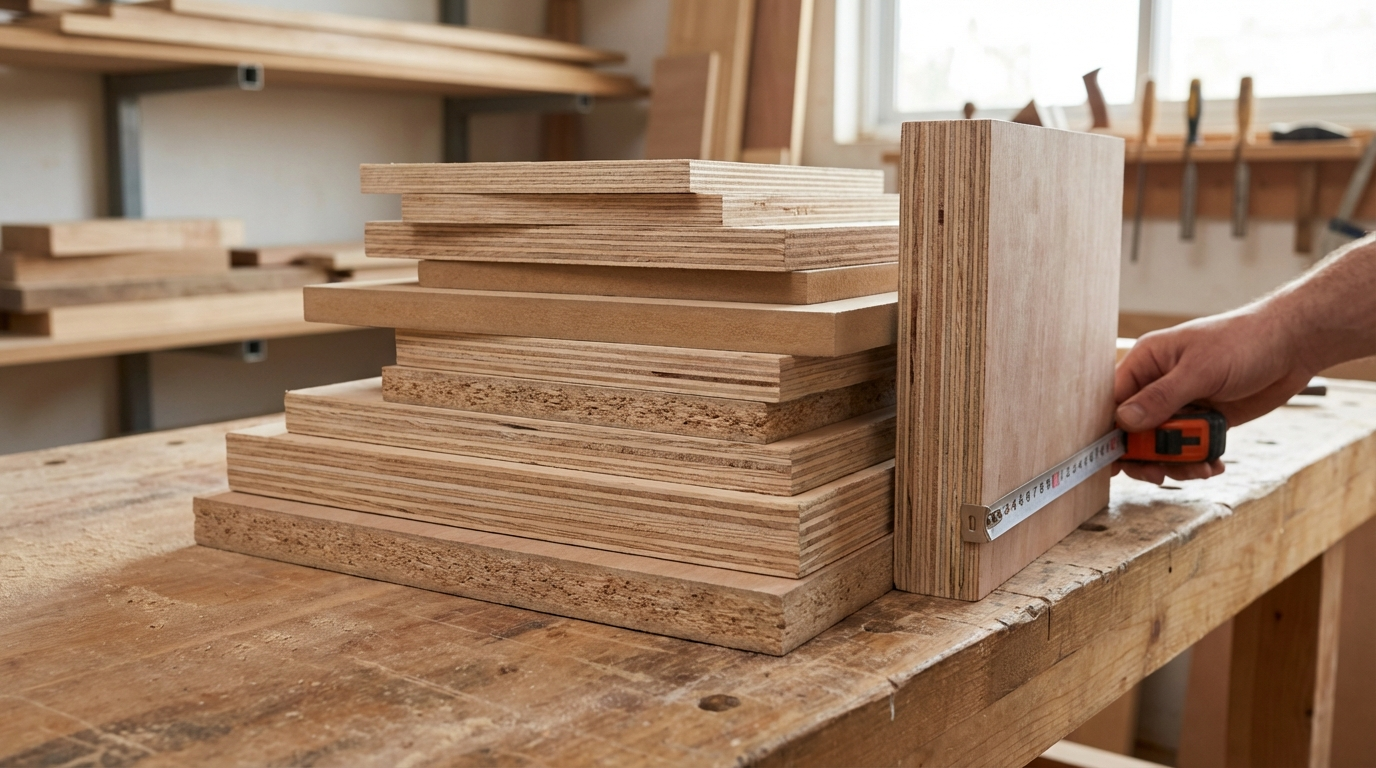
BWP's waterproofing justifies premiums over MR (interior-only, 30-40% cheaper) or BWR (semi-wet, 20% less). HDHMR offers machinability but falters in boiling tests. For pure strength, blockboard competes but absorbs water faster.
| Type | Moisture Resistance | Price vs BWP (%) | Best For |
|---|---|---|---|
| MR | Low | -40% | Dry furniture |
| BWR | Medium | -20% | General cabinets |
| BWP 18mm | High | Baseline | Wet zones, structural |
| HDHMR | Medium-High | -10% | Modular milling |
Decision Framework for Buyers: Homeowners, Contractors, Designers
Homeowners prioritize certified brands for warranties, budgeting 15% buffer for site losses. Contractors seek bulk discounts (10+ sheets), testing screw hold on samples. Architects balance specs with lifecycle costs—BWP cuts callbacks in humid projects by half. Always audit vendor labs for delamination resistance; reject under 72-hour boil intact sheets.
In dealer ecosystems, chain yards offer consistency; independents flex on price. For renovations, salvage reusable sheets to offset 20% costs.
Related guides on PlyPrice
Want Plywood Suggestions?
Share a few details and a PlyPrice specialist will suggest suitable brands and connect you to responsive dealers.