12mm BWR Plywood Price in India: Per Sq Ft and Per Sheet Rates
A 12mm BWR plywood sheet typically costs ₹50-100 per sq ft, roughly ₹1,600-3,200 for a standard 8x4 ft board, depending on core, brand and city. BWR is bonded with phenolic resin and tested under IS 303 for semi-exposed interior work.
Last updated: . Grades and standards checked against current BIS standards.
Understanding 12mm BWR Plywood: Core Characteristics and Suitability
Boiling Water Resistant (BWR) plywood represents a midpoint in moisture performance among engineered wood panels, bonded with phenolic resins that endure repeated boiling water cycles under Indian Standards Institute (ISI) testing protocols like IS:303. At 12mm thickness, it strikes a balance between structural rigidity and workability, making it a staple for semi-exposed interior applications in India's variable climates.
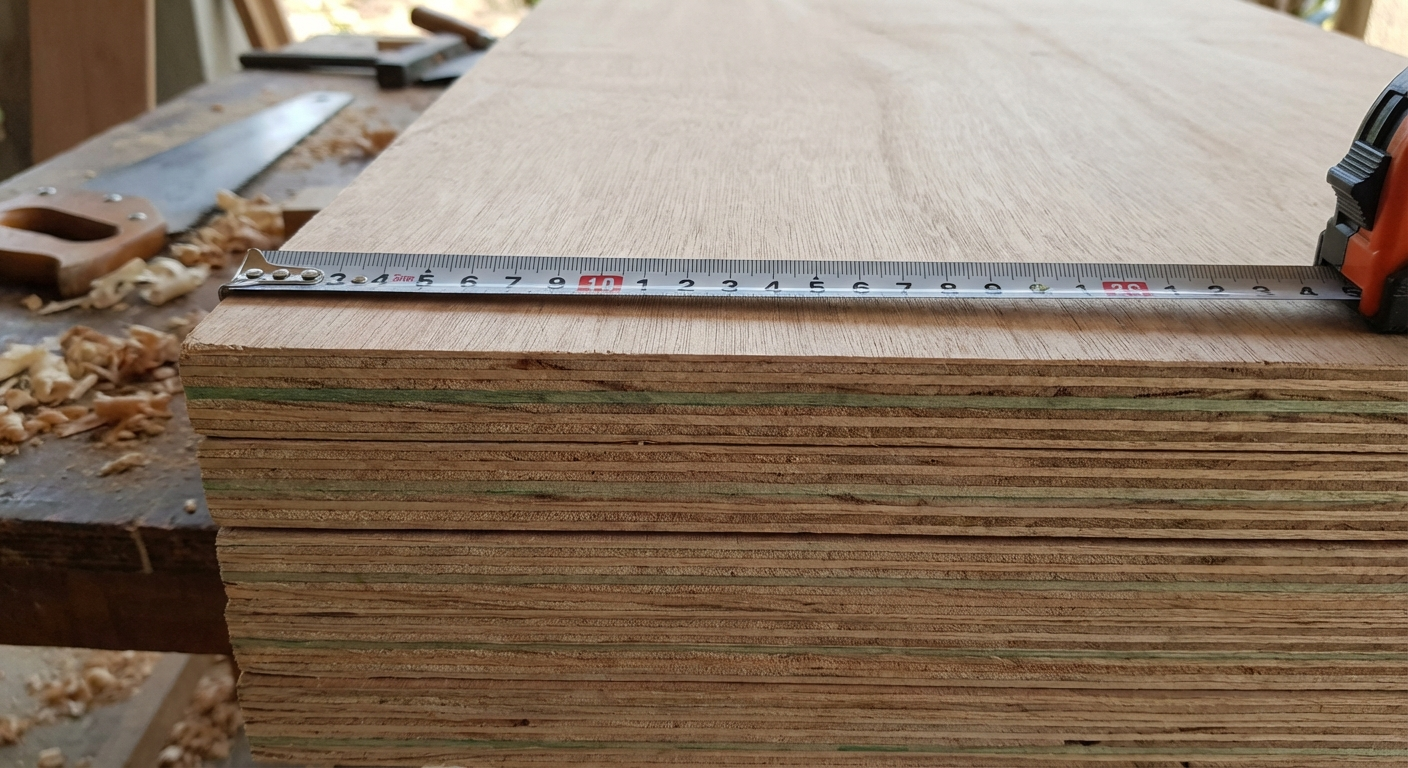
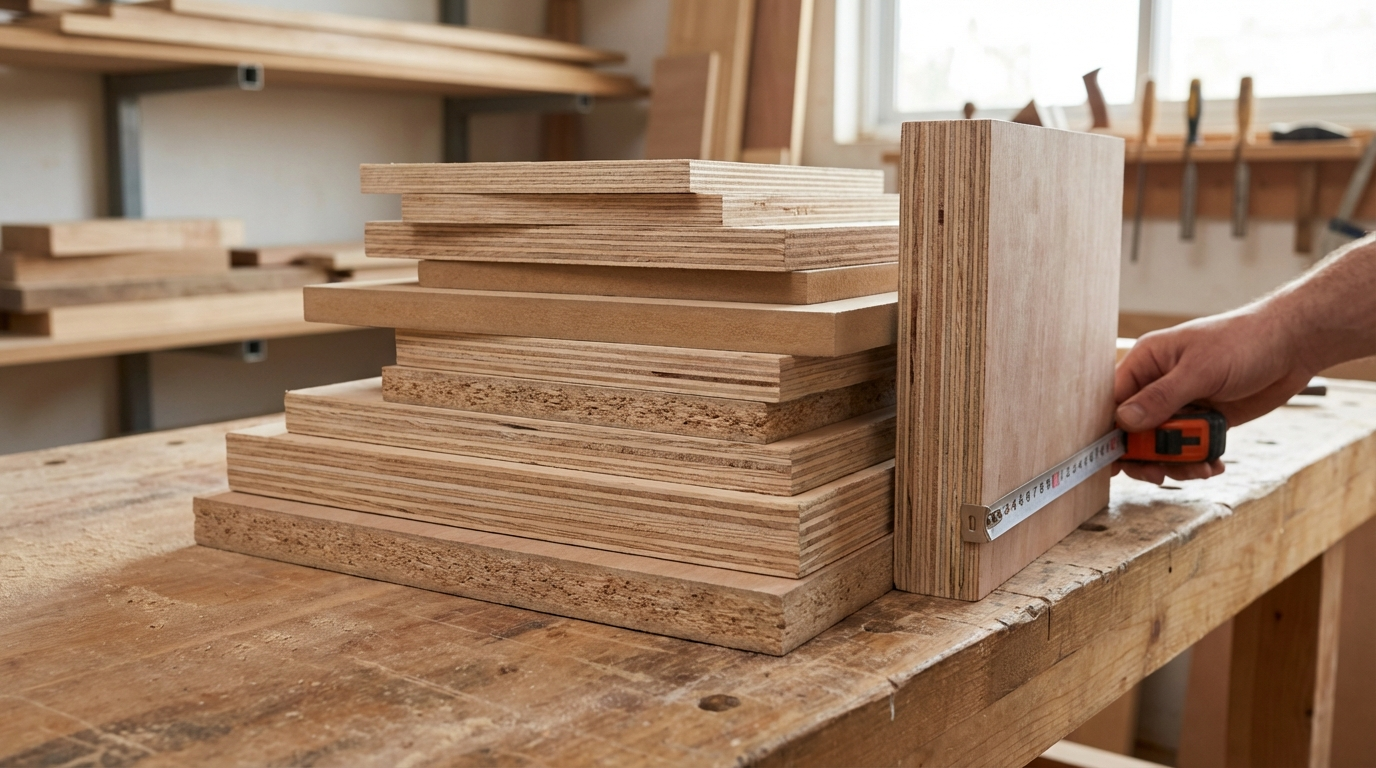
From first principles, plywood derives strength from cross-laminated veneers—thin wood layers glued perpendicularly—where core quality dictates load-bearing capacity. A 12mm BWR sheet typically features 9 to 11 plies, with face veneers around 1.2-1.5mm thick for smooth finishing. In humid regions like coastal Maharashtra or Kerala, BWR's glue line resists delamination from monsoon humidity better than MR grades, yet it falls short of BWP for submerged uses.
Buyers often overlook ply count: higher plies (e.g., 11-ply calibrated) distribute stress evenly, reducing warping in wardrobe shutters under daily loads. Density hovers at 650-750 kg/m³, sufficient for shelves spanning 60-80cm without sagging, but always verify via edge tap tests for voids.
Key Cost Drivers for 12mm BWR Plywood Prices in India
Prices fluctuate due to interconnected supply chain dynamics rather than isolated factors. Timber sourcing (primarily poplar, eucalyptus, or gurjan from North India) is the largest single cost, while resin chemical costs rose sharply in March and April 2026, pushing baselines higher. Resin quality elevates BWR over MR by 20-30%, as phenolic bonds demand precise curing.
ISI certification under IS:303 mandates boil tests (3+ hours), adding testing overhead that premium manufacturers pass on. Dealer ecosystems amplify this: wholesalers in Yamuna Nagar offer 10-15% lower rates than Mumbai retailers due to proximity to factories, while transport adds ₹5-10/sq ft interstate.
- Brand Positioning: Economy locals (₹40-60/sq ft) vs. branded like Kitply or Greenply (₹70-100/sq ft), reflecting warranty and consistency.
- Face/Back Veneer: Premium teak-finished faces command 15% premiums for lamination compatibility.
- Market Cycles: Recent 8% hikes from energy and logistics costs; expect seasonal dips post-monsoon.
- Volume Discounts: Contractors secure 5-10% off for 50+ sheets, absent for homeowners.
Regional manufacturing hubs (Punjab, Haryana) stabilize northern prices, while southern buyers face freight premiums.
Current Price Ranges for 12mm BWR Plywood Sheets
A standard 8x4 ft (32 sq ft) 12mm BWR sheet typically ranges from ₹1,600 to ₹3,200, translating to ₹50-100/sq ft. Economy options suit bulk shuttering; premium calibrated for furniture. These are indicative dealer rates excluding GST (18%) and delivery.
| Grade Tier | Per Sq Ft Range (₹) | Per 8x4 Sheet Range (₹) | Typical Features |
|---|---|---|---|
| Economy/Local | 40-60 | 1,300-1,900 | Basic IS:303, 9 plies, poplar core |
| Mid-Range | 60-80 | 1,950-2,600 | Calibrated, gurjan core, termite-treated |
| Premium/Branded | 80-110 | 2,600-3,500 | 11+ plies, warranty, smooth faces |
Variations stem from raw material volatility; cross-check with local dealers for spot rates.
Regional Price Variations: City-Wise Insights for Buyers
India's federal supply chains create 20-40% spreads. Northern hubs like Yamuna Nagar undercut metros by 15-20% due to mill proximity, while island logistics inflate Andaman prices. Contractors factor this into bids, prioritizing bulk from wholesalers.
| City/Region | Per Sq Ft Mid-Range (₹) | Key Influences | Dealer Margin Estimate |
|---|---|---|---|
| Delhi-NCR | 65-90 | High demand, urban freight | 15-20% |
| Mumbai/Pune | 75-105 | Coastal humidity specs, imports | 20-25% |
| Bangalore | 55-85 | Southern mills, IT boom volume | 10-15% |
| Chennai/Hyderabad | 60-90 | Monsoon-driven quality focus | 12-18% |
| Kolkata | 70-95 | Eastern timber access | 15-20% |
Homeowners in Tier-2 cities (e.g., Jaipur, Kochi) often find 10% savings via direct mill ties.
Usage Guidance: Where 12mm BWR Excels in Indian Projects
12mm thickness optimizes for spans under 1m, ideal where MR risks bubbling but BWP overkill. In Indian homes, prioritize for humidity-prone zones sans direct wetting—think wardrobes in Mumbai apartments or kitchen cabinets in Bangalore villas.
Primary Applications:
- Wardrobe Carcasses: Back panels and shutters; supports 20-30kg shelves without deflection.
- Modular Kitchens: Overhead cabinets; resists steam but seal edges with putty.
- Partitions & False Ceilings: Lightweight framing; 12mm cuts labor vs. thicker.
- Furniture like Beds/Almirahs: Side panels; pairs with laminates for aesthetics.
- Commercial Shelving: Office racks; cost-effective for non-structural loads.
Installation logic: Acclimatize sheets 48 hours pre-cut to match site humidity (60-80% coastal norm). Use SS screws (avoid iron rusting glue), edge-seal with epoxy. Load test: 12mm handles 15-20kg/sq m uniformly. Avoid bathrooms/showers—opt BWP there.
For architects: Specify calibrated for CNC routing; reduces sanding waste by 20%.
Performance Benchmarks: Load, Durability, and Maintenance
Under IS:303, BWR withstands three cycles of 8-hour boiling and 16-hour drying without separation, which suits humid interiors. Screw-holding strength exceeds 100kg per point, suiting heavy doors. Termite resistance via preservatives extends life vs. untreated.
Maintenance: Wipe with damp cloth; avoid standing water. In Delhi winters, low humidity aids stability; monsoons test glue integrity—store vertically.
Comparison: 12mm BWR vs. Alternatives for Informed Choices
BWR sits between MR (cheaper, humidity-weak) and BWP (pricier, overbuilt for interiors). Thickness logic: 12mm for medium spans; downgrade to 9mm saves 20% on shutters, upgrade to 16mm for floors (+30% cost).
| Option | Price Premium vs. BWR | Best For | Drawbacks |
|---|---|---|---|
| 12mm MR | -25-35% | Dry cupboards | Delaminates in humidity |
| 12mm BWP (IS:303) or marine (IS:710) | +40-60% | Wet areas | Unnecessary weight/cost indoors |
| HDHMR 12mm | +10-20% | Moisture-variable furniture | Denser, harder to machine |
| 9mm BWR | -15-25% | Partitions | Lower rigidity |
Contractors weigh lifecycle: BWR's mid-price gives the best value for kitchens and other humid areas.
Buyer Decision Framework: Homeowners vs. Contractors
Homeowners chase certified brands for their warranties. Verify holograms, batch codes against manufacturer sites—fakes plague unorganized markets.
Contractors optimize: Source from hubs, negotiate 10% bulk, test samples for glue pull strength. ROI calc: Premium BWR cuts callbacks 30% vs. locals.
Red Flags: Warped edges, glue lumps, missing ISI stamps. Bargain via quotes from 3 dealers; factor delivery (₹200-500/truck).
Frequently Asked Questions on 12mm BWR Plywood
Is 12mm BWR suitable for kitchen cabinets?
Yes for overheads/sides; edge-seal and avoid base sinks. Handles steam better than MR.
How much does 12mm BWR plywood cost per sq ft?
₹50-100 typically, varying by brand and region.
What's the difference between BWR and BWP?
BWR resists boiling water cycles for interiors; BWP fully waterproof for exteriors/marine.
Which brands offer reliable 12mm BWR?
Options like Kitply, Greenply, Duroply provide consistency; compare local vs. branded via tests.
Can 12mm BWR be used for flooring?
Not directly—underlay only; use 18mm+ for subfloors.
This guide equips decisions amid fluctuating markets; consult dealers for latest quotes tailored to your project scale and location.
Related guides on PlyPrice
Want Plywood Suggestions?
Share a few details and a PlyPrice specialist will suggest suitable brands and connect you to responsive dealers.