12mm BWP Plywood Price in India: Sheet Rates, Uses and Checks
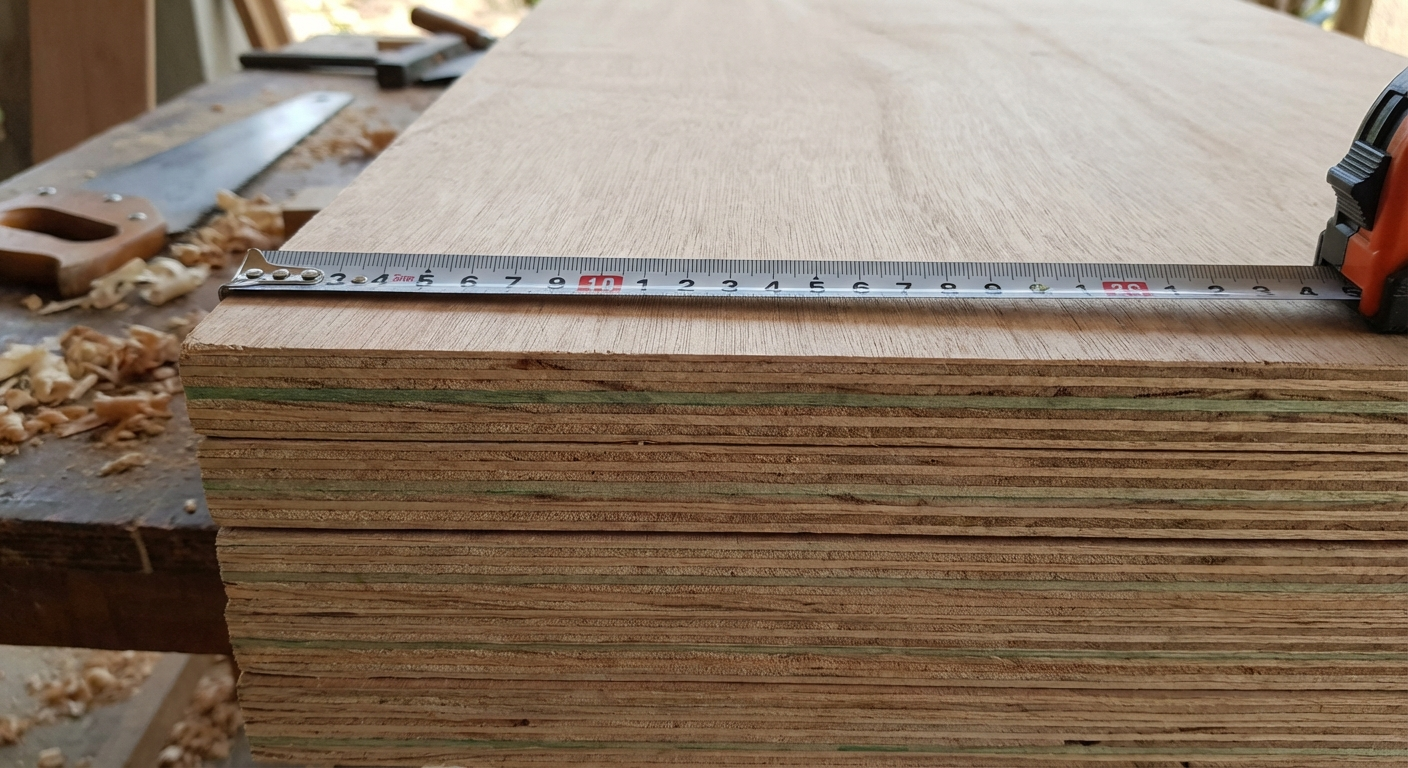
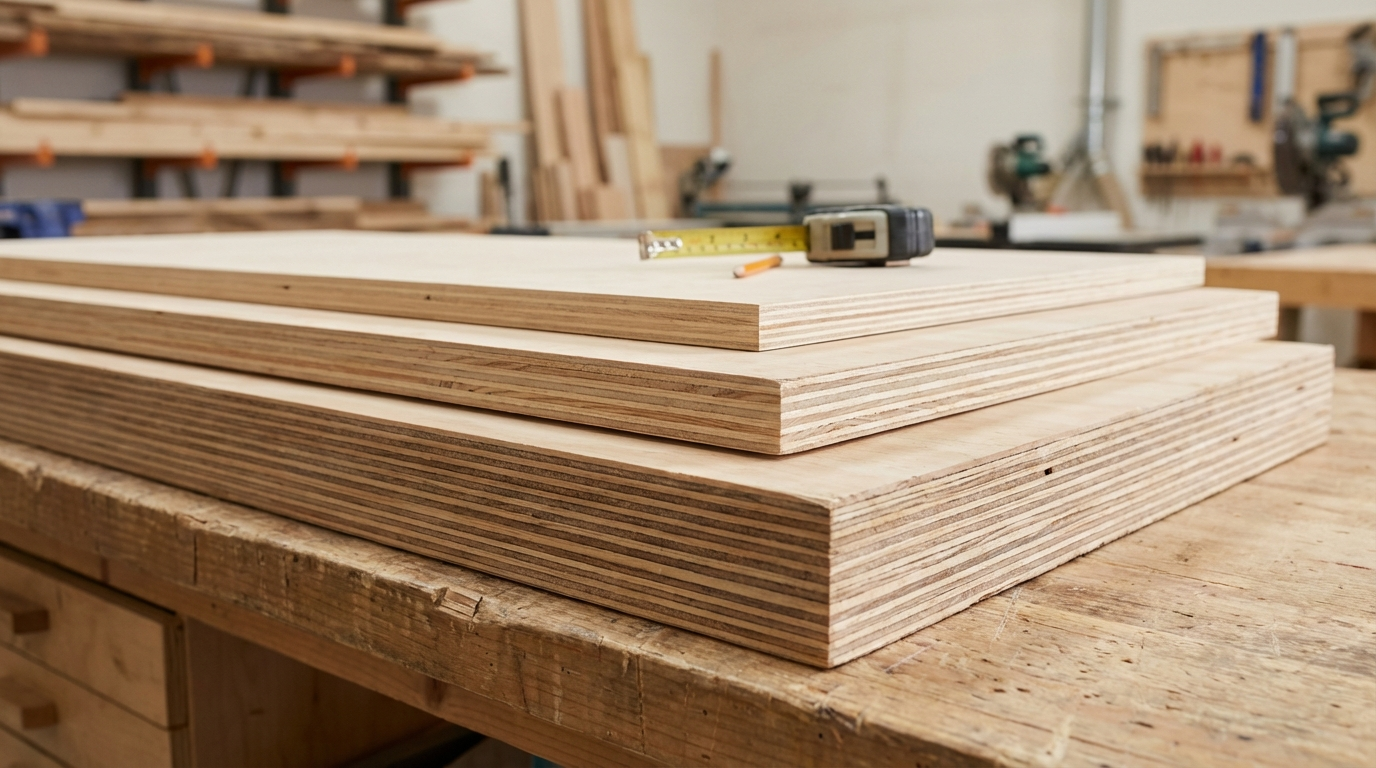
12mm BWP plywood typically costs ₹80-140 per sq ft in India, which works out to roughly ₹2,500-4,500 for a standard 8x4 ft sheet depending on brand and city. It suits load-bearing shelves and wardrobe backs in damp areas where 18mm would add needless weight.
Last updated: . Grades and standards checked against current BIS standards.
What Makes 12mm BWP Plywood a Key Choice in Indian Construction?
In India's diverse climate, where monsoon humidity and coastal moisture challenge building materials, 12mm BWP plywood stands out for its engineered resilience. BWP, made to IS:303 (BWP grade) or IS:710 (marine) standards, undergoes boiling water tests to confirm its glue line integrity under prolonged submersion, unlike MR grades that delaminate in weeks of dampness. This thickness balances structural demands: thick enough for load-bearing shelves or wardrobe backs, yet lighter than 18mm options for easier handling in tight urban sites.
Buyers—homeowners renovating Mumbai apartments, contractors framing Kerala homes, or architects specifying Delhi projects—prioritize it for kitchens, bathrooms, and semi-exposed partitions. Its 7-9 veneers (depending on core) provide screw-holding strength without excessive weight, critical in earthquake-prone zones where rigidity matters.
Core Factors Driving 12mm BWP Plywood Pricing in India
Pricing stems from raw material sourcing, processing rigor, and market logistics, not fixed retail tags. Hardwood cores like gurjan or eucalyptus from Assam or Andhra mills form the base; imported okoume faces add premium veneers but inflate costs by 20-30% due to duties.
Adhesive quality dictates BWP certification: phenolic resins survive 72+ hours boiling, versus urea-formaldehyde in cheaper grades. Manufacturing involves hot-pressing at 140°C under 15kg/cm² pressure, with preservative dips against termites—a mandatory in India's tropical belt.
- Core Density: High-density (700+ kg/m³) resists warping in 90% RH; low-density variants cut costs but fail in humid Bihar summers.
- Face/Back Grading: BB/BB (industrial knots allowed) undercuts AA/AB polished faces by 15-25%.
- Certifications: ISI-marked sheets command 10-20% premiums for verified boil-proofing, essential for warranty claims in disputes.
- Volume & Negotiation: Dealers quote 5-15% below retail for 50+ sheets; contractors leverage bulk from Gujarat hubs.
Market flux—timber shortages from 2024 floods or resin price hikes from petrochemical swings—pushes variability. These drivers yield ranges rather than absolutes.
Typical Price Ranges for 12mm BWP Plywood Sheets (8x4 ft)
Expect dealer rates of ₹80-₹140 per square foot (₹2,500-₹4,500 per sheet), with retail adding 10-20% for cut-to-size or delivery. These reflect nationwide sampling; always cross-verify locally.
| Quality Tier | Per Sq Ft Range (₹) | Per Sheet Range (₹) | Typical Use Case |
|---|---|---|---|
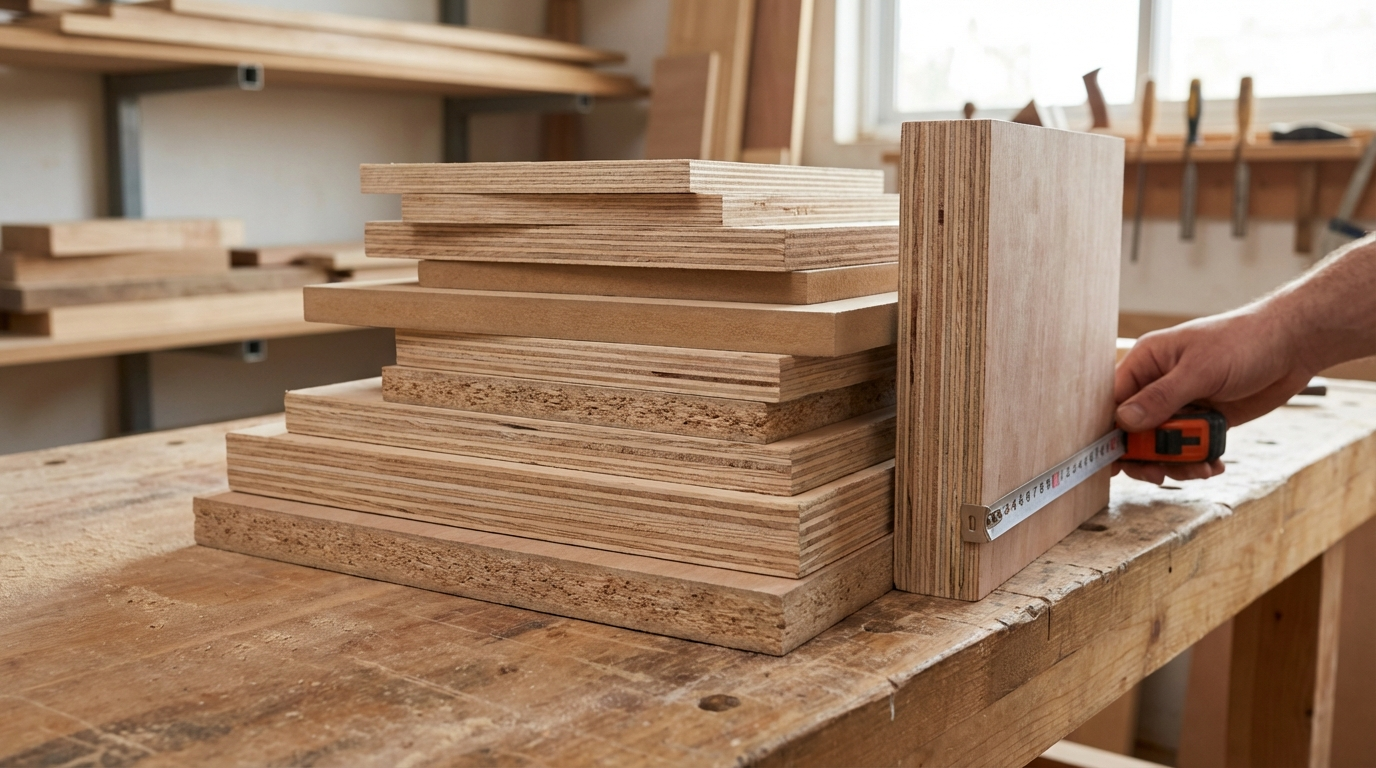
| Economy (Poplar Core, BB/BB) | 80-100 | 2,500-3,200 | Partitions, temporary formwork |
| Mid-Range (Mixed Hardwood, B/BB) | 100-120 | 3,200-3,800 | Kitchen cabinets, furniture frames |
| Premium (Gurjan/Eucalyptus, AB/BB) | 120-140 | 3,800-4,500 | Bathroom vanities, coastal exposures |
Sheet math: 8x4 ft = 32 sq ft. Add 5-10% for GST/transport in remote areas.
Regional Price Differences Across Major Indian Markets
Proximity to plywood clusters (Kerala, Andhra, Gujarat) suppresses prices; metros inflate via logistics. Monsoon-disrupted supply chains widen gaps in eastern states.
| Region/City | Price Range per Sq Ft (₹) | Key Influences |
|---|---|---|
| North (Delhi-NCR) | 110-150 | High demand, freight on southern stock |
| West (Mumbai/Pune) | 105-145 | Urban premiums offset by Gujarat proximity |
| South (Bangalore/Chennai) | 90-130 | Manufacturing hubs; competitive dealer networks |
| East (Kolkata/Odisha) | 85-125 | Local mills, but flood risks hike transport |
| Kerala/Andhra Hubs | 75-115 | Factory-gate deals; lowest for bulk |
Homeowners in Tier-2 cities like Jaipur or Coimbatore often score 10% under metro quotes via inter-state hauls.
When and Where to Deploy 12mm BWP Plywood Effectively
Match thickness to load and exposure: 12mm suits distributed weights up to 100-150kg/m², ideal for modular kitchens in humid Pune flats or wardrobe internals in Chennai row houses. Avoid for flooring (use 18mm+) or heavy tabletops (risks sagging).
Installation logic: Pre-drill screws to prevent splitting; seal edges with epoxy putty against capillary moisture rise—crucial in groundwater-high Gangetic plains. Pair with marine-grade laminates for 15+ year lifespans.
- Kitchens/Bathrooms: Resists steam condensation; outperforms BWR in daily wiping.
- Furniture Carcasses: Shelves hold crockery stacks without bowing.
- Partitions/False Ceilings: Lightweight fire-retardant variants for commercial spaces.
- Not Ideal For: Exterior cladding (UV degrades faces); high-traffic doors (opt 16-18mm).
Load-Bearing Capacity in Practical Scenarios
| Application | Recommended Span (m) | Max Uniform Load (kg/m²) |
|---|---|---|
| Wardrobe Shelf (Supported Ends) | 0.8-1.0 | 120-150 |
| Kitchen Cabinet Base | 0.6-0.8 | 200+ |
| Partition Wall (Vertical) | 2.4 (Full Height) | 50 (Self + Finish) |
Deflection under 1/300 span per IS codes; reinforce with battens in seismic zones.
Comparing 12mm BWP with Other Plywood Grades and Thicknesses
BWP's phenolic bond justifies premiums over MR (urea-based, interior-only) or BWR (partial boiling resistance). In India's 40-95% RH swings, delamination risk drops 70% with BWP.
| Grade/Thickness | Price Premium vs MR (%) | Moisture Tolerance | Best Buyer Scenario |
|---|---|---|---|
| 12mm MR | Base (0%) | Low (Interiors only) | Budget bedrooms, dry climates |
| 12mm BWR | +20-30 | Medium (Occasional wet) | General furniture, low-humidity |
| 12mm BWP | +40-60 | High (Boiling proof) | High-moisture zones, durability-focused |
| 18mm BWP | +50-70 vs 12mm BWP | High | Heavy structural, flooring |
HDHMR alternatives cut 20-30% costs for non-structural but mimic density.
Practical Buying Guide: Avoiding Pitfalls in India's Dealer Ecosystem
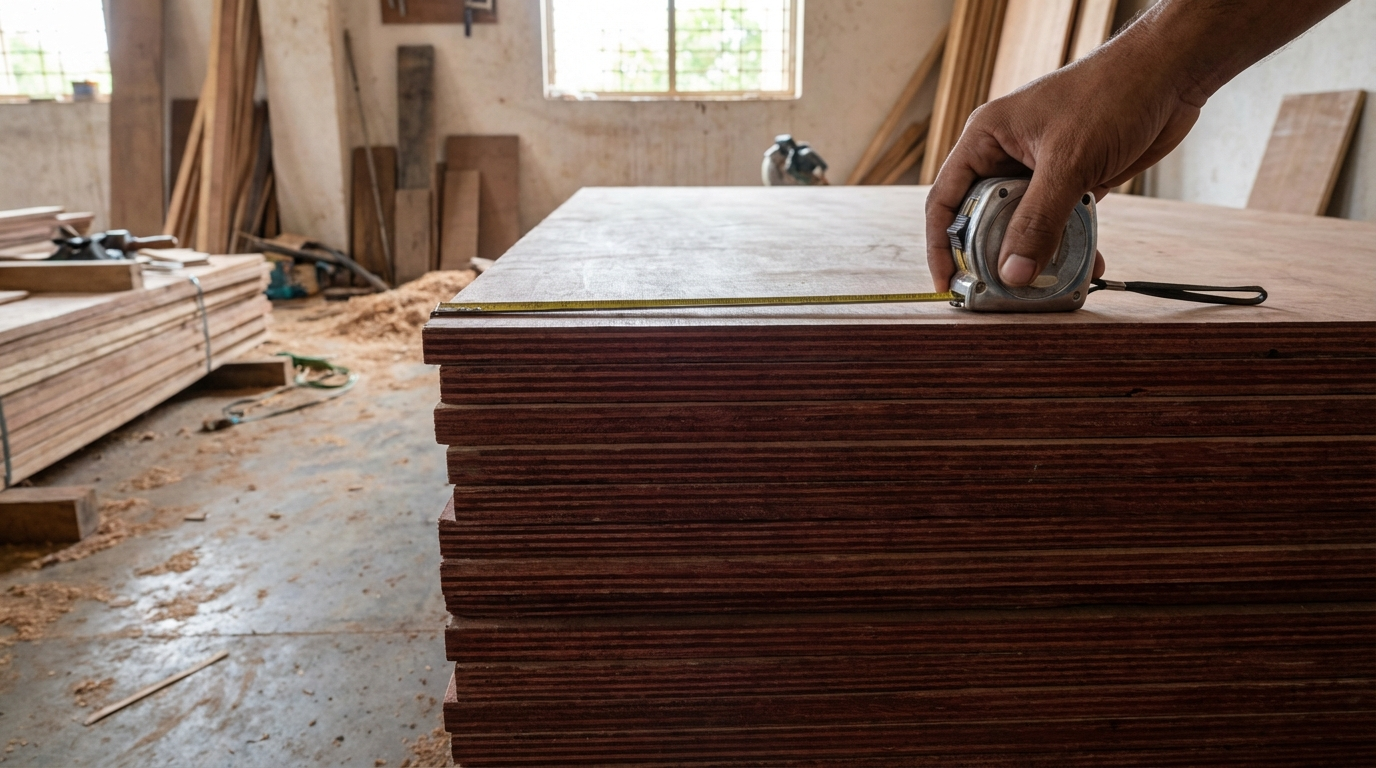
Contractors negotiate via sample-testing (tap test for voids, moisture meter <12%); homeowners verify ISI stamps and warranties (10-21 years common). Reject watermarked rejects or edge-chipped stock—signs of storage abuse.
- Source Selection: Factory-authorized dealers over roadside; platforms like IndiaMart for quotes.
- Quantity Logic: Buy full truckloads for 10-15% rebates; mix grades to optimize.
- Testing On-Site: Glue-line probe (nail splits = fail); face sand for uniformity.
- Post-Purchase: Acclimatize 48 hours; store horizontally off-ground.
For architects: Specify core species and veneer count in BOQs to curb substitutions. In dealer-dominated markets, insist on third-party lab reports for disputes.
Long-Term Value Assessment for Different Buyer Profiles
Homeowners recoup via 15-year delamination-free use, dodging rework costs (₹50/sq ft+). Contractors favor for repeat clients in coastal Andhra, where BWP callbacks are rare. Interior designers pair with teak veneers for upscale reveals, justifying premiums.
Trend watch: E0 emission variants rise 10-15% amid green building norms, but core BWP pricing stabilizes with domestic timber recovery.
Key Checks Before Finalizing 12mm BWP Purchases
Align choices to site realities—humidity logs, load calcs—not sales pitches. This approach ensures decisions withstand India's variable conditions, delivering sustained performance over transient savings.
Related guides on PlyPrice
Want Plywood Suggestions?
Share a few details and a PlyPrice specialist will suggest suitable brands and connect you to responsive dealers.