Glue Line Protection (GLP) Plywood: How Termite Resistance Works
Glue line protection (GLP) adds anti-termite chemicals to the adhesive between veneers, the layer termites tunnel through to reach the inner plies, so every glue line is treated. Compare GLP with other chemical treatments, use the buyer checklist and see advice for homes, shuttering and specs.
Last updated: . Grades and standards checked against current BIS standards.
Why Termites Target Plywood in Indian Homes and Sites
In India's tropical climate, termites thrive year-round, especially during monsoons when soil moisture rises and wood becomes vulnerable. Plywood, made from layered veneers bonded with adhesives, appeals to termites because it contains cellulose—their primary food source. The glue lines between layers are particularly susceptible, as termites tunnel through them to access inner plies. Homeowners in humid regions like Kerala, coastal Maharashtra, or urban Delhi face higher risks due to soil types rich in organic matter and inconsistent construction practices.
Termite damage manifests as hollowed-out cores, surface buckling, or sudden structural failure, often discovered months after installation. Contractors report that untreated plywood fails within 2-5 years in high-risk areas, leading to costly repairs. Understanding resistance mechanisms helps buyers prioritize options that align with local conditions, budget, and usage—whether for furniture, flooring, or partitioning.
How Does Plywood Resist Termites? Core Mechanisms Explained
Plywood resists termites through targeted interventions at material and manufacturing levels. Unlike solid wood, which relies on natural density or surface treatments, plywood protection focuses on the glue line and veneers. Resistance isn't absolute but graded by exposure risk: interior (low moisture), exterior (high moisture), or structural (load-bearing).
Key mechanisms include:
- Adhesive formulation: Modified glues with inherent repellents prevent initial infestation.
- Veneer preservation: Chemical impregnation of wood plies before bonding.
- Surface barriers: Post-manufacture coatings that deter entry, though less effective long-term.
- Structural design: Denser core plies and balanced moisture content reduce appeal.
In practice, Indian buyers evaluate these via ISI markings (like IS:1659 for preservative-treated plywood) and manufacturer claims, but real-world efficacy depends on installation—proper ventilation and soil treatment amplify plywood's built-in defenses.
Role of Moisture in Termite Vulnerability
Termites need water to digest cellulose, so moisture content above 12-15% in plywood invites attack. Boiling water resistant (BWR) or boiling water proof (BWP) grades inherently fare better due to synthetic resins, but termite-specific additives are essential. In monsoon-prone India, untreated MR-grade plywood swells and cracks, creating entry points.
What is Glue Line Protection (GLP)? A Deep Dive
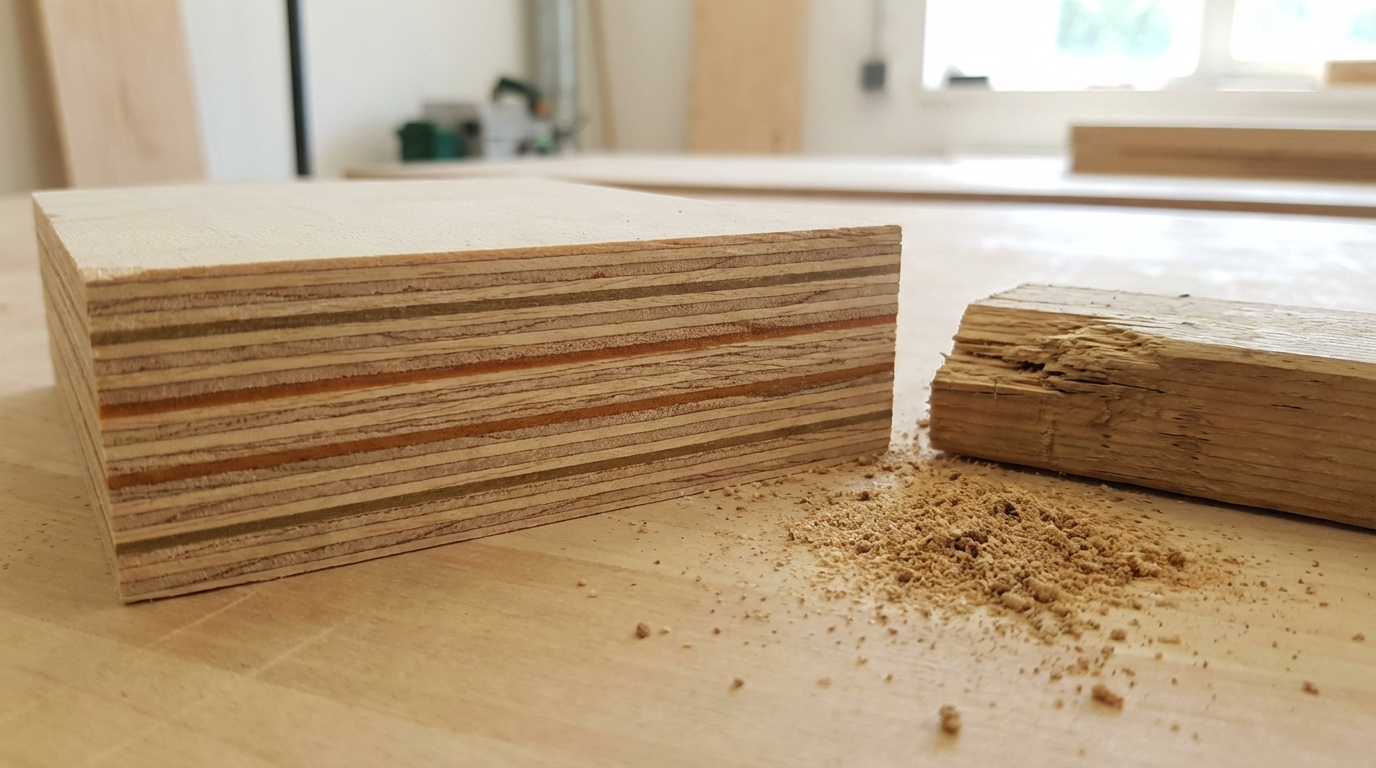
Glue Line Protection (GLP) refers to the integration of termiticides and preservatives directly into the adhesive used for bonding plywood veneers. This creates a chemical barrier at the most vulnerable interface, where termites first probe. Unlike surface sprays that wear off, GLP permeates the glue matrix, releasing repellents over time.
Developed for India's pest-heavy environment, GLP addresses a first-principles flaw: standard urea-formaldehyde (UF) glues lack natural resistance, while phenolic or melamine-fortified resins can host synthetic preservatives like chlorpyrifos or synthetic pyrethroids. The result? Termites encounter toxicity upon contact, dying before colonizing inner layers.
How GLP Works Step-by-Step
- Veneer preparation: Thin wood sheets are kiln-dried to 8-12% moisture.
- Glue mixing: Base resin (UF/MF/PF) blended with 0.5-2% termiticide by weight, ensuring even spread.
- Assembly and pressing: Layers glued under heat/pressure (100-140°C), locking chemicals in place.
- Curing: Bond stabilizes, with preservatives migrating slowly to surfaces.
GLP plywood meets partial IS:12076 norms for glue-treated boards, offering 5-10 years protection in moderate-risk zones. However, efficacy drops if exposed to standing water or poor site prep—key for architects specifying in blueprints.
GLP vs. Standard Plywood: Key Differences
| Aspect | Standard Plywood | GLP Plywood |
|---|---|---|
| Adhesive Composition | Basic UF/MR resin | UF/PF with termiticides |
| Primary Protection | None inherent | Glue line barrier |
| Termite Resistance Duration | 1-3 years (interior) | 5+ years (with site treatment) |
| Cost Premium | Baseline | 15-30% higher |
| Ideal Use | Dry interiors | Humid/kitchen areas |
Chemical Treatments: Beyond GLP for Comprehensive Defense
While GLP fortifies the glue, chemical treatments target the wood itself, creating a dual-layer shield. These involve impregnating veneers with preservatives before assembly, using vacuum-pressure cycles to penetrate 2-5mm deep. Common agents include Copper Chrome Arsenate (CCA), Boric Acid derivatives, or organic fungicides, tailored to Indian standards like IS:401 for timber preservation.
Types of Chemical Treatments in Plywood
- Surface Treatments: Quick dips or sprays (e.g., CCB—Copper Chrome Boron). Economical but shallow penetration; suits low-budget contractors.
- Full Impregnation: Pressure-vacuum process for core protection. Used in BWP marine grades; 10+ year lifespan in coastal India.
- Combined GLP + Impregnation: Premium option where glue and wood are both treated, ideal for load-bearing shuttering.
Borers (wood-boring beetles) demand similar chemistry, as their larvae tunnel deeper. Treatments like imidacloprid target both subterranean termites (soil-dwellers) and drywood species (flying swarms in attics).
Treatment Efficacy Under Indian Conditions
In lab tests per IS:1659, treated plywood withstands 4-6 weeks of termite exposure vs. 1 week for untreated. Field performance varies: inland Uttar Pradesh sees faster degradation from drywood termites, while Tamil Nadu's humidity accelerates subterranean attacks. Always pair with pre-construction soil poisoning (chlorpyrifos 1% emulsion) for holistic protection.
Identifying Genuine Termite-Resistant Plywood: Buyer Checklist
Dealers often mix claims, so verify through:
- ISI Certification: Look for IS:303 (MR, BWR, BWP), IS:710 (marine), or IS:1659 (treated). GLP-specific claims need third-party lab reports.
- Physical Tests: Uniform glue spread (no white chalky lines), 5-7mm thickness tolerance, screw-holding strength >150kg.
- Smell and Color: Mild chemical odor normal; overly pungent suggests overload.
- Warranty: 5-10 years against termites/borer, voided by moisture abuse.
Retailers in Tier-2 cities like Jaipur quote 20-40% premiums for treated boards; negotiate via bulk or compare dealer vs. mill rates.
Common Myths and Missteps
- Myth: All BWP is termite-proof. Reality: Waterproofing ≠ pest resistance; check additives.
- Myth: Paint seals it. Reality: Termites enter via ends/cuts.
- Misstep: Skipping site survey—geotechnical reports predict infestation risk.
Cost Drivers and Value Assessment for Buyers
Termite-resistant plywood costs 20-50% more than basic MR due to chemicals (10-15% of price), denser plies, and testing. Regional variations: South India (higher due to demand), North (lower competition). Homeowners weigh longevity—replacing infested wardrobes costs 2x upfront savings.
| Grade | Typical Thickness | Cost Relative to MR | Best For |
|---|---|---|---|
| GLP BWR | 18mm | 1.2-1.4x | Kitchens, bathrooms |
| Impregnated BWP | 12-19mm | 1.5-2x | Marine/shuttering |
| HDHMR with GLP | 18mm | 1.3-1.6x | Furniture (density bonus) |
Contractors favor GLP for speed (no extra site treatment); architects specify impregnated for green certifications.
Application-Specific Recommendations
For Homeowners and Interiors
Opt for GLP BWR 18mm for cabinets—balances cost and humidity resistance. Pair with laminate for added barrier.
For Contractors and Shuttering
Impregnated BWP 12mm endures 20+ reuses; essential in termite-hotspots like Bihar floodplains.
For Architects and Designers
Specify dual-treated with moisture meter tests (<12% MC). Alternatives like HDHMR offer density-driven resistance without chemicals.
Maintenance and Long-Term Strategies
Post-installation: Elevate furniture 6-12 inches, ensure 1-inch wall gaps for airflow, annual inspections. If infestation suspected, drill-and-treat rather than replace. Integrate with IPM (Integrated Pest Management)—bait stations outperform sprays long-term.
In summary, termite resistance hinges on proactive glue and wood protection, customized to India's diverse risks. Buyers gain most by matching treatment depth to exposure, verifying certifications, and integrating site measures for sustained performance.
Related guides on PlyPrice
Want Plywood Suggestions?
Share a few details and a PlyPrice specialist will suggest suitable brands and connect you to responsive dealers.