Plywood Thickness Guide: 6mm, 12mm, 16mm, 19mm and 25mm Uses
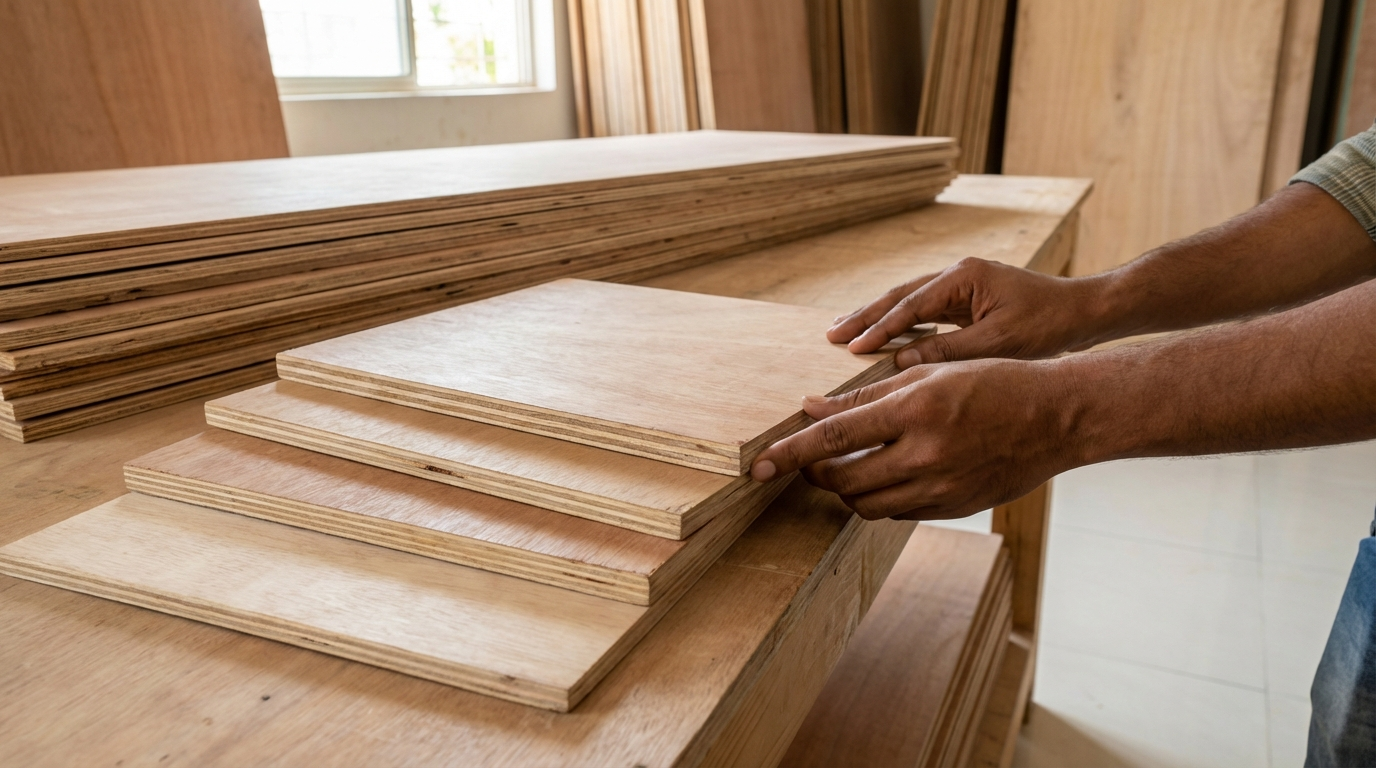
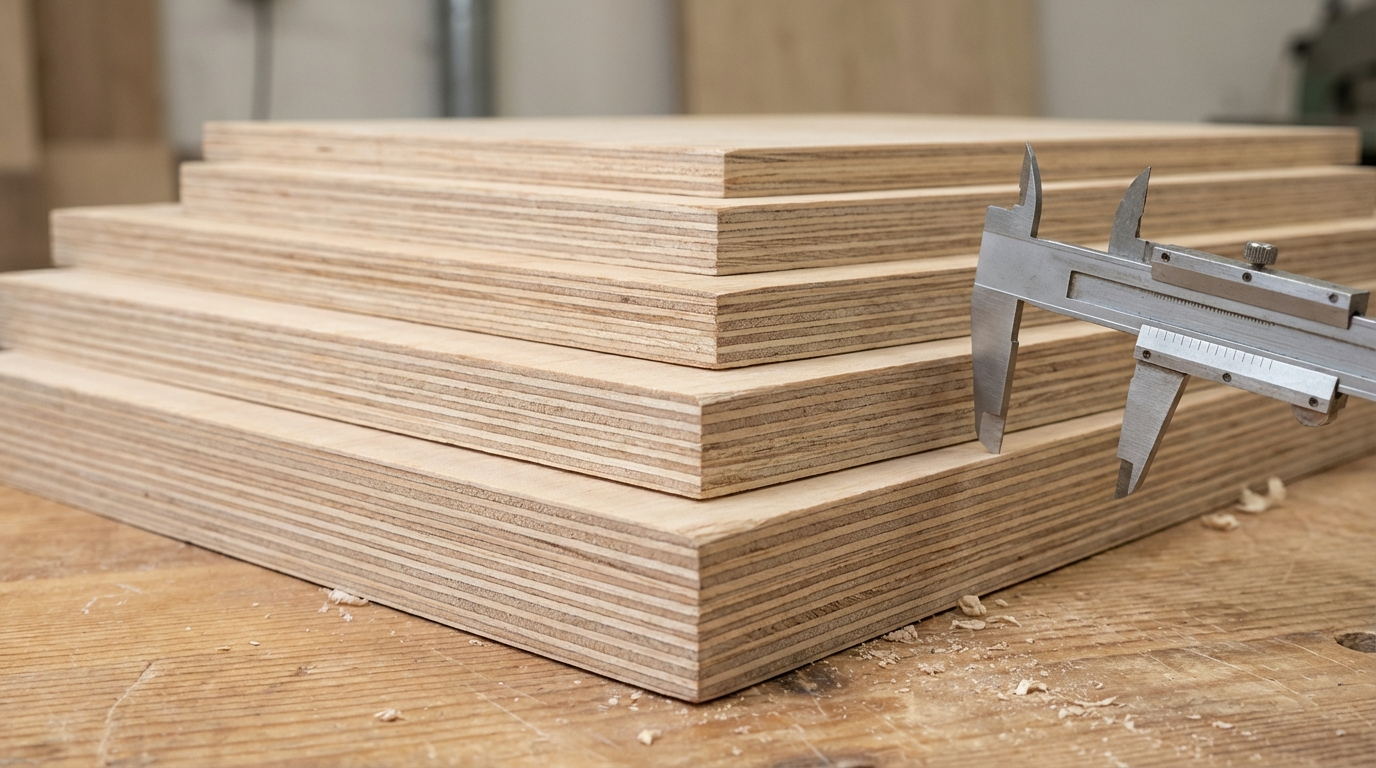
Use 6mm plywood for light paneling, 12mm as the versatile all-rounder, 16mm for demanding interiors, 19mm for structural frames and 25mm for heavy-duty, load-bearing work. Match thickness to span, load and moisture so shelves do not sag and shutters do not warp.
Which Plywood Thickness Do You Need?
In India's diverse construction landscape, from humid coastal apartments to dry inland homes, selecting the right plywood thickness hinges on balancing structural demands, span lengths, and environmental exposure. Homeowners renovating wardrobes, contractors framing shutters, and architects specifying paneling often overlook how thickness influences deflection under load, screw-holding capacity, and long-term warping. This guide breaks down 6mm, 12mm, 16mm, 19mm, and 25mm options through practical scenarios, helping you match thickness to shelves, shutters, and paneling without over-specifying or compromising durability.

Thickness alone doesn't guarantee performance—pair it with the plywood grade (MR for dry interiors, BWR for humid zones, BWP for exteriors) and core quality. A 12mm MR sheet might suffice for a bedroom shelf, but the same in a monsoon-prone bathroom demands BWR at minimum. We'll explore load calculations, regional practices, and decision logic used by bulk buyers in Delhi, Mumbai, or Chennai markets.
Core Principles of Plywood Thickness in Indian Applications
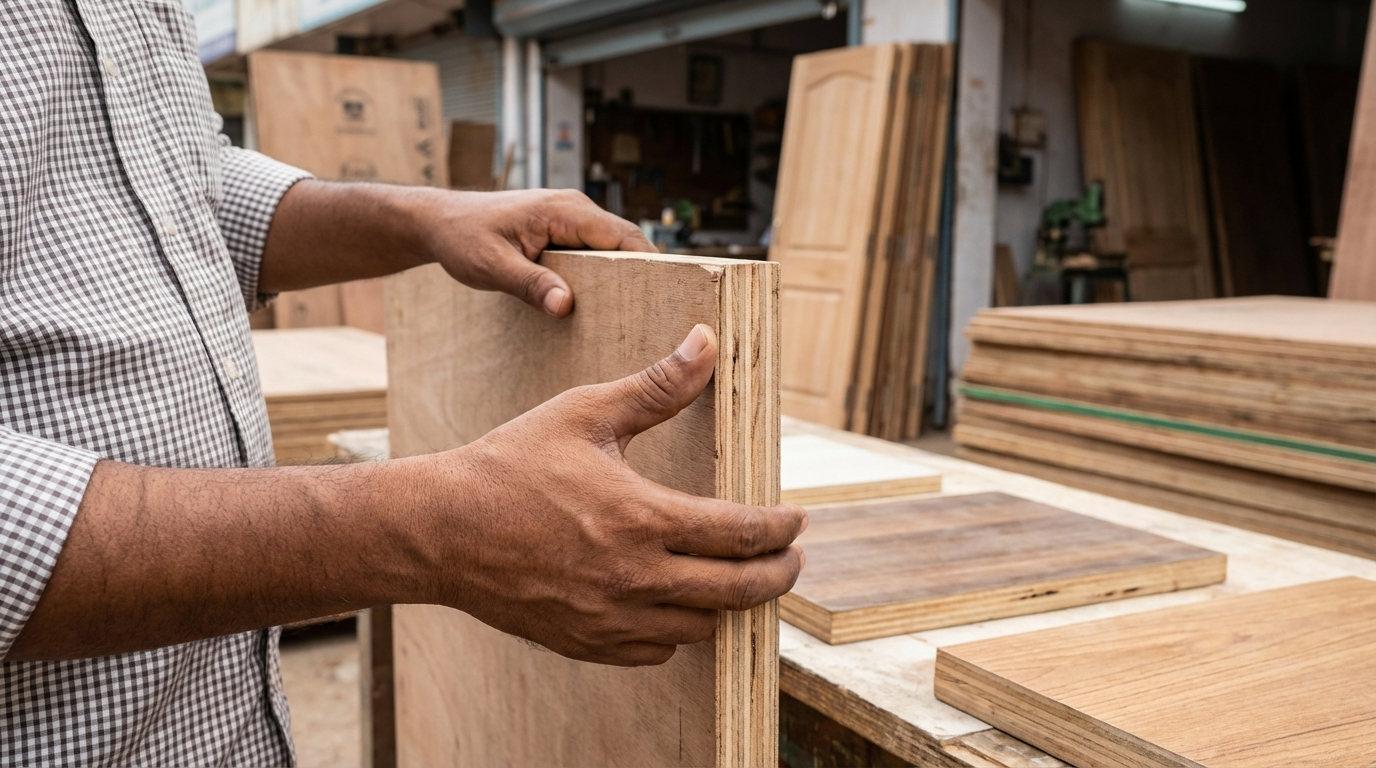
Plywood derives strength from its layered veneers glued under pressure, with thickness dictating bending modulus and shear resistance. Thinner sheets (under 12mm) flex more under point loads, ideal for non-structural cladding but risky for spanning gaps over 300mm. Thicker variants (18mm+) handle distributed weights up to 100kg/m², common in shuttering or heavy shelving.
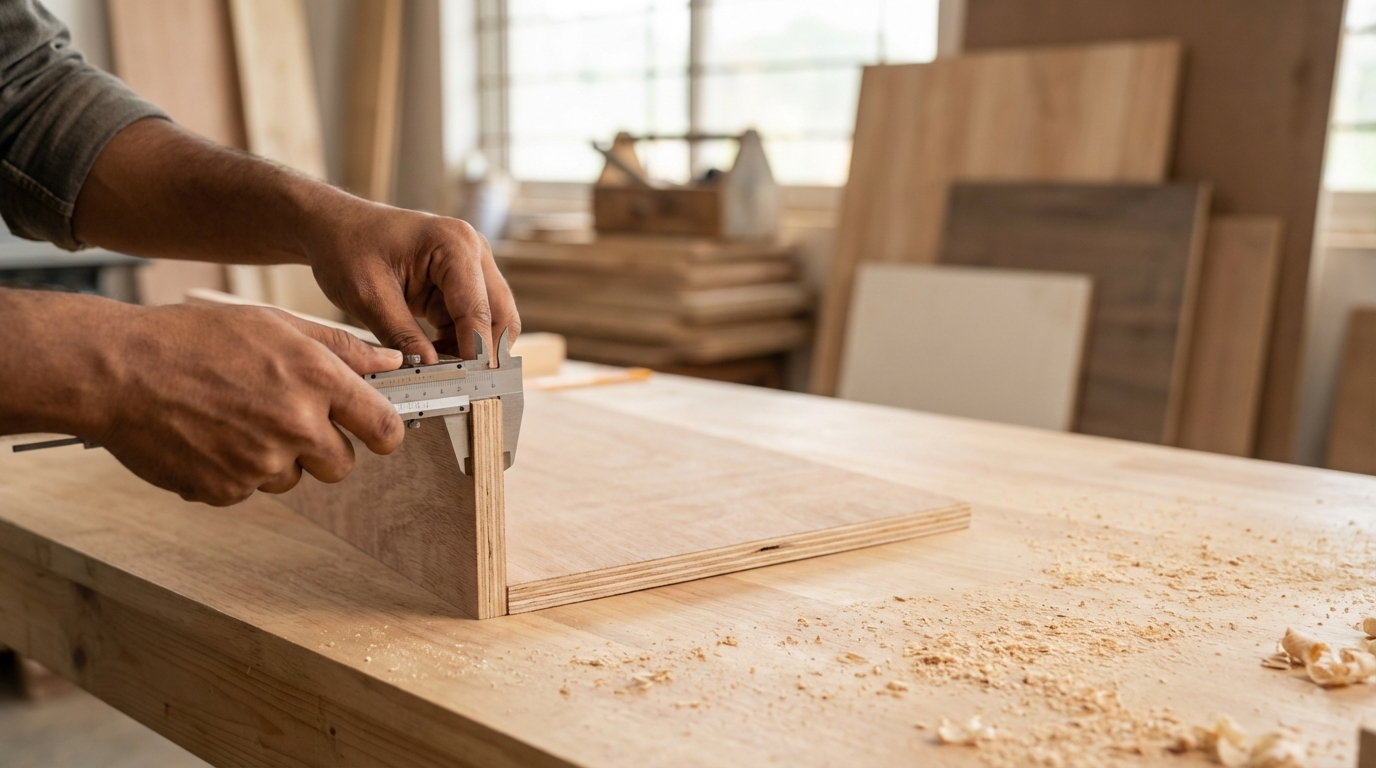
In India, ISI 303 standards outline tolerances: a nominal 12mm sheet measures 11.5-12.2mm, affecting fit in modular furniture. Core material—poplar, eucalyptus, or mixed hardwood—impacts void formation; denser cores in southern mills resist monsoon swelling better than northern softwood mixes.
Load-Bearing Logic: Span, Weight, and Deflection
- Simply supported spans: 6mm limits to 200-300mm; 19mm supports 900-1200mm without sagging over 5mm.
- Edge-supported shelves: Factor uniform load (books at 20-30kg/m²) plus dynamic impacts from coastal humidity-induced warping.
- Safety margin: Contractors double thickness for public projects like hospital paneling to meet NBC deflection limits.
Moisture and Regional Variations
Coastal Kerala buyers prioritize BWP 16mm for paneling due to 80%+ humidity, while Rajasthan interiors use MR 12mm to cut costs. Thicker sheets absorb more water if unsealed, amplifying delamination risks in un-air-conditioned godowns.
6mm Plywood: Lightweight Applications and Constraints
At 6mm, this thinnest commercial grade suits decorative, low-stress roles where weight savings matter—think modular kitchens in urban apartments. Its low mass (around 20-25kg per 8x4 sheet) eases handling for solo installers, but deflection exceeds 10mm over 400mm spans, unfit for loaded shelves.
Where Does 6mm Plywood Work Best?
- Wall Paneling: Backing for laminates in bedrooms; glue to studs at 300mm centers to prevent buckling.
- Cabinet Backs: Dust-free enclosures in wardrobes; pair with 12mm frames for stability.
- False Ceilings: Lightweight tiling over gypsum in Mumbai high-rises.
Limitations and When to Avoid
Screw pull-out fails under 5kg point loads, ruling out shelves or shutters. In humid Pune homes, unsealed edges swell 15-20%, causing laminate bubbles. Opt for commercial MR grade; avoid in kids' rooms with play loads.
Practical Buyer Tip
Inspect for flatness—southern 6mm poplar sheets edge northern gurjan for evenness. Dealers in Hyderabad quote 20-30% less per sheet than branded, but verify glue-line count (minimum 5 plies).
12mm Plywood: The Go-To Versatile Thickness
12mm strikes a balance for 70% of interior applications, supporting spans up to 600mm with under 3mm sag under 50kg/m². Popular among interior designers for its machinability—easy routing for wardrobes—and availability in BWR for semi-wet areas like utility zones.
What Is 12mm Plywood Used For?
| Application | Span Recommendation | Grade Suggestion | Load Capacity |
|---|---|---|---|
| Shelves (Kitchen/Bookshelf) | 400-500mm | MR/BWR | 30-40kg uniform |
| Door Shutters (Internal) | Full height with frame | BWR | Wind load resistant |
| Wardrobe Carcasses | 300-450mm panels | MR | With shelves added |
Performance Insights
In Delhi's dry winters, 12mm MR holds screws 2x better than 9mm alternatives. Contractors in Bengaluru use it for partition paneling, nailing at 150mm grid. Thickness uniformity ensures flush joints in modular systems.
Cost Drivers
Expect 15-25% premium for BWR over MR due to phenolic resins; regional mills in Assam offer denser cores at lower rates, but transport adds 10% to Mumbai prices.
16mm Plywood: Enhanced Strength for Demanding Interiors
Stepping up to 16mm boosts shear strength by 40% over 12mm, ideal for longer spans or moderate loads in commercial fit-outs. Homeowners in tier-2 cities like Jaipur favor it for furniture carcasses, where 700mm shelves avoid mid-supports.
What Is 16mm Plywood Used For?
- Heavy Shelves: Garages or storerooms; supports 60-80kg/m² with edge lips.
- Partition Walls: Office paneling with acoustic infill; BWR resists termite baiting moisture.
- Kitchen Platforms (Substrate): Under granite, spanning 600mm cabinets.
India-Specific Considerations
In Chennai's salty air, 16mm BWP variants prevent core rot, unlike thinner sheets. Architects specify it for hotels to meet fire ratings when treated. Minimum 9 plies ensure no telegraphing of face veneers.
Avoidance Scenarios
Overkill for plain paneling—adds 30-40% weight and cost without proportional gains in dry zones.
19mm Plywood: Structural Workhorse for Shelters and Frameworks
Often labeled 18mm nominally, 19mm handles construction-grade tasks, spanning 900mm+ with minimal flex. Bulk purchasers in Gujarat construction yards stock it for formwork precursors, transitioning to interiors.
What Is 19mm Plywood Used For?
| Use Case | Why 19mm? | Alternatives | Regional Note |
|---|---|---|---|
| Shuttering (Pre-Concrete) | Reusability over 10 pours | 25mm for heavy beams | Common in UP mega-projects |
| Heavy-Duty Shelves | 100kg+ loads | Blockboard for curves | Kerala godowns |
| Ceiling Beams (Exposed) | Wind/weight combo | MDF for flush | Mumbai sea-facing |
Durability Factors
BWP 19mm withstands 48-hour boils per ISI tests, crucial for Bangalore site offices. Contractors factor 20% thickness loss from reuse, budgeting accordingly.
25mm Plywood: Heavy-Duty for Industrial and Load-Bearing Roles
The thickest standard sheet, 25mm targets high-impact zones like flooring substrates or robust shutters. Its 11+ plies provide exceptional screw retention, but bulk (50kg+ per sheet) demands mechanized handling.
Specialized Uses
- Shuttering Plates: Mega-slabs in Hyderabad infra; reusable 20+ times.
- Platform Bases: Commercial kitchens over 1m spans.
- Structural Paneling: Warehouses with forklift proximity.
Practical Drawbacks
Cuts into transport costs (2-3 sheets per tempo vs 8 of 12mm). In residential, reserve for lofts; thinner + framing saves 25% material.
Thickness Comparison for Common Indian Applications
| Thickness | Shelves (kg/m²) | Shutters | Paneling | Cost Relative to 12mm | Best Grade |
|---|---|---|---|---|---|
| 6mm | <10 (decor only) | No | Yes (backs) | 50-60% | MR |
| 12mm | 30-50 | Internal | Yes | Baseline | MR/BWR |
| 16mm | 60-80 | Semi-wet | Partitions | 120-140% | BWR |
| 19mm | 90-120 | External frames | Heavy duty | 150-170% | BWP |
| 25mm | 150+ | Construction | Industrial | 200-250% | BWP |
Decision Framework: Matching Thickness to Your Project
For Homeowners
Measure span first: under 450mm? 12mm suffices. Add 20% buffer for kids/pets. Source from local dealers for 8x4 sizes; test tap for voids.
For Contractors
Calculate: Load x Span² / Modulus. Reuse shuttering favors 19mm BWP. Bulk buys from Indore mills cut 15% vs branded.
For Architects/Designers
Specify tolerances: ±0.5mm for 12mm. Hybrid: 12mm panels on 19mm frames for cost-optimized facades.
Cost and Sourcing Nuances in India
Thickness drives 60% of price variance—thicker means more veneers and glue. MR undercuts BWR by 20-30%; southern eucalyptus cores cheaper than northern hardwood. Dealer markups hit 25% in metros vs 10% in mill vicinities like Hoshiarpur. Factor FBT (formal + informal) and monsoon storage surcharges.
Pro tip: Negotiate sheet counts; 50+ orders yield 10% discounts. Verify BIS marks on edges, not just labels.
Avoiding Common Thickness Pitfalls
- Undersizing shelves: 6mm bows under linen stacks—upgrade to 12mm.
- Overspending on paneling: 19mm where 12mm + studs work.
- Ignoring grade mismatch: Thick MR fails in wet zones.
- Skipping span calcs: Use online deflection tools calibrated for Indian plywood densities (500-650kg/m³).
By aligning thickness with real-world loads and climates, projects last 15-20 years without callbacks. Consult samples at dealers before bulk commitments.
Related guides on PlyPrice
Want Plywood Suggestions?
Share a few details and a PlyPrice specialist will suggest suitable brands and connect you to responsive dealers.